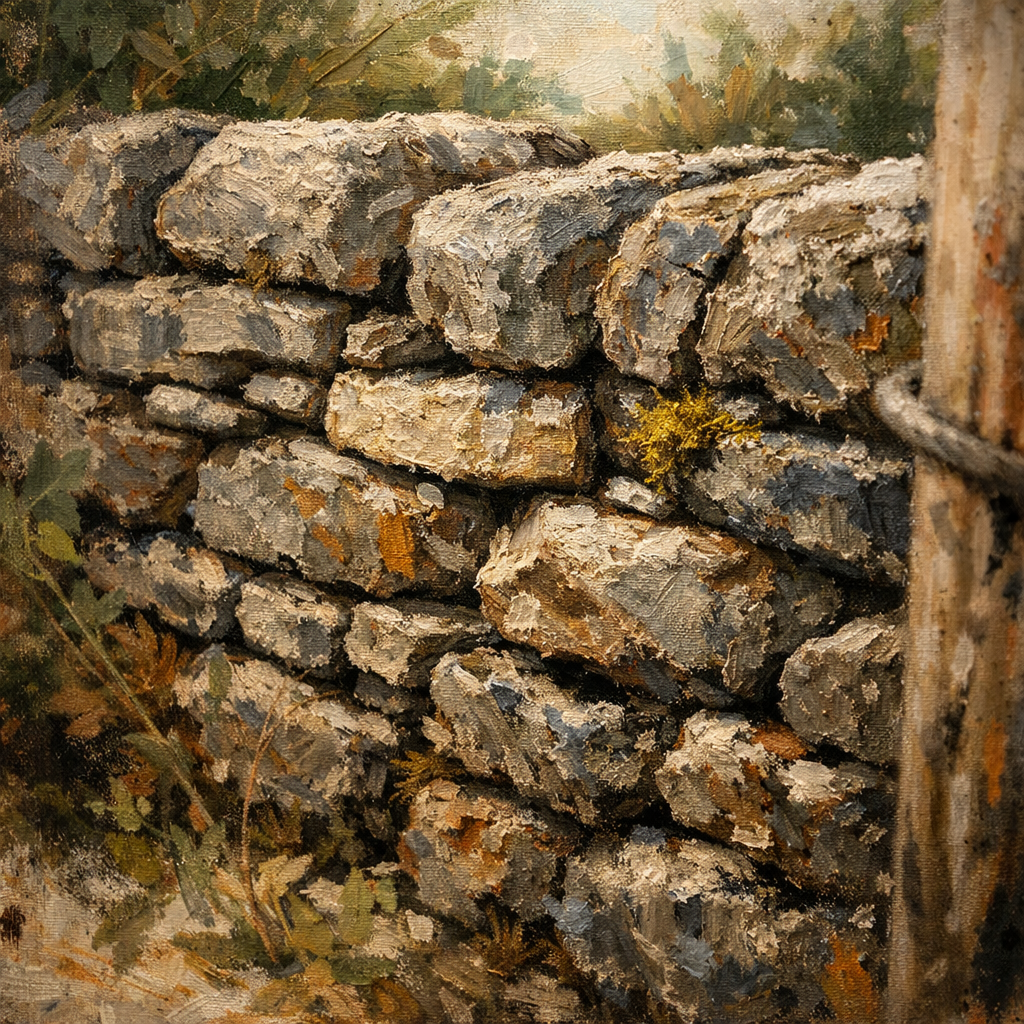
The Silent Bastion
Critique
1. Introduction This oil painting presents a compelling study of a stone wall, capturing the raw essence of natural materials through a lens of profound quietude. The composition focuses on the tactile reality of the stones, evoking a sense of enduring history and structural integrity. By isolating this specific element of the landscape, the artwork invites the viewer to appreciate the quiet strength inherent in simple, weathered forms that have stood the test of time. 2. Description The canvas is dominated by a wall of irregularly shaped stones, meticulously stacked to form a rugged barrier. Each stone is rendered with a palette of cool grays, earthy ochres, and hints of burnt sienna, suggesting the accumulation of mineral deposits and environmental wear. To the right, a vertical wooden post serves as an anchor, bound to the structure by a weathered rope. Soft patches of moss and sparse greenery emerge from the crevices, adding subtle flecks of vibrant yellow and green. 3. Analysis The artist utilizes a heavy impasto technique, applying thick layers of pigment to create a physically textured surface that mimics the roughness of stone. The lighting originates from the upper right, casting dramatic shadows that accentuate the three-dimensional volume of each individual rock. A harmonious balance is achieved through the use of organic, earthy tones, while the juxtaposition of the unyielding stone and the pliant moss creates a dynamic visual rhythm within the static subject matter. 4. Interpretation and Evaluation This work excels in its ability to transform a mundane architectural feature into a powerful symbol of permanence and the slow progression of nature. The technical proficiency displayed in the handling of light and texture is remarkable, allowing the medium itself to become as significant as the subject. The artist’s decision to focus on the interplay between the inorganic stone and organic growth demonstrates a sophisticated understanding of balance and contrast, marking this as a high-quality representational piece. 5. Conclusion Upon first glance, the wall appears as a mere partition, but further contemplation reveals it to be a rich tapestry of color and geological narrative. The painting succeeds in elevating a fragment of the physical world into an object of artistic meditation, reminding the viewer of the beauty found in neglected corners. Ultimately, the stone wall is reinterpreted not just as a boundary, but as a testament to the resilience and silent dignity of the terrestrial world.
Same Subcategory
Similar Artworks
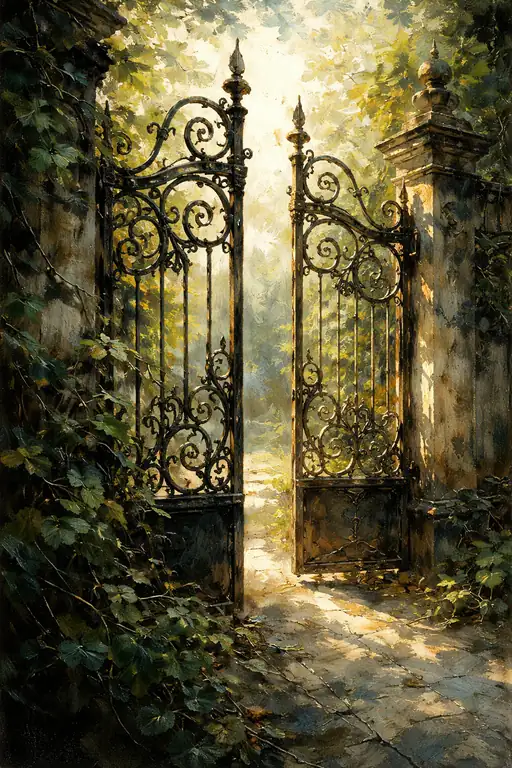 Threshold of Light
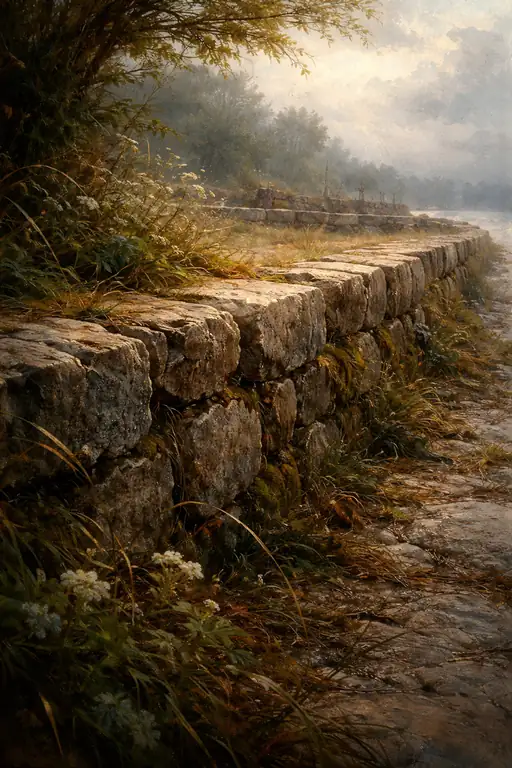 The Secret of the Crumbled Wall
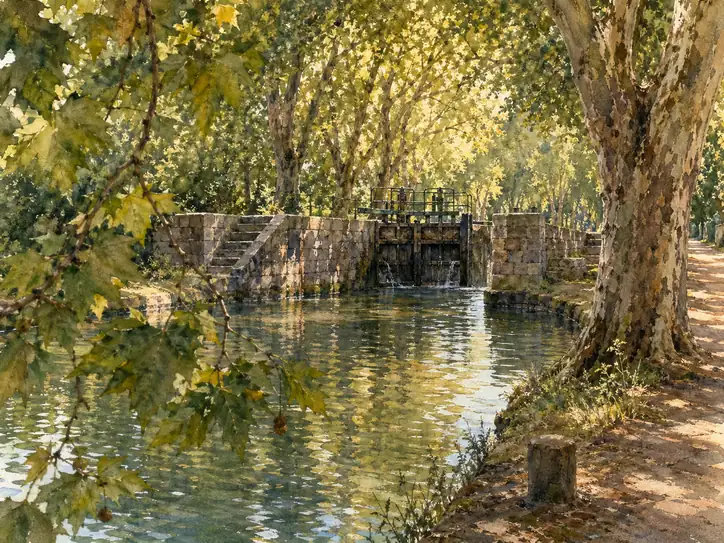 Whispers of the Sunlit Gateway
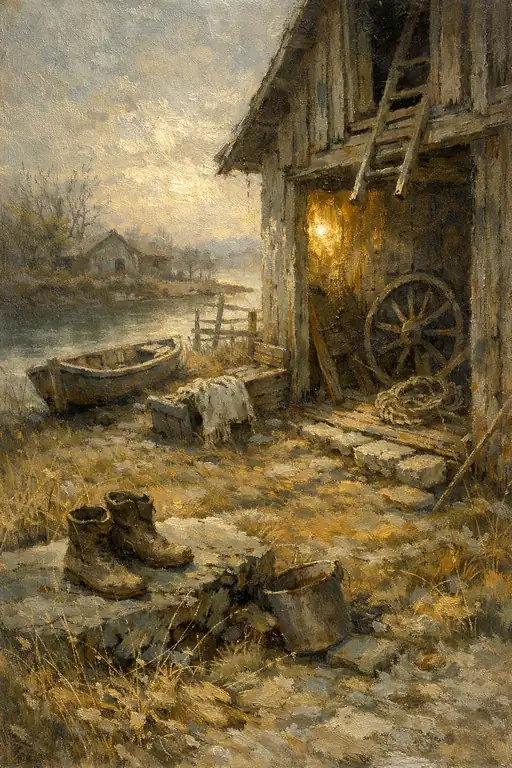 Echoes of Labor by the Quiet River
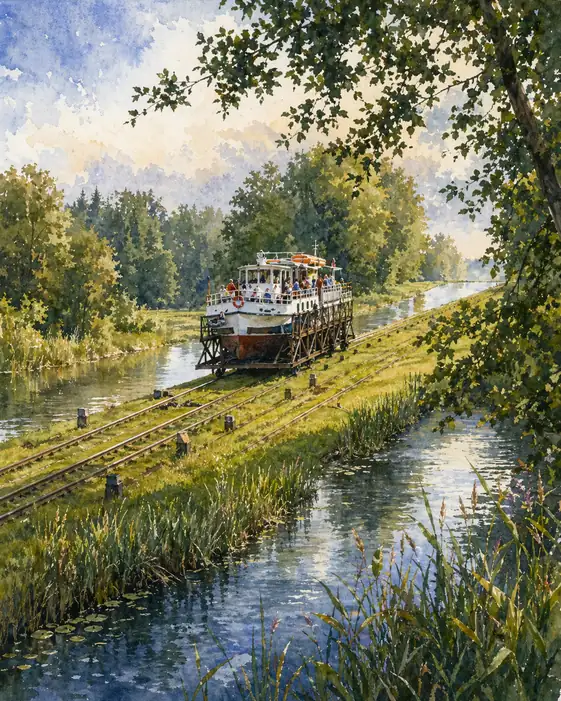 A Voyage Through the Trees
 The Voyage of the Wood and Iron
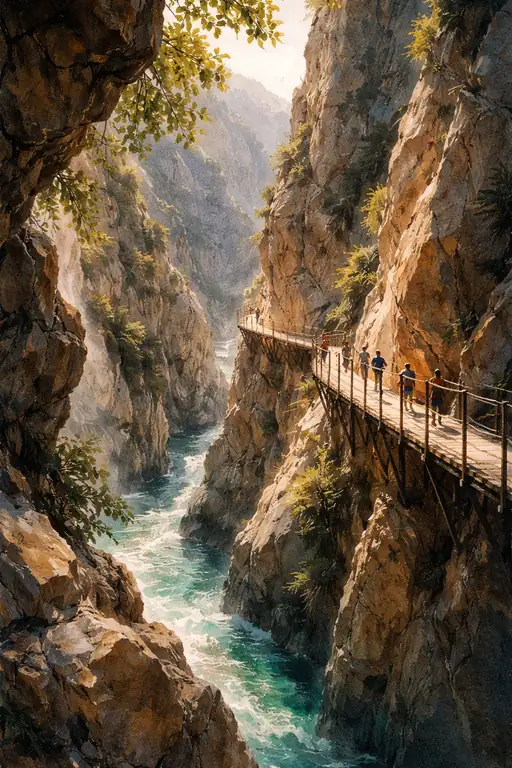 The King's Precipice
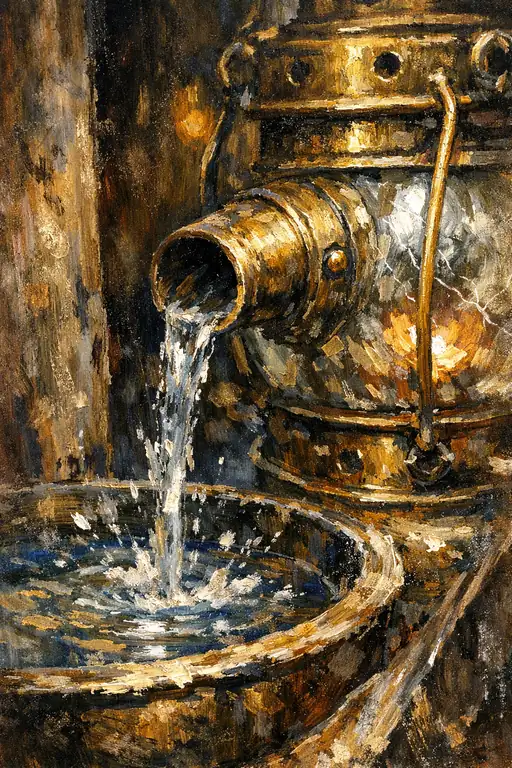 The Vigorous Pulse of Life Pouring from Timeless Brass
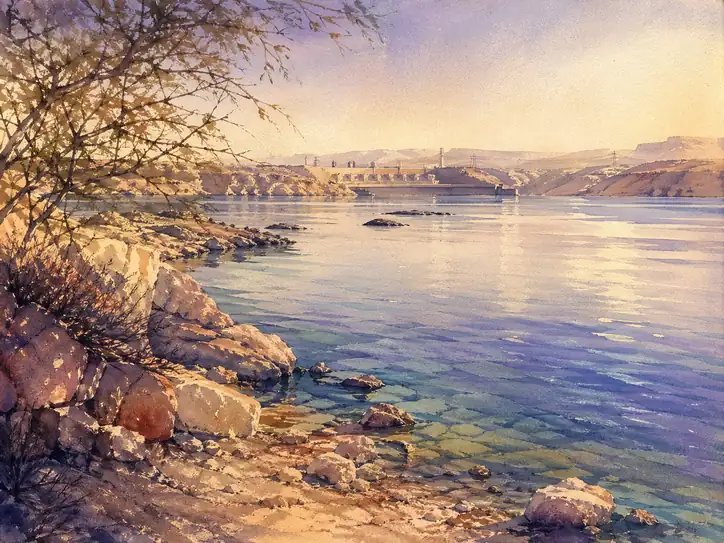 The Silent Guardian: Dam at Twilight
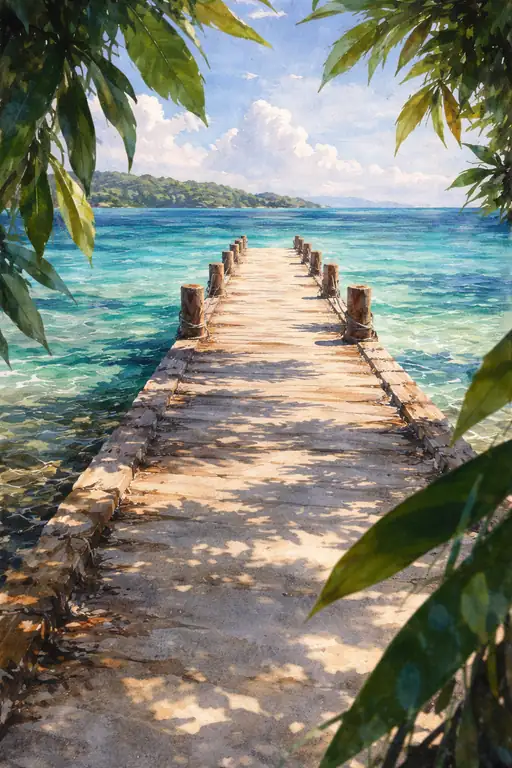 Path to the Horizon