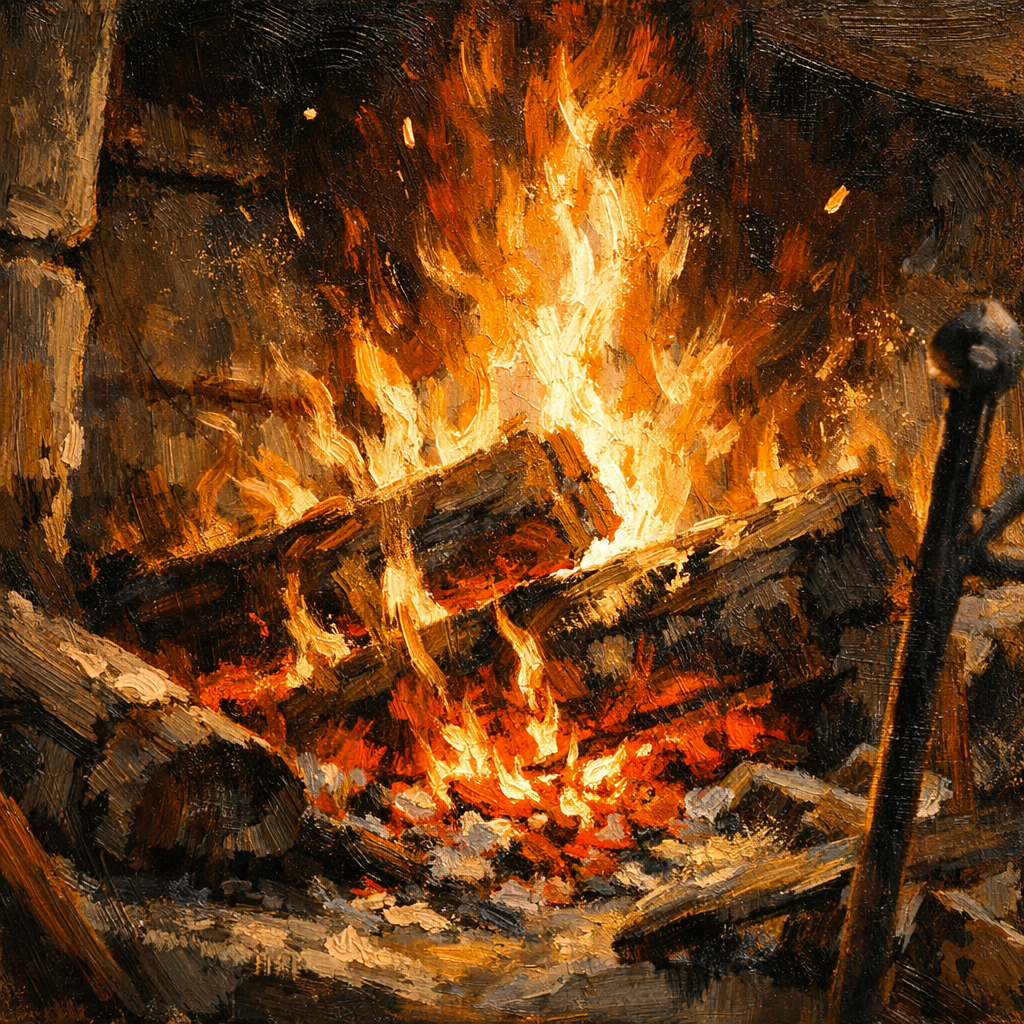
Fierce Hearth Fire
Critique
1. Introduction The artwork is a powerful oil painting of a roaring fireplace, capturing the raw energy of light and the tactile quality of heat with overwhelming intensity. At the center, glowing logs are stacked amidst climbing flames that fiercely illuminate the surrounding space. By utilizing a heavy impasto technique, the artist successfully freezes the ethereal movement of fire into a tangible, physical mass. This critique will analyze the potent chromatic expression and the significant impact of the work's rich materiality, which collectively evoke a sense of primordial power and warmth. 2. Description Dominating the frame are the burning embers and the vibrant orange flames erupting from charred wooden logs. The surfaces of the wood transition from burnt umber to brilliant, incandescent reds, with their rugged textures emphasized by thick applications of paint. Scattered sparks are represented by fine dabs of color, adding a temporal dynamism to the scene. While the stone hearth is partially visible in the shadows, its details are largely simplified to prioritize the radiant glow of the central subject, which serves as the primary focal point. 3. Analysis The color palette is restricted to a fiery array of oranges, yellows, and deep browns, creating a composition with an exceptionally high perceived temperature. The contrast between light and shadow is pushed to its extreme; the hottest core of the fire is rendered with near-white highlights, while the surrounding darkness provides depth. The brushwork is incredibly dynamic and passionate, with the accumulated paint catching the light to create a rhythmic surface texture. This heavy handling of the medium lends the two-dimensional image a three-dimensional sense of vibrating heat. 4. Interpretation and Evaluation This work can be interpreted as a visualization of the primitive power of fire—a symbol of both civilization and survival—and the contemplative silence found in watching it. The decision to represent the formless flames through the dense materiality of oil paint creates a compelling paradox that heightens the viewer's awareness of the subject's intensity. The technical execution is exceptional, particularly in balancing the flickering movement of light with the solid weight of the timber. It is an original and high-quality artistic statement that elevates a common domestic scene into an elemental drama. 5. Conclusion Initially striking for its brilliant luminosity and vigor, the painting reveals upon closer study a meticulous orchestration of layered colors and brush control. The balance between physical weight and ethereal light is perfectly achieved through the central theme of fire. The work ultimately succeeds in providing the viewer with both physical warmth and a profound sense of comfort. It is a masterfully executed piece where technique, color, and emotion converge, standing as a significant accomplishment that redefines the potential of contemporary still life painting.
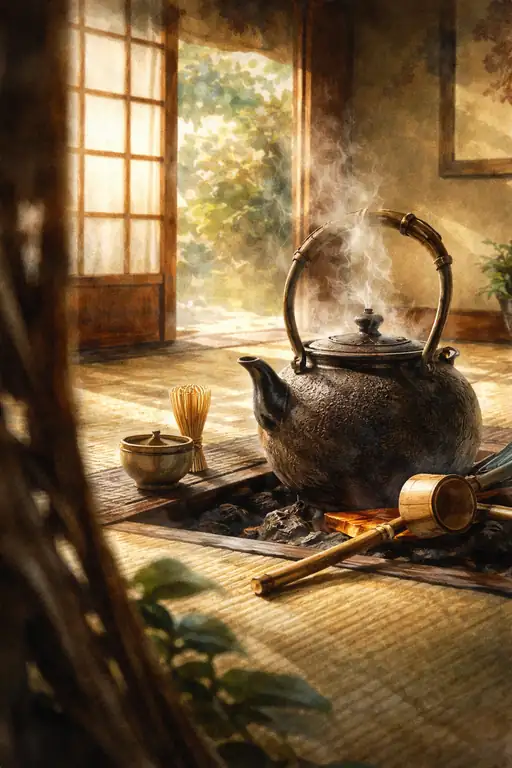 Whispers of the Boiling Kettle
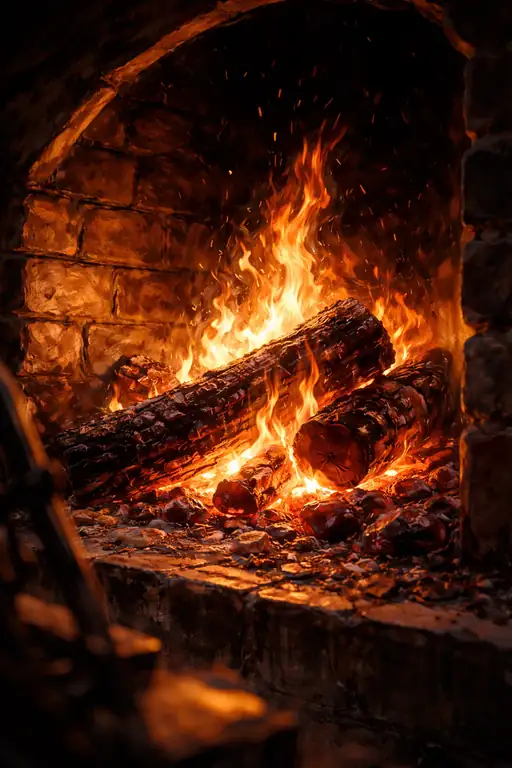 The Hearth's Resonant Heartbeat
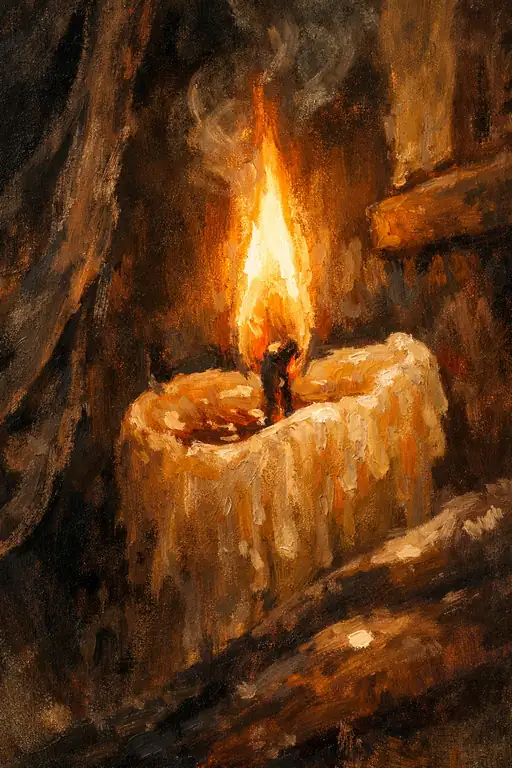 Burning Melting Light
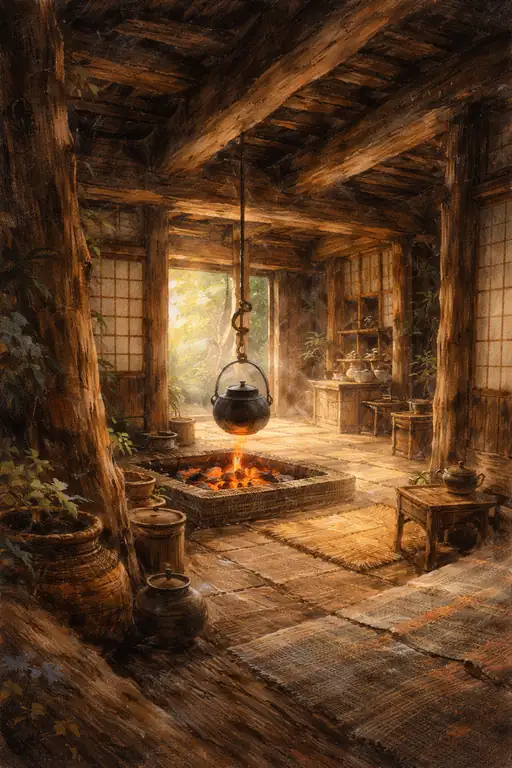 Ancestral Flames and Timber Shadows
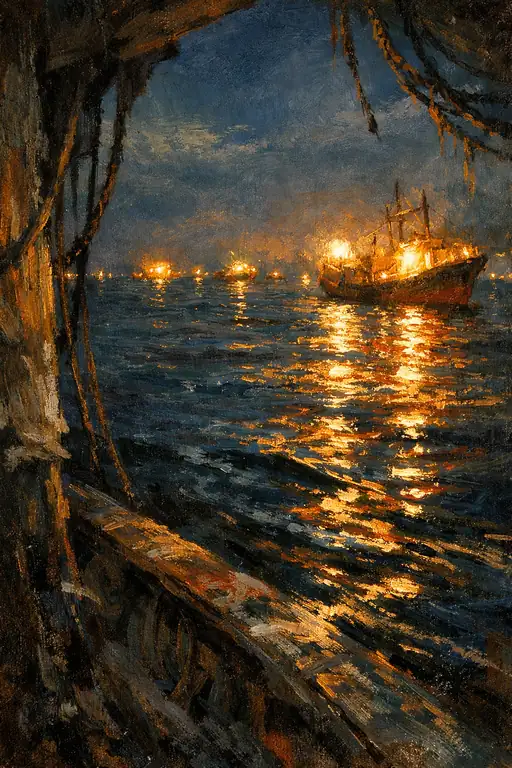 Melodies of the Evening
 Illuminating the Depths of Stillness
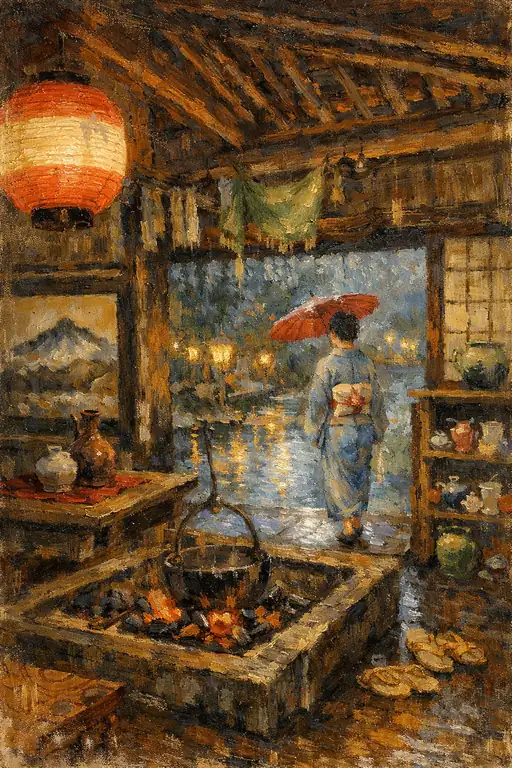 Melancholy Beyond the Hearth
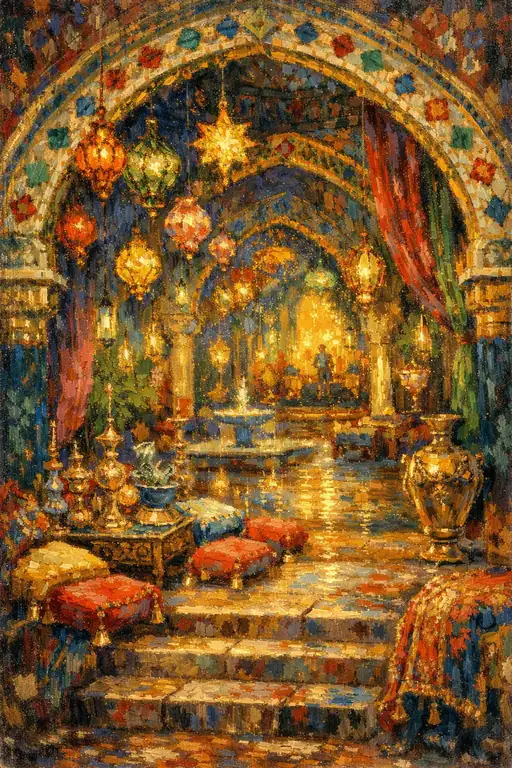 Echoes of the Starlit Palace
 Warmth in the Quiet Cabin
 Winter's Tranquil Embrace