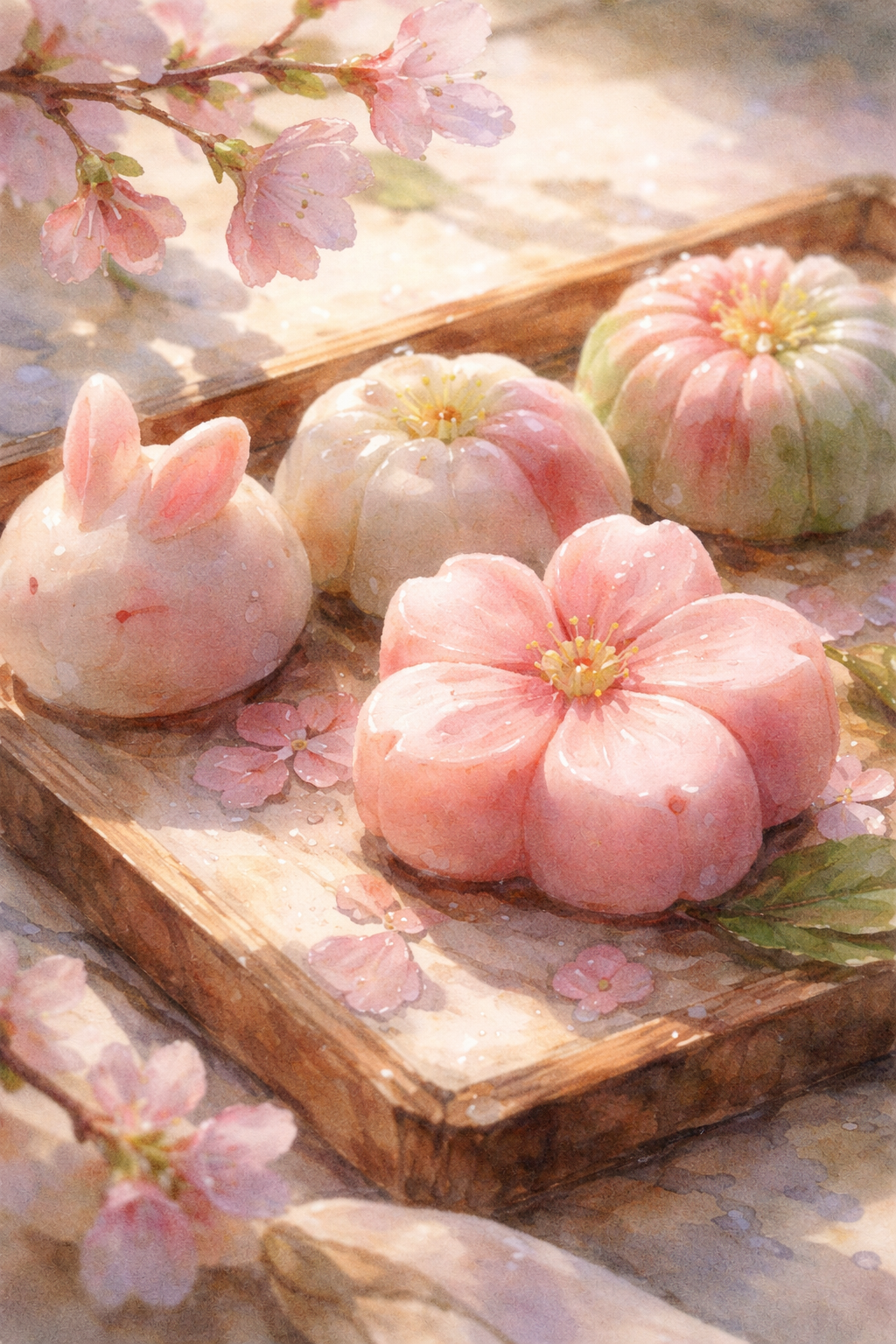
A Sweet Spring Reverie
Critique
1. Introduction This watercolor painting presents a delicate scene featuring Japanese traditional sweets, known as wagashi, themed around the arrival of spring. The composition showcases four distinct pieces of confectionery arranged on a wooden tray, framed by the soft presence of cherry blossom branches. Through a gentle application of color and light, the work captures the subtle elegance and seasonal sensitivity inherent in Japanese culinary art. 2. Description The tray holds a variety of sweets, including a charming rabbit-shaped mochi and a intricately detailed confectionery in the shape of a full cherry blossom. Two additional rounded sweets with floral indentations and soft gradients of pink and green complete the arrangement. Sunlight filters through the overhead cherry blossoms, casting dappled shadows and highlighting the moist, translucent texture of the sweets. Scattered petals on the tray and ground further emphasize the ephemeral atmosphere of the scene. 3. Analysis The artist utilizes a soft watercolor technique that emphasizes fluid transitions between pastel hues of pink, white, and pale green. The treatment of light is particularly noteworthy, as it creates a sense of warmth and depth while maintaining a lightweight, airy quality. Fine lines are used sparingly to define the delicate structures of the flower petals and the features of the rabbit, allowing the color washes to lead the visual experience. The vertical composition draws the eye from the blossoms above down to the detailed sweets below. 4. Interpretation and Evaluation The work effectively communicates the Japanese concept of "shun," or the appreciation of seasonal peaks, through its focus on cherry blossom motifs. The choice of subjects—the rabbit and the flowers—evokes traditional folklore and natural beauty, lending the piece a poetic and nostalgic quality. Technically, the painting succeeds in representing the specific textures of wagashi, from the smooth surface of the nerikiri to the soft appearance of the mochi. It is a harmonious and serene exploration of spring aesthetics. 5. Conclusion Moving from an initial appreciation of the sweets' decorative charm, the viewer is invited into a deeper reflection on the passing of time and the beauty of nature. The painting serves as a bridge between the culinary and visual arts, celebrating the craftsmanship involved in traditional confectionery. Ultimately, it stands as a visually soothing and technically accomplished tribute to the seasonal rhythms of life.
Same Subcategory
 More Summer Than We Can Finish
Similar Artworks
 Springs Delicate Awakening
 Whispers of Spring on a Bamboo Mat
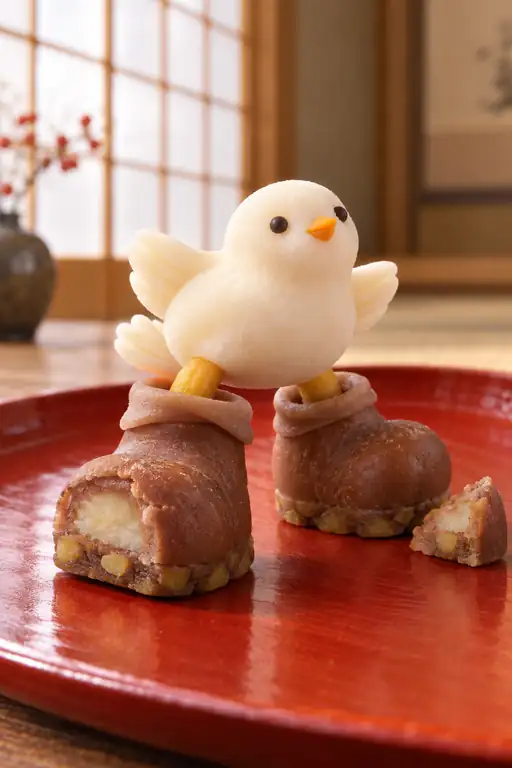 The Little Bird's Chestnut Boots
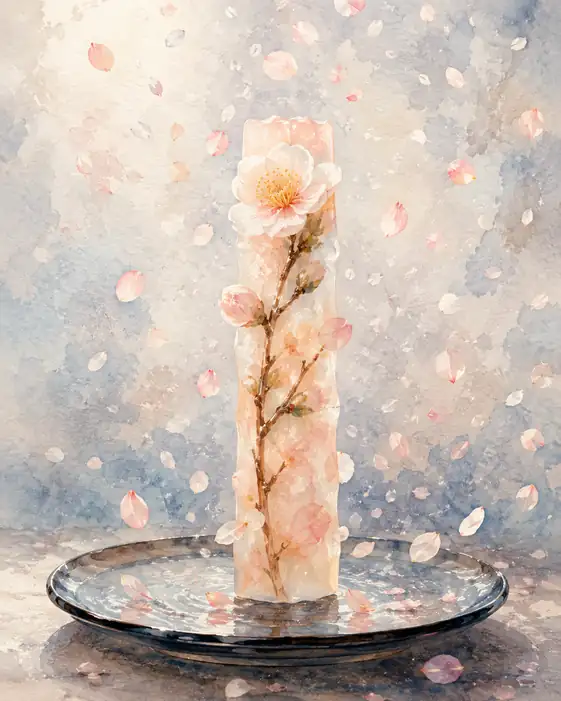 The Summer Camellia Keeps Every Falling Petal Still
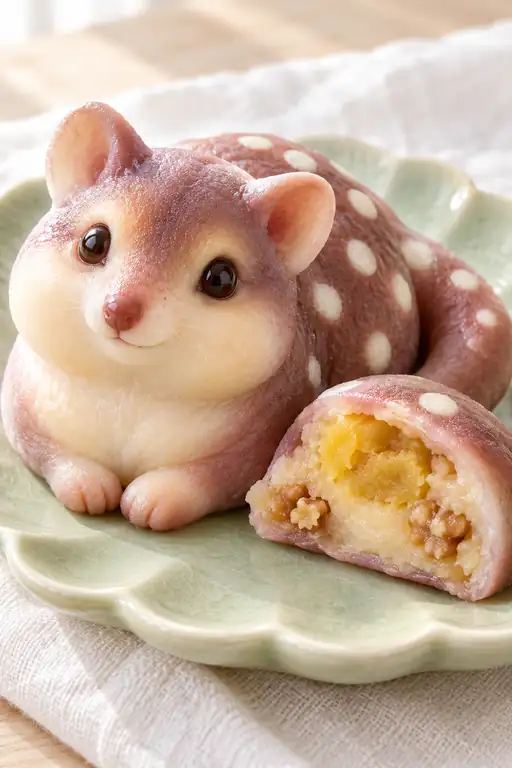 The Quiet Heart of Autumn
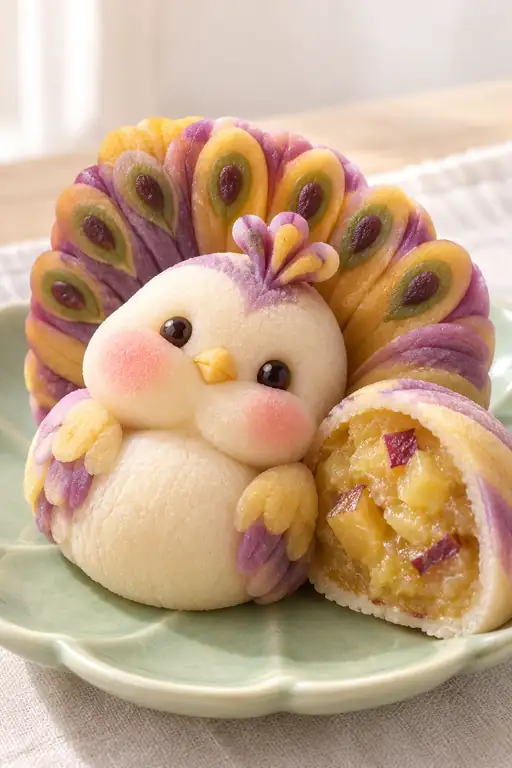 Fan of Plum and Autumn Gold
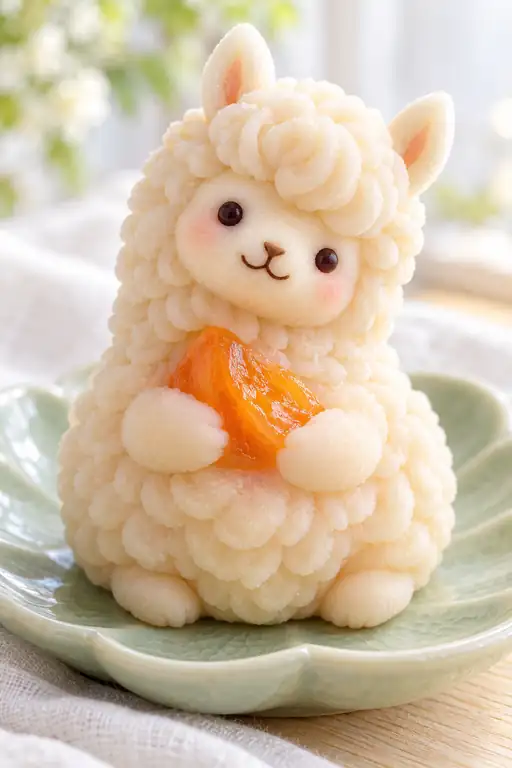 Embrace of the Golden Persimmon
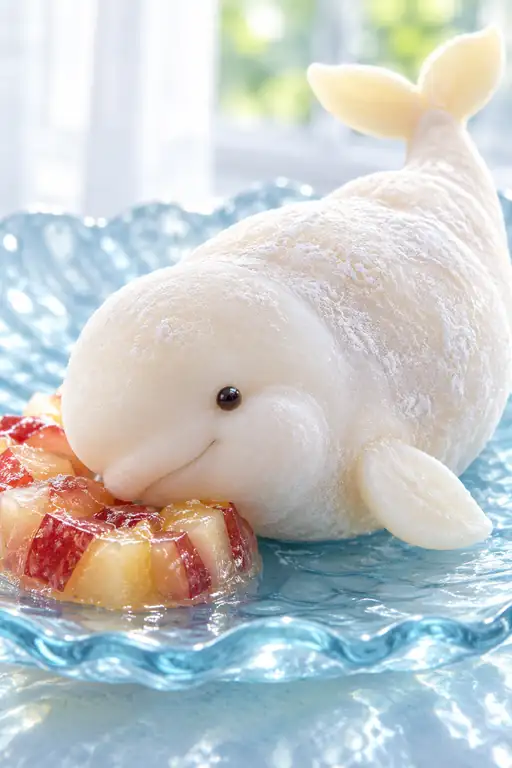 Gentle Nuzzle in Orchard Waters
 Gliding on Amber Waters
 Serenade of the Sweetest Slumber