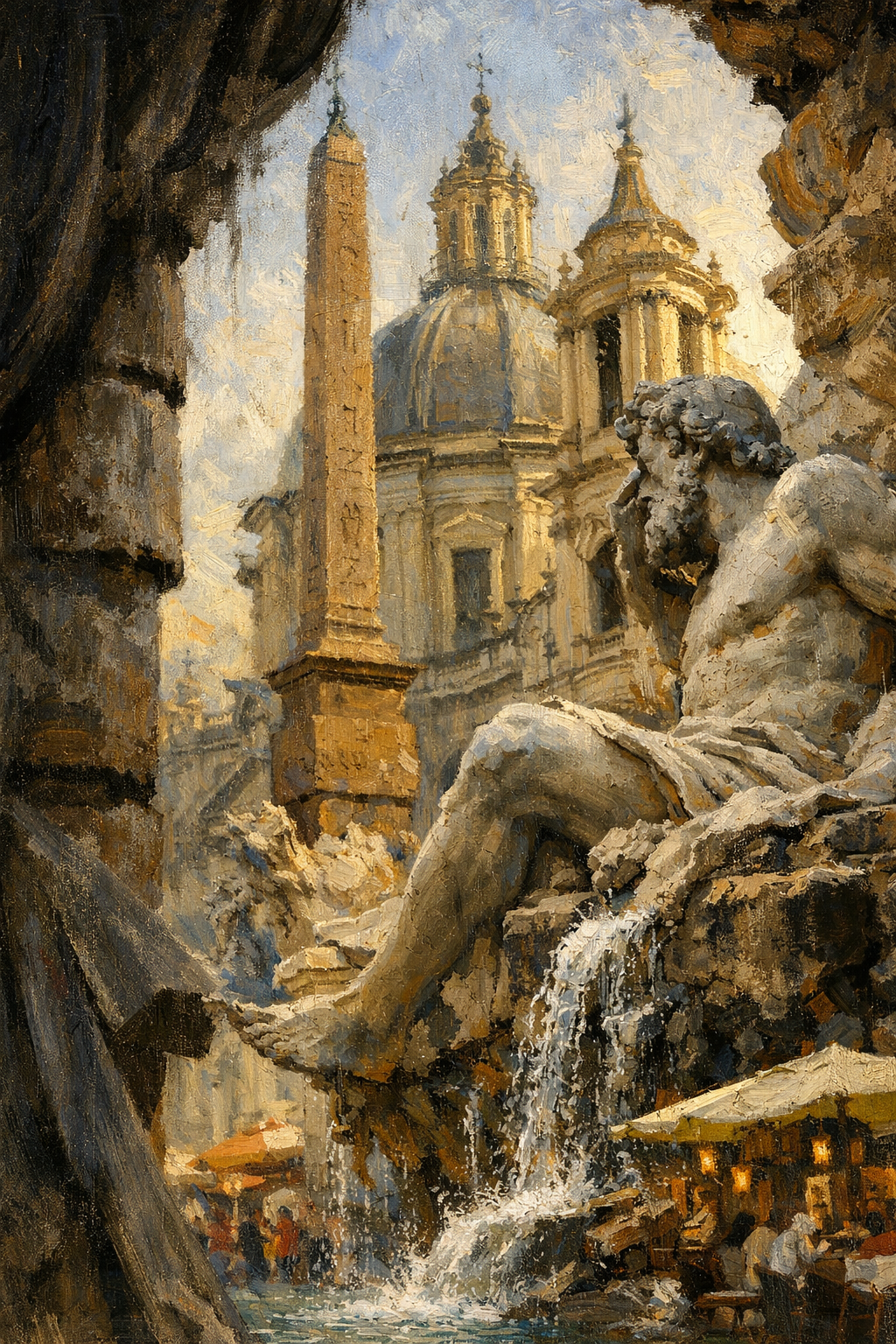
Timeless Echoes of Navona
Critique
1. Introduction This oil painting captures the historic Piazza Navona in Rome, focusing on the Fountain of the Four Rivers set against the majestic backdrop of the Sant'Agnese in Agone church. The composition employs a vertical format that emphasizes the architectural grandeur and the dramatic Presence of the foreground sculpture. The entire scene is bathed in a warm, sepia-toned light that evokes a sense of timeless elegance and historical continuity. 2. Description In the immediate foreground, a monumental stone sculpture of a river god reclines, its muscular form rendered with thick, textured brushstrokes. Cascading white water flows from the base of the statue, creating a dynamic sense of movement. Behind the fountain, the Egyptian obelisk rises sharply toward the upper left, while the twin towers and dome of the church occupy the central background. To the lower right, the subtle life of a modern cafe is visible under umbrellas, connecting the past to the present. 3. Analysis The artist effectively utilizes a painterly impasto technique, where thick layers of pigment create a tangible topographical surface on the canvas. The composition follows a strong diagonal line from the river god’s reclining body up toward the top of the obelisk, anchoring the viewer’s eye within the complex architectural space. The color palette is dominated by ochre, gold, and warm greys, with small accents of cool blue in the sky providing a necessary atmospheric contrast. 4. Interpretation and Evaluation The work serves as an evocative homage to Roman baroque aesthetics, reinterpreted through a modern impressionistic lens. The heavy texture suggests the weathered stone of the city, while the golden light elevates the urban setting into a realm of poetic memory. The technical skill displayed in capturing the translucency of the falling water against the solid masonry is particularly noteworthy. The painting successfully balances the grand scale of the monuments with the intimate, bustling atmosphere of the square. 5. Conclusion Through its vibrant application of light and texture, the painting offers a deeply sensory experience of one of Rome's most iconic plazas. The initial impression of a purely sun-drenched architectural study matures into a profound appreciation for the city's enduring vitality. It is a compelling testament to the power of tradition, skillfully rendered with a technique that feels both ancient and contemporary.
Same Subcategory
Similar Artworks
 A Golden Toast to the Eiffel Silhouette: Romance on the Cobblestones
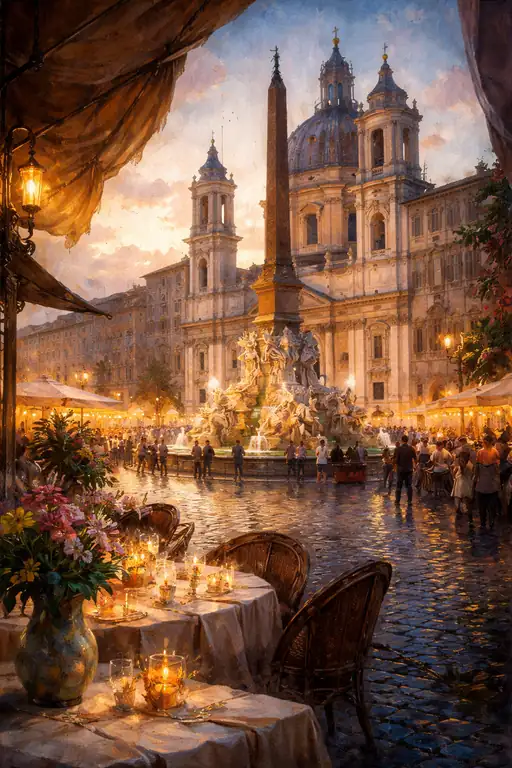 Twilight at Navona
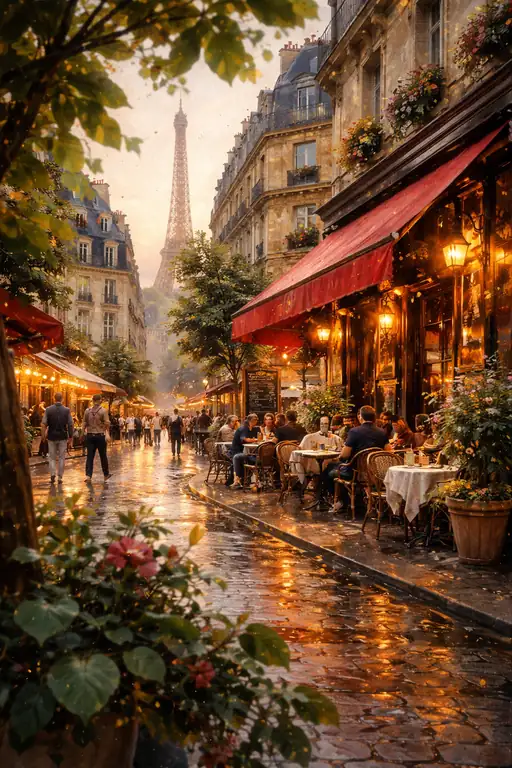 Golden Glimmer of Parisian Rain
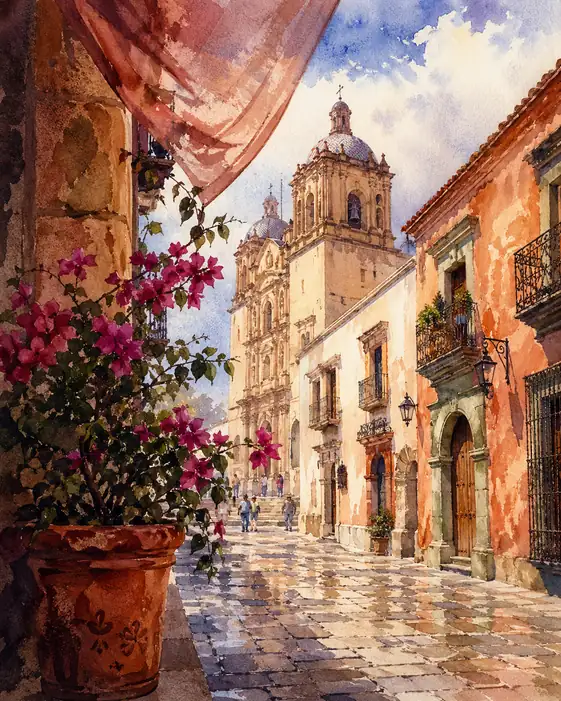 The Radiant Path to the Blue Dome
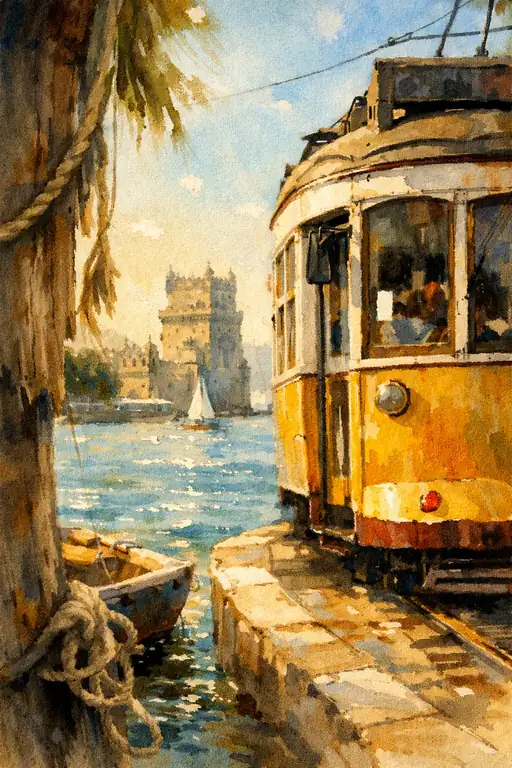 A Sunlit Journey Toward the Tower
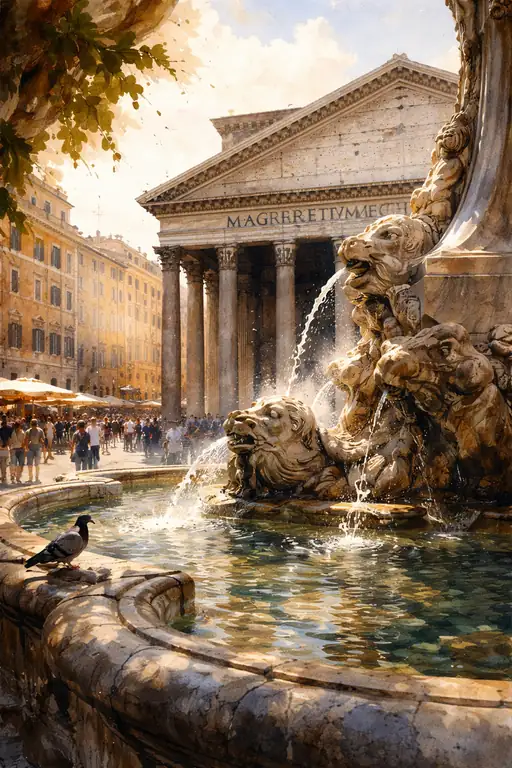 Radiant Continuity at the Pantheon
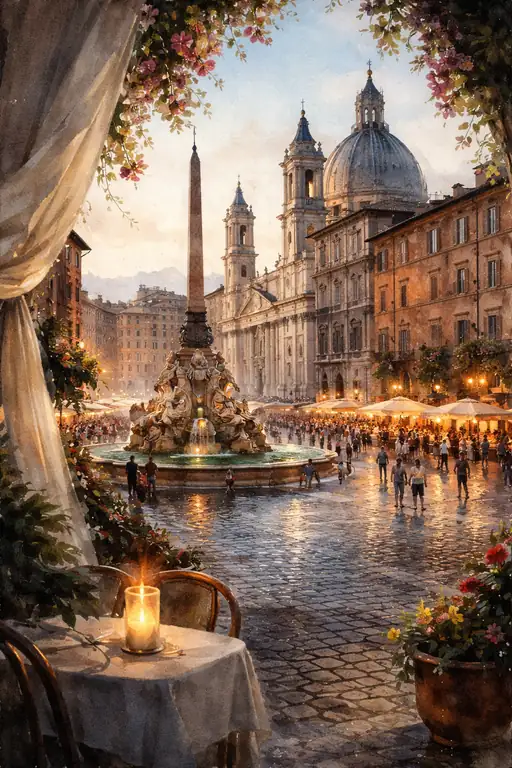 Twilight Gatherings by the Fountain
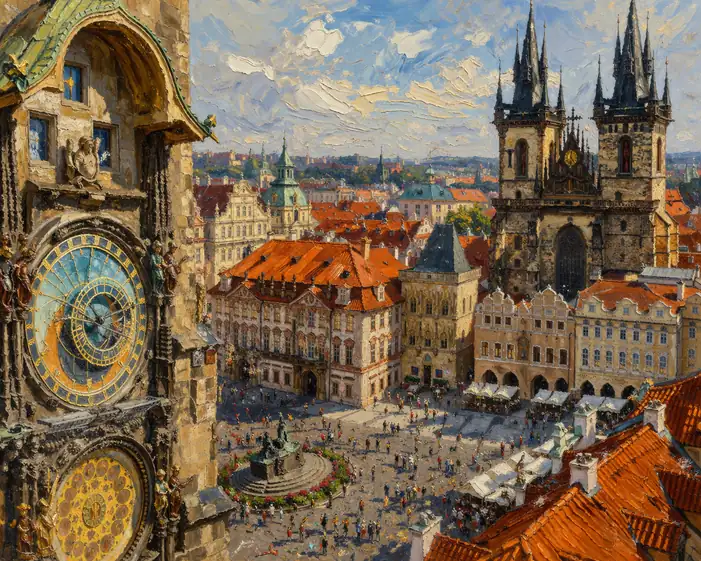 Heartbeat of Old Prague
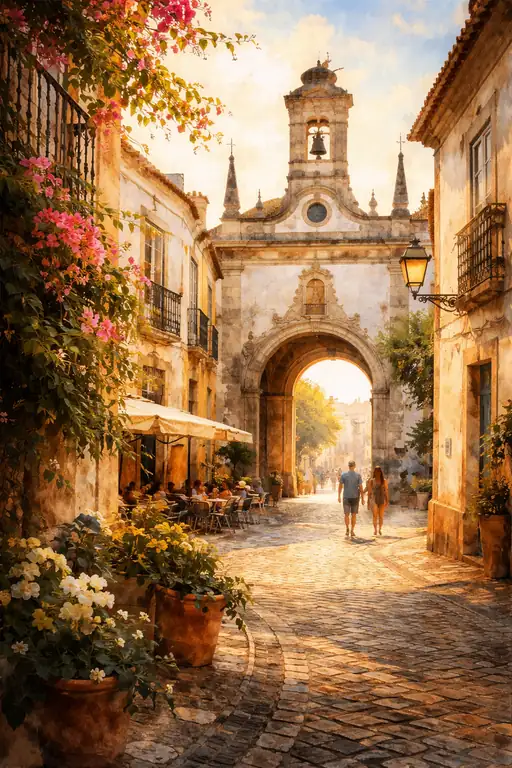 A Mediterranean Dream Beyond the Arch
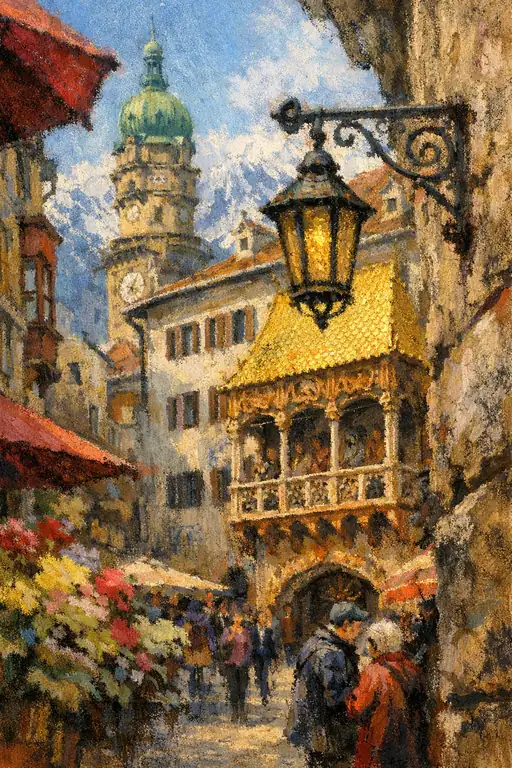 Echoes of Gold Beneath the Peaks