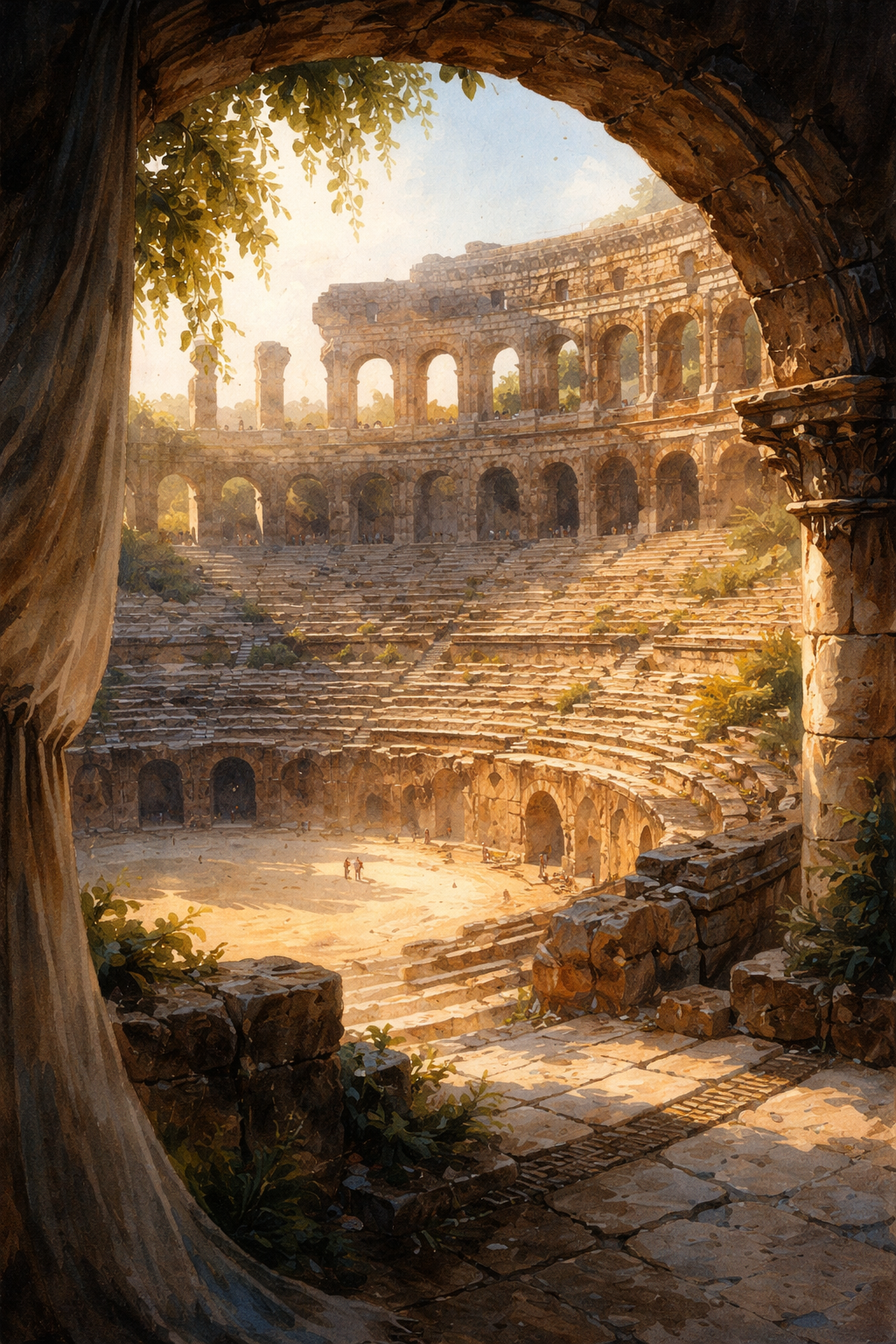
A Glimpse of Past Glories
Critique
1. Introduction This vertical composition offers a breathtaking view of a grand Roman amphitheater, framed by the dark silhouette of an ancient archway. The painting captures the monumental scale and architectural complexity of a structure that once served as the heart of public spectacles. Through a carefully chosen vantage point, the work invites the viewer to experience the awe-inspiring presence of classical history. 2. Description The foreground is characterized by a heavy, draped curtain and the weathered stones of an arch, which act as a framing device. Beyond this threshold, the sun-drenched arena unfolds, revealing the tiered seating and the intricate network of arched galleries that define the amphitheater’s interior. Above the stone walls, vibrant green leaves hang from a tree, adding a touch of natural life to the silent ruins. 3. Analysis The artist employs the "repoussoir" technique to create a profound sense of depth and three-dimensionality. The transition from the cool, shaded interior of the arch to the brilliant golden light of the arena highlights the texture of the masonry and the immense volume of the space. Realistic detail in the worn stone steps and the atmospheric haze in the distance enhance the feeling of historical reality. 4. Interpretation and Evaluation The painting serves as a powerful tribute to the enduring legacy of classical engineering and the cultural significance of the Roman world. The choice to frame the massive structure through a narrow opening emphasizes the individual’s subjective experience of history. The technical proficiency in rendering the complex lighting and the tactile quality of the crumbling stone demonstrates a high level of artistic discipline. 5. Conclusion What begins as a dramatic glimpse into an ancient arena expands into a comprehensive meditation on the passage of time and the grandeur of human achievement. The successful balance between the intimate foreground and the vast architectural landscape creates a compelling visual narrative. It remains a masterful study of light, form, and the silent dignity of one of history’s most iconic landmarks.
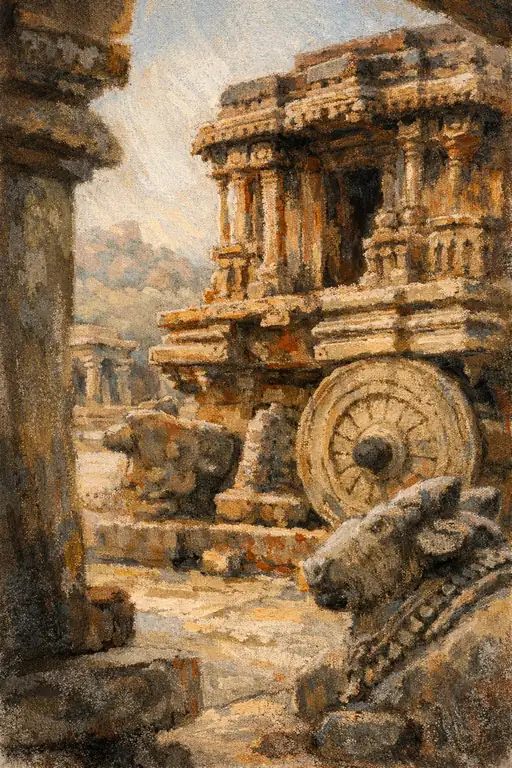 Solitary Descent into the Glowing Mist
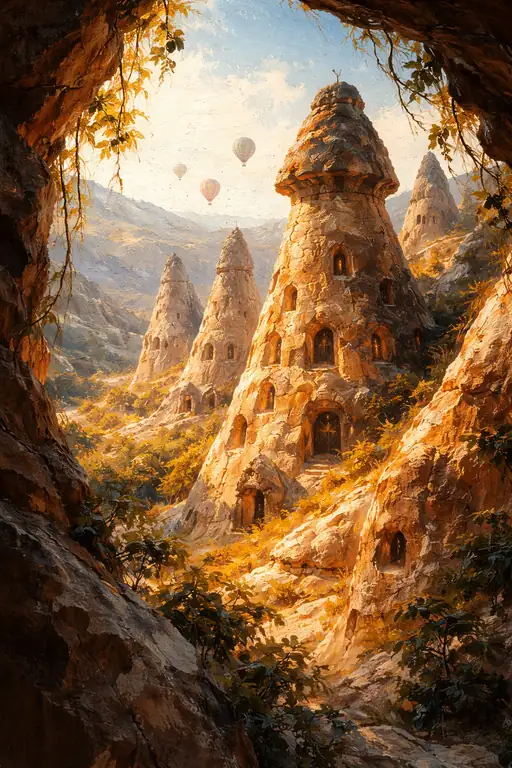 Gaze Upon the Golden Chimneys
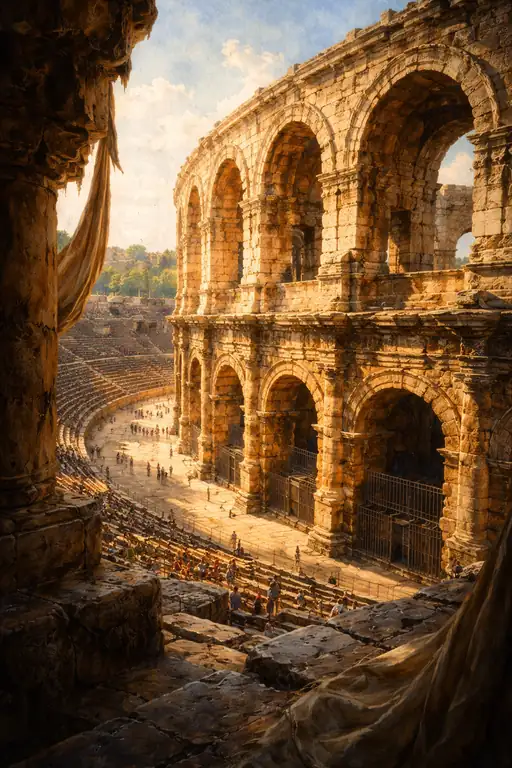 A Glimpse Through Time's Window
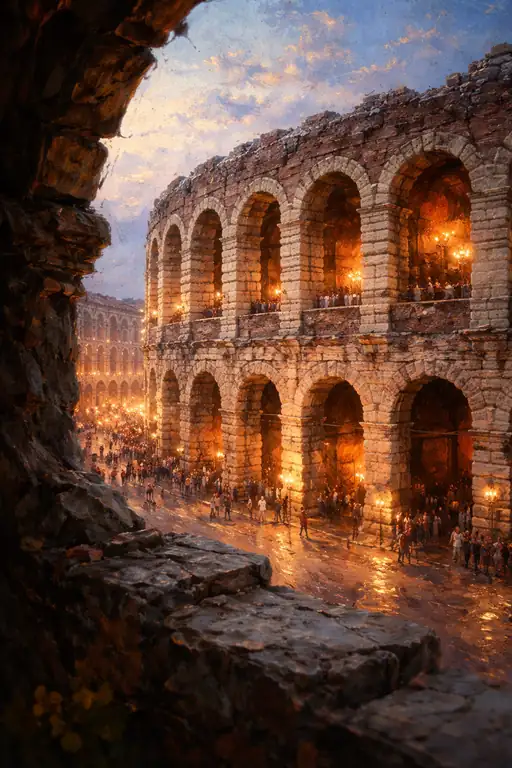 Gathering Under the Twilight Arches
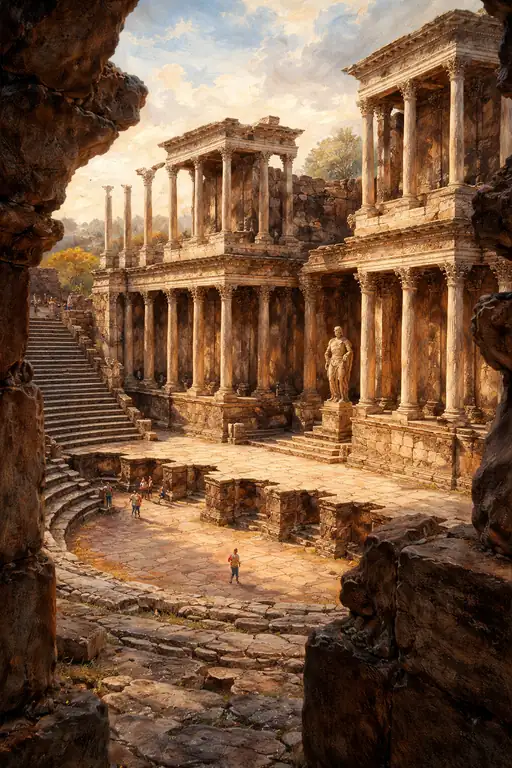 Echoes of Antiquity
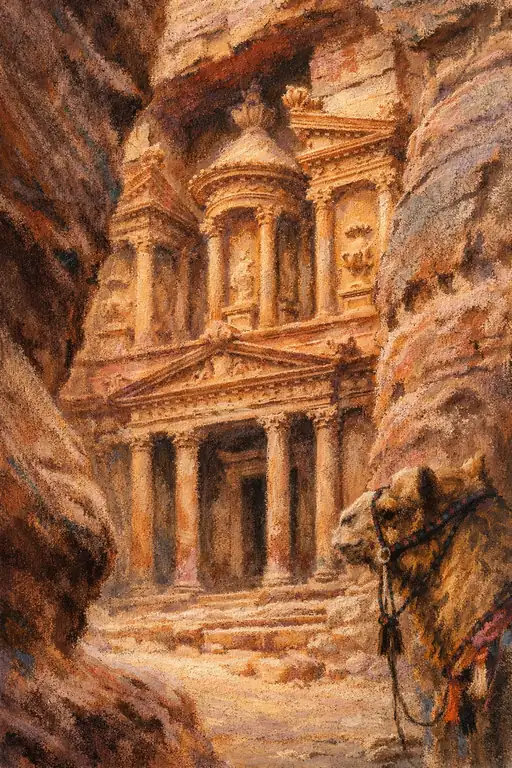 Rose-Red Revelation
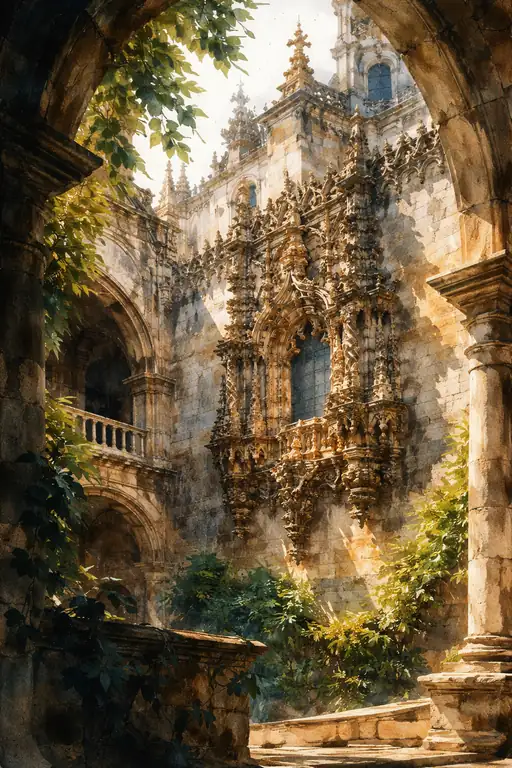 Lace of Stone Kissed by the Sun
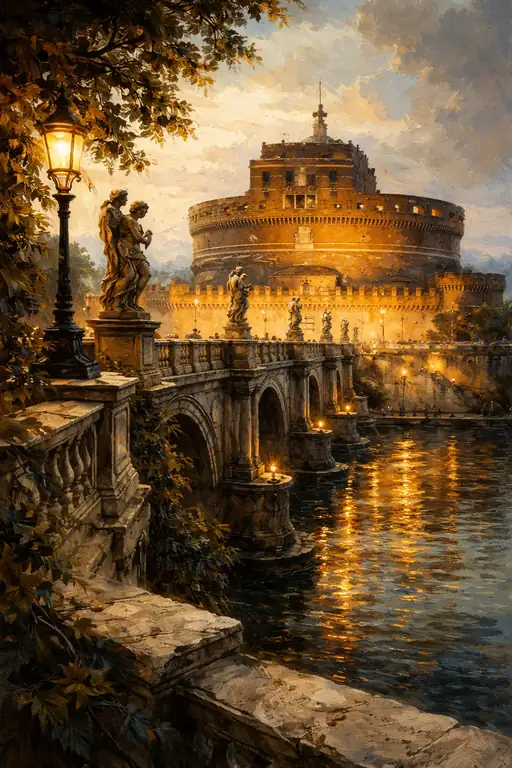 Golden Vigil of the Sant'Angelo
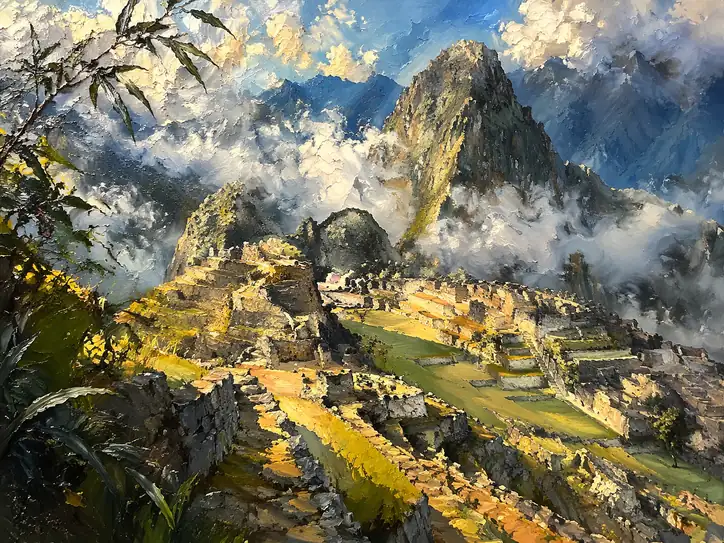 Echoes of the Ancients
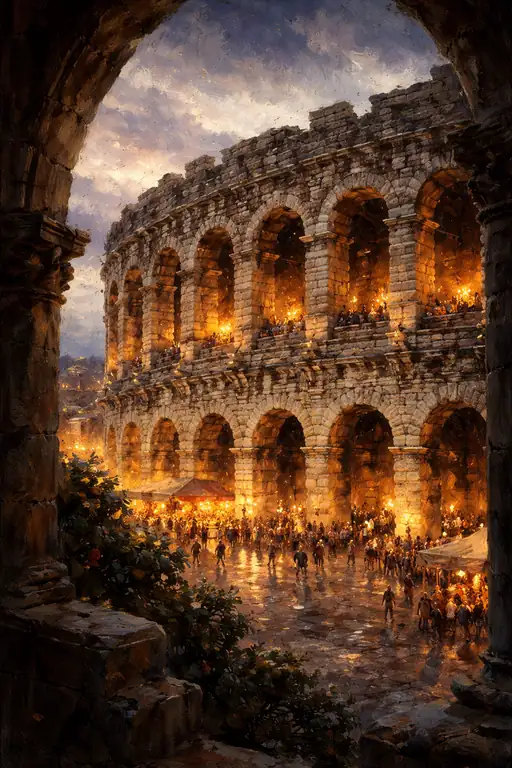 Festive Night at the Colosseum
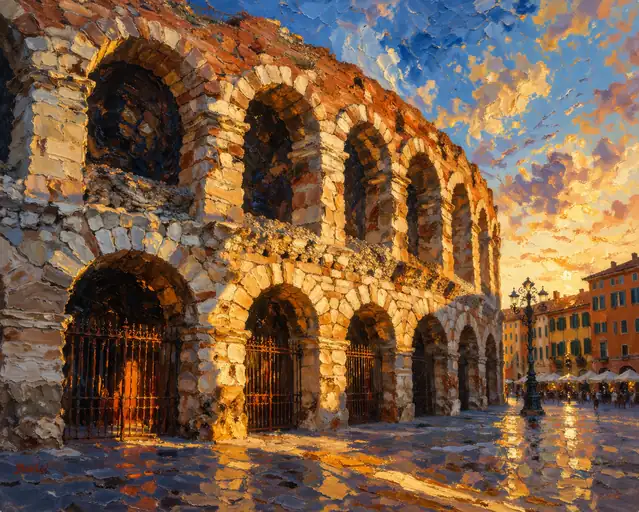 Verona's Arena in Flames
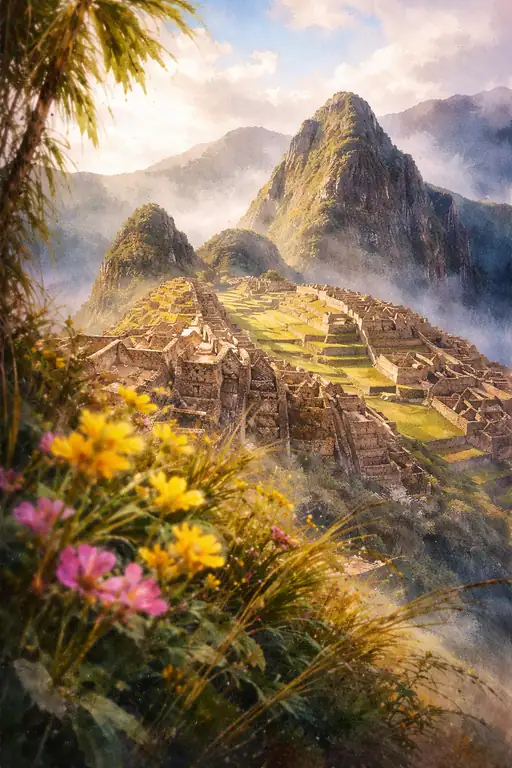 Crown of the Highland Whispers