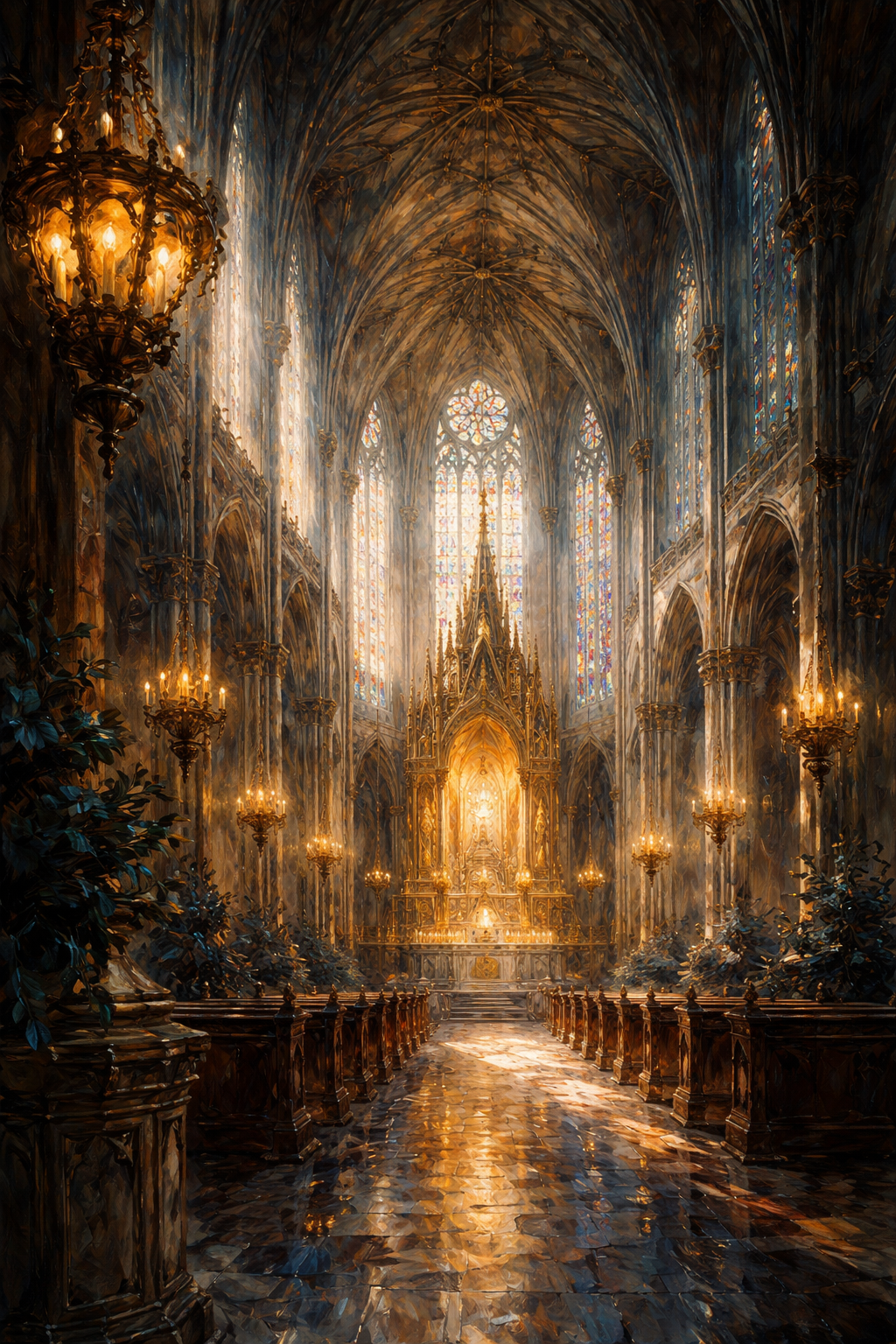
Divine Reflection on the Golden Altar
Critique
1. Introduction This majestic painting captures the awe-inspiring interior of a grand Gothic cathedral, focusing on the resplendent high altar. The work explores the themes of divine light and architectural grandeur, creating a space of overwhelming spiritual intensity. The artist masterfully orchestrates the interplay between complex structural elements and dramatic luminosity to evoke a sense of timeless reverence. Through a blend of meticulous detail and vibrant color, the composition invites the viewer to experience the sublime beauty of a sacred monument. 2. Description The perspective follows a central aisle leading to a towering, gilded altar that radiates a brilliant golden light. Flanking the sanctuary are soaring stone pillars and walls lined with intricate stained-glass windows that filter natural light into colorful fragments. Ornate, heavy chandeliers hang from the vaulted ceiling, their warm orange flames providing additional points of radiance. The polished floor acts as a dark mirror, reflecting the intense glow of the altar and the hanging lanterns. In the foreground, lush green plants flank the entrance to the nave. 3. Analysis The artist utilizes a precise one-point perspective to establish a deep sense of space, guiding the viewer’s eye directly toward the luminous focal point. The color language is defined by a sharp contrast between the radiant yellow of the altar and the cool, atmospheric shadows within the vaulted ceiling. Texture is conveyed through rhythmic brushstrokes that capture the reflective nature of the flooring and the transparency of the glass. The symmetrical balance of the architecture provides a stable framework for the dynamic, almost shimmering quality of the light. 4. Interpretation and Evaluation This work interprets light not merely as a physical property but as a symbol of spiritual enlightenment and hope. The synthesis of human craftsmanship in the altar and the transcendent light coming through the windows suggests a bridge between the earthly and the divine. Technically, the painting is exceptional for its compositional control and ability to render complex luminosity across various surfaces. The creative use of reflections on the floor enhances the verticality of the scene, making it a highly original and successful execution of cathedral themes. 5. Conclusion While the initial impact is one of sheer visual splendor, a sustained engagement reveals a profound understanding of architectural form and atmospheric physics. The transition from the tangible, dark pews to the intangible, brilliant sanctuary creates a compelling narrative of spiritual ascent. Ultimately, the painting succeeds in transforming a quiet interior into a vibrant manifestation of faith and beauty. This work leaves the viewer with a sense of majestic tranquility and a renewed appreciation for the power of light in art.
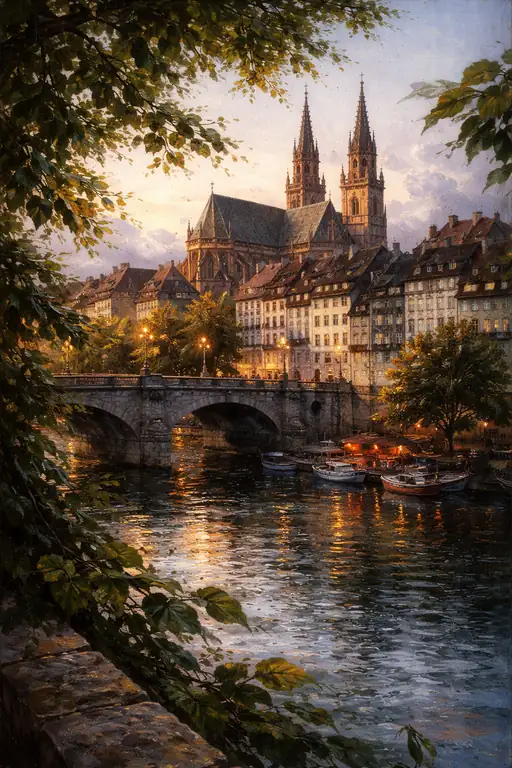 Cathedral's Lullaby in the Dusk
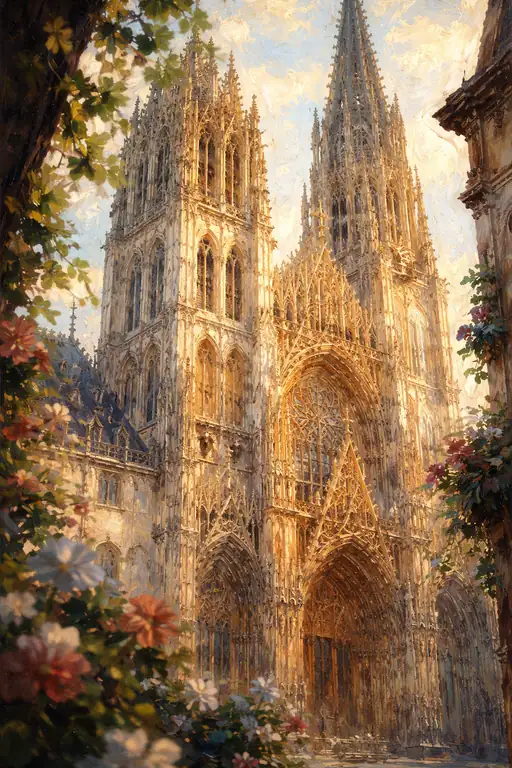 Luminous Splendor of the Gothic Facade
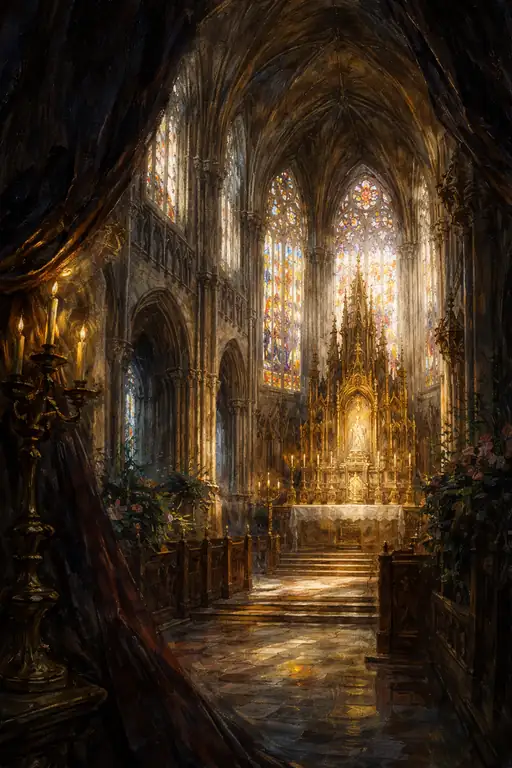 Divine Light in the Hallowed Halls
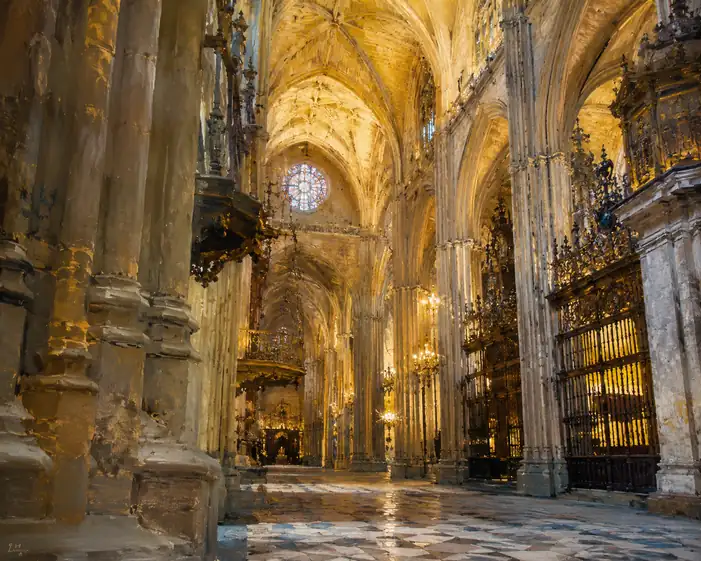 The Golden Hymn of Stone
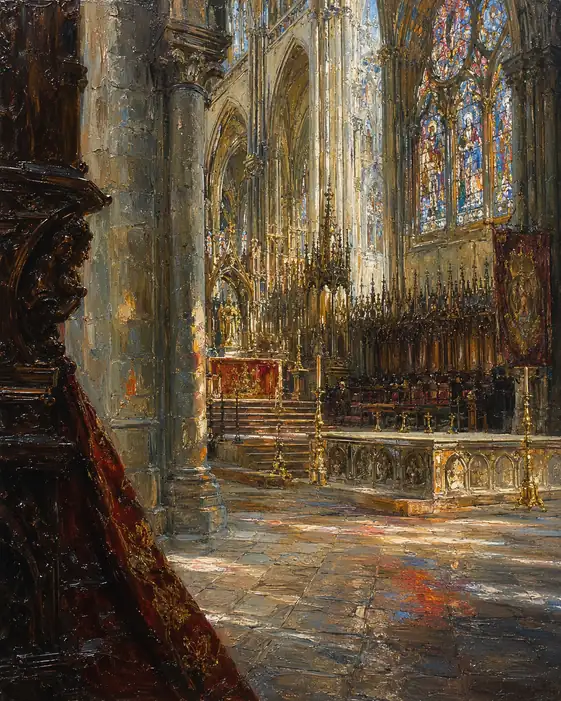 Symphony of Silent Praise
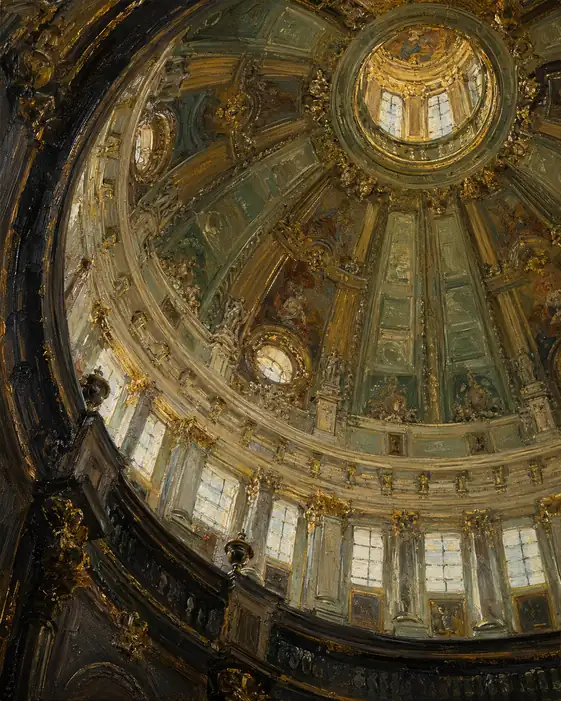 The Swirling Prayer of Baroque
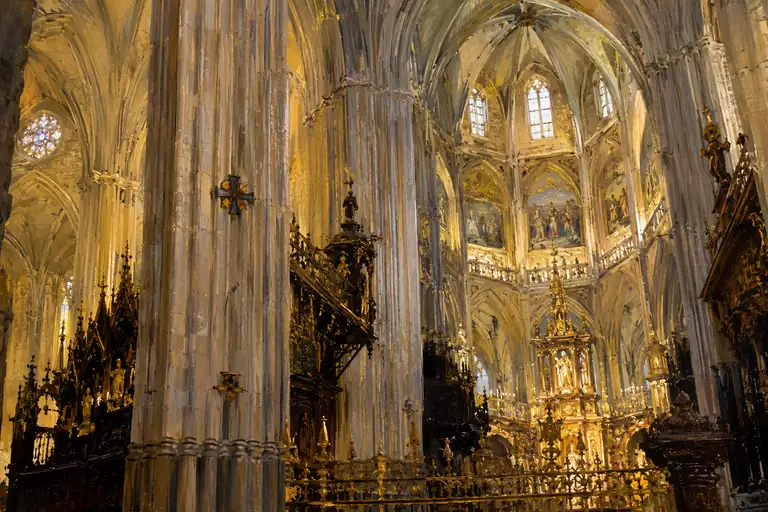 The Pillar of Silent Devotion
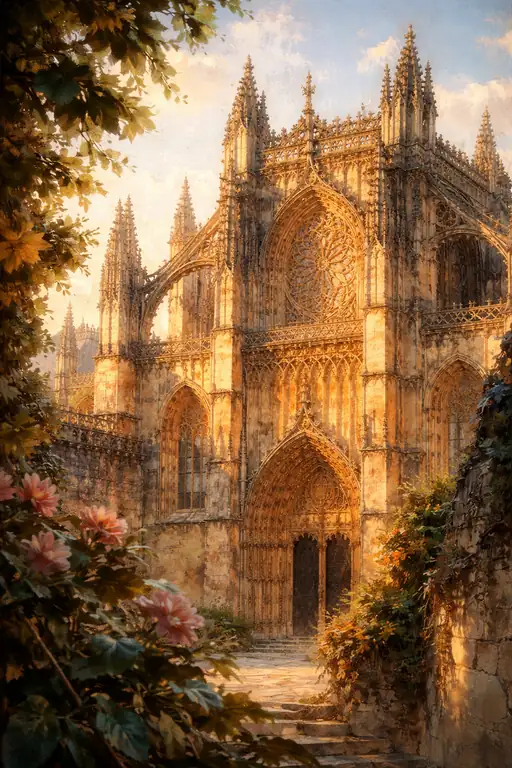 Grace in the Golden Hour
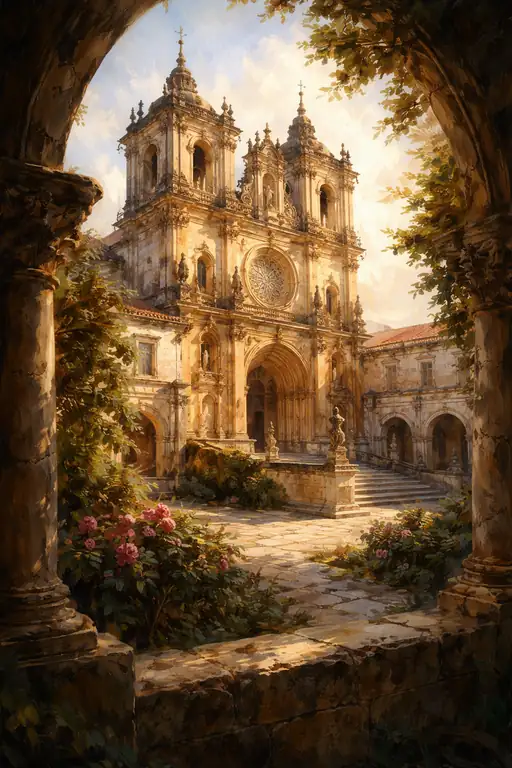 The Floral Portal to the Sacred Realm
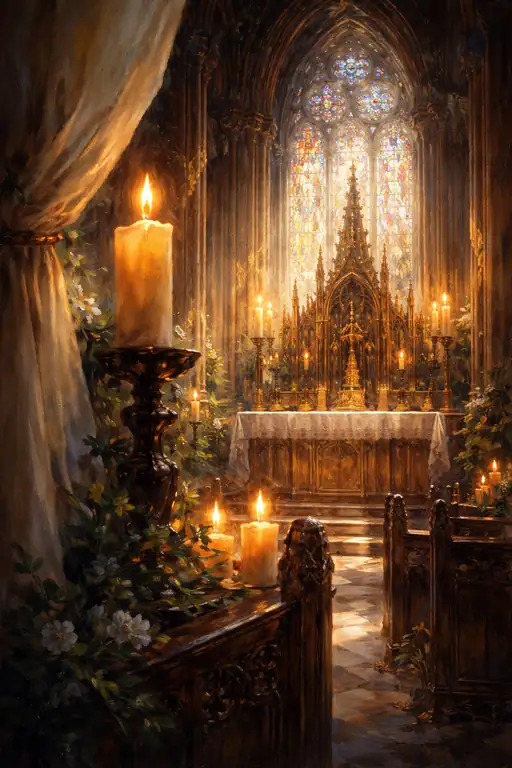 Towering Elegance
 Carpet of Sacred Prisms
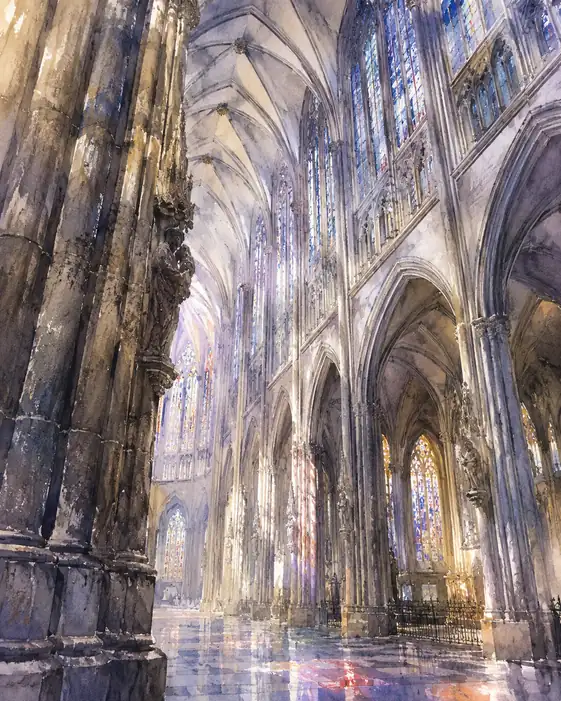 Light's Sanctuary on Cold Stone