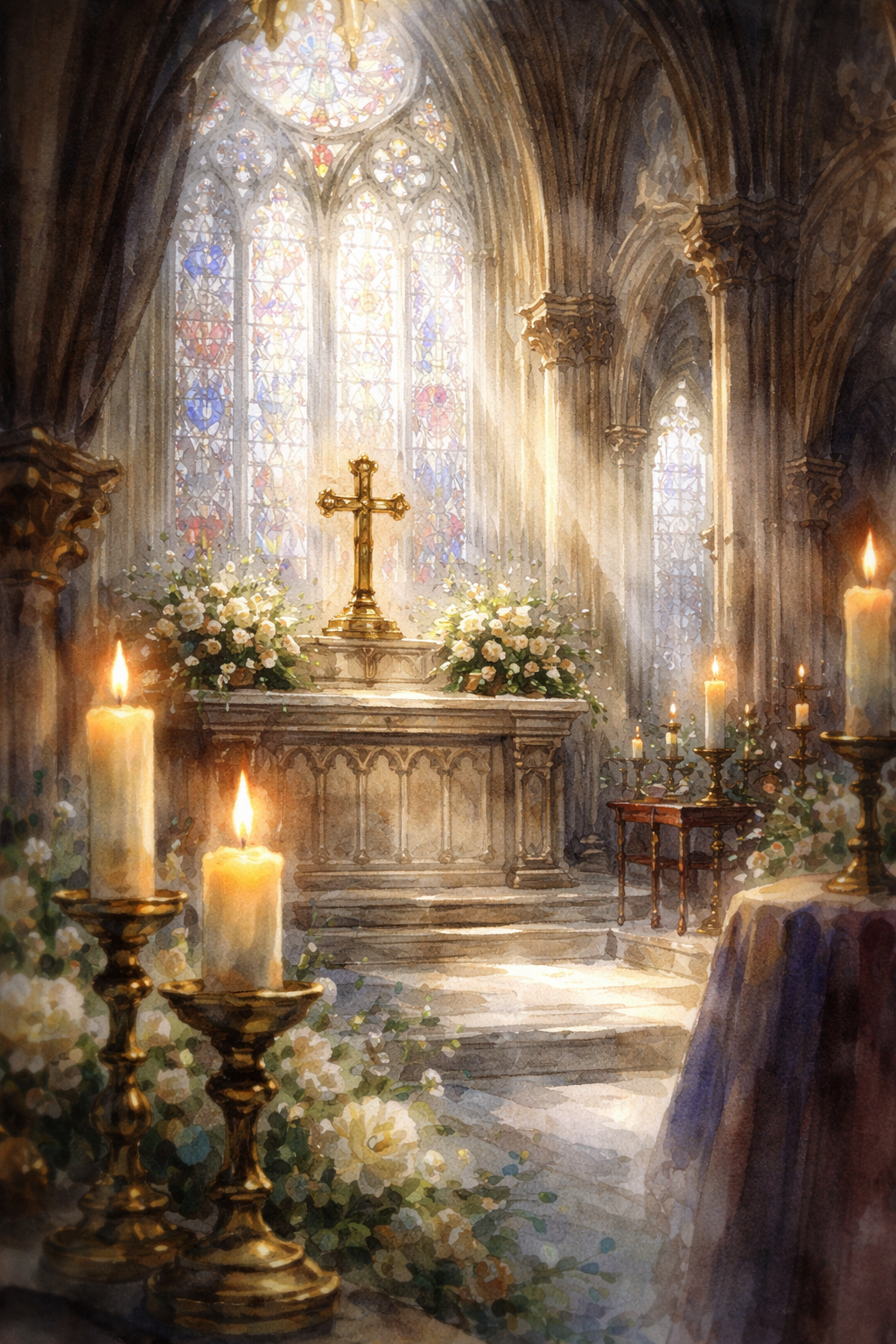
Illumination of the Gothic Rose
Critique
1. Introduction The work captures a luminous and celebratory scene within a church sanctuary, focusing on a beautifully adorned altar rendered in a delicate watercolor style. It presents a space filled with holy radiance and floral abundance, evoking a sense of spiritual purity and profound inner peace. The vertical lines of the Gothic architecture are softened by the diffusion of light, creating an environment that feels both grounded and ethereal. The initial impression is one of overwhelming clarity and grace, as if the air itself is shimmering with blessings. 2. Description An ornate gold cross sits at the heart of the altar, flanked by dense clusters of white flowers. Behind it, a magnificent stained-glass window filters daylight into distinct beams that cut through the atmospheric haze. In the foreground, heavy brass candlesticks hold thick candles with warm, flickering flames that cast a soft glow on the surrounding flowers and stone steps. The environment is lush with white blossoms, suggesting an occasion of great significance, while the architectural details recede into the bright, sun-drenched background. 3. Analysis The color palette is characterized by soft neutrals—beiges, creams, and ivories—interspersed with the brilliant highlights of the gold cross and the warm accents of the candlelight. The use of transparent watercolor washes allows the brightness of the surface to shine through, enhancing the sense of divinity and cleanliness. The composition is largely symmetrical, framed by the foreground candles to focus attention on the central cross. The interplay between the cool daylight from the window and the warm light from the candles generates a rich tonal contrast that gives the scene tactile depth. 4. Interpretation and Evaluation This piece can be interpreted as a visual manifestation of prayer and the presence of the divine, using light as a primary metaphor for spiritual intervention. The artist displays significant skill in capturing the fleeting quality of light and the fragile texture of petals, creating a sensory-rich experience that transcends simple representation. By choosing a watercolor medium for a traditionally heavy subject, the artist successfully imparts a sense of lightness and contemporary freshness to a timeless theme, which is a commendable achievement. 5. Conclusion Upon further examination, the altar is revealed not merely as a physical object but as a focal point for hope and human emotion. The beams of light passing through the stained glass seem to validate the sacred nature of the space, turning a quiet moment into a profound spiritual event. Ultimately, the work stands as a testament to the beauty of faith and the power of light to transform the mundane into the sacred, leaving a lasting impression of tranquility on the viewer.
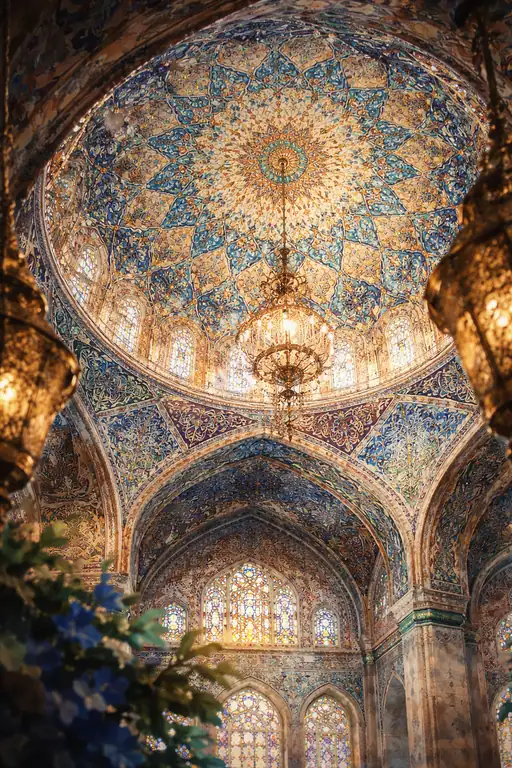 Symphony of the Golden Mosaic
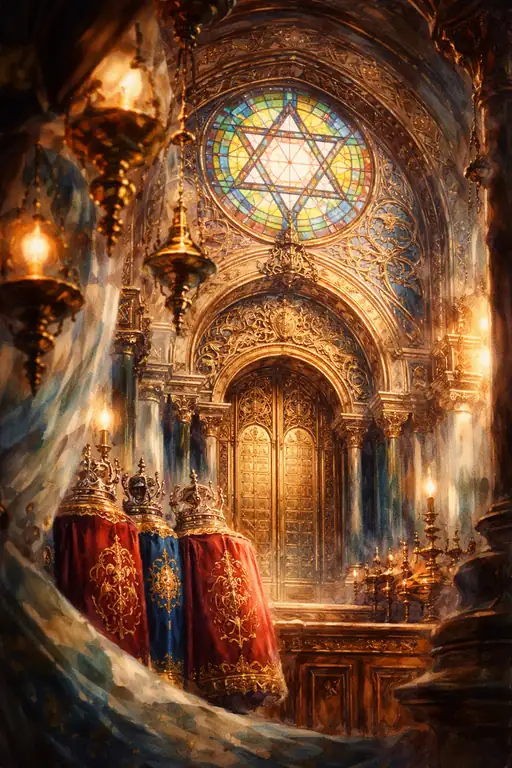 Golden Radiance of the Sacred Scrolls
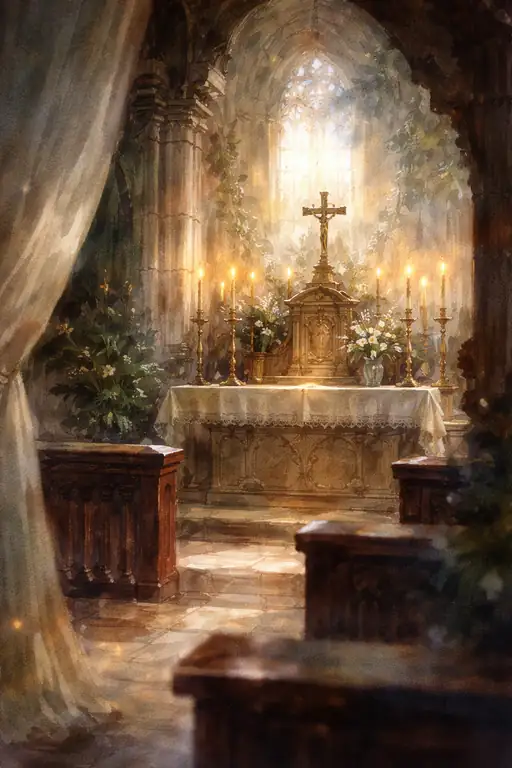 Sunlight Devotion in the Cathedral
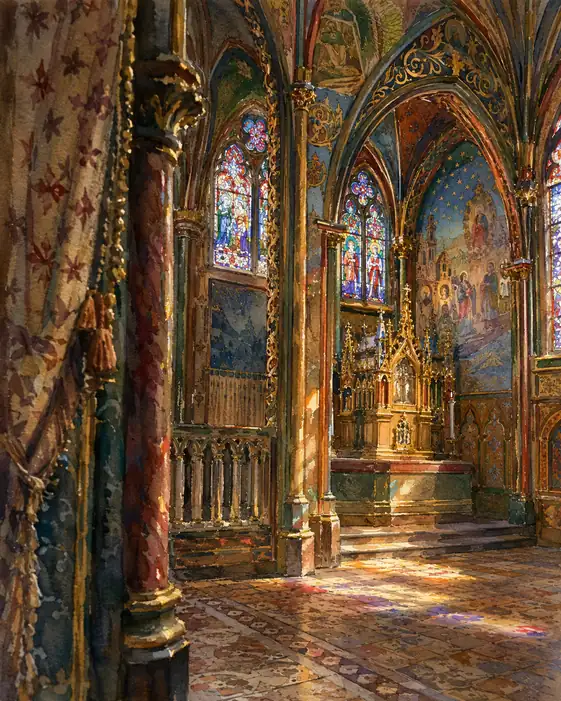 Silent Dance of Light
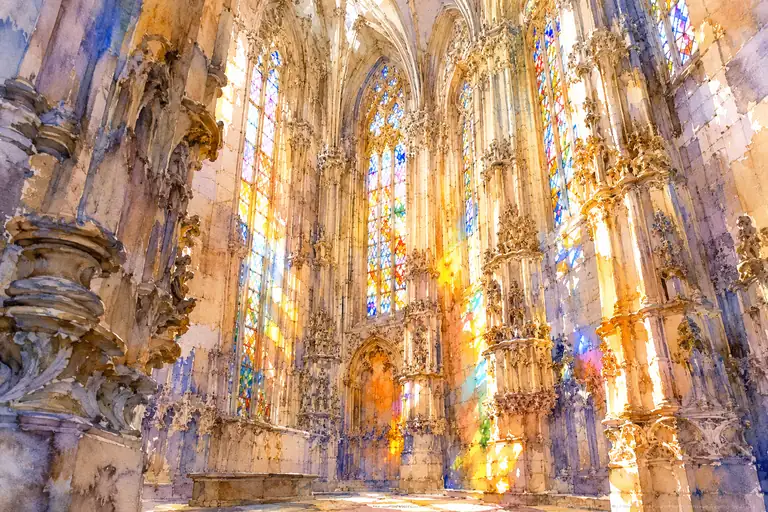 Shower of Heavenly Grace
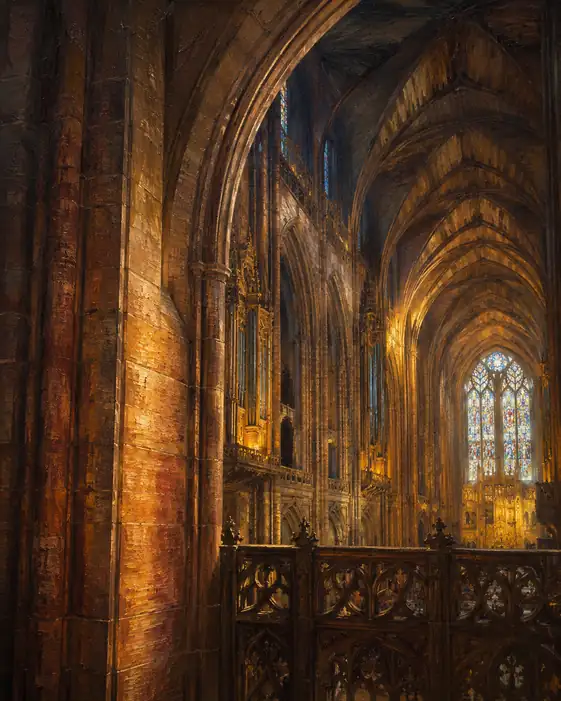 Amber Silence
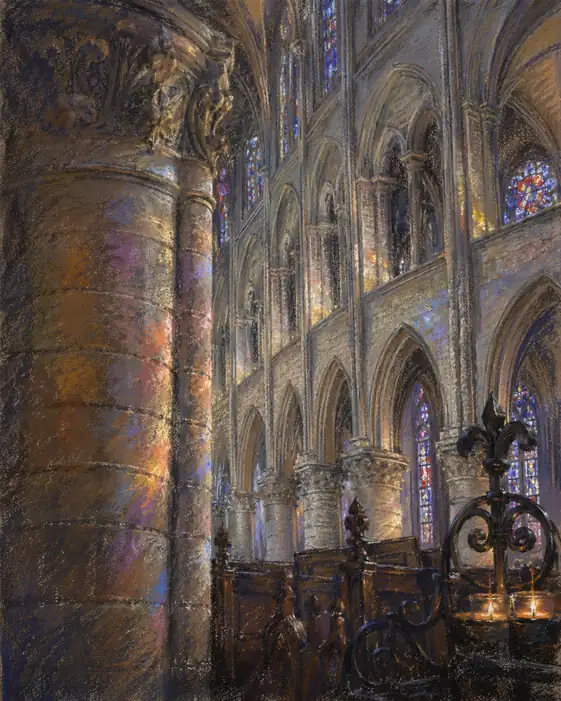 The Flame of Silent Prayer
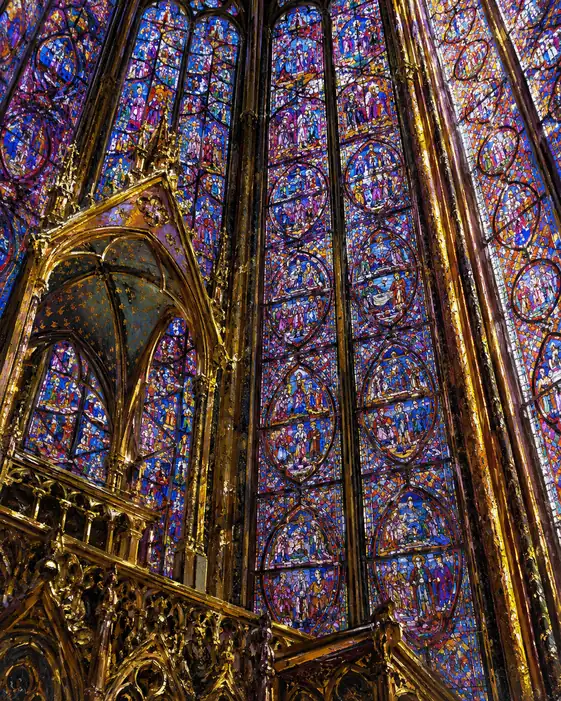 The Prism of Heaven
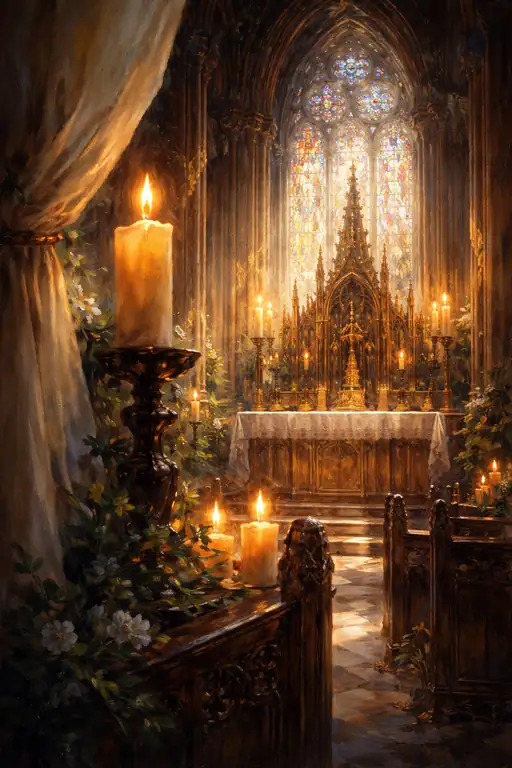 Towering Elegance
 Carpet of Sacred Prisms
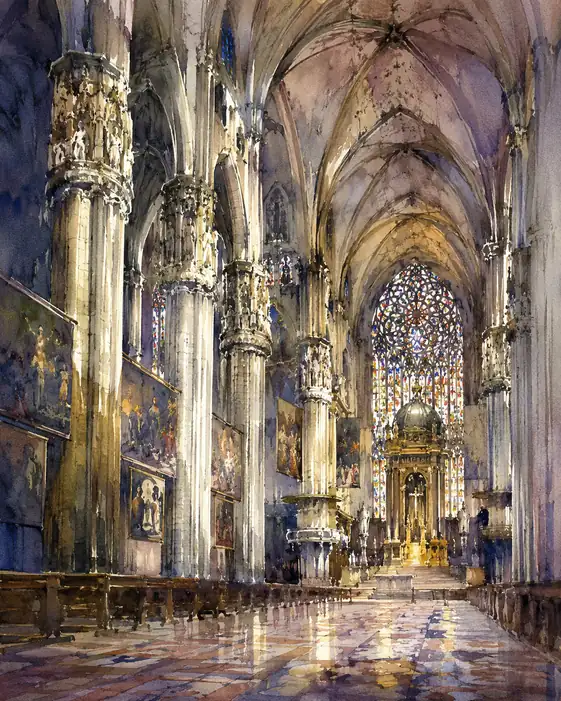 Reflections of Eternal Grace
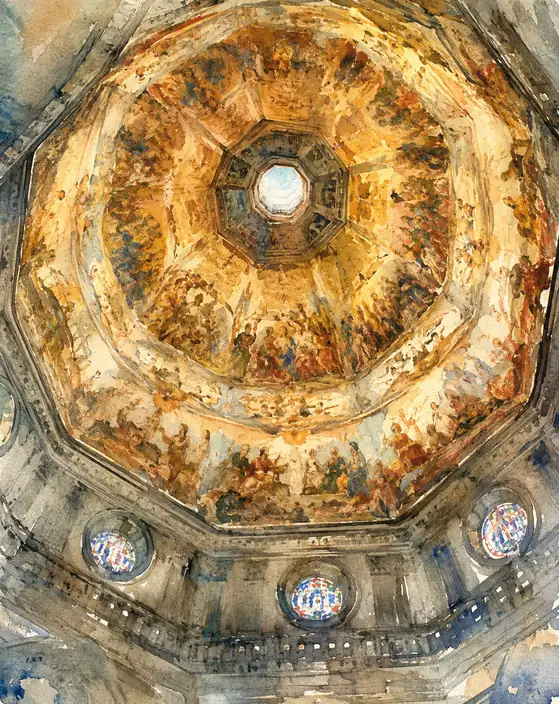 Weathered Whispers of the Dome