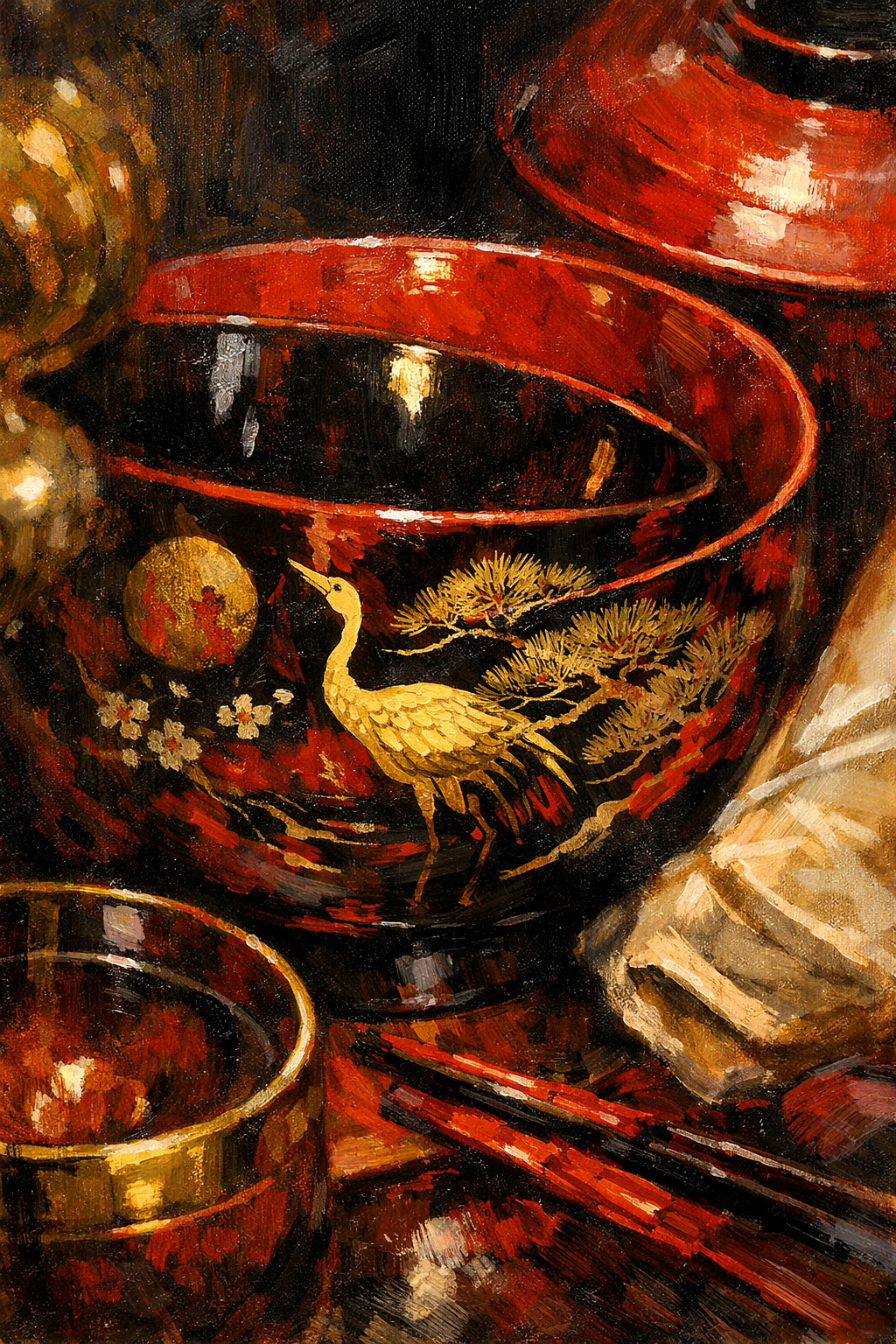
Golden Grace of the Crane's Flight
Critique
1. Introduction This still life painting explores the refined beauty of traditional Japanese lacquerware, focusing on objects that embody cultural elegance. At the center of the composition sits a large bowl adorned with a golden crane, serving as a focal point that draws the viewer into a world of exquisite craftsmanship. The artist captures these items with a sophisticated palette and a dynamic use of light. 2. Description The main subject is a deep red and black lacquer bowl decorated with intricate maki-e-style gold patterns of a crane, a pine tree, and cherry blossoms. A smaller bowl is nested within it, while a set of red chopsticks and a sake cup are arranged in the foreground. To the right, a folded white cloth provides a neutral counterpoint to the vibrant vermilion and deep black tones. 3. Analysis The artist employs a bold impasto technique, using thick brushstrokes to define the forms and textures of the glossy surfaces. A strong directional light source from the upper left creates sharp highlights across the rims of the bowls, successfully mimicking the reflective quality of polished lacquer. The dense, vertical composition gives the arrangement a sense of weight and importance. 4. Interpretation and Evaluation By applying Western painterly techniques to Eastern artistic motifs, the work creates a fascinating dialogue between different traditions. The use of gold leaf-like highlights against the dark background imparts a sense of luxury and timelessness to the objects. The execution demonstrates high technical skill in balancing vivid color with the subtle nuances of shadow and reflection. 5. Conclusion While the subject matter is rooted in traditional design, the vigorous application of paint gives the piece a distinctly modern energy. Ultimately, the painting transcends a simple depiction of objects to become a profound meditation on texture and light. It is a masterful interpretation of aesthetic objects through a refined artistic lens.
 Dancing Ripples in the Sunlit Garden: A Koi's Peaceful Journey
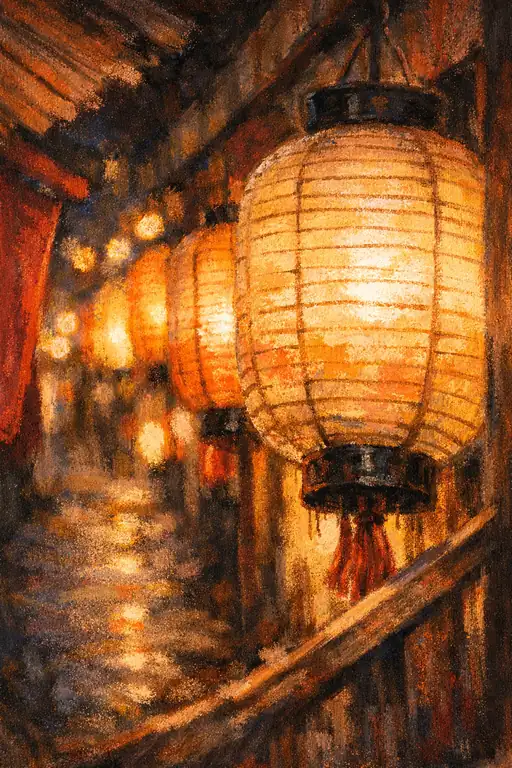 Warm Glowing Alley Paper Lantern
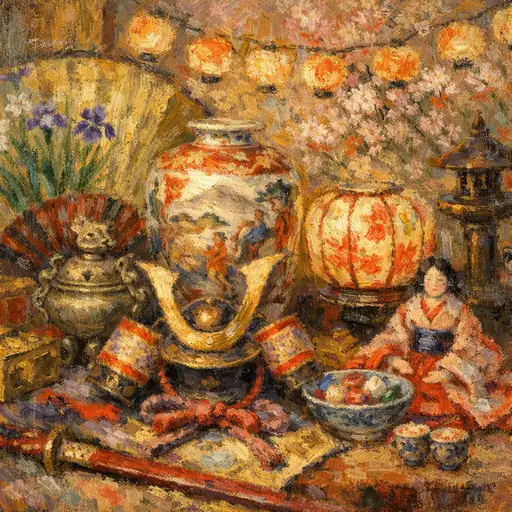 Memories in the Lantern Light
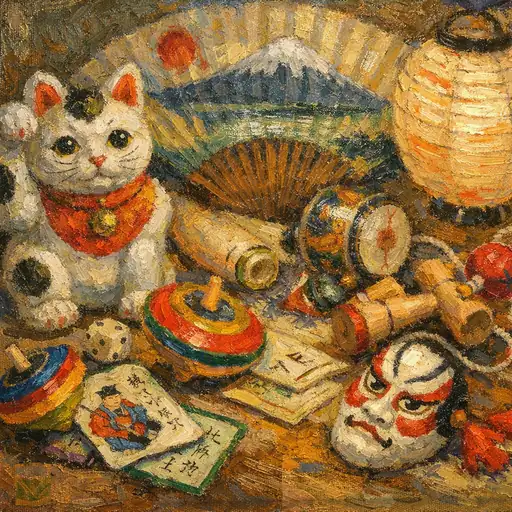 Echoes of Playtime Past
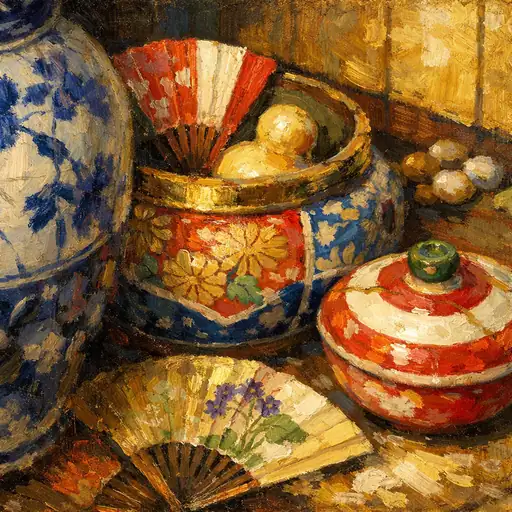 Whispers of Antiquity
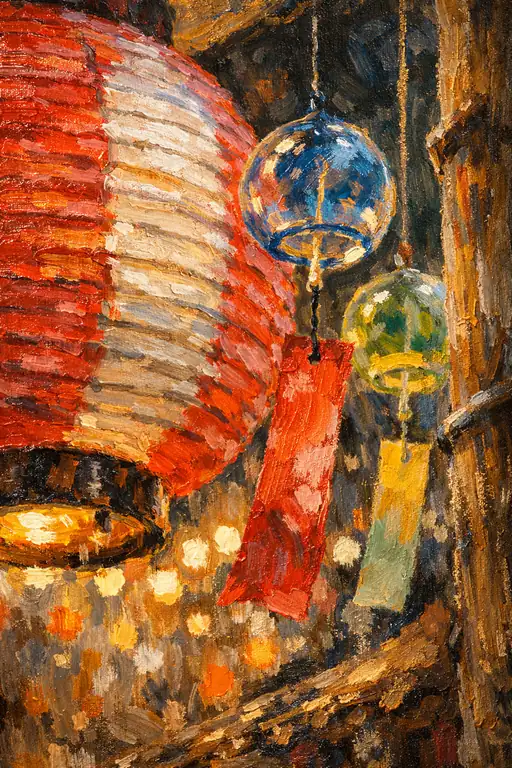 Whispers of the Golden Sun
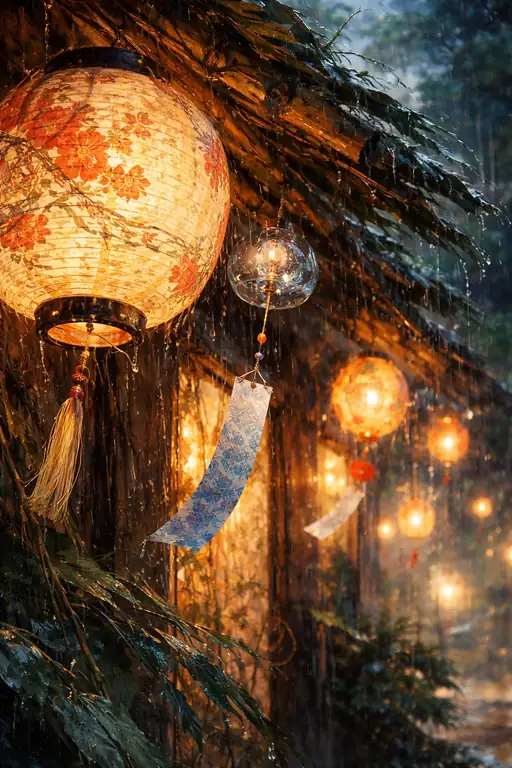
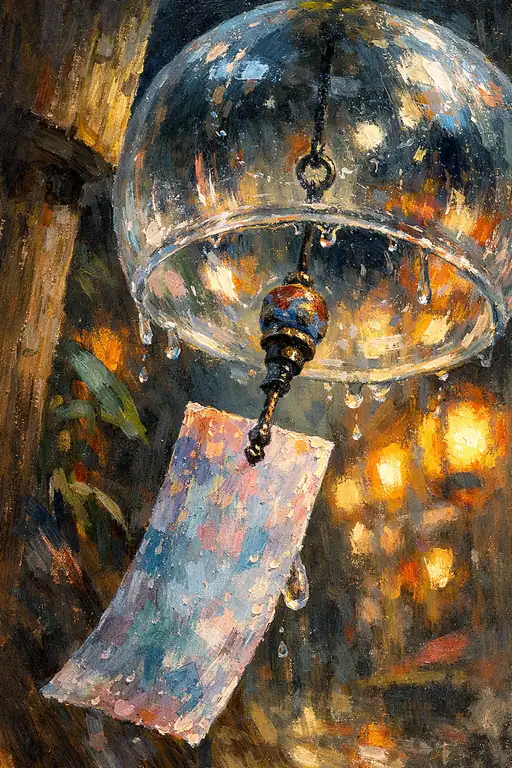 Raindrop on a Traditional Glass Wind Chime
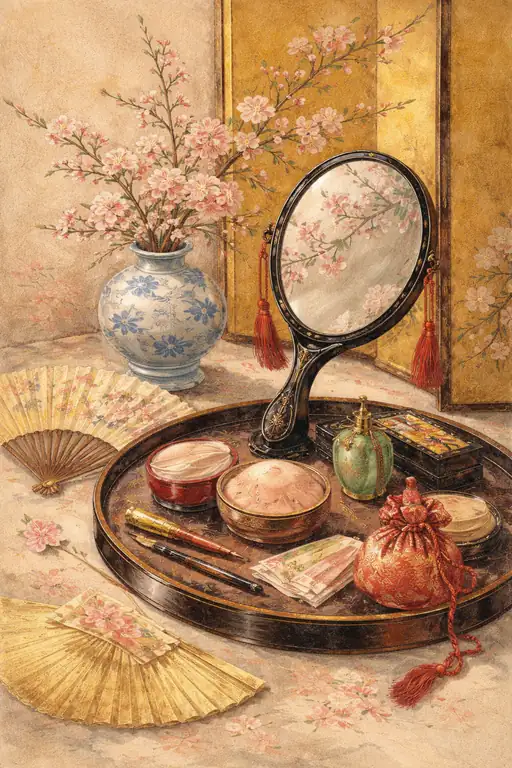 Spring's Eternal Reflection
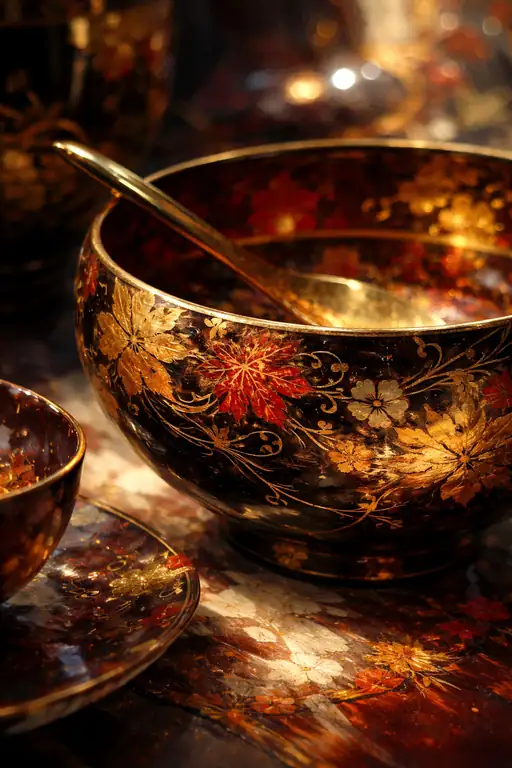 The Golden Glow of Autumn's Legacy
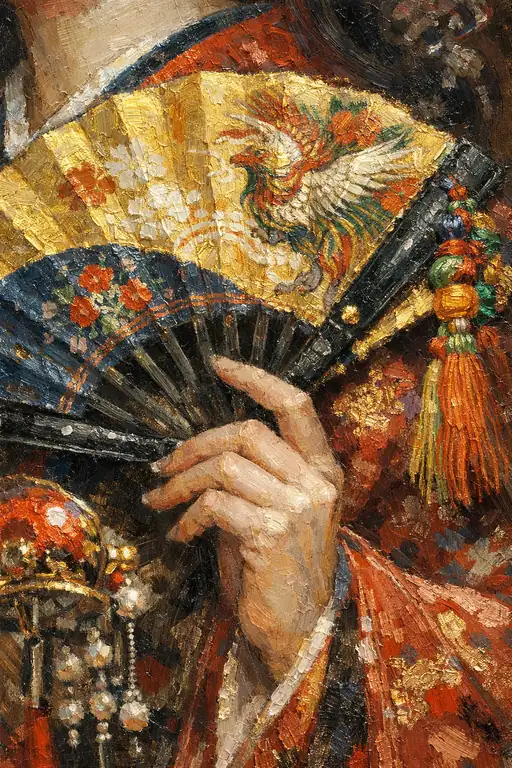 Dance of the Crimson Phoenix
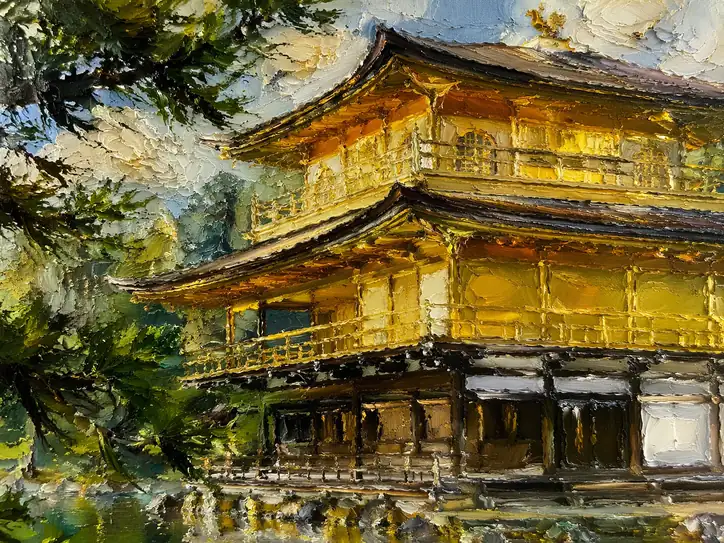 A Touch of Gold