Shadows on the Score
Critique
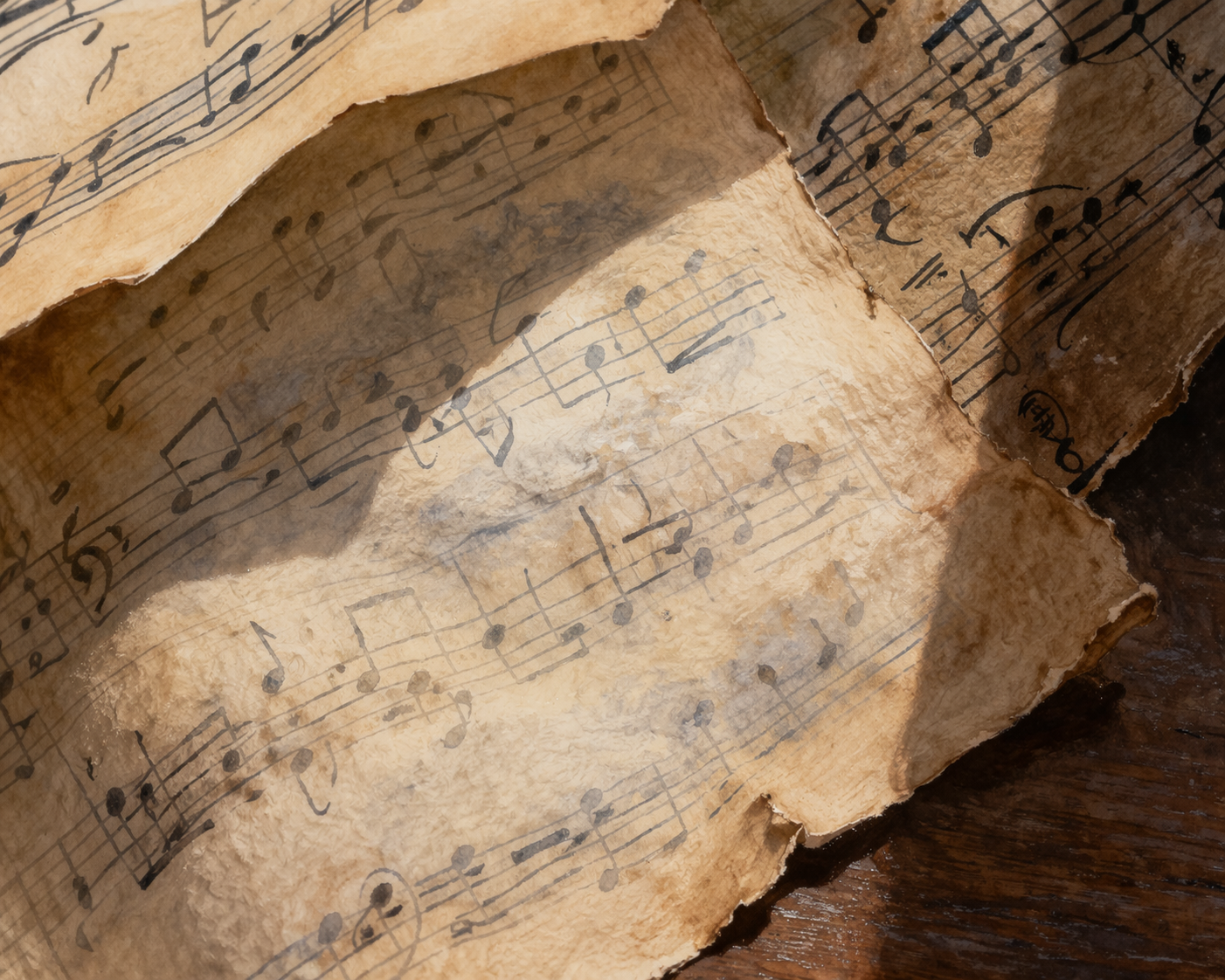
1. Introduction The visual presentation showcases aged sheet music resting quietly on a textured wooden surface. Dynamic shadows cast across the crinkled pages create a captivating interplay of light and dark. This arrangement invites contemplation of musical history and the enduring nature of written melodies. 2. Description Several layered sheets of parchment dominate the frame, covered in classical musical notation. The paper displays a weathered appearance, featuring uneven edges and a warm sepia tone indicative of significant aging. Deep diagonal shadows intersect the pages, contrasting sharply with the illuminated sections. The underlying wooden texture provides a solid foundation for the fragile documents. 3. Analysis The diagonal lines of both the shadows and overlapping papers generate a compelling sense of movement across the static scene. High contrast between sunlit areas and dark shadows adds dramatic depth, emphasizing the tactile quality of the crinkled parchment. The irregular edges of the paper break the rigid structure of the musical staves. These elements combine to form a visually striking and structurally balanced composition. 4. Interpretation and Evaluation This piece beautifully conveys a sense of nostalgia, suggesting a rich history embedded within the silent notes. The juxtaposition of delicate paper against the sturdy wooden table highlights the resilience of cultural memory over time. It effectively evokes an appreciation for classical traditions and the tactile beauty of historical relics. The execution balances dramatic lighting with intricate details, resulting in a profoundly engaging experience. 5. Conclusion The visual work successfully transforms antique musical scores into a compelling study of texture and illumination. Through careful arrangement and dynamic lighting, the scene acquires a poetic quality that transcends its simple components. The final aesthetic result remains deeply evocative and visually rewarding for the observer.
 Resonance of the Past
 Letters of Time
 Echoes Beneath the Crimson Seal
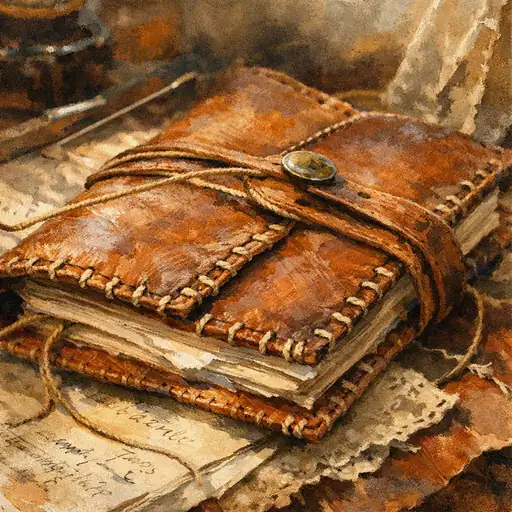 Tales Bound in Worn Leather
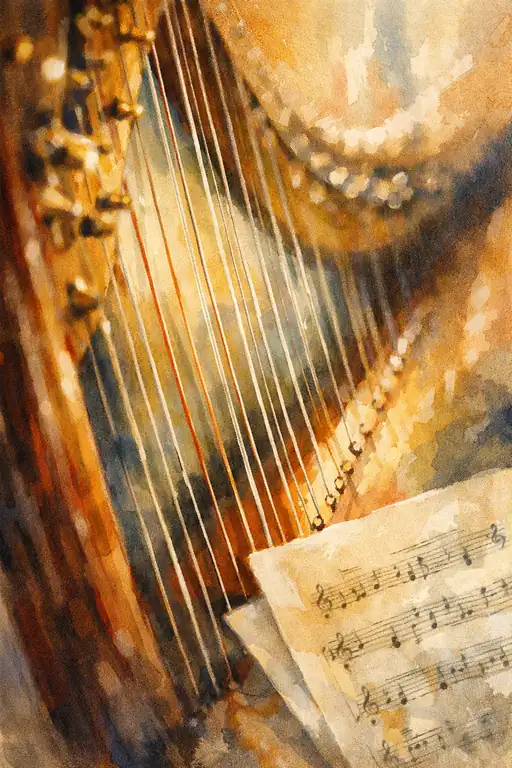 Golden Strings of Harmony
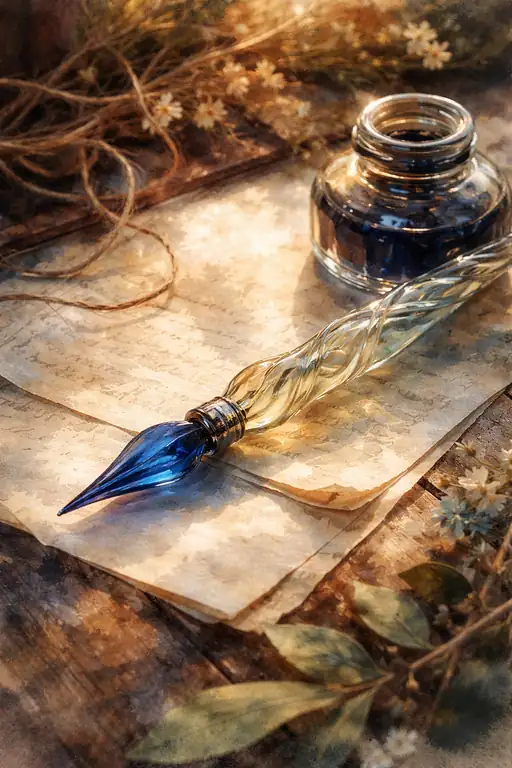 Azure Ink: Memories in Glass
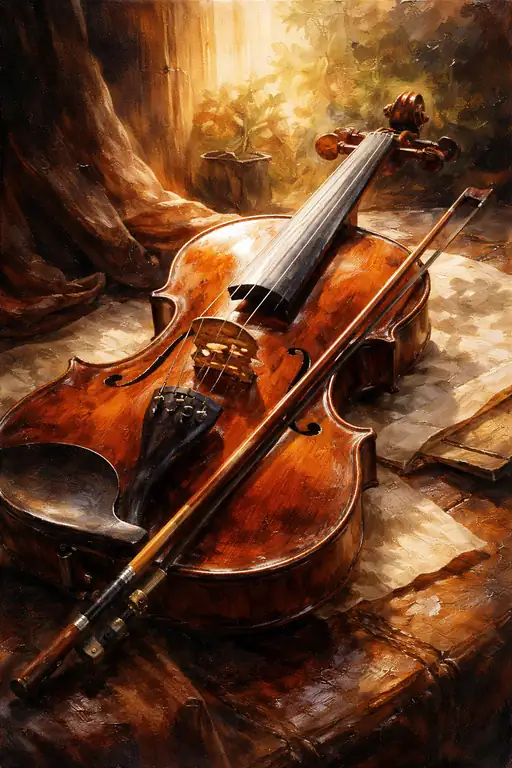 The Silent Potential of Strings
 Melody of the Fragmented Soul
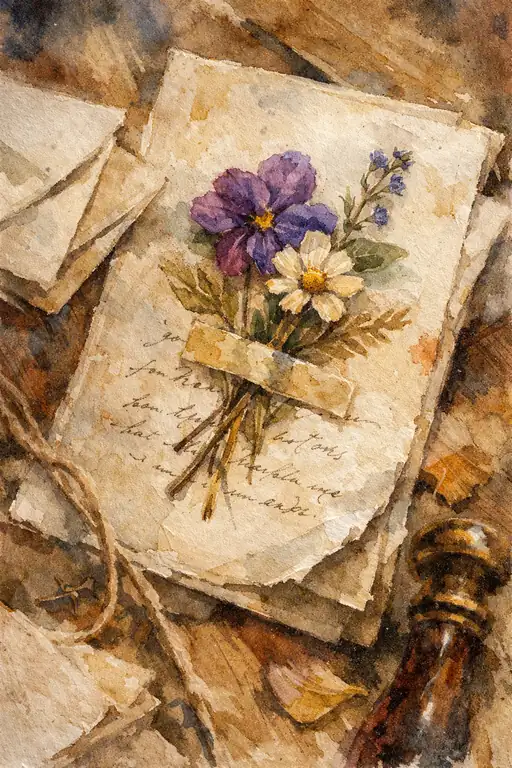 Echoes of Yesteryear
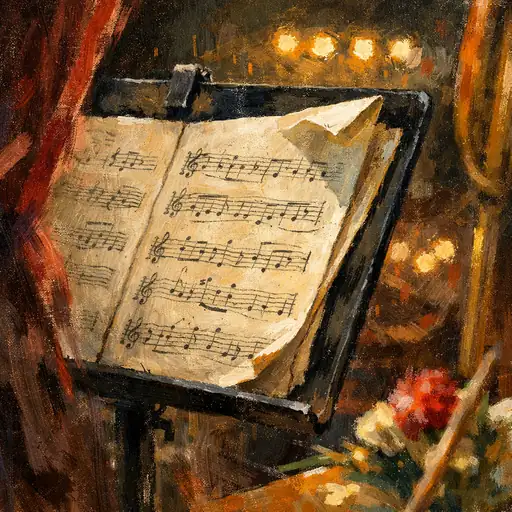 The Silence Before the Symphony