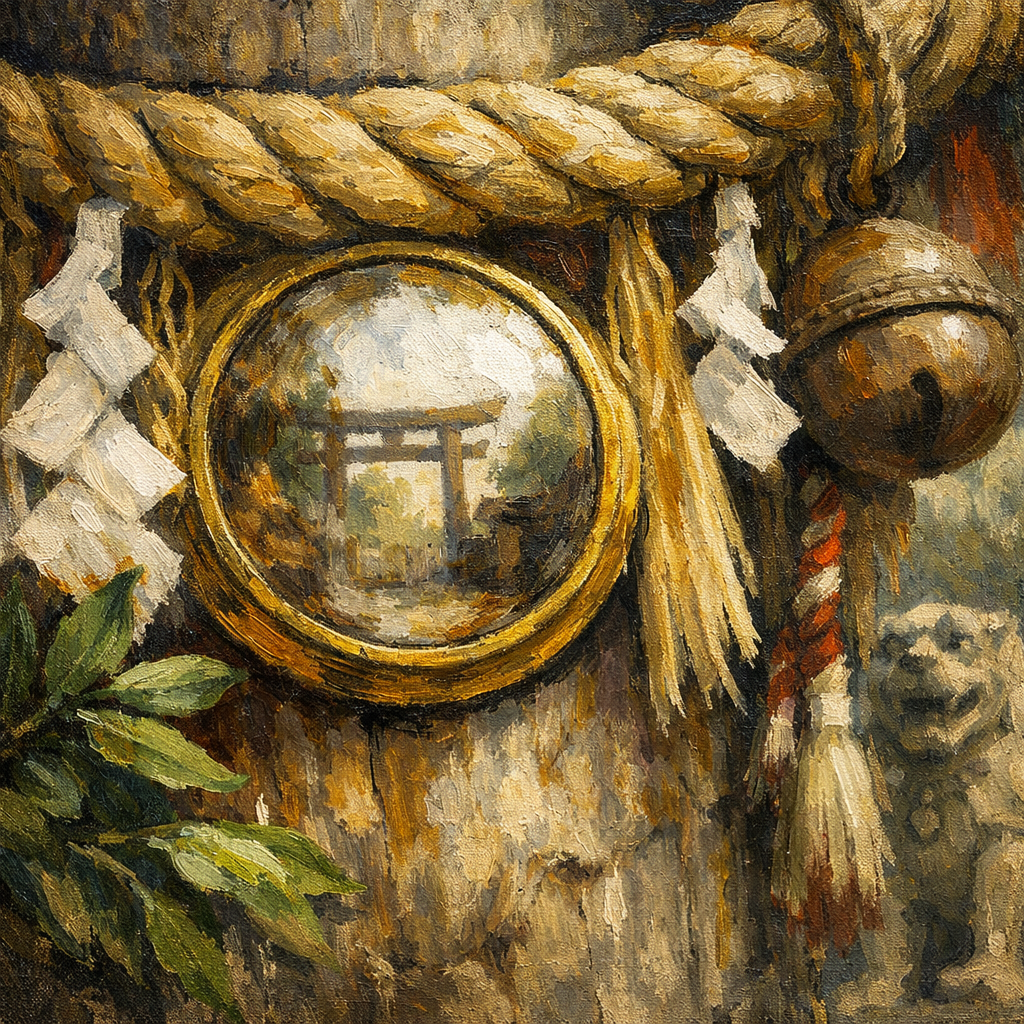
Reflection of the Sacred Sanctuary
Critique
1. Introduction This painting presents a profound exploration of Shinto sacred symbols, rendered with heavy, textured brushwork. In the center, a circular sacred mirror (Shinkyo) is mounted on a massive tree, its surface reflecting a misty Torii gate within a forest sanctuary. Surrounded by shime-nawa ropes, paper streamers, and a ceremonial bell, the composition evokes a solemn and spiritual atmosphere. 2. Description A thick, braided shime-nawa rope stretches powerfully across the upper frame, with white shide paper streamers hanging cleanly against the textured bark. The golden frame of the mirror reflects a distant view of an approach path and a gateway, rendered with delicate precision. To the right, a large suzu bell with red and white cords floats before a dimly visible komainu statue, while fresh green leaves in the lower left corner provide a touch of vital color. 3. Analysis The formal composition centers on the mirror to draw the viewer’s eye into a secondary, reflected world, creating a layered narrative within a single frame. Light enters from a diagonal angle, emphasizing the fibrous texture of the ropes, the smooth metallic curves of the bell, and the rugged surface of the tree trunk. The color palette revolves around the traditional Shinto hues of white, red, and gold, harmonizing them with natural greens and earthy browns for a dignified tone. 4. Interpretation and Evaluation This work goes beyond a mere depiction of religious artifacts, using the mirror as a portal to express the depth of the spiritual realm. The contrast between the physical weight of the tree and the ethereal, reflected landscape of the sanctuary is highly symbolic and original. The artist’s use of impasto-like techniques to represent traditional Japanese subjects demonstrates a unique and compelling fusion of styles and philosophies. 5. Conclusion Initially impressed by the realistic rendering of the sacred objects, the viewer is eventually drawn into the profound stillness found within the mirror's reflection. The piece successfully translates the core of Japanese spiritual culture into a modern aesthetic form through skillful manipulation of light and color. Standing at the intersection of tradition and innovation, this painting offers a deeply moving and contemplative experience.
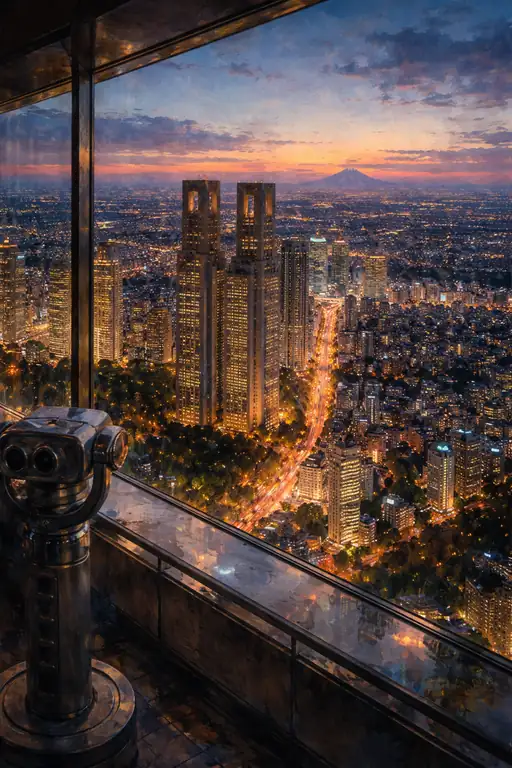 Gazing at the City's Golden Veins
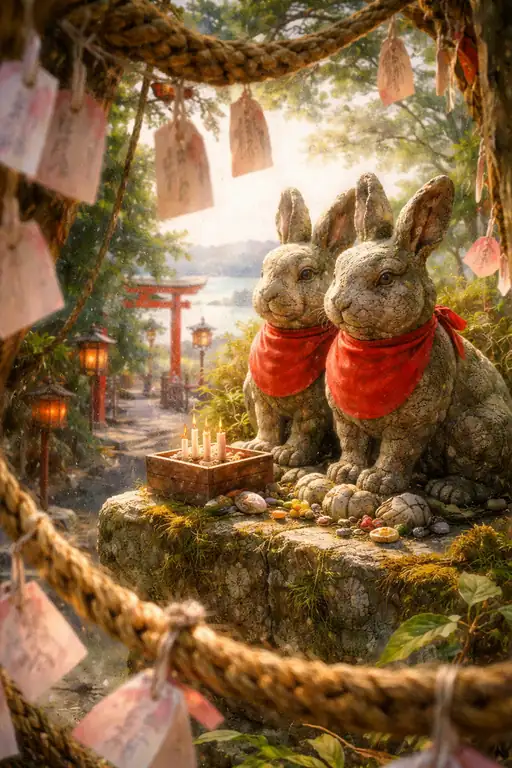 Silent Guardians of the Shrine
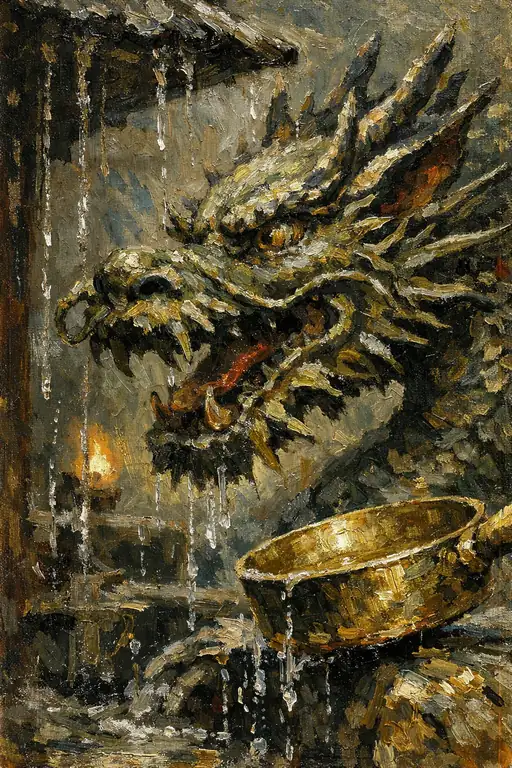 Tears of the Stone Guardian
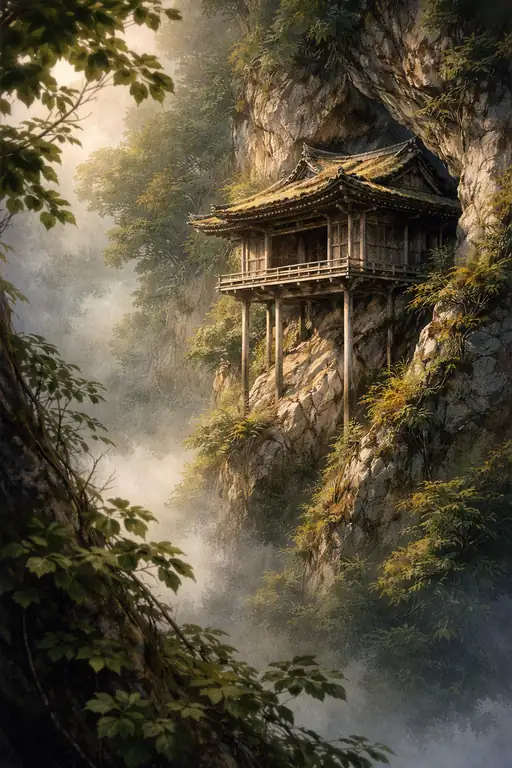 Whispers of the Old Lantern
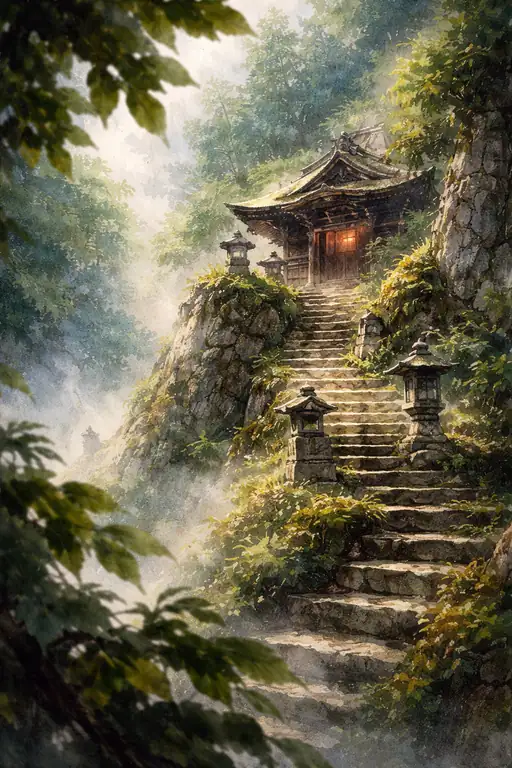 Cosmic Burger
 Caress of the Evening Sun's Lace
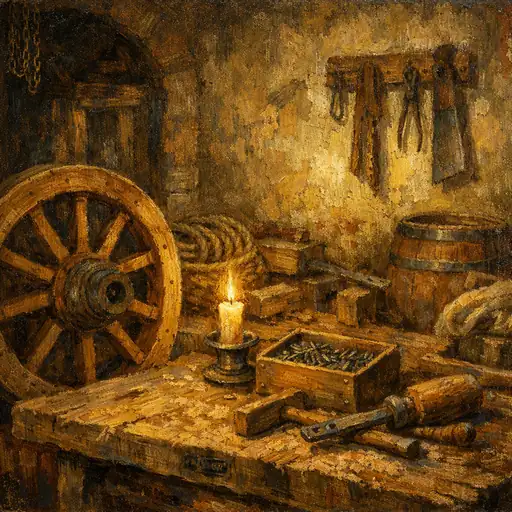 Whispers in the Candlelight
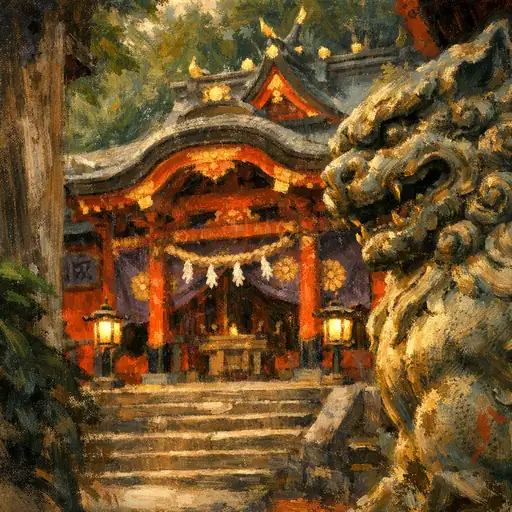 Golden Flow: The Gilded Shrine's Rushing Waters
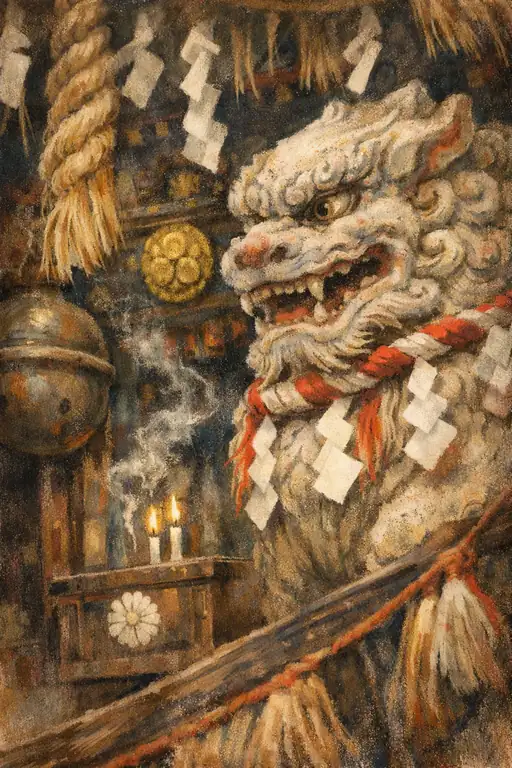 Neon Solitude in the Rain
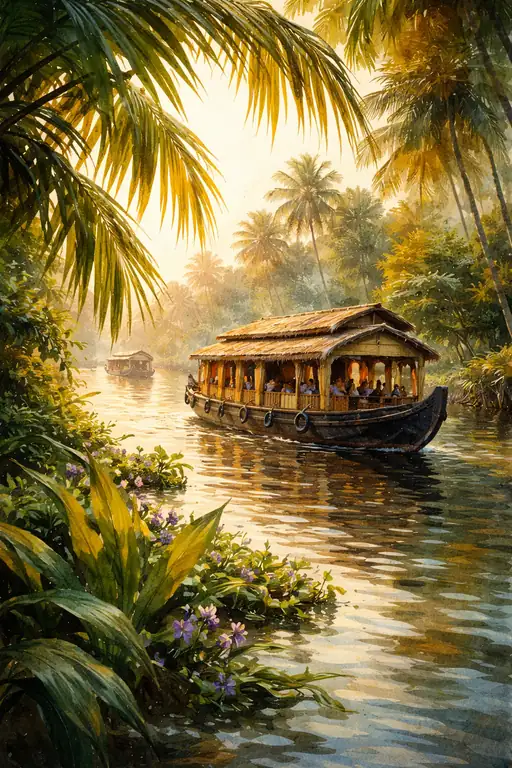 Kerala's Golden Glide
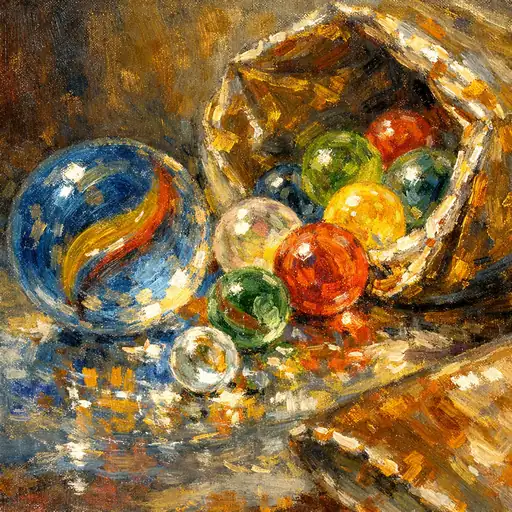 Spilling Dreams