
Elongated Echoes: The Silent Rhythm of Shadows on Pavement
Critique
1. Introduction The visual presentation offers a dynamic overhead perspective of numerous individuals walking across a sunlit surface. The piece captures an ephemeral moment of urban movement, focusing entirely on the interplay between light and shadow. This composition establishes a rhythmic and slightly abstract environment. 2. Description Numerous dark, elongated silhouettes stretch diagonally across the light-colored, textured ground plane. These prominent shadows are cast by small, foreshortened figures of people seen from a high vantage point. The figures appear as minimal dark forms, often smaller than the expansive shadows they produce. The chromatic range is restricted to stark contrasts between the bright background and dark shapes. 3. Analysis The deliberate use of a high angle radically alters the viewer's perception of scale and depth. The long shadows become the primary visual subject, transforming the ordinary pedestrians into elongated, abstract elements. The intersecting lines of these silhouettes create a complex network of directional movement. The uniform surface serves to isolate and emphasize these dark geometric forms. 4. Interpretation and Evaluation The evocative arrangement suggests a contemplation of the transient nature of human presence within a larger space. By emphasizing the shadows over the figures, the creator imbues the act of walking with a sense of anonymity and rhythm. This thoughtful portrayal invites viewers to appreciate the abstract patterns generated by routine life. The piece stands as a compelling example of capturing fleeting moments. 5. Conclusion This captivating scene successfully distills the essence of urban motion into a stark graphic form. The interplay of elongated shadows and bright surfaces generates a timeless visual experience. The composition remains a fascinating exploration of perspective and contrast. Ultimately, the work commands attention through its disciplined focus on light and form.
Same Subcategory
Similar Artworks
 Solitary Stroll: Vibrant Reflections in the Rainy City
 Drifting in the Golden Haze
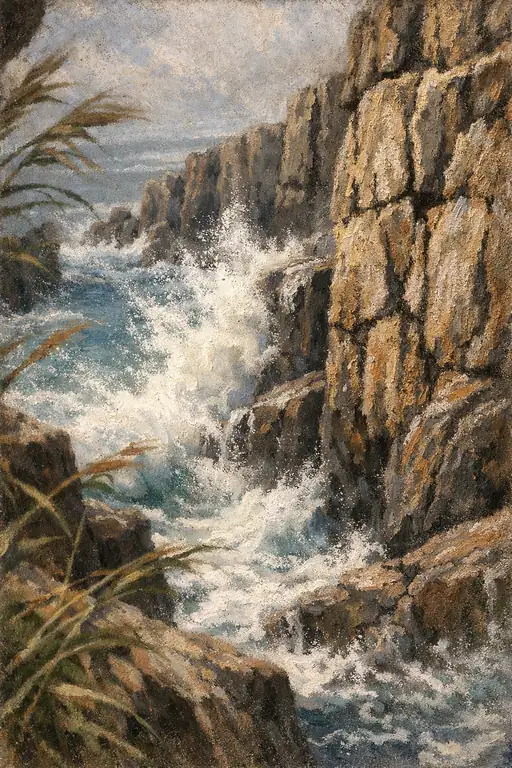 The Cliff's Eternal Encounter
 The Roaring Emerald Cascade
 Footprints in the Twilight Sands
 Morning's Taste of Purple Gold
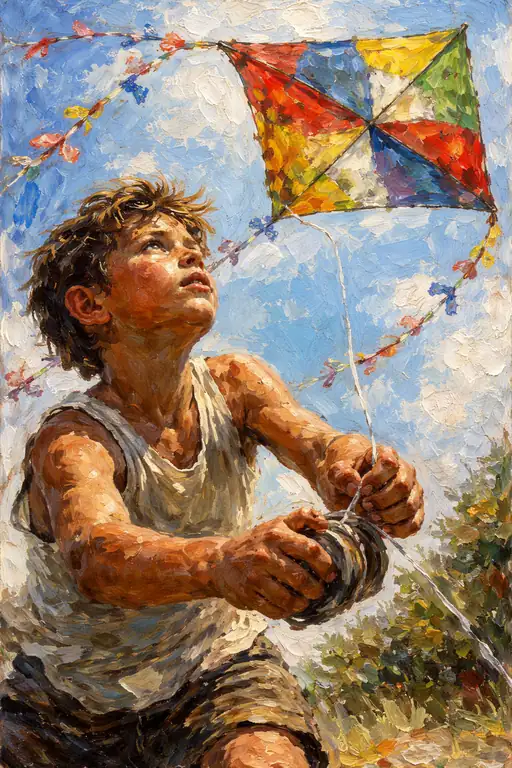 A Colorful Dream Soaring in the Wind
 Melody of the Meadow
 Reverie of the Mosaic Bloom
 Twilight Illusions on the Festive Terrace