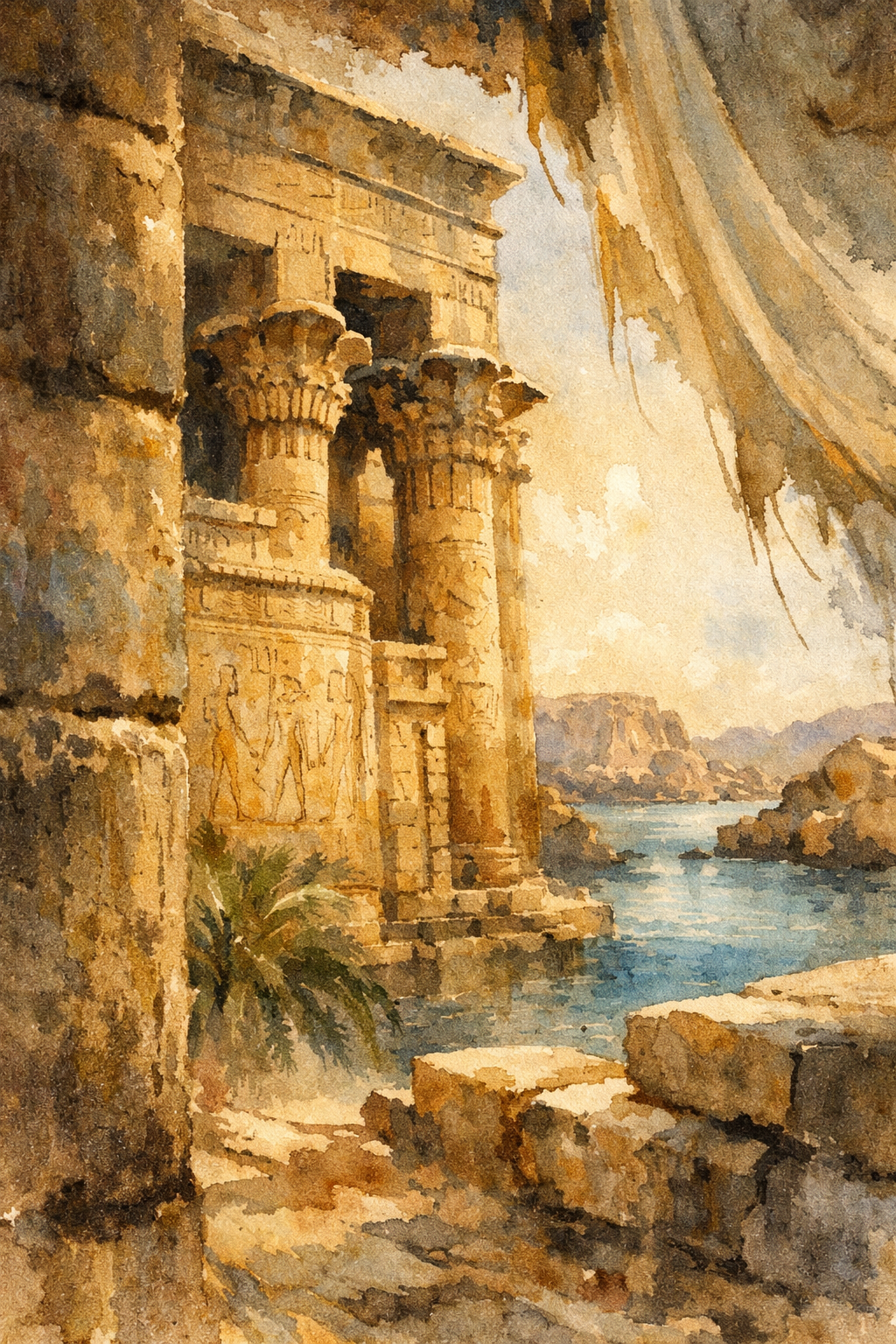
Echoes of the Pharaohs
Critique
1. Introduction This vertical landscape painting, executed in a style reminiscent of classical watercolor, presents a majestic view of ancient Egyptian temple ruins situated along the banks of a serene body of water. The composition utilizes a cleverly placed "frame within a frame" technique, with tattered fabric and massive stone blocks in the foreground inviting the viewer to gaze upon the monumental architecture of a bygone era. Through its expert use of light and color, the work evokes a sense of timelessness and the quiet grandeur of a lost civilization. 2. Description In the mid-ground, a monumental structure features tall, decorated columns with characteristic papyrus-leaf capitals and stone walls adorned with low-relief carvings of humanoid figures. The left foreground is dominated by large, weathered masonry blocks, while the upper right corner shows the frayed edges of a hanging cloth that casts a soft shadow. In the background, calm blue waters reflect a hazy, golden sky, with rugged, arid hills visible across the river under the soft light of early morning or late afternoon. 3. Analysis The artist employs a warm, sun-bleached color palette, primarily consisting of golden ochre, sienna, and sand tones for the stonework, which contrasts beautifully with the cool cerulean of the water. The technical execution is notable for its delicate washes and fine, detailed line work that defines the intricate carvings and architectural details of the temple. The lighting, coming from the side, creates soft shadows and bright highlights that emphasize the massive scale and weathered texture of the ancient ruins against the liquid surface of the water. 4. Interpretation and Evaluation The painting explores themes of endurance and the intersection of human engineering with the natural landscape, suggesting a harmonious relationship between the massive stone structures and the flowing river. The romanticized atmosphere captures the adventurous spirit of 19th-century explorations, prioritizing a sense of wonder and historical reverence over clinical documentation. The technical skill in rendering the translucency of the water and the solid, heavy presence of the stone is particularly effective, resulting in a balanced and immersive visual experience. 5. Conclusion This work is a sophisticated and atmospheric portrayal of ancient Egyptian architecture that successfully combines monumental scale with a delicate, painterly touch. By placing the ruins within a specific watery context, the artist emphasizes the geographic and historical significance of the site. The initial impression of a grand archaeological wonder is sustained by the detailed craftsmanship and the evocative use of a warm, golden lighting scheme that permeates the entire composition.
Same Subcategory
 Santorini Sun-Kissed Romance
Similar Artworks
 Mont Saint-Michel at Dusk
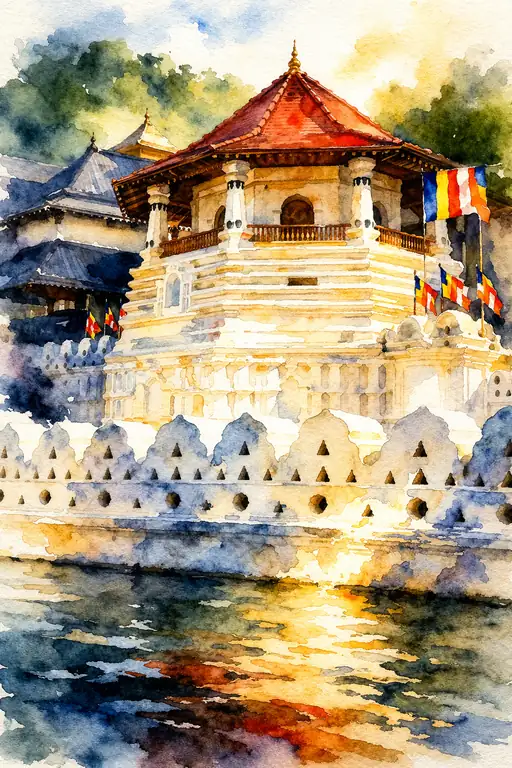 Reflection of Serenity\n
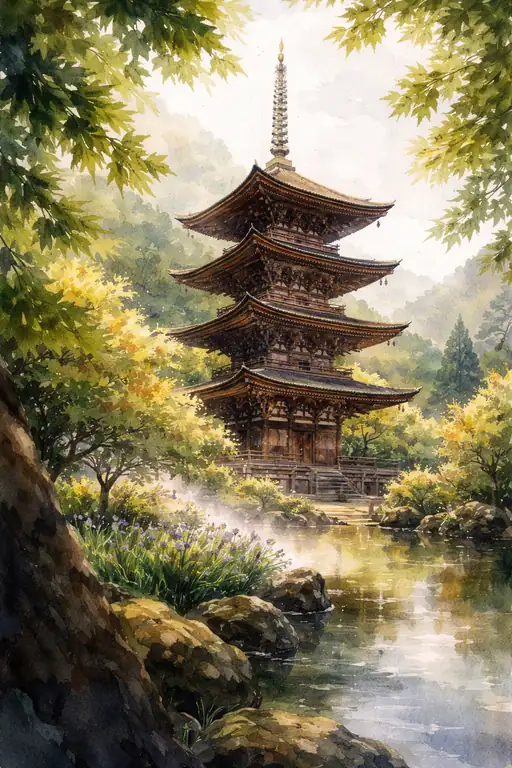 Reflection of the Silent Pagoda
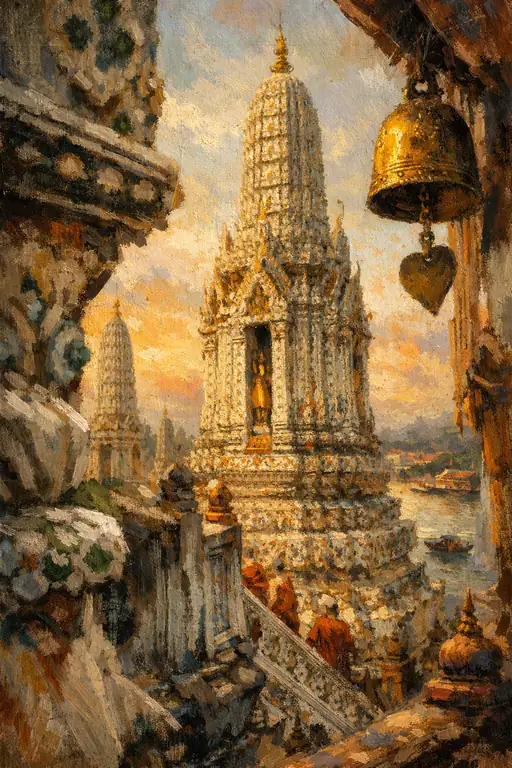 The Golden Resonance of Dawn
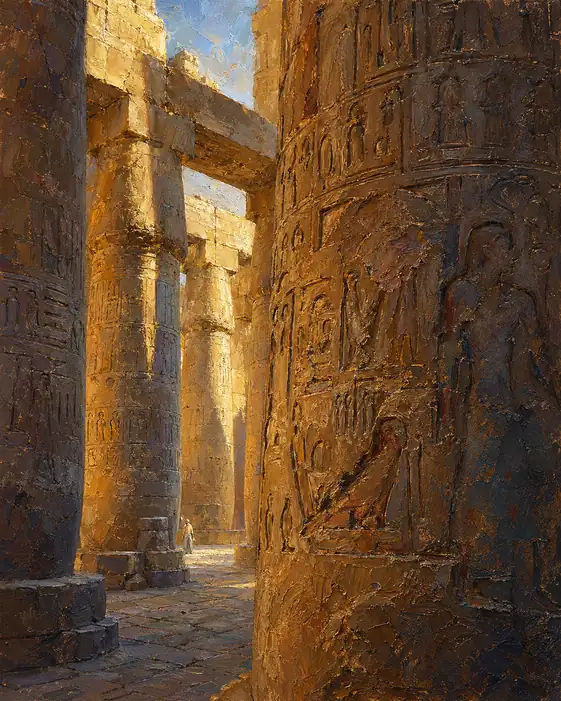 The Corridor of Sunlit Memories
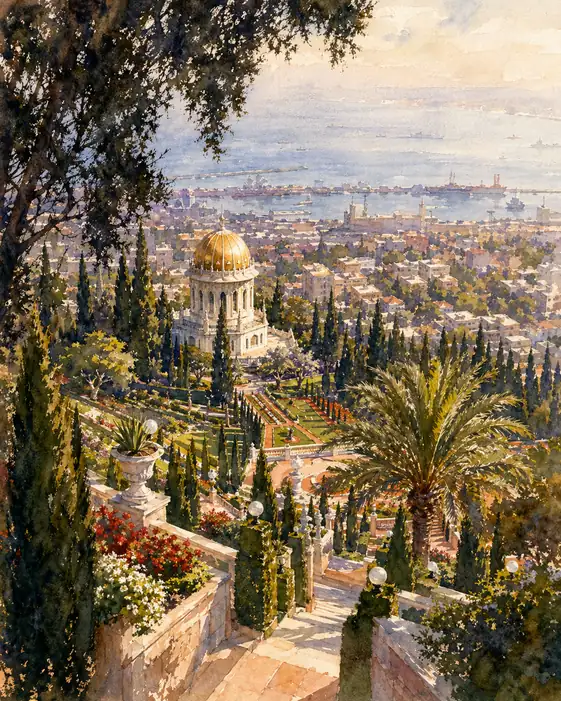 Golden Gaze over the Mediterranean
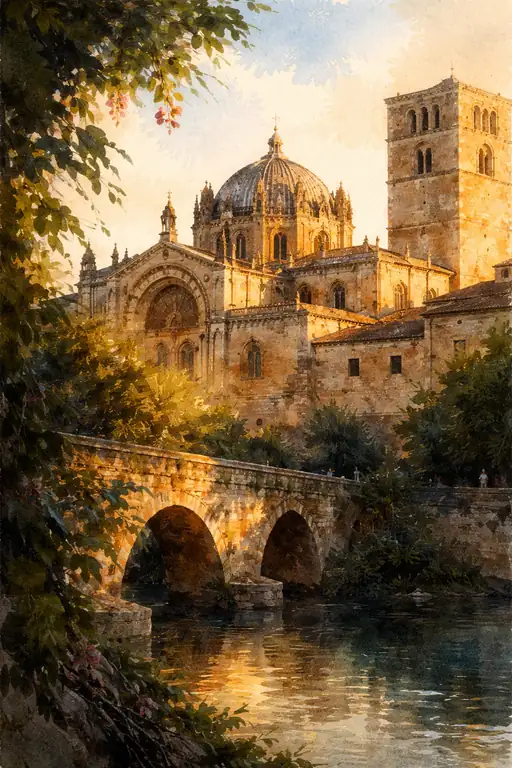 Eternal Grace Spanning the Still Waters
 Quiet Prayers by the Azure Shore
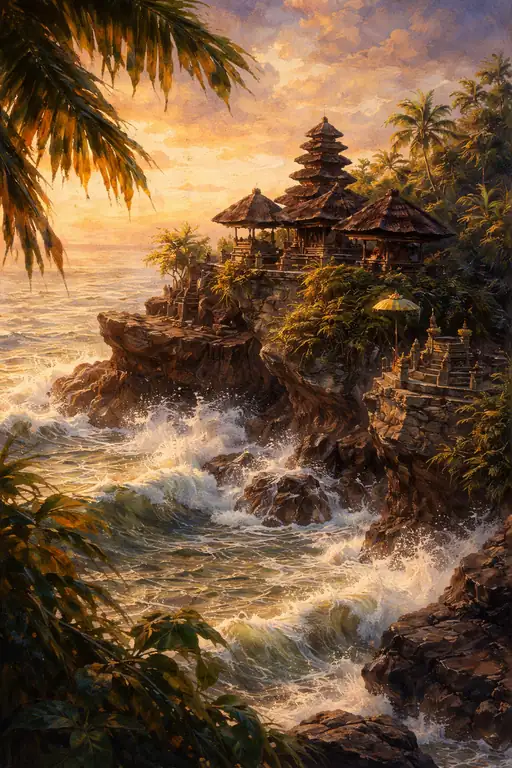 Sanctuary Above the Crashing Depths
 Golden Radiance on the Sacred Tide