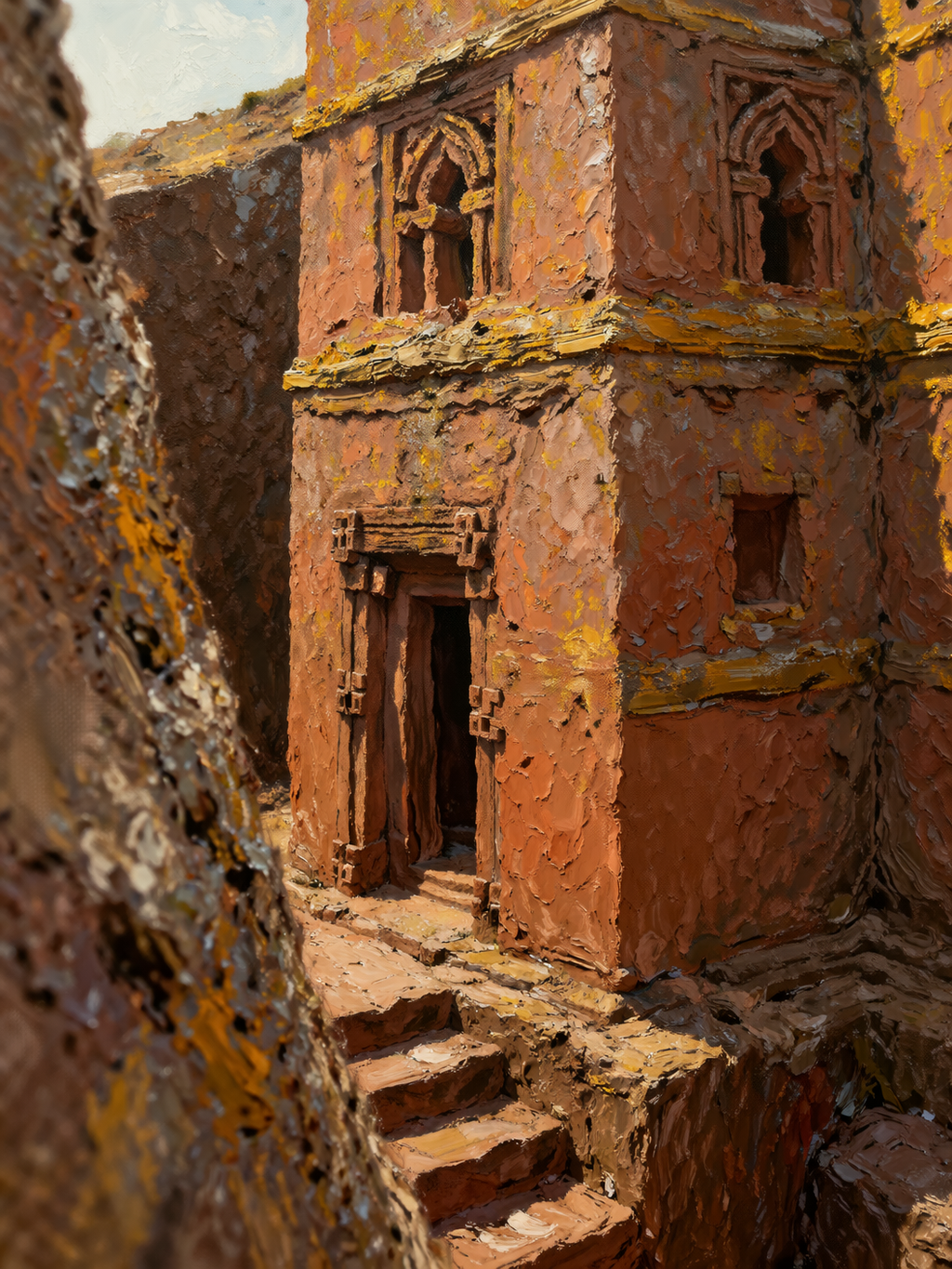
Fire in the Sky: Flight of the Dragon
Critique
1. Introduction This oil painting presents a solemn and majestic scene of an ancient structure carved directly into a monochromatic rock face. The work captures the rugged beauty and historical weight of rock-hewn architecture, likely inspired by UNESCO World Heritage sites such as the churches of Lalibela. The artist focuses on the interplay between the massive, immobile earth and the intricate details of human craftsmanship, inviting the viewer into a space that feels both timeless and sacred. 2. Description In the center of the vertical composition stands a reddish-brown monolithic building with multi-tiered windows and a central entrance. The structure is characterized by pointed arches and decorative lintels, suggesting a fusion of religious and regional architectural styles. Thick, textured brushstrokes are used to depict the rough surface of the stone, while deep shadows in the windows and doorways emphasize the interior's mystery. In the foreground, a sliver of rock on the left obscures part of the view, enhancing the sense of depth and perspective. 3. Analysis The work utilizes a warm, earthy palette dominated by ochre, terracotta, and burnt sienna, which harmonizes the building with its natural surroundings. The lighting appears to come from high above, casting strong, directional shadows that define the three-dimensional form of the architecture. The heavy impasto technique gives the painting a physical, sculptural quality, mirroring the very act of carving the building from the mountainside. The vertical lines of the walls and windows create a sense of stability and upward aspiration, contrasting with the jagged, organic shapes of the surrounding rocks. 4. Interpretation and Evaluation This piece successfully conveys the enduring presence of human belief and skill in the face of time. The decision to use a limited color range and focused lighting allows the viewer to appreciate the subtle complexities of the texture and form without distraction. The composition’s diagonal thrust, leading from the foreground rock to the main building, creates a dynamic visual path that keeps the eye engaged. While the specific location remains unidentified, the painting captures the essence of historical preservation and the profound silence inherent in such monolithic structures. 5. Conclusion Initially, the painting appears to be a straightforward architectural study, but further observation reveals a deep appreciation for material and volume. The combination of strong lighting and rhythmic brushwork elevates the subject matter from a mere ruin to a living testament of the past. It is a compelling example of how technique can echo the physical nature of the subject being depicted. Overall, the work achieves a powerful balance between the stillness of the stone and the energy of expressive painting.
Same Subcategory
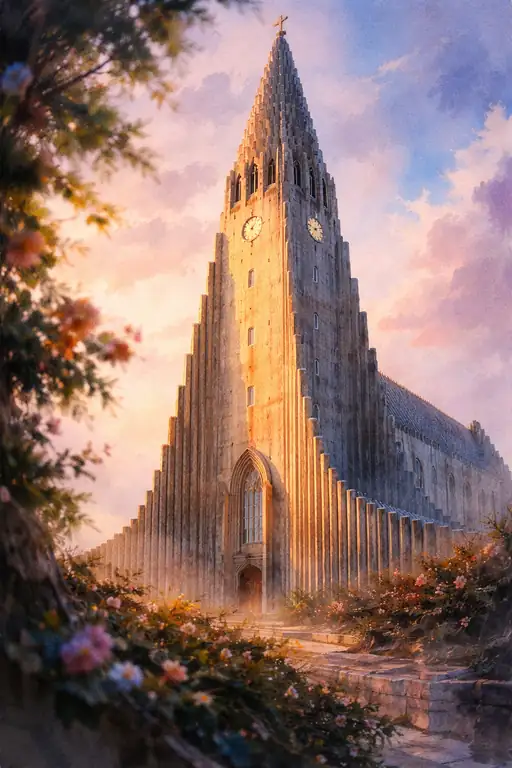 Ascending the Dawn's Embrace
Similar Artworks
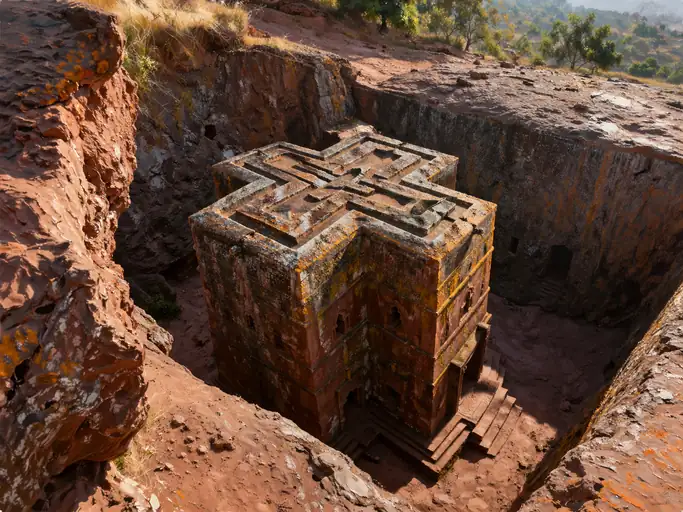 Marine Serenity: Vibrant Coral Reefs
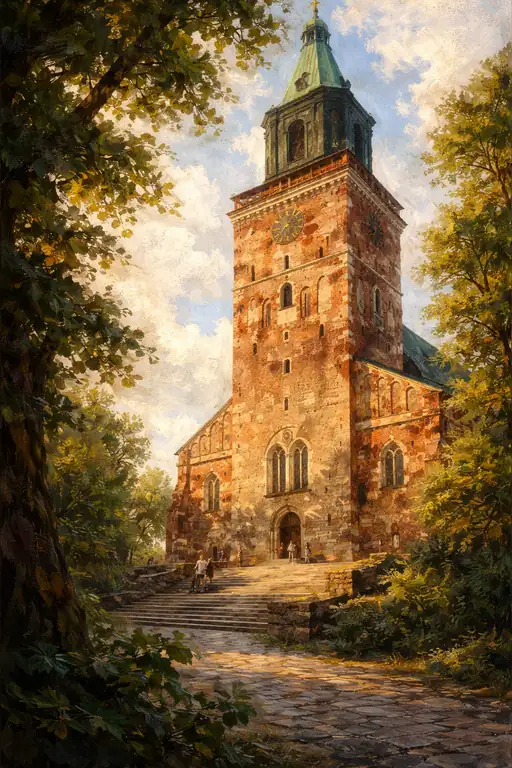 Sunlit Path to Turku Cathedral
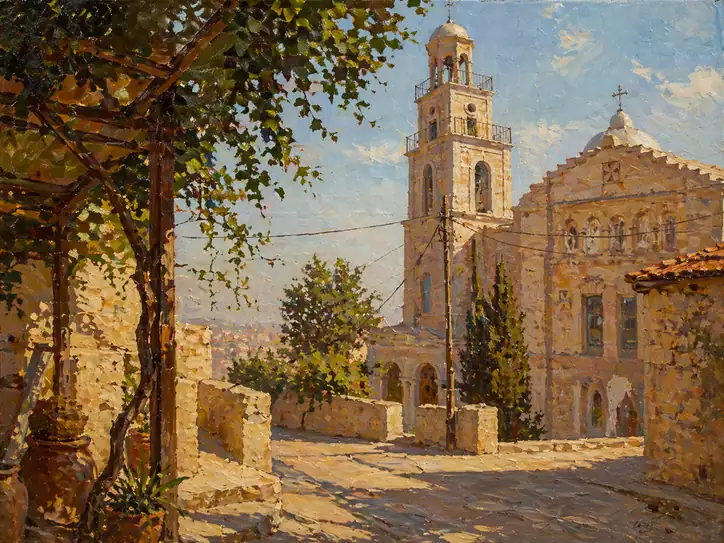 Under the Vineyard's Watch
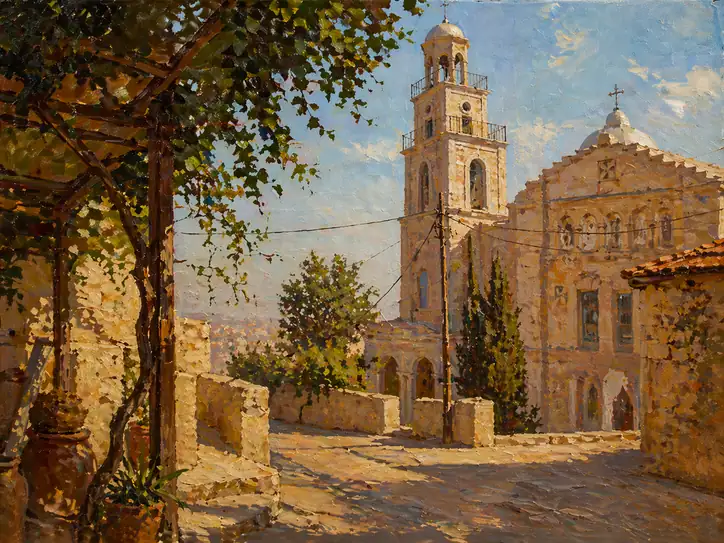 A Mediterranean Summer Song
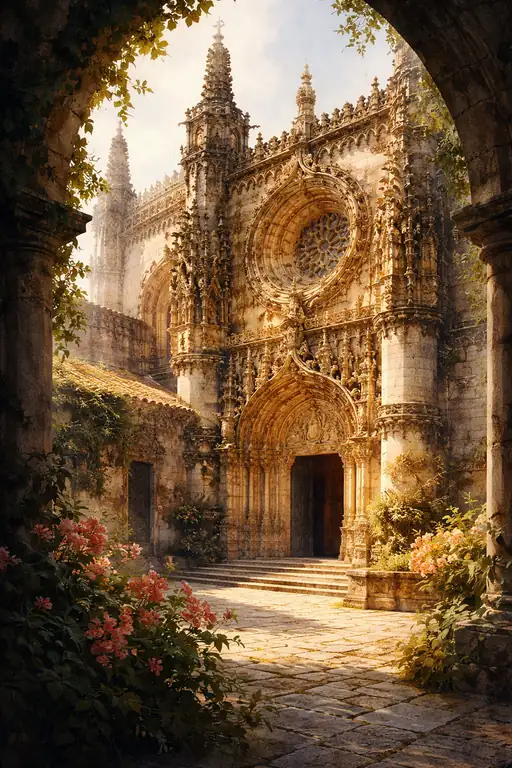 Batalha's Devotion Blooming in Stone
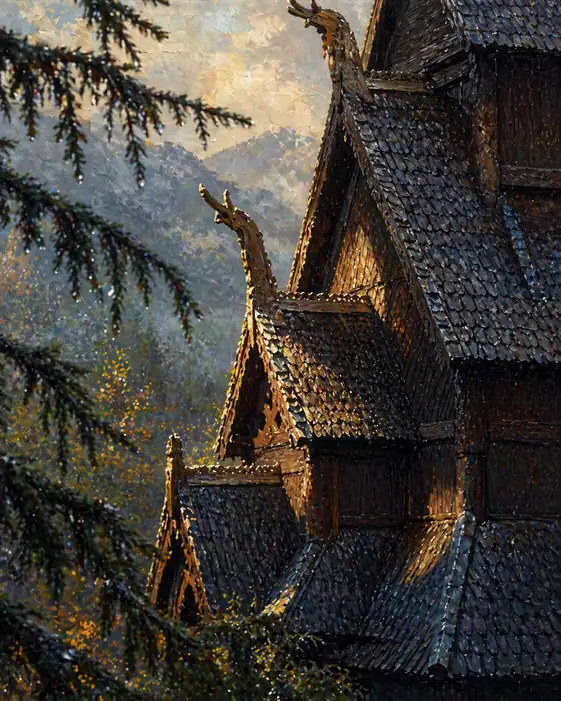 Ancient Scales of the Forest
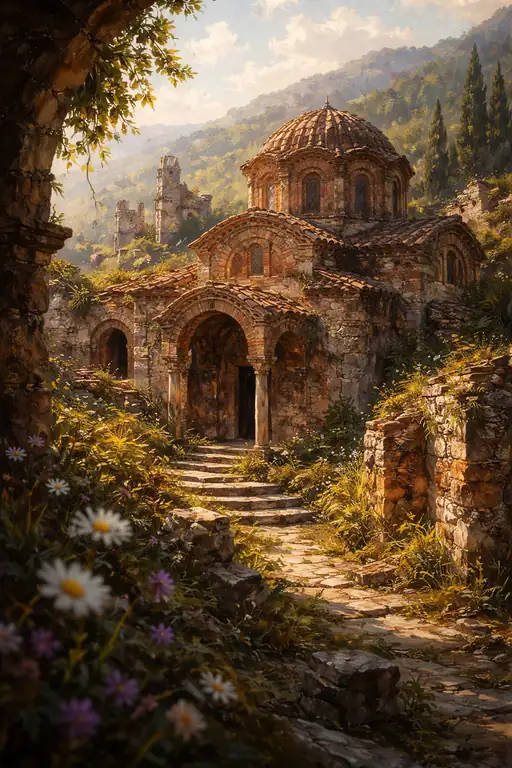 Footsteps of Time: The Sanctuaries' Slumber
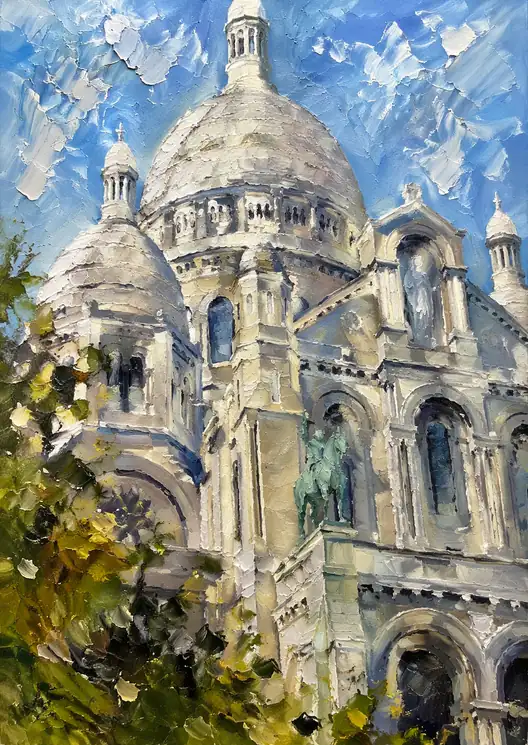 Majesty in Impasto: A Cathedral's Gaze
 Guardian of the Sacred Path
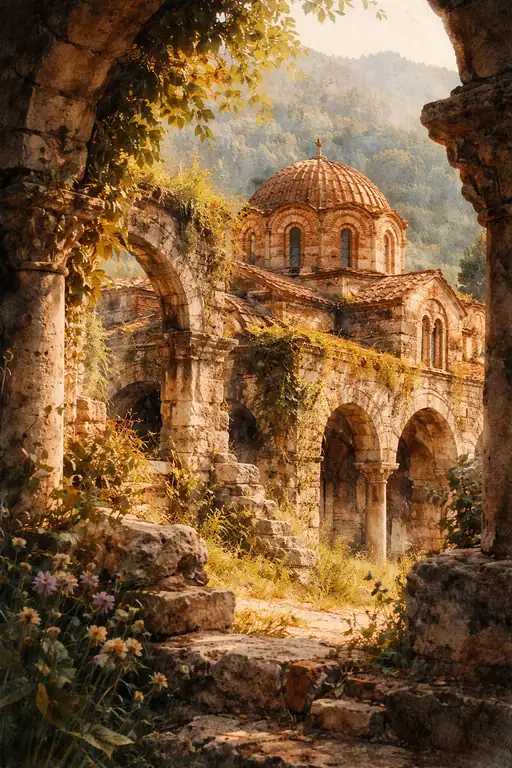 Sacred Silence in the Sunlit Ruins