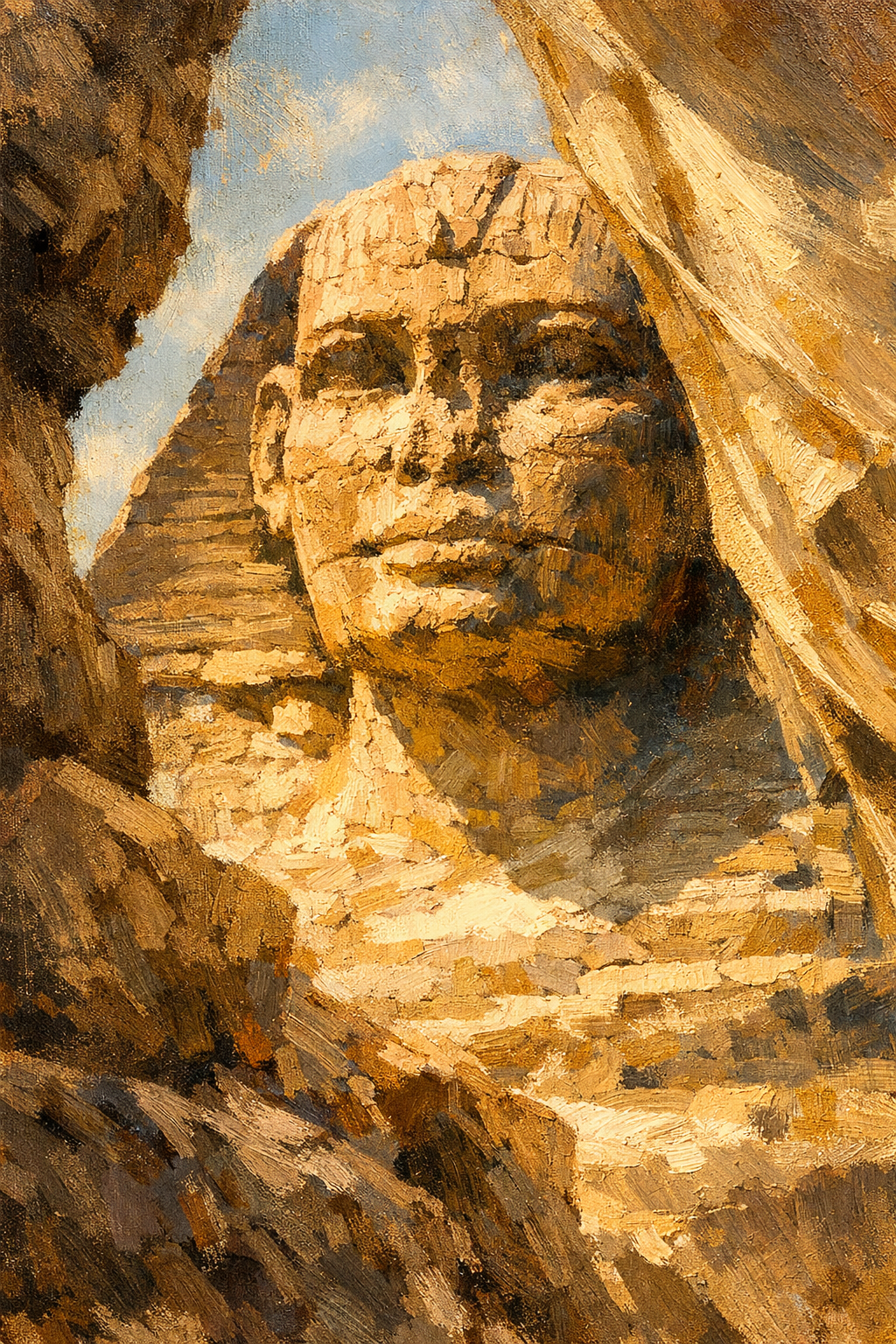
The Weathered Gaze of the Great Sphinx
Critique
1. Introduction This expressive oil study focuses on the weathered face of the Great Sphinx, offering a portrait-like intensity to the ancient monument. The work emphasizes the physical texture of the stone over literal architectural accuracy. It utilizes a bold, modern technique to reinterpret a classic archaeological subject. 2. Description The composition is dominated by the monumental head of the Sphinx, its features softened by centuries of erosion but still possessing a stoic presence. To the left, a portion of the Great Pyramid rises in the background under a pale, luminous sky. The foreground and sides are framed by dark, rough rock formations, creating a sense of a tightly focused, almost intimate view of the massive figure. 3. Analysis The artist employs a vivid palette of sun-baked yellows, warm ochres, and deep shadow browns, applied with heavy, directional brushstrokes. This impasto technique creates a tactile surface that mimics the porous and layered nature of limestone. The strong, high-contrast lighting from the right defines the volume of the nose, lips, and headdress, casting the left side of the face into a rich, complex shadow. 4. Interpretation and Evaluation By prioritizing texture and light over fine detail, the artist successfully captures the enduring spirit of the monument rather than just its form. The vigorous application of paint reflects a sense of raw energy, suggesting that the stone itself is a living record of time. This approach elevates the painting from a standard representation to a powerful meditation on permanence and decay. 5. Conclusion A close study of the surface reveals how the abstraction of form through heavy paint fosters a deep appreciation for the monument's historical weight. Ultimately, the work succeeds as a compelling fusion of ancient subject matter and dynamic modern expression.
Same Subcategory
Similar Artworks
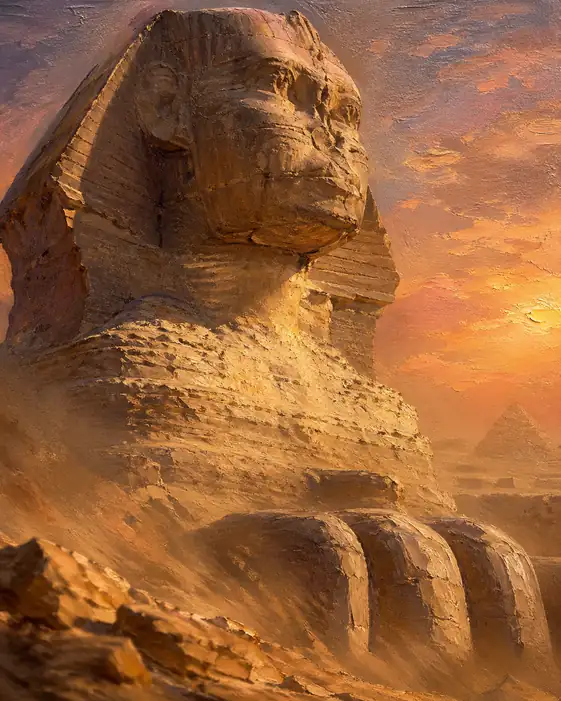 The Sun-Kissed Gaze of Infinity
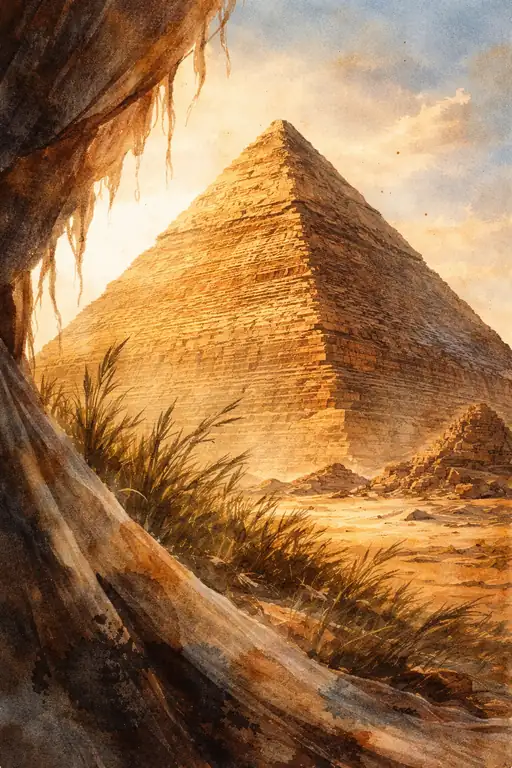 Eternal Sentinel of the Golden Sands
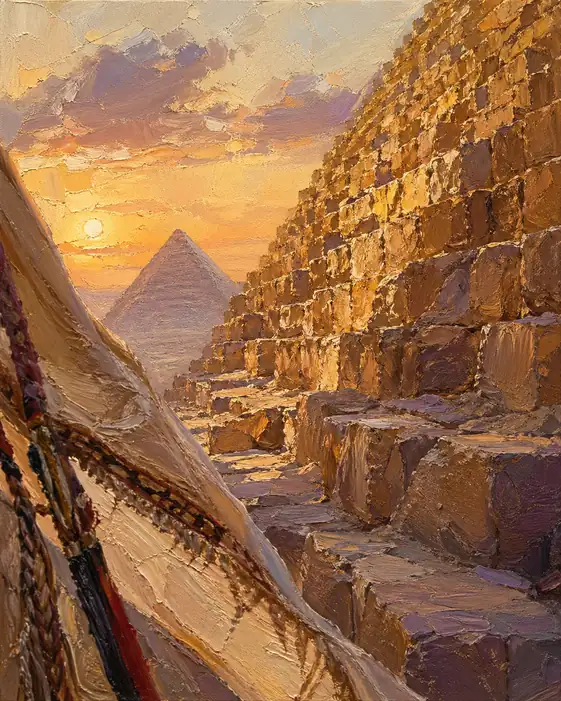 A Prayer Carved in the Sands of Time
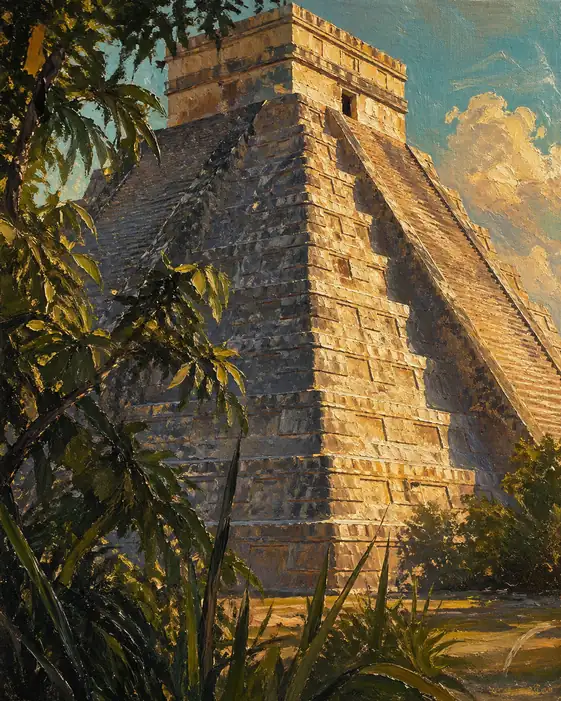 Echoes of the Golden Empire
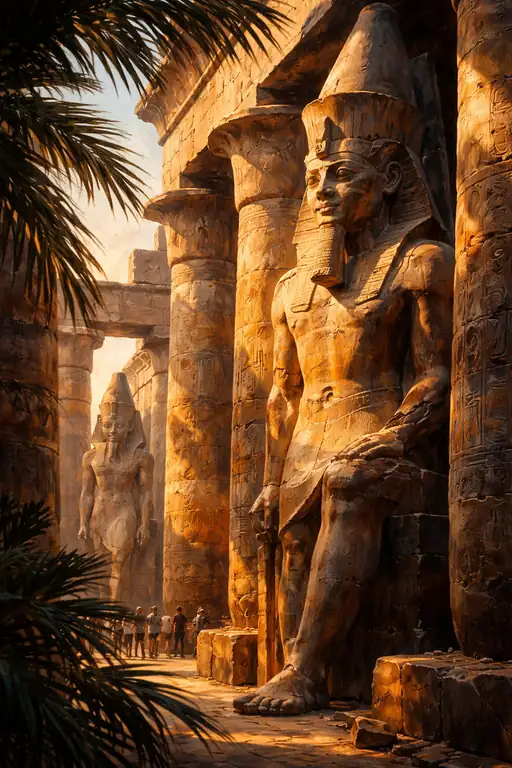 Sunlit Shadows Among the Monumental Pharoahs
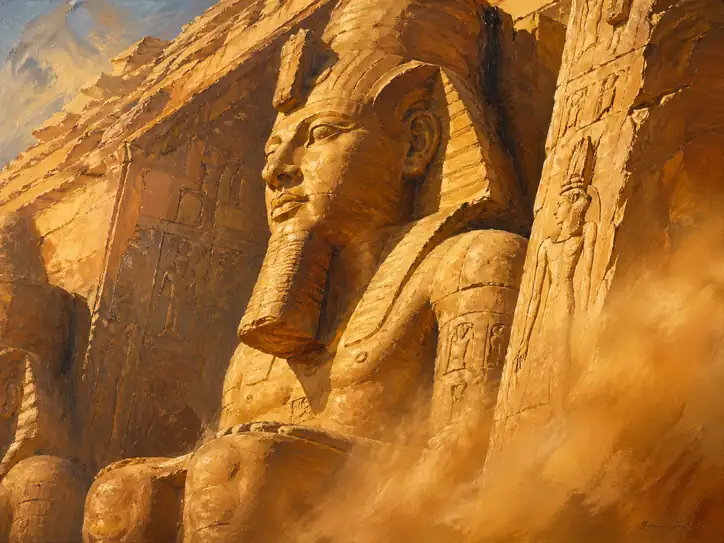 The Pharaoh's Eternal Vigil in the Storm
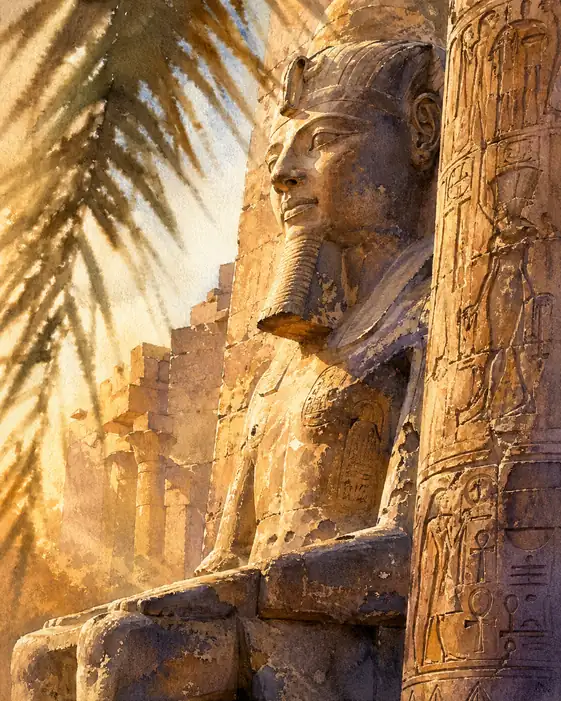 Whispering Light in the Sacred Garden
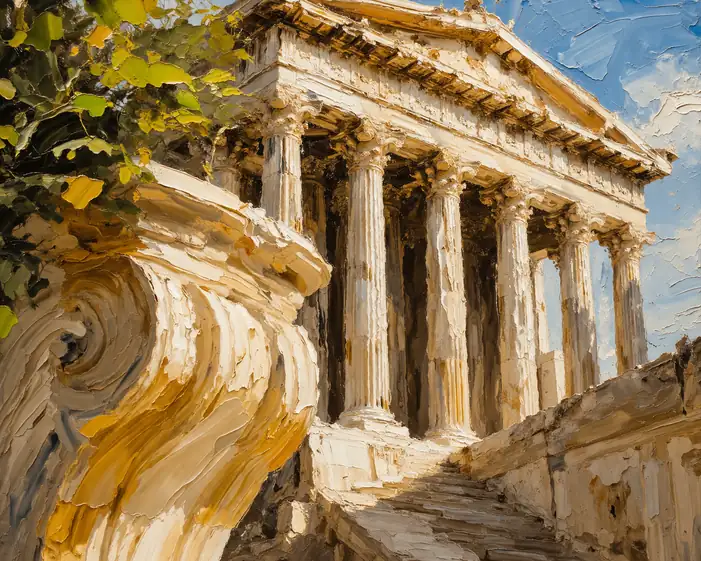 Echoes of the Ancient Sun
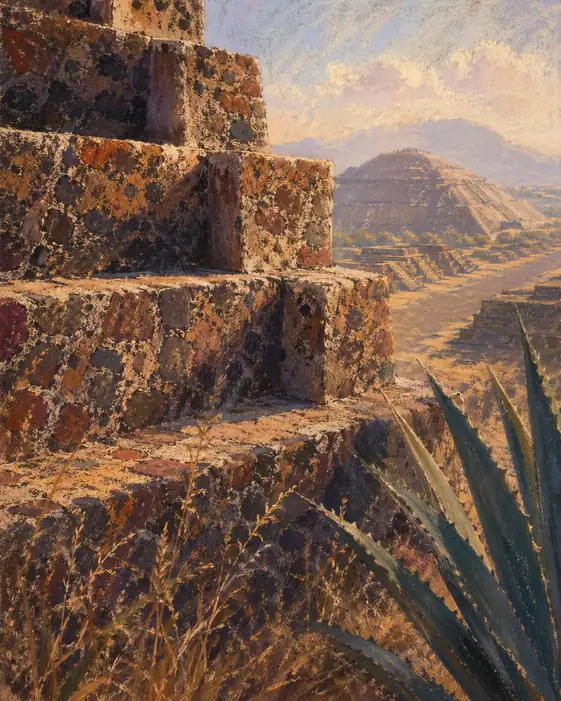 The Earth's Silent Prayer
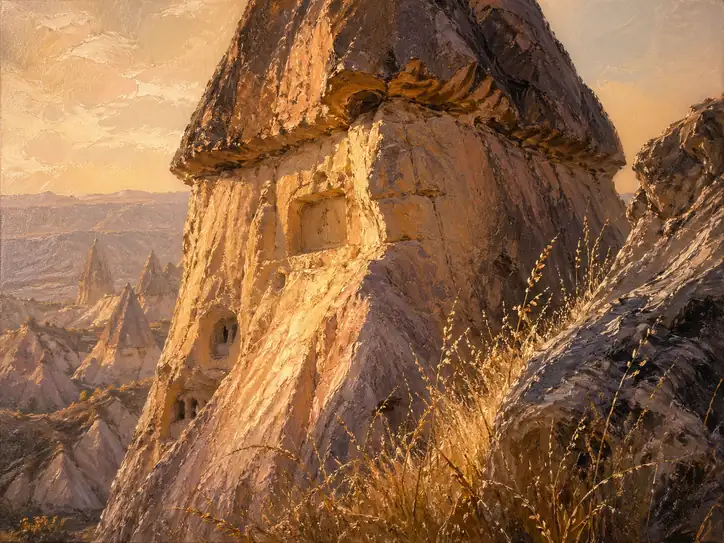 Echoes of the Golden Spire