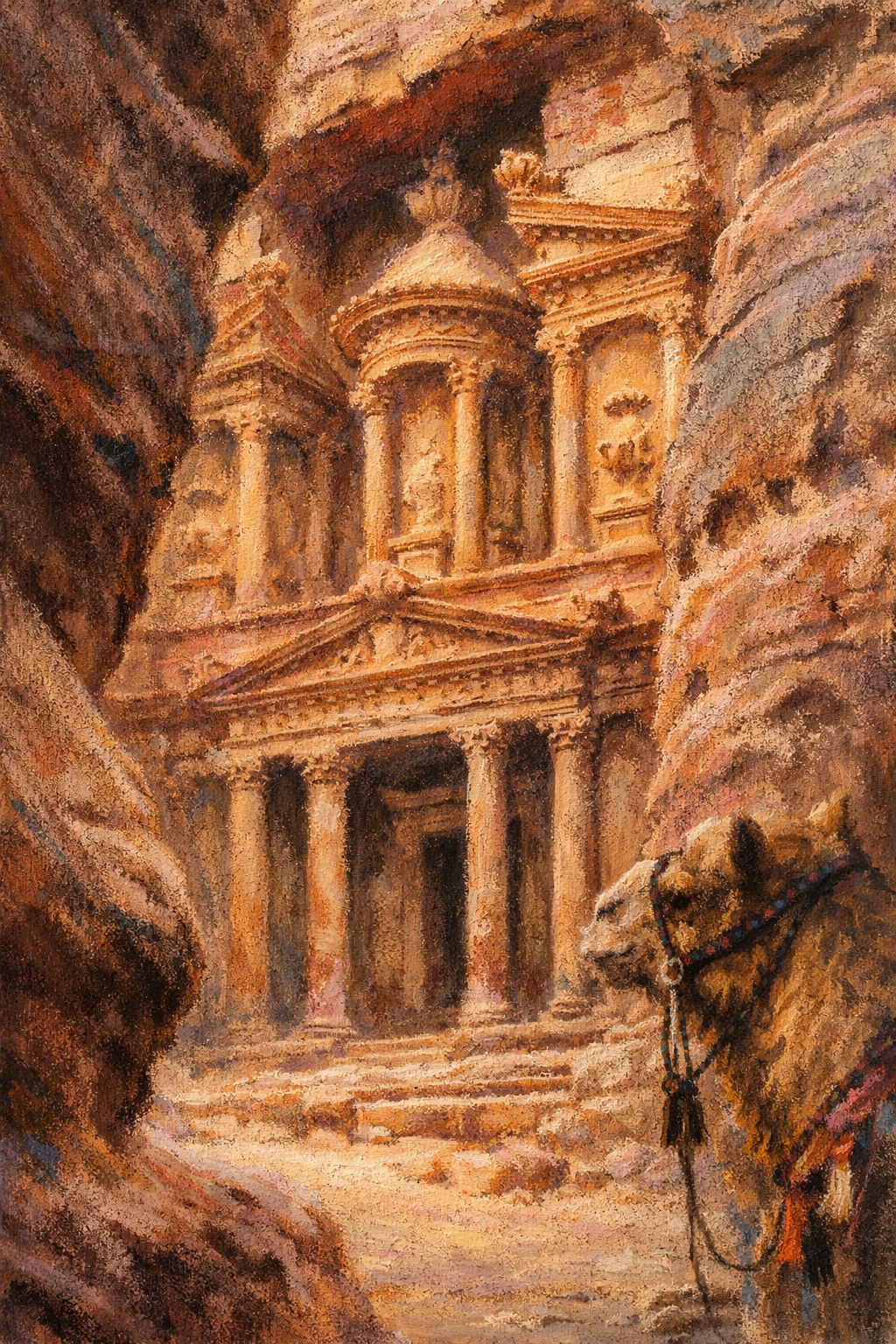
Rose-Red Revelation
Critique
1. Introduction This painting depicts the magnificent rock-cut facade of Al-Khazneh, or the Treasury, in the ancient city of Petra. The work focuses on the dramatic interplay between historical architecture and the natural canyon walls that frame it. By employing a highly textured and expressive style, the painting captures the raw, enduring power of this legendary site, emphasizing its unique fusion of human artistry and geological form. 2. Description The central subject is the intricate facade of the Treasury, featuring Hellenistic columns and ornate carvings directly carved into the rose-red sandstone. It is viewed through the dark, narrow opening of the Siq, whose rugged, shadowy walls enclose the scene on both sides. In the lower right foreground, a camel is partially visible, adorned with a decorative harness featuring blue and red accents. The entire scene is bathed in a warm, diffused light that highlights the earthy tones of the desert landscape and the architectural details. 3. Analysis The most striking element of this work is its dense, tactile texture, created through a series of short, deliberate brushstrokes that resemble impasto or a pointillist approach. This technique effectively mimics the grainy, eroded surface of the sandstone and adds a sense of physical weight to the composition. The color palette is dominated by ochre, terracotta, and deep browns, with the cooler tones of the camel's harness providing a subtle visual focal point. The verticality of the canyon walls and the temple facade creates a powerful sense of scale and confinement. 4. Interpretation and Evaluation The artist successfully communicates the awe-inspiring experience of emerging from the Siq to find an ancient masterpiece. The choice of a heavily textured style suggests the passage of time and the inevitable weathering of the stone, imbuing the scene with a sense of antiquity and permanence. Technically, the rendering of light as it grazes the textured surfaces is particularly effective, creating a dynamic sense of volume without relying on sharp outlines. The inclusion of the camel grounds the historical site in its contemporary context as a place of travel and ongoing human interaction. 5. Conclusion Through its distinctive technique and evocative palette, the painting offers a powerful interpretation of one of the world's most recognizable archaeological sites. While the initial impression is dominated by the richness of the texture, further observation reveals a carefully balanced composition that highlights the grandeur of the architectural subject. Ultimately, the work serves as a compelling tribute to the enduring allure of Petra, capturing the desert's harsh beauty and the sophisticated craftsmanship of the ancient Nabataeans through a modern, expressive lens.
Same Subcategory
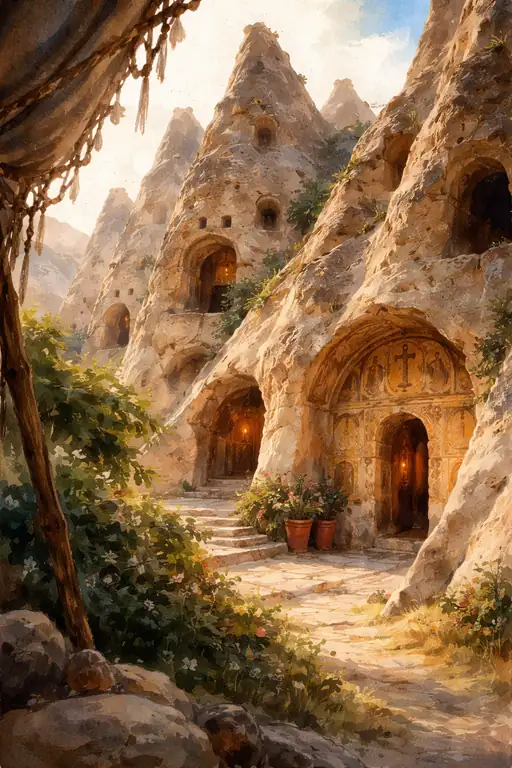 Velvet Shadows and Shimmer
Similar Artworks
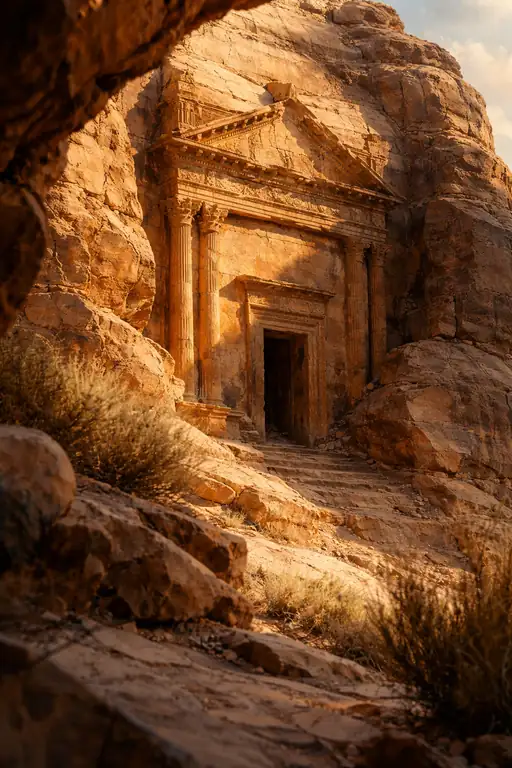 Golden Glory of the Forgotten
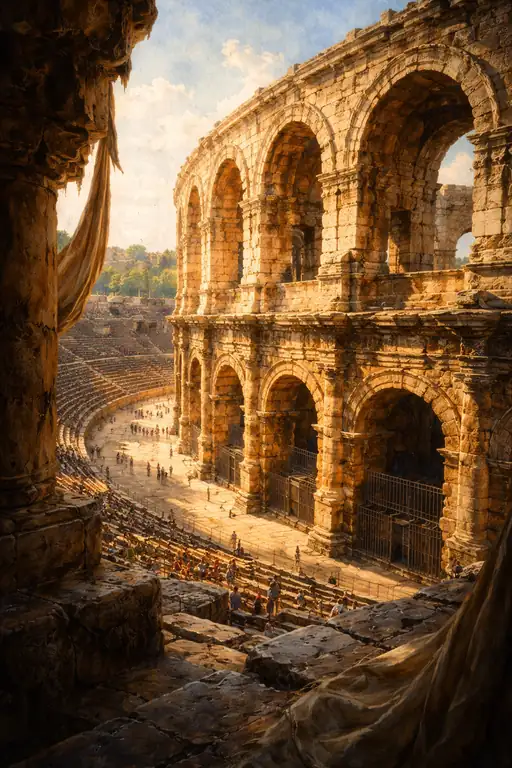 A Glimpse Through Time's Window
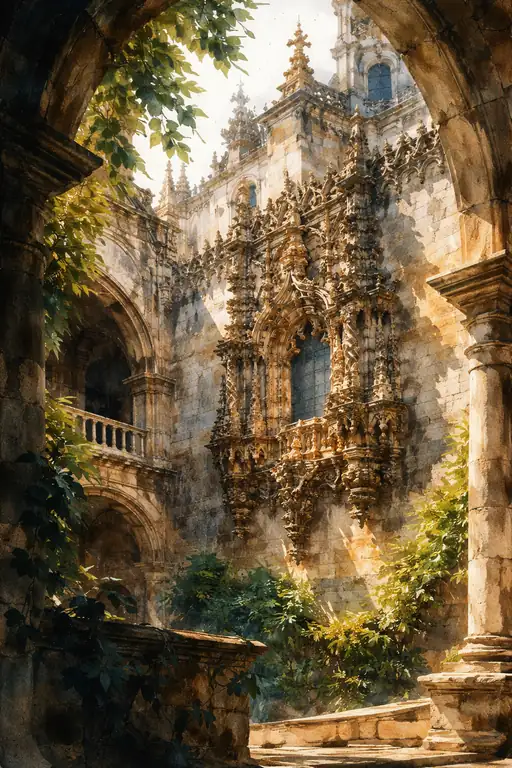 Lace of Stone Kissed by the Sun
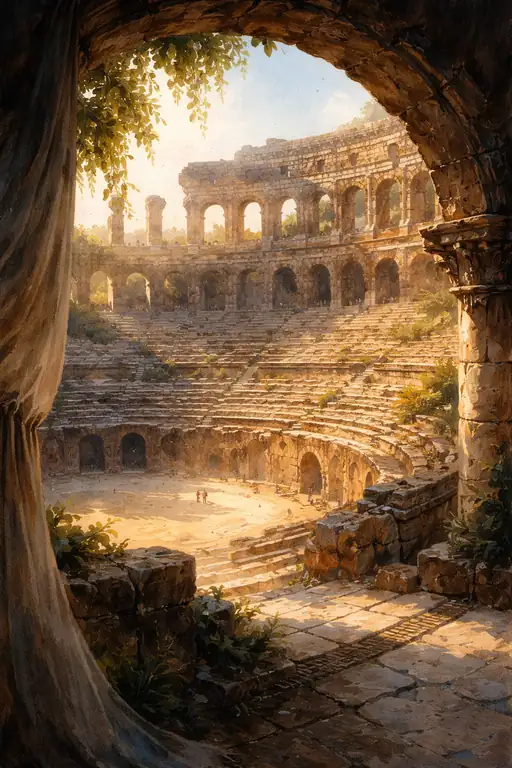 A Glimpse of Past Glories
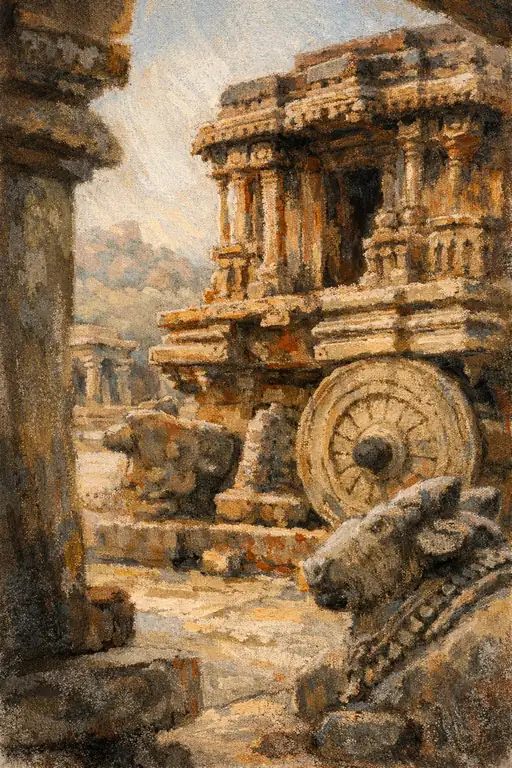 Solitary Descent into the Glowing Mist
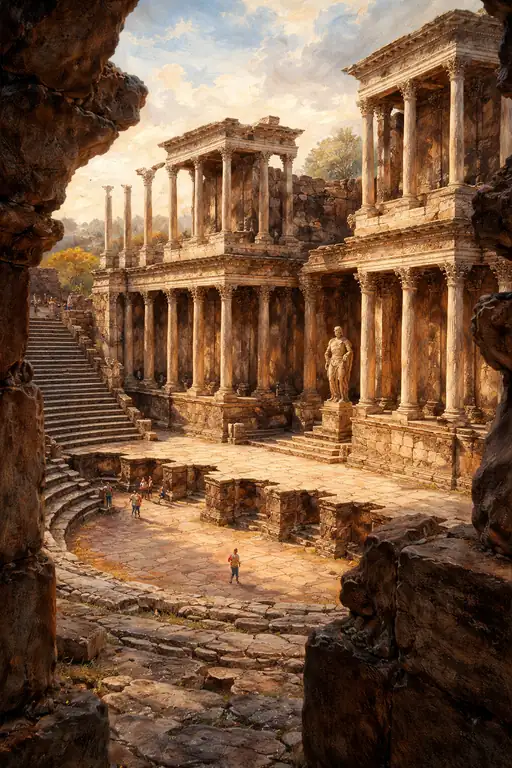 Echoes of Antiquity
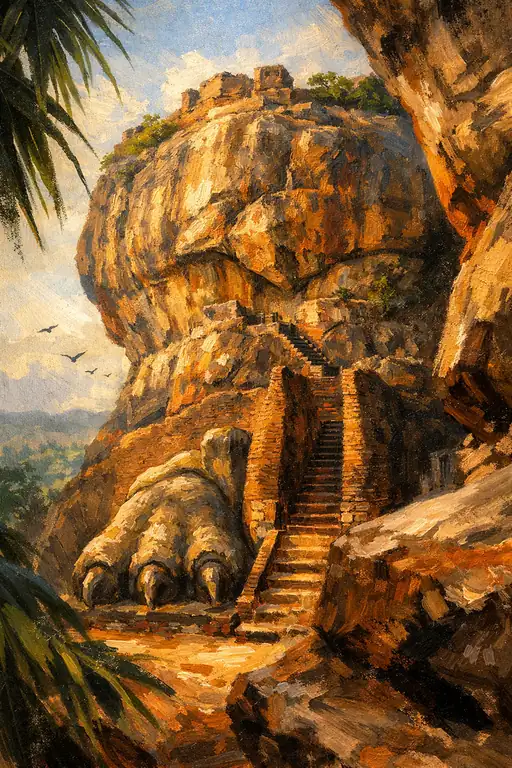 Whispers of the Lion Rock\n
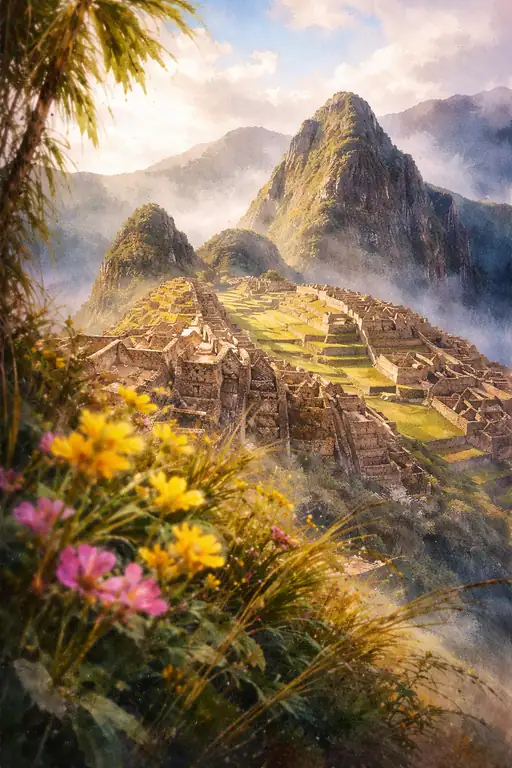 Crown of the Highland Whispers
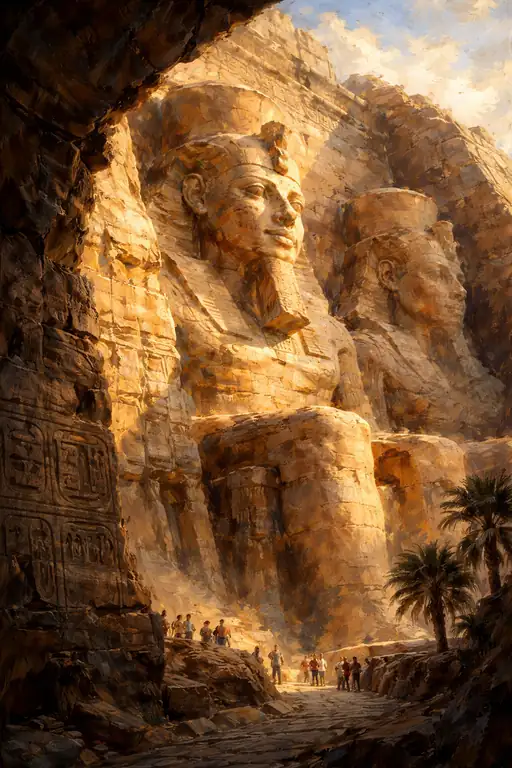 Colossal Majesty Bathed in Golden Hues
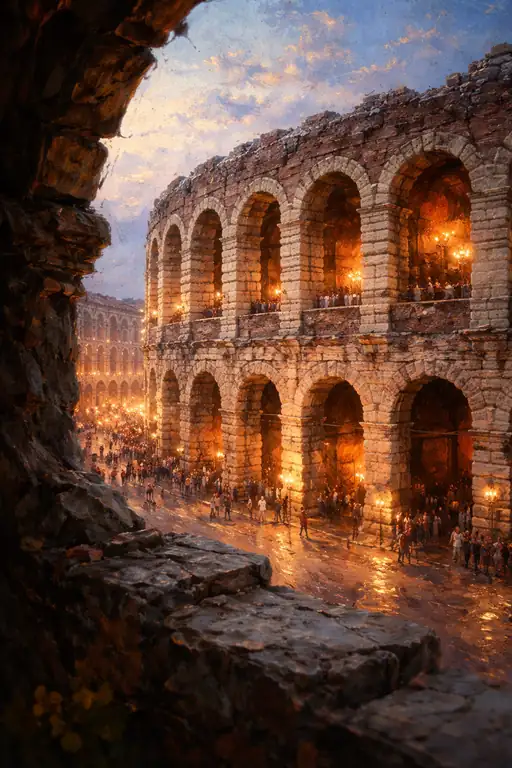 Gathering Under the Twilight Arches