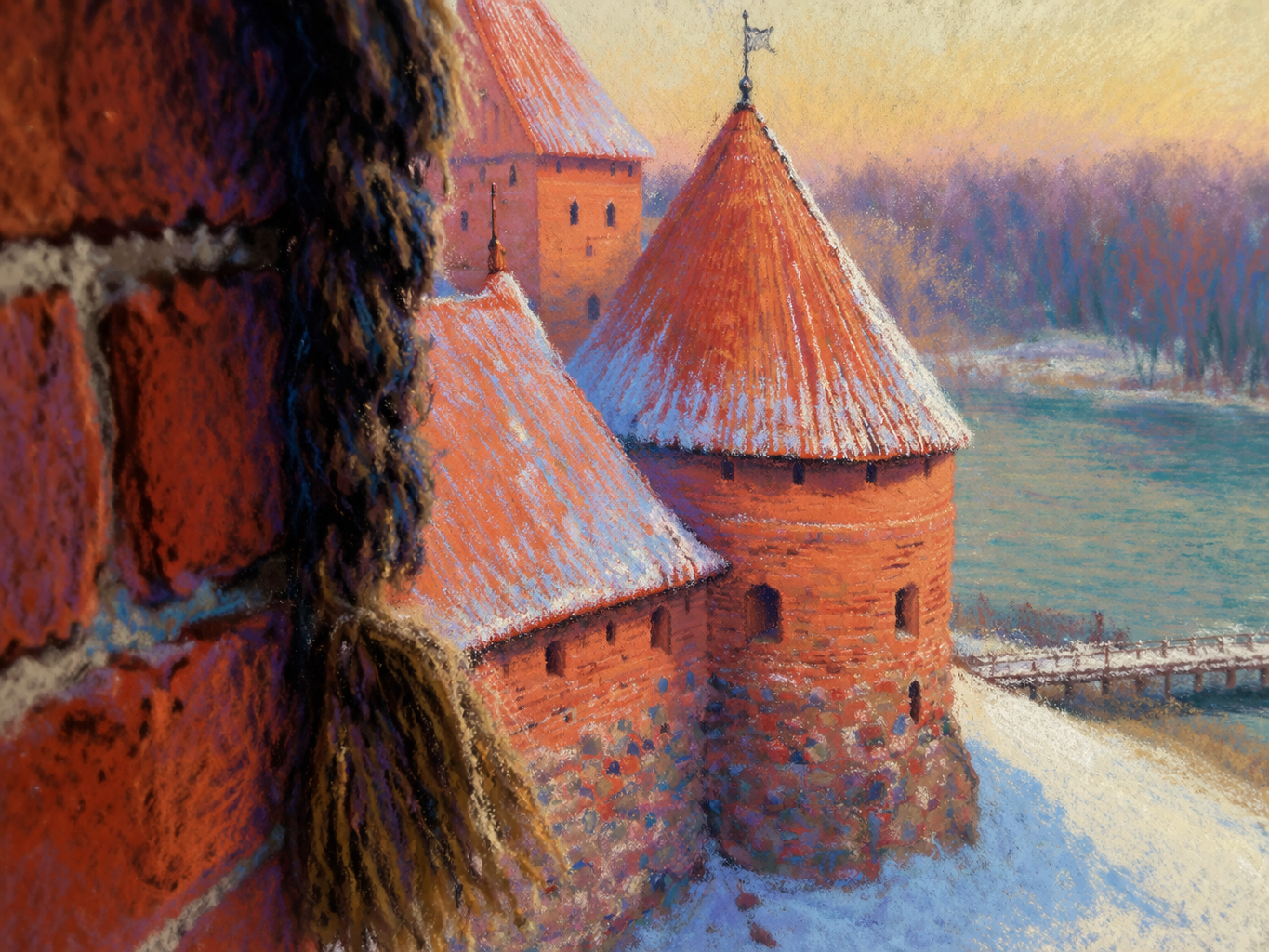
Silence of the Snowy Castle
Critique
1. Introduction This evocative pastel painting presents a quiet winter scene of a medieval castle, characterized by its striking red brickwork and snow-laden roofs. The composition uses a unique close-up perspective to frame the expansive landscape, creating a sense of both intimacy and grandeur within the frozen environment. Through its textured application, the work captures the silent beauty of a historical monument during winter. 2. Description A large brick wall dominates the foreground, with a dark, braided textile tassel hanging close to the viewer. Beyond this focal point, round towers with conical roofs are depicted covered in white snow, set against a backdrop of purple-hued trees. A wooden bridge stretches across a partially frozen body of water, while the sky glows with the soft colors of a winter sunset. 3. Analysis The artist effectively employs a juxtaposition of near and far elements to guide the viewer’s eye through the space. The warm reds of the brickwork provide a strong visual anchor that contrasts with the cool tones of the snow and the icy lake. The diffuse lighting of the late afternoon sky creates a gentle atmosphere, softening the edges of the geometric structures and casting subtle shadows. 4. Interpretation and Evaluation This artwork serves as a contemplative meditation on seasonal change and the enduring nature of human craftsmanship. By including the domestic detail of the tassel alongside the monumental fortress, the artist suggests a lived-in history that persists even in the silence of winter. The technical skill displayed in rendering the varied textures of brick and snow with a pastel medium adds a rich layer. 5. Conclusion The painting successfully conveys the tranquil yet resilient spirit of a castle in winter. Through its thoughtful composition and harmonious color transitions, it creates a lasting impression of a world stilled by cold and blanketed in white. Ultimately, the work stands as a refined example of how specific atmospheric conditions can transform an architectural subject into a deeply personal and poetic visual experience.
Same Subcategory
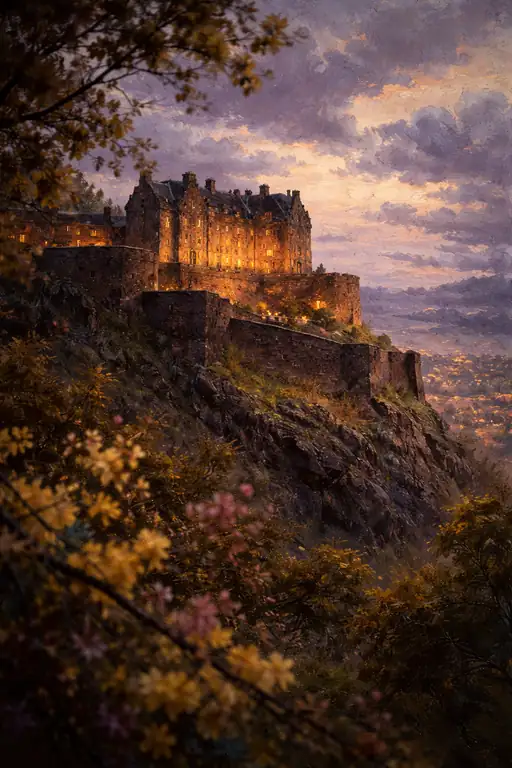 The Citadel's Last Ember in the Dusk
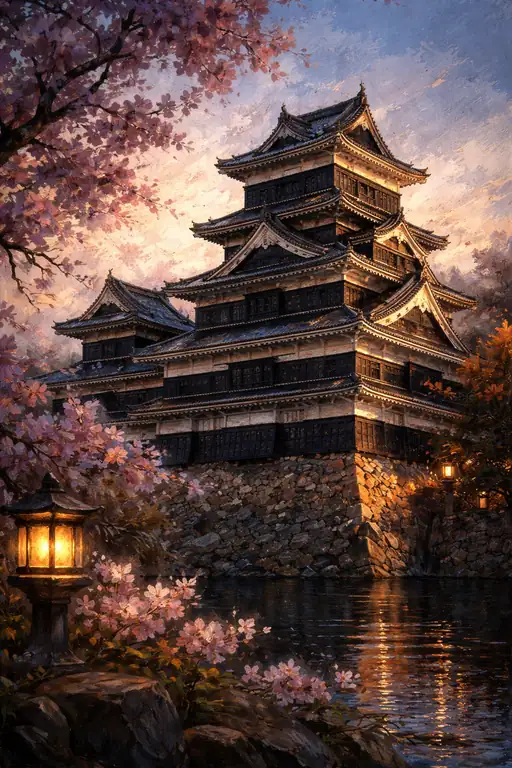 Dusk Embraces the Black Castle
Similar Artworks
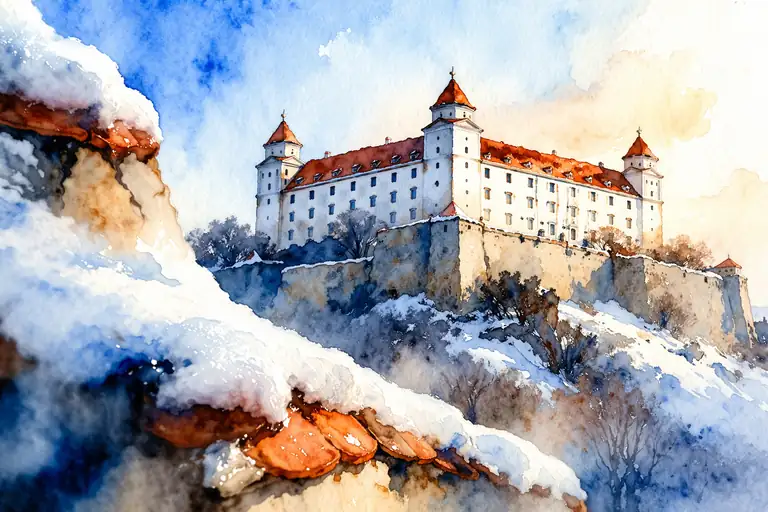 Sunset Glow on Snow-Covered Bratislava Castle
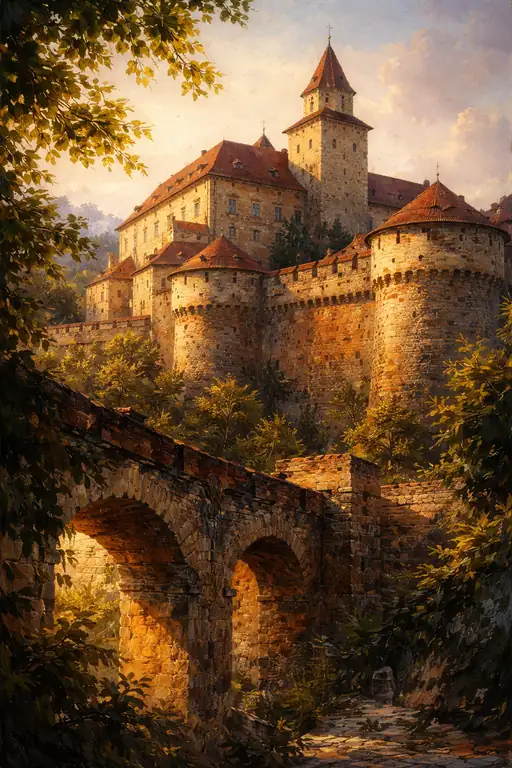 Golden Hour at the Ancient Fortress
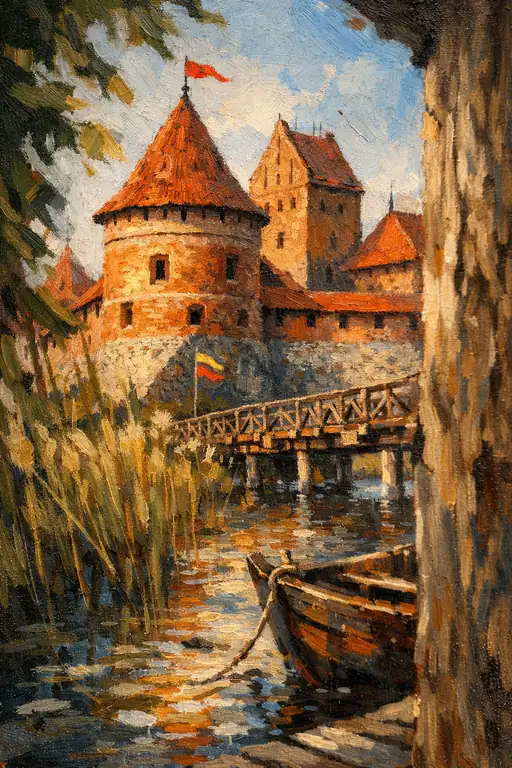 Trakai Castle: Echoes of the Medieval
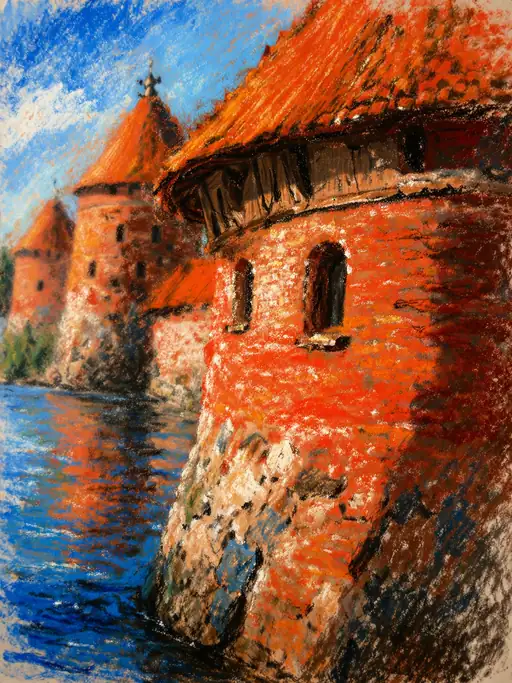 The Fiery Island Fortress
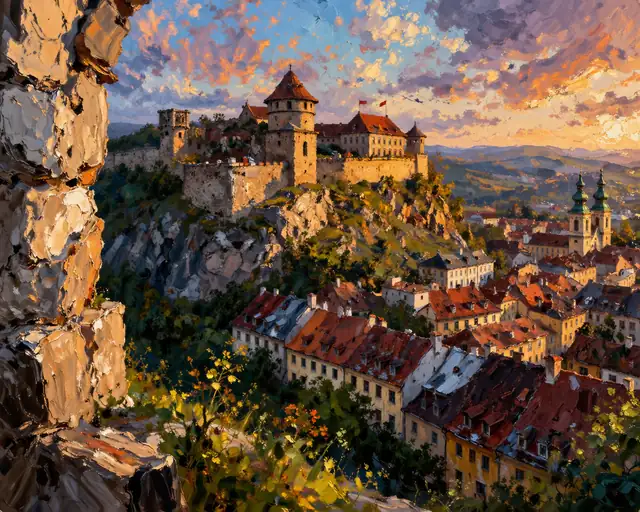 Whispers from the Ancient Bastion
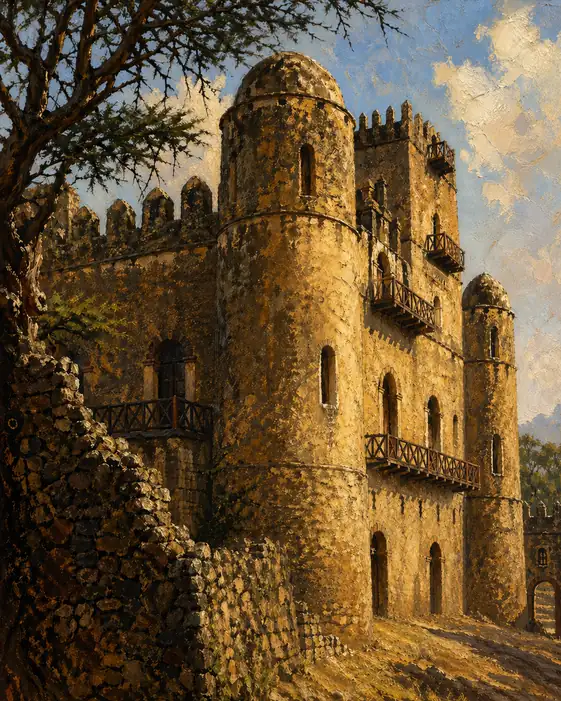 The Golden Echo of Ancient Kings
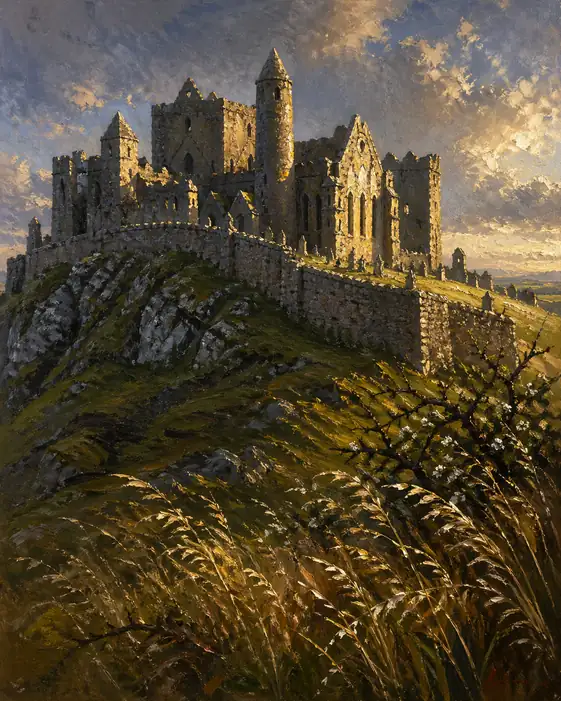 Majestic Castle Ruins at Sunset
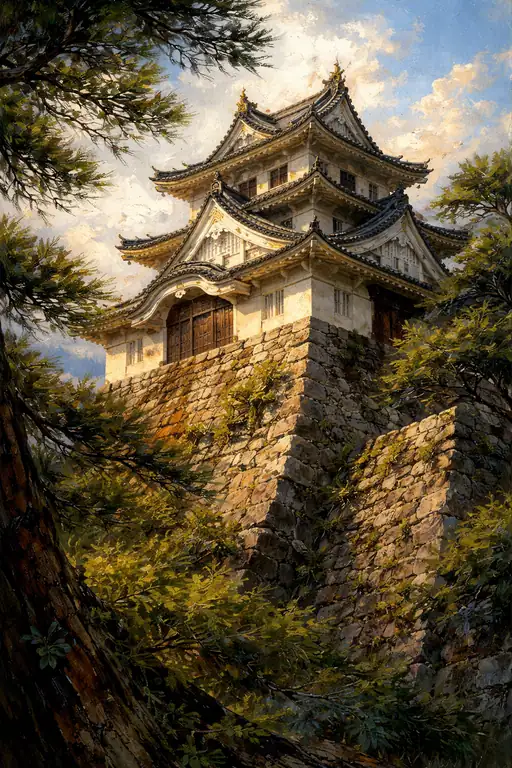 The Silent Sentinel of the Ages
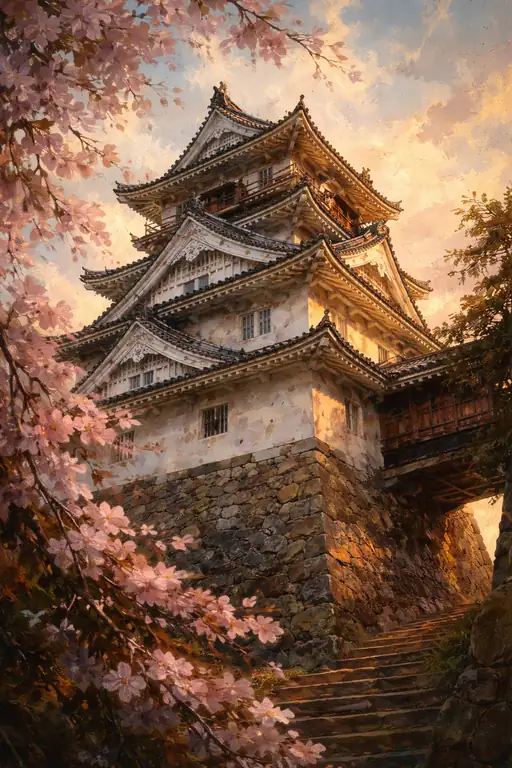 Marugame Glows in Twilight
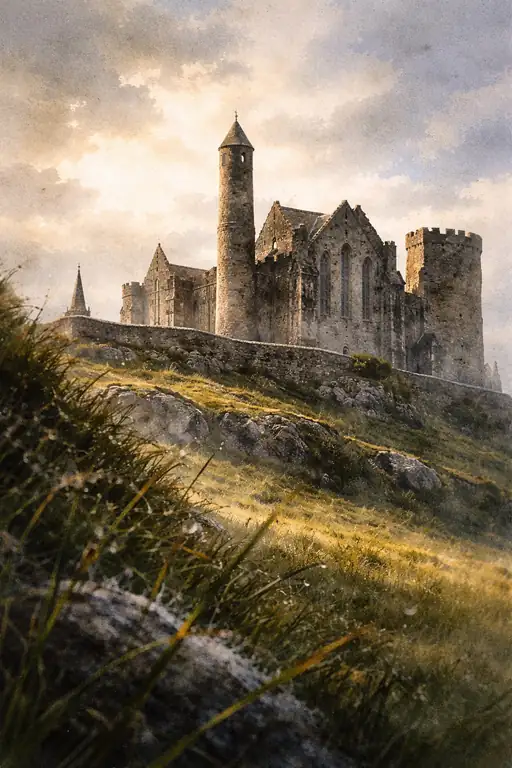 Silence of the Forgotten Abbey