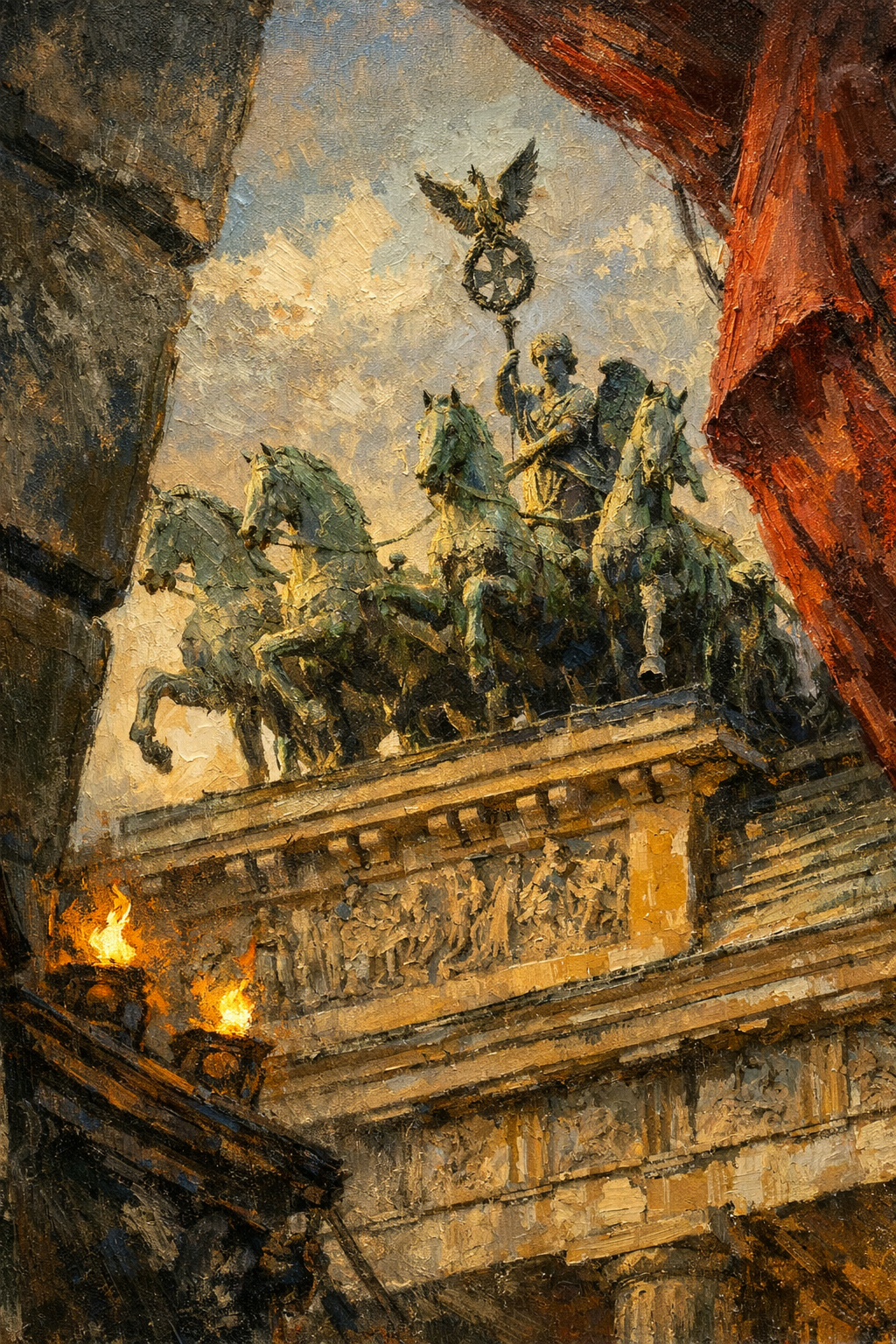
The Triumphant Flames of the Chariot
Critique
1. Introduction The painting presented here is a powerful and dynamic representation of the Quadriga monument atop a classical triumphal arch. This work captures the energy and historical weight of the iconic sculpture through a low-angle perspective and expressive brushwork. The atmosphere is one of dramatic intensity, heightened by the presence of fiery beacons and a dominant, warm color palette that reflects a profound sense of civic triumph or commemoration. 2. Description The composition is centered on four bronze horses pulling a chariot driven by a winged goddess, positioned atop an ornate stone structure featuring intricate high-relief friezes. A large, textured red drapery frames the upper-right corner, while two flaming braziers in the lower-left foreground cast a flickering glow upward. The background consists of a turbulent, thickly painted sky where patches of blue break through golden and ochre clouds, emphasizing the tactile quality of the medium. 3. Analysis The artist employs an impasto technique, using heavy layers of paint to create a physical texture that mirrors the ruggedness of the stone and the muscularity of the horses. The color scheme is dominated by gold, sienna, and deep red, which are unified by the warm light emanating from the torches. This low-angle view creates a strong diagonal thrust, imbuing the static bronze monument with a sense of forward momentum and monumental scale within the limited frame. 4. Interpretation and Evaluation This work succeeds in transforming a static architectural landmark into a living, breathing symbol of national or historical pride. The technical choice of the impasto style is particularly effective, as it demands a more visceral engagement from the viewer than a smooth, academic rendering would. By incorporating the flames and the red fabric, the artist adds elements of motion and symbolism that elevate the piece from a simple study to a sophisticated commentary on power and enduring legacy. 5. Conclusion In conclusion, the painting is a masterful exercise in historical atmosphere and textural expression that breathes new life into its classical subject. Initially appearing as a monumental study, closer inspection reveals a complex emotional intensity driven by the interplay of fire, stone, and symbolic color. It stands as a significant contribution to contemporary architectural painting, effectively merging historical reverence with a bold, modern application of materials.
Same Subcategory
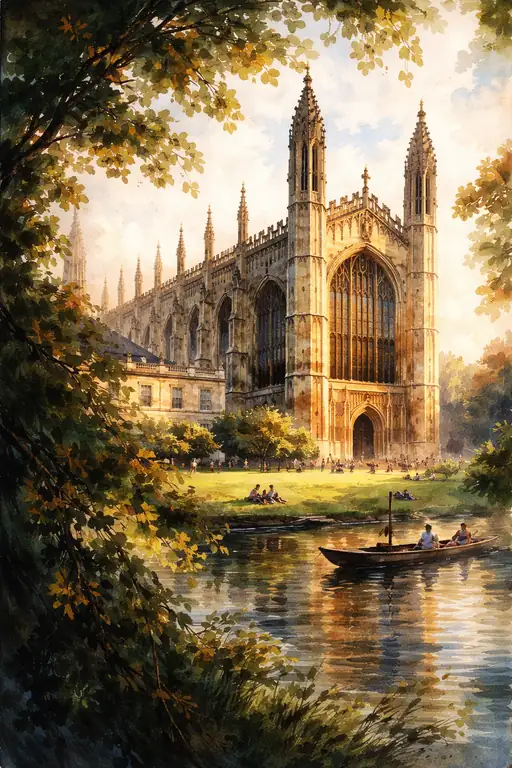 Timeless Reverie Under the Willow
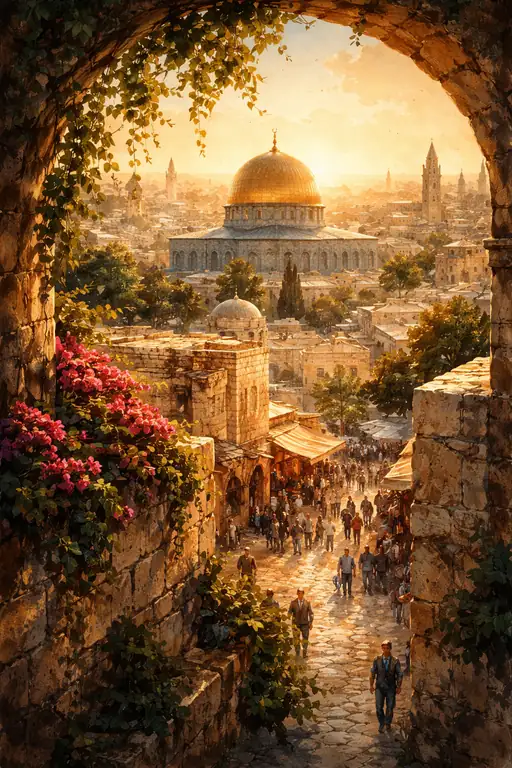 Gateway to the Golden Hour
Similar Artworks
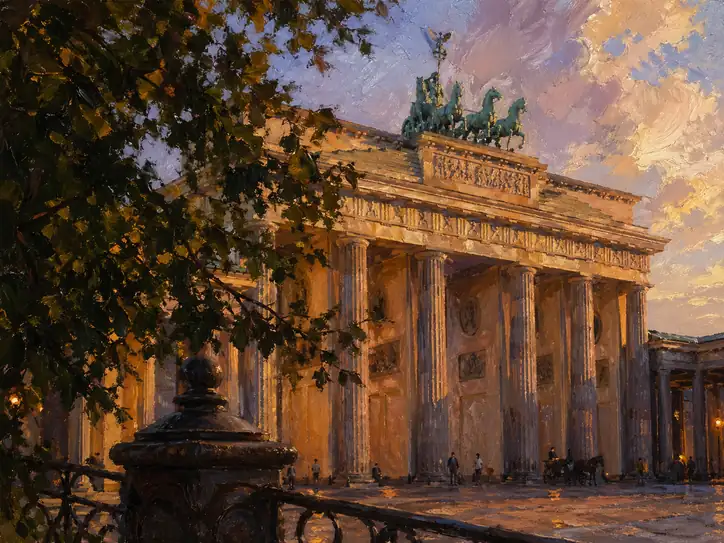 The Majestic Brandenburg Gate Bathed in a Golden Sunset Glow
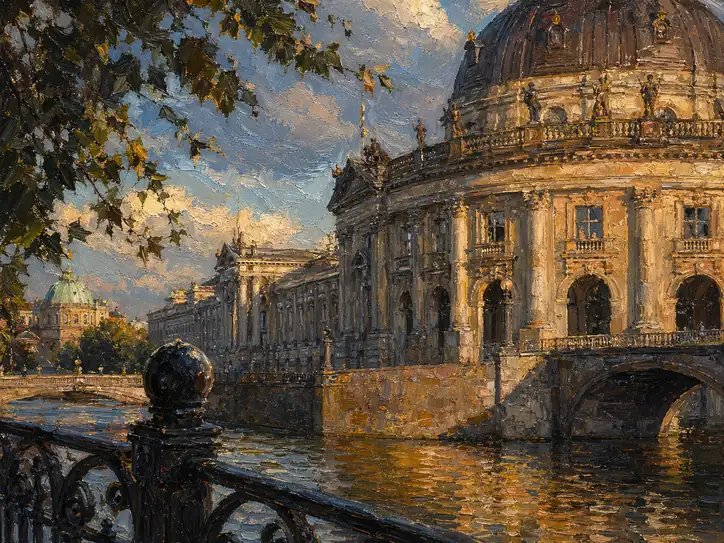 Golden Grandeur: Museum by the River
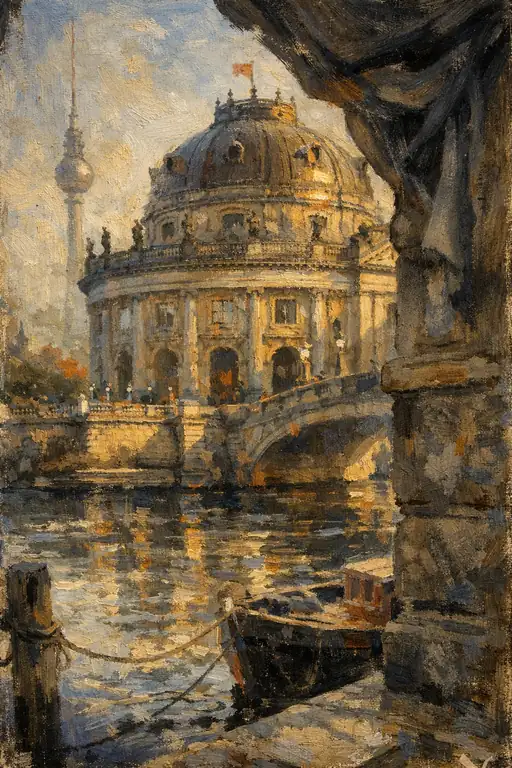 Golden Glow Upon the Riverfront Dome
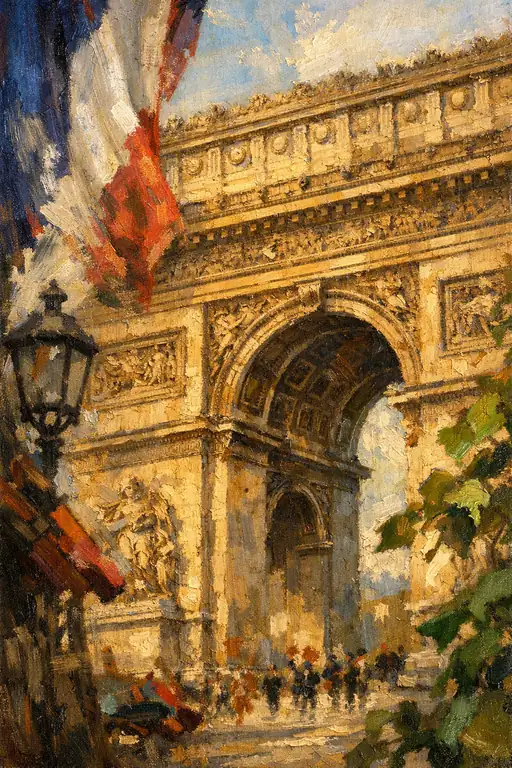 Tricolor Over Golden Stone
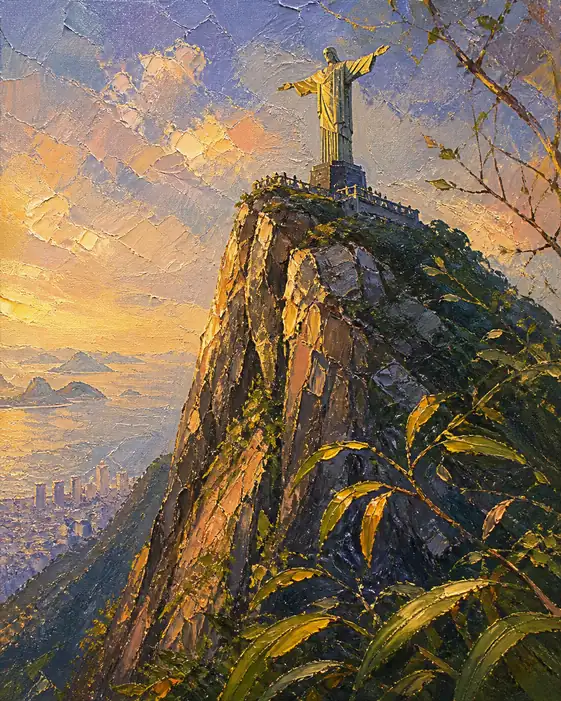 The Gilded Embrace of Corcovado
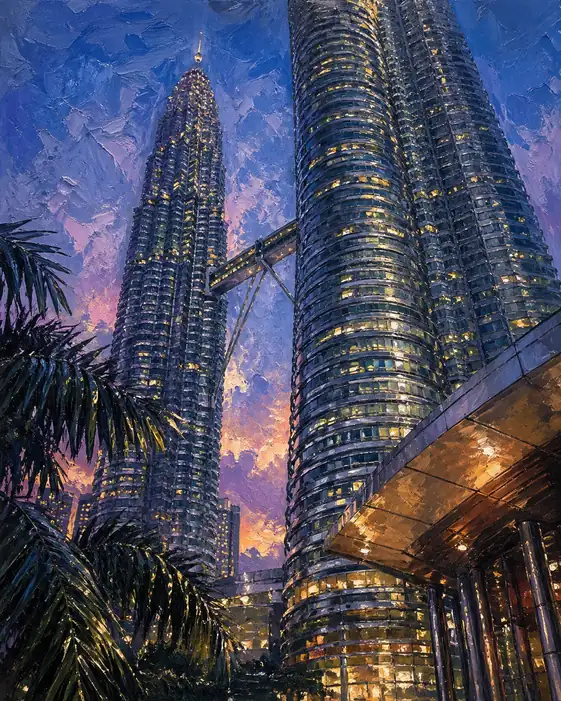 Beacons of Ambition Under the Setting Sun
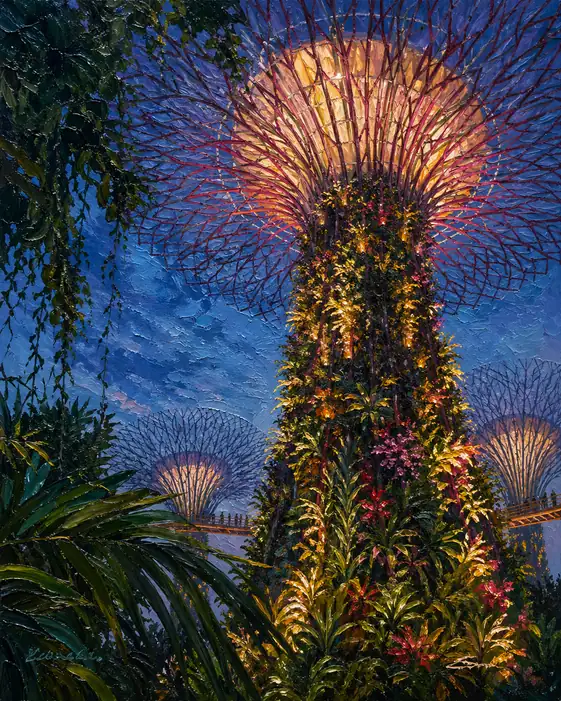 The Glowing Heart of a City's Dream
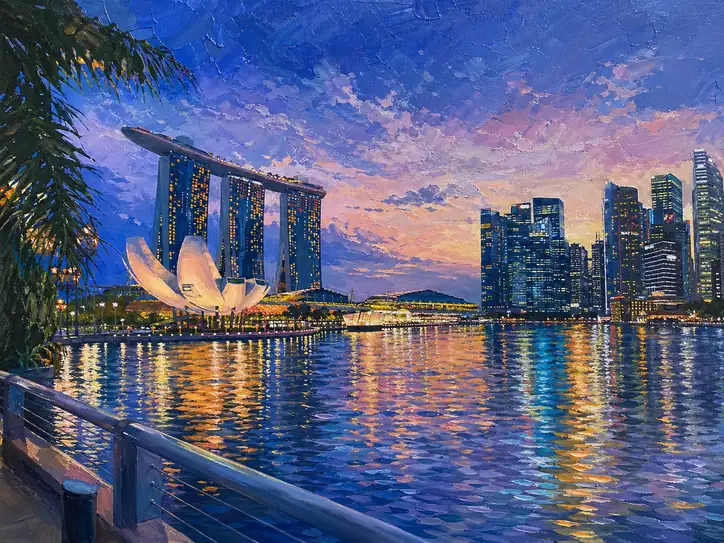 Mirrored Dreams of the Metropolis
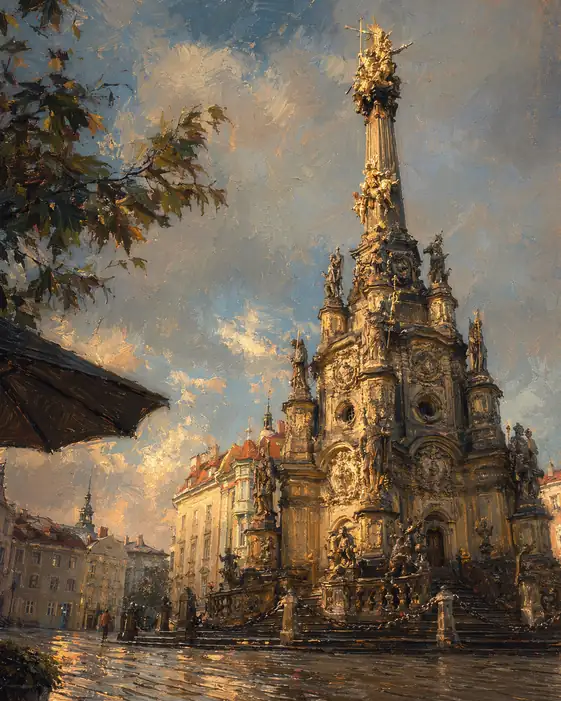 The Light Within
 Azure Dreams in the Old Village