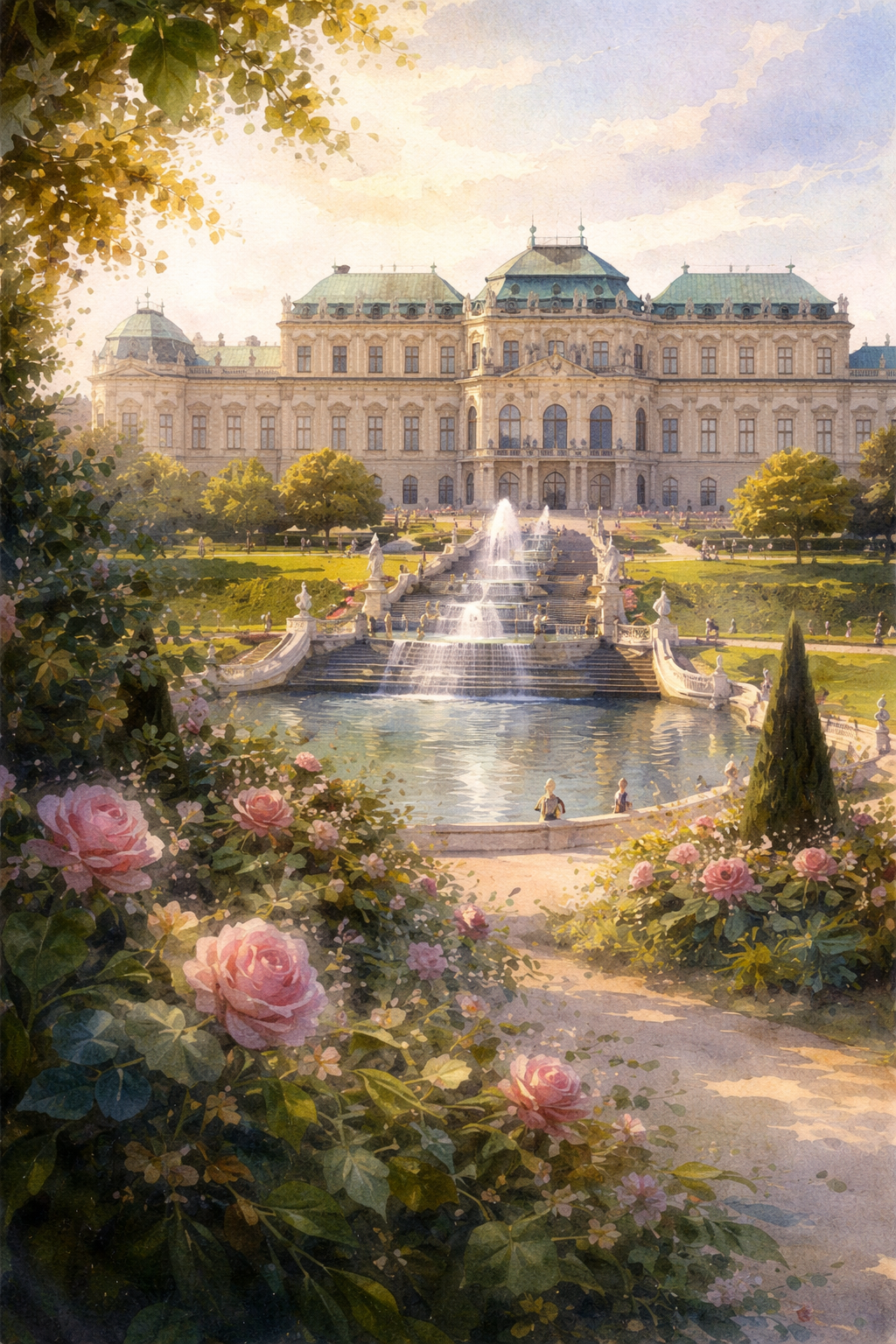
Whispers of the Rose Garden
Critique
1. Introduction This painting depicts the Upper Belvedere Palace in Vienna, a masterpiece of baroque architecture, captured within its expansive and manicured gardens. The scene emphasizes the grandeur of the palace's facade and the sophisticated water features that characterize the historic site. The work presents a romantic and atmospheric vision of one of Austria’s most iconic cultural landmarks. 2. Description The composition is dominated by the long, symmetrical facade of the palace, featuring its characteristic turquoise roofs and ornate stone carvings. In the foreground, vibrant pink roses in full bloom lead the viewer’s eye toward a large circular pool and a multi-tiered fountain cascade. The garden is filled with lush greenery and classical statues, all bathed in a soft, hazy sunlight that blurs the lines between the architecture and the sky. 3. Analysis The artist uses a vertical orientation to accentuate the height of the palace and the depth of the garden's perspective. The color palette is composed of harmonious pastel tones, with the delicate pink of the flowers providing a warm contrast to the cool blues of the water and the palace roof. The brushwork is soft and painterly, particularly in the rendering of the water’s spray and the dappled light on the foliage, creating a dreamlike quality. 4. Interpretation and Evaluation The work interprets the Belvedere as a symbol of elegance and historical continuity, where architecture and nature exist in perfect, formal balance. Evaluation of its execution reveals a strong command of light and atmosphere, successfully conveying a sense of tranquil luxury. The technical handling of the fountain’s transparency and the intricate floral details in the foreground demonstrates a high level of artistic precision and aesthetic sensitivity. 5. Conclusion This study of the Belvedere Palace successfully captures the timeless charm and architectural magnificence of the site through a gentle and appreciative lens. The initial impression of a grand royal residence is deepened by the painting’s focus on the sensory details of the garden and the play of light. It stands as an evocative and technically accomplished representation of Viennese baroque heritage and garden design.
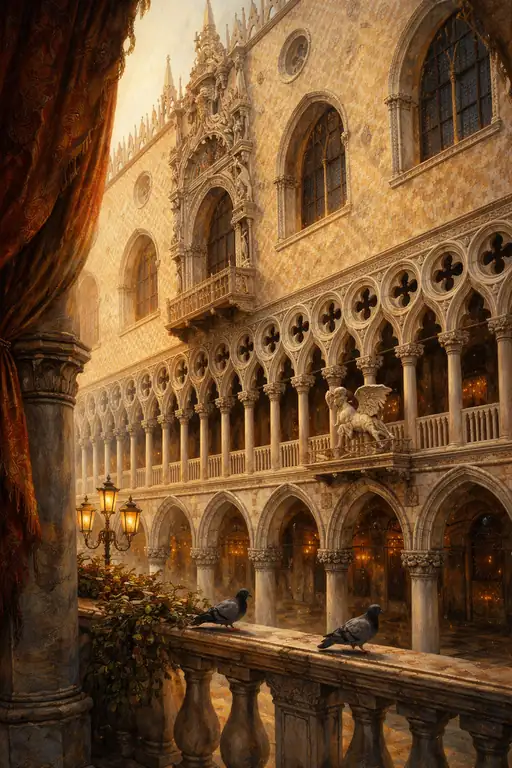 Echoes of Gothic Grandeur
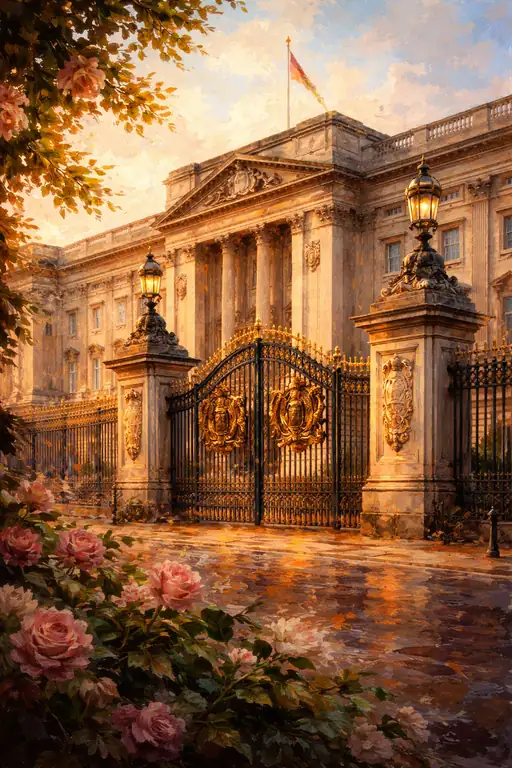 Grace of the Golden Hour
 Sun-Drenched Serenade
 A Silent Witness to Golden Splendor
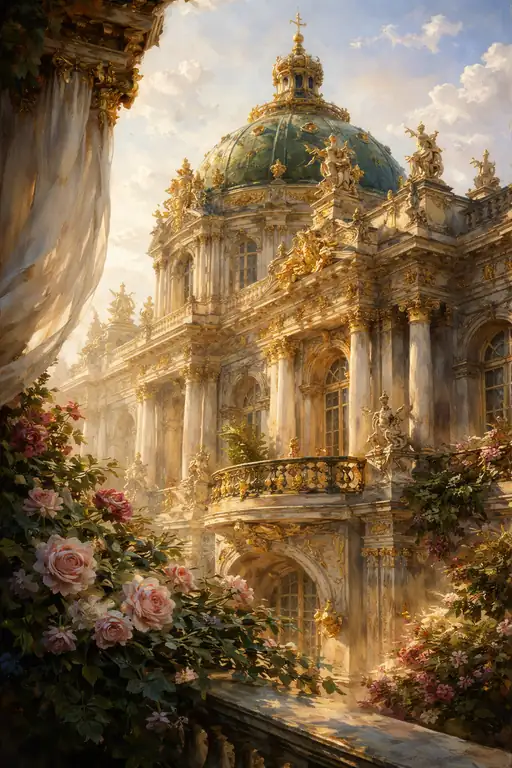 Golden Roses of the Baroque Era
 Symphony of Water and Stone
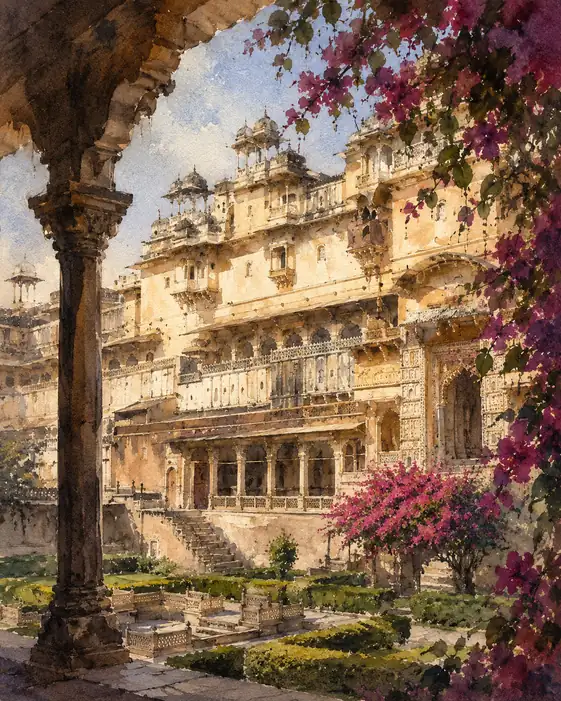 Echoes of a Royal Spring
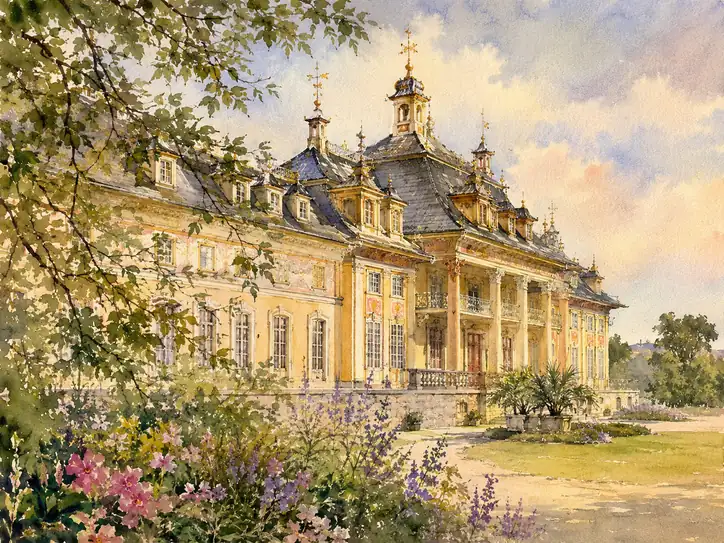 The Palace Dressed in Summer Light
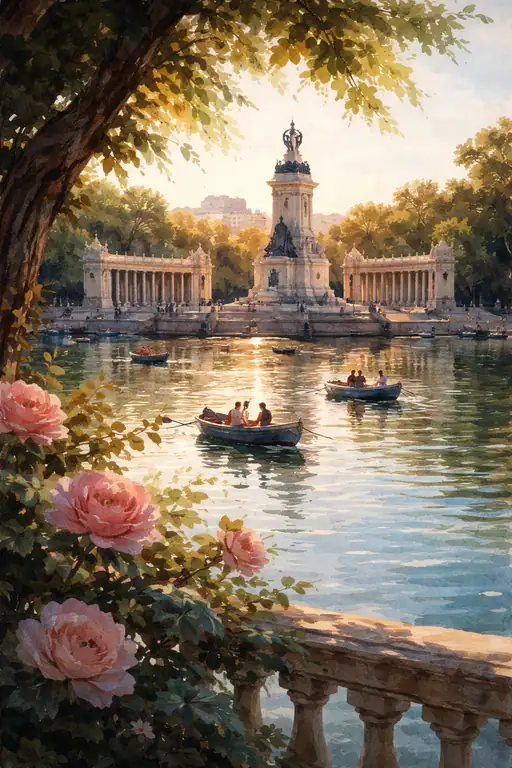 Roses Framing a Tranquil Utopia
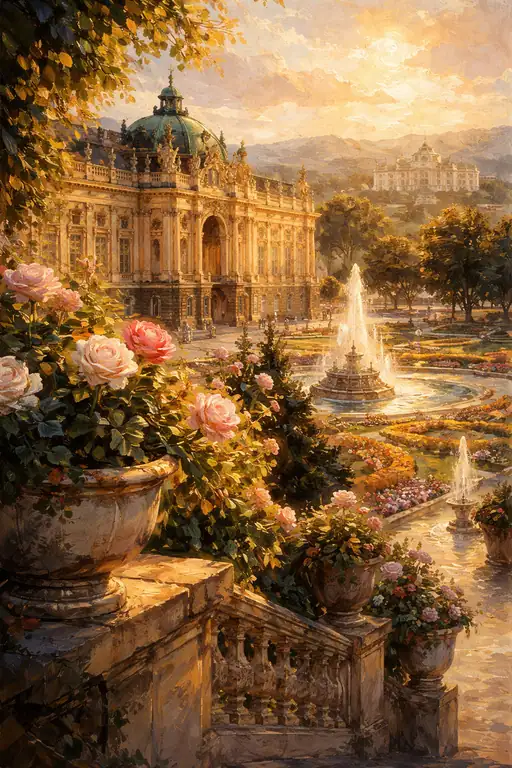 Baroque Sunsets over the Estate
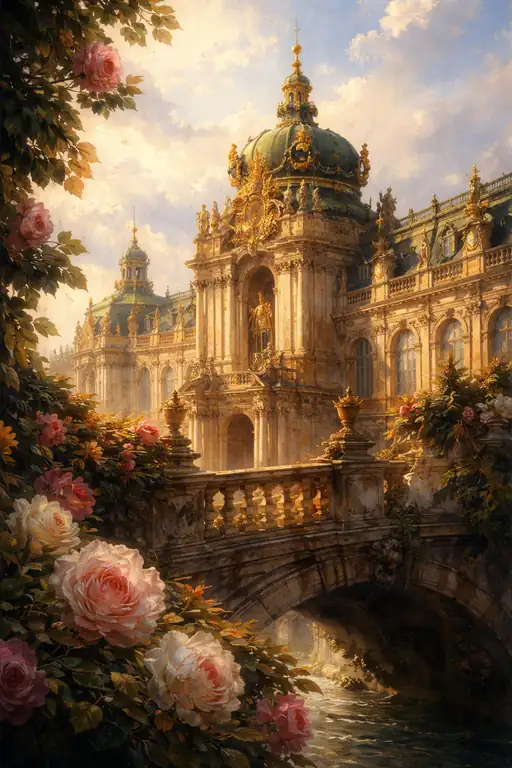 Golden Resonance
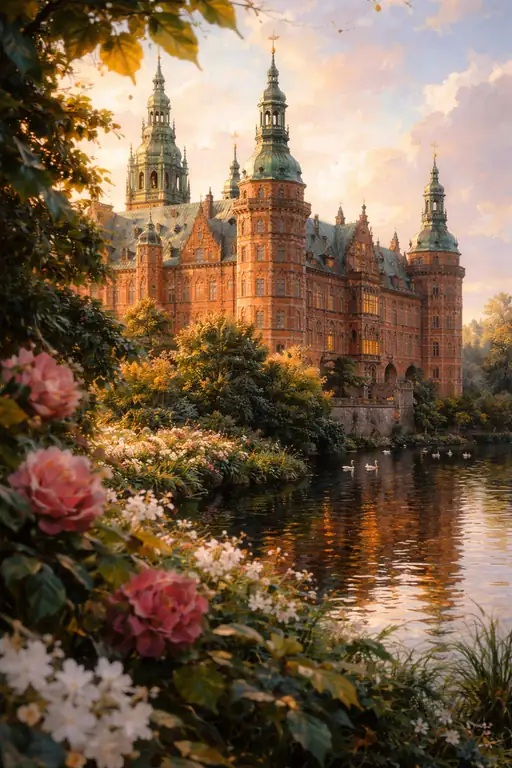 Serenade of the Dawn Lake