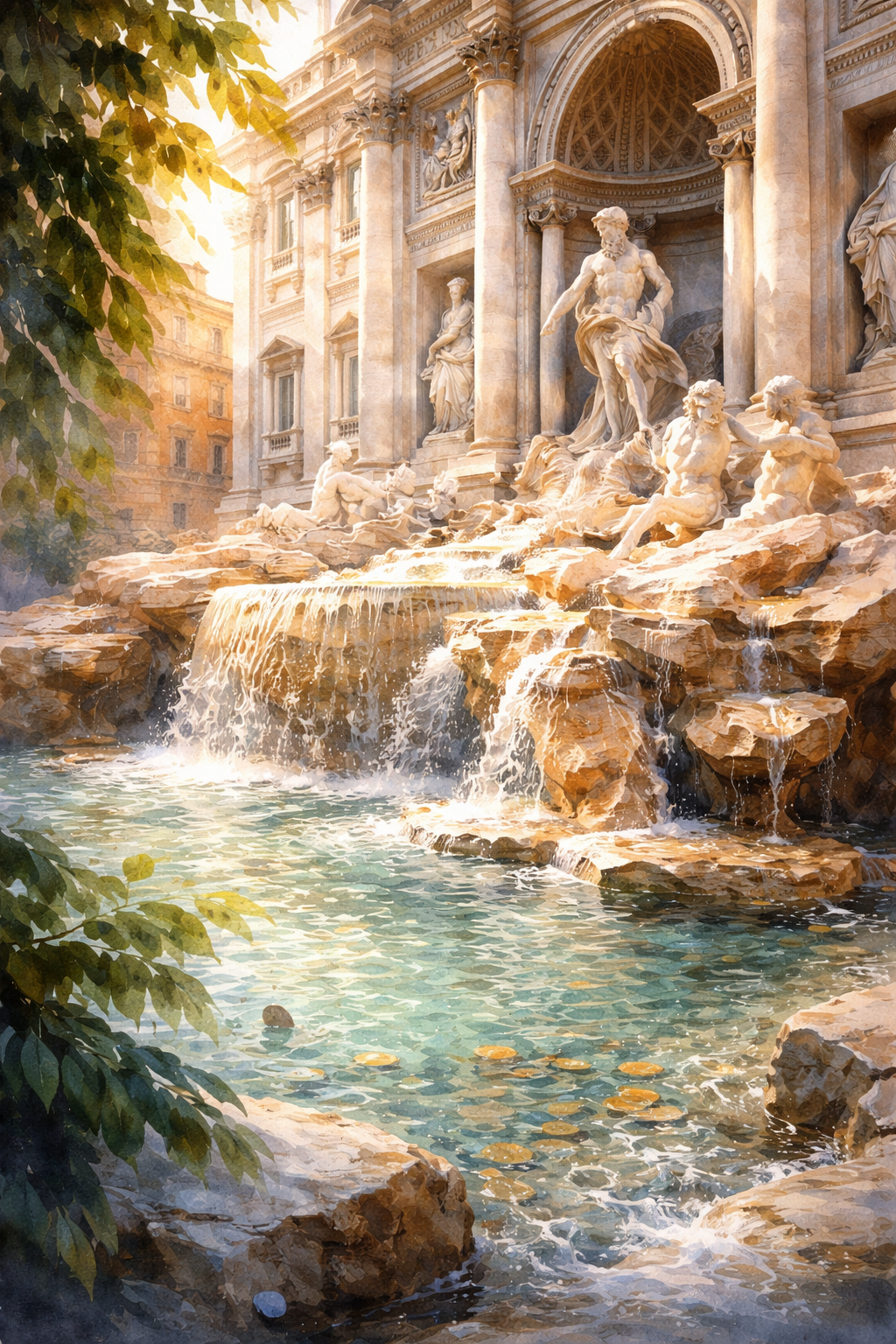
Symphony of the Sunlit Cascade
Critique
1. Introduction This painting captures the exuberant Baroque splendor of the Trevi Fountain, rendering the famous Roman landmark as a dynamic symphony of stone, water, and light. The artist skillfully translates the theatricality of the monument into a two-dimensional space, emphasizing the powerful movement of the cascading falls and the heroic scale of the sculptural groups. Through a bright, luminous palette and a sensitive approach to texture, the work celebrates the intersection of grand architecture and the fluid energy of nature. 2. Description The composition centers on the elaborate facade and its central niche, where the figure of Oceanus (Neptune) presides over a rugged landscape of travertine rocks. Water pours from various levels, creating a complex series of waterfalls that tumble into a shimmering turquoise pool. In the foreground, the artist includes sun-dappled foliage on the left, which adds a layer of intimacy and suggests a specific time of day. The surrounding buildings are rendered in warm, sandy tones, providing a stable architectural frame for the chaotic beauty of the fountain. 3. Analysis The treatment of light is central to the painting's success, particularly in the way the artist captures the translucency and reflective qualities of the water. Sunlight filters through the overhead leaves, casting dancing shadows and bright highlights across the sculptural details and the ripples in the basin. The palette is dominated by creams, whites, and pale ochres, which are punctuated by the vibrant blue-greens of the pool. The brushwork is energetic and varied, ranging from the precise rendering of the marble figures to the broader, more gestural strokes used for the splashing water. 4. Interpretation and Evaluation The work can be interpreted as an exploration of the relationship between human artifice and the elemental power of water. The Trevi Fountain is a masterpiece of urban engineering and theatrical design, and the painting captures its ability to transform a city square into a grand stage. By emphasizing the organic forms of the rocks and the untamed flow of the water, the artist highlights the Baroque desire to harmonize the artificial with the natural. It reflects an idealized vision of Rome as a place where beauty and history flow as freely as the springs themselves. 5. Conclusion In conclusion, this painting is a masterful depiction of one of the world's most iconic fountains. The artist’s ability to balance the complexity of the sculptural details with the evanescent qualities of light and water demonstrates a high degree of technical proficiency. By capturing the fountain in a moment of brilliant sunlight, the work evokes a sense of joy and wonder, leaving a lasting impression of the timeless allure of the "Eternal City." It is a vibrant tribute to the enduring power of public art and the sensory richness of the Roman urban experience.
Same Subcategory
 Echoes of a Parisian Dream
Similar Artworks
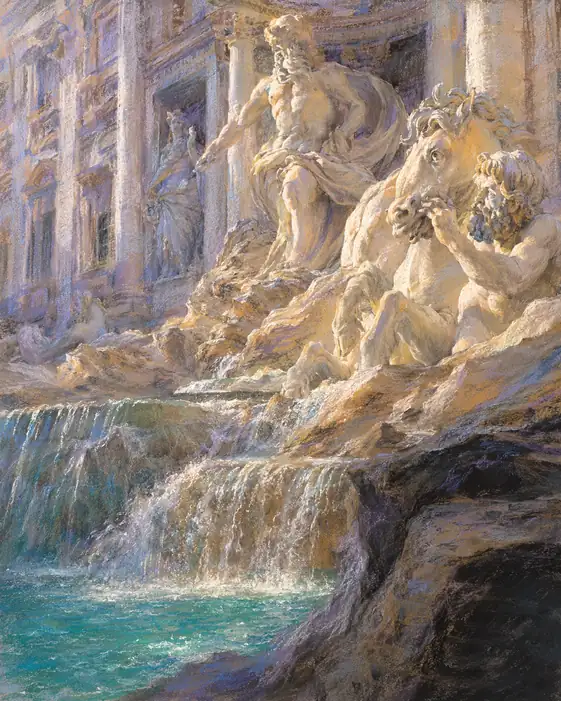 Symphony of the Turquoise Waters
 Liquid Silver: The Eternal Prayer of Trevi
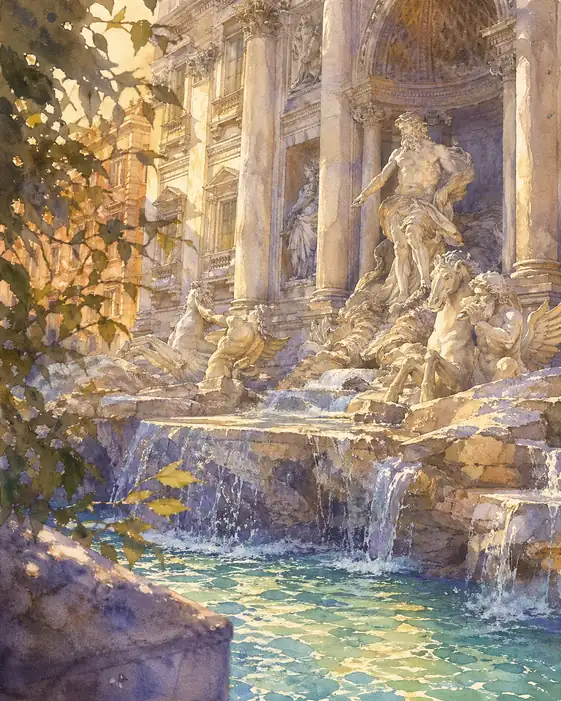 Timeless Waltz of Light and Water
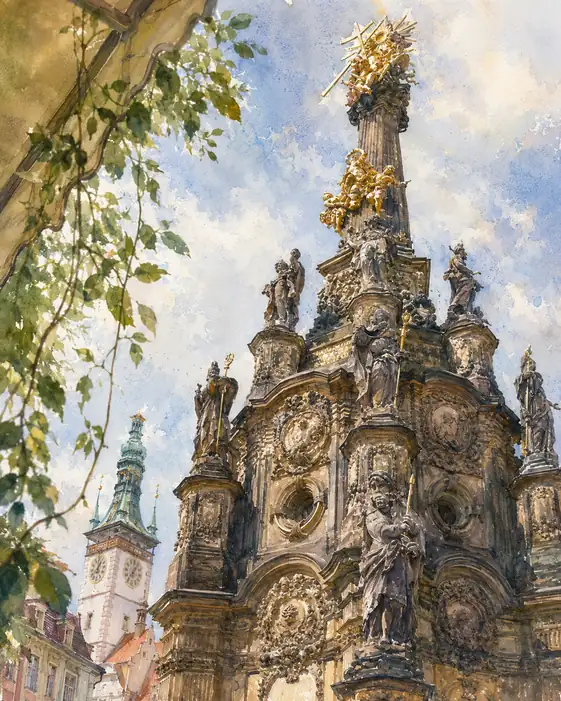 Echoes of Ancient Grace
 Golden Echoes of Empire
 The Arch of Timeless Afternoon
 The Eternal Pantheon
 Melody of Water and Light in the Palace Garden
 A Silent Witness to Golden Splendor
 Radiant Continuity at the Pantheon