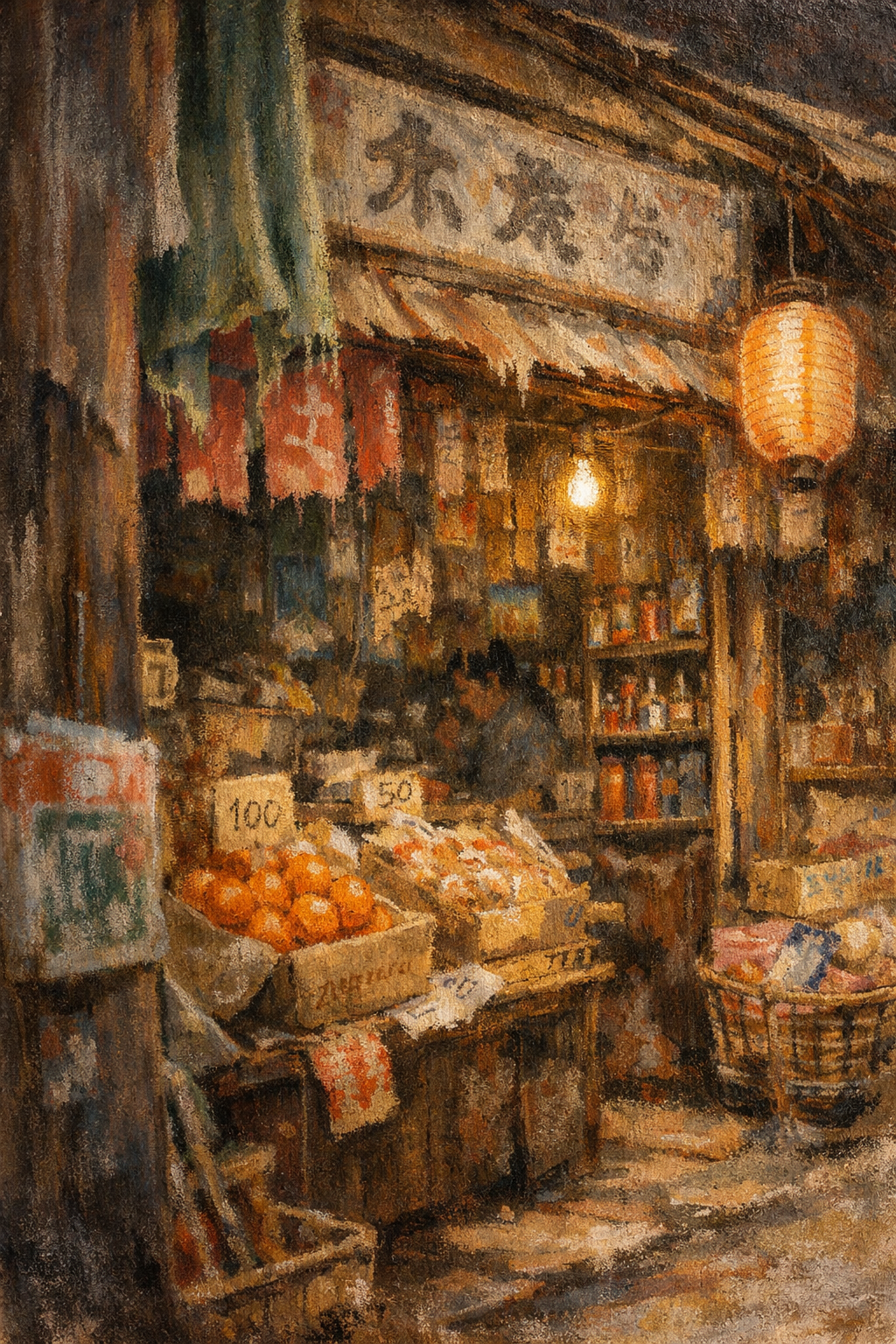
Nostalgia under the Lantern Glow
Critique
Introduction The artwork portrays a nostalgic scene of a traditional Japanese storefront, likely a fruit or candy shop, illuminated by the warm glow of a paper lantern at dusk. This piece captures a sense of quiet history and the enduring charm of neighborhood commerce in a bygone era. The painting focuses on the intimate atmosphere of a small shop nestled within a narrow street, inviting the viewer into a world of warmth and familiarity. It serves as a tribute to the humble yet significant spaces that define urban community life. Description In the foreground, several wooden crates are filled with bright oranges, marked with simple price tags such as "100" and "50." The shop's entrance is adorned with a weathered sign featuring traditional Japanese characters, partially obscured by age. To the right, a vibrant red lantern hangs, casting a soft, golden light across the interior and onto the cobblestone-like ground. Shelves inside the shop are packed with various small containers and bottles, while a basket of miscellaneous items sits on the far right. The overall lighting is dim, suggesting the arrival of evening. Analysis The artist employs a highly textured, impressionistic brushwork that emphasizes the tactile quality of the weathered wood and the organic shapes of the fruit. The color palette is dominated by warm earth tones, deep browns, and vibrant oranges, which are unified by the pervasive golden light of the lantern. Light and shadow are used effectively to create depth within the cramped space of the shop, drawing the viewer's attention to the brilliantly lit fruit in the center. The composition is compact and vertical, reflecting the density of a traditional urban alleyway. Interpretation and Evaluation This work successfully evokes a feeling of nostalgia and comfort, celebrating the simple beauty of everyday commerce. The technical execution is notable for its ability to convey atmosphere through light and texture rather than precise anatomical detail. The choice of subject matter highlights the importance of small, local establishments as anchors of social and cultural identity. The painting possesses a lyrical quality, transforming a mundane street corner into a scene of quiet dignity. It is a heartfelt exploration of memory and the enduring warmth of human-scale environments. Conclusion While the initial impression is one of rustic simplicity, further observation reveals a sophisticated handling of light and a deep empathy for the subject. The artwork masterfully captures the "soul" of a traditional Japanese shop, preserving a fleeting moment of urban tranquility. Ultimately, it leaves the viewer with a sense of peace and a renewed appreciation for the beauty found in the modest corners of the world. This piece is an excellent example of how art can capture the essence of a place and its emotional resonance.
Same Subcategory
 Mystery of the Summer Shrine
Similar Artworks
 Lanterns' Glow in the Nocturnal Bath
 Lanterns' Glow on the Misty Trail
 Twilight Whispers Along the Snow
 The Festive Glow of the Tiered Village
 Shadows Dancing on the Lattice
 Mystic Vapors of the Evening Lanterns
 Dusk Settles on the Stone Steps
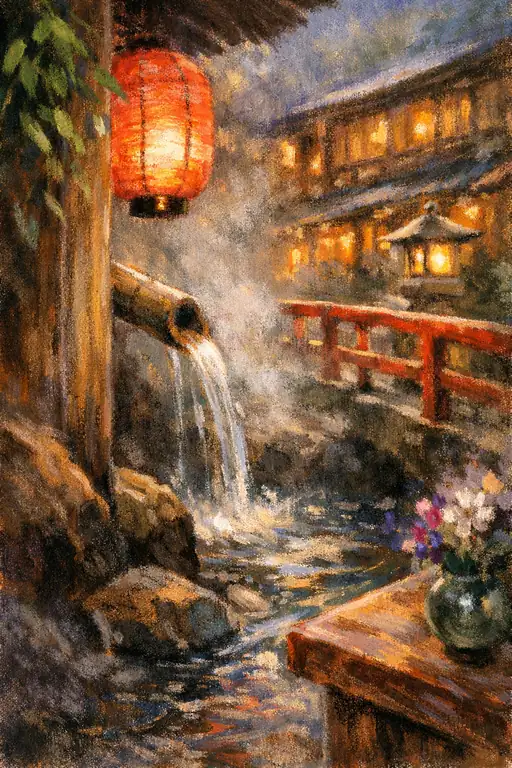 Warm Echoes of the Lantern-Lit Night
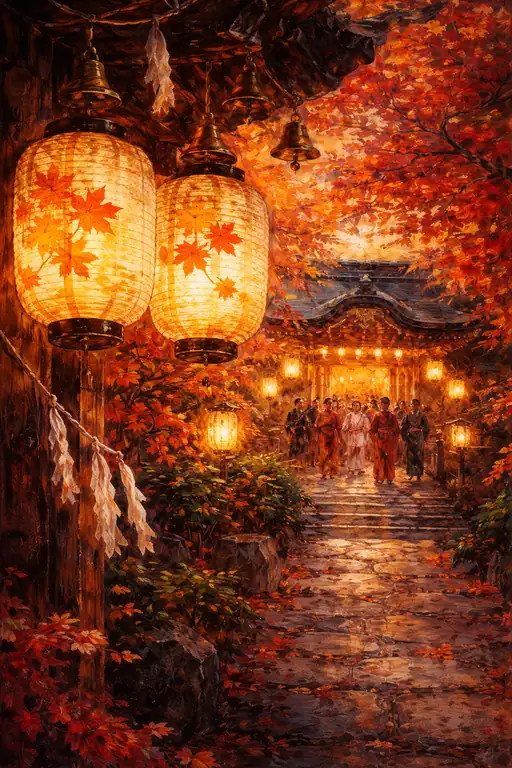 Path of the Crimson Leaves
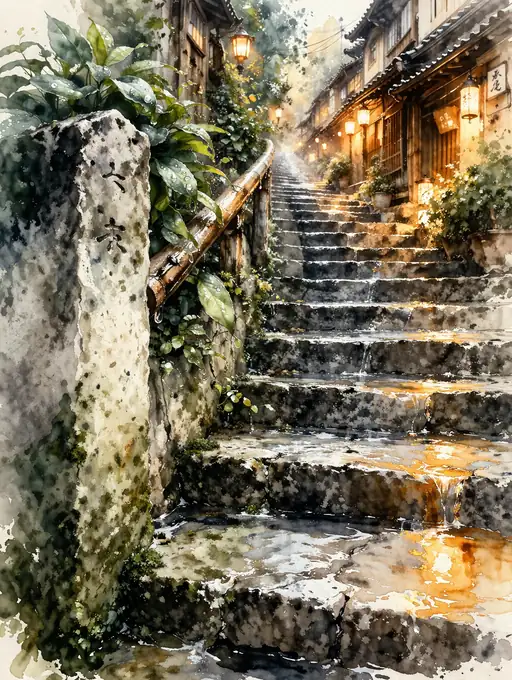 Reflections on the Wet Stone Path