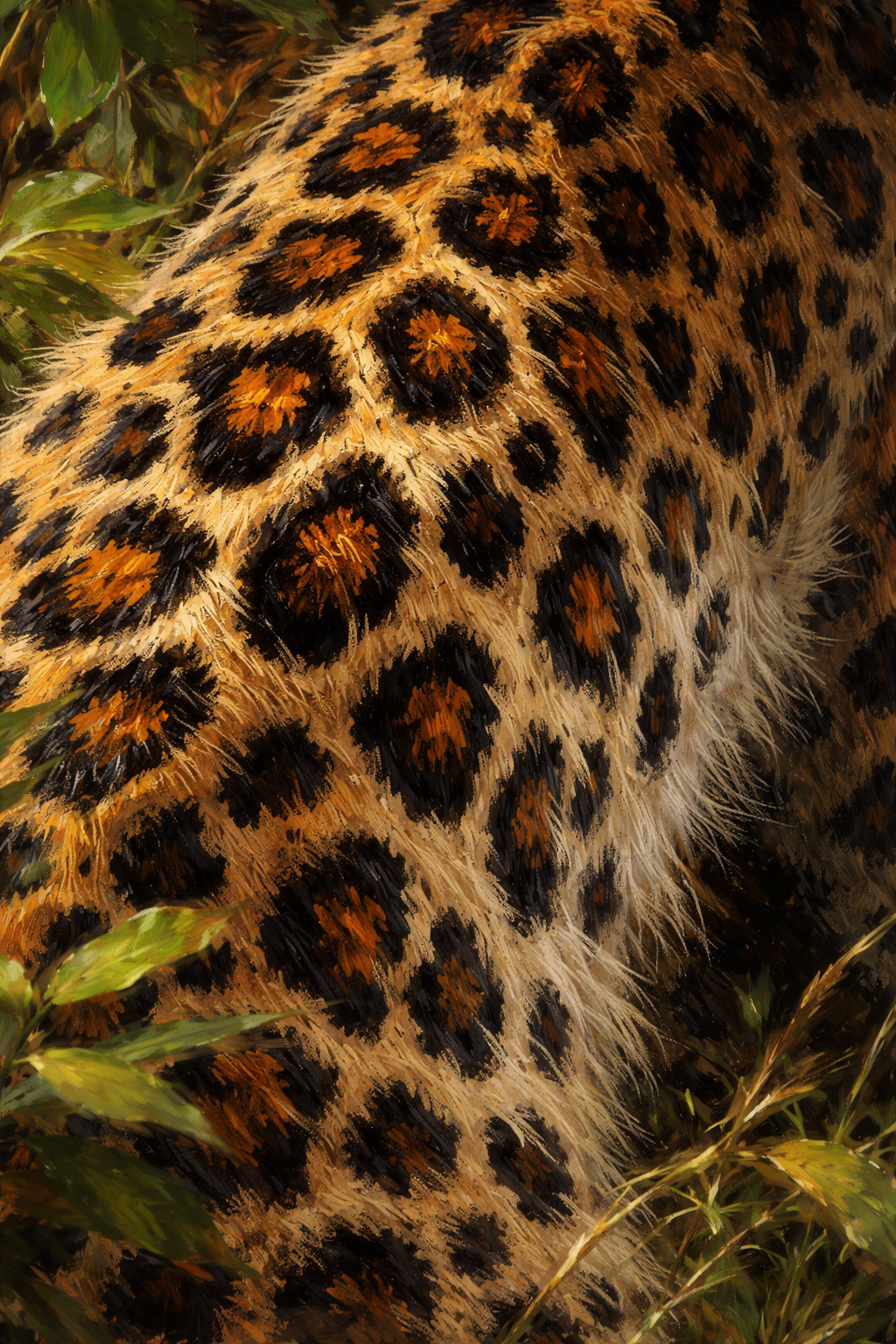
Silent Guardian of the Twilight
Critique
1. Introduction This oil painting presents an extreme close-up study of feline fur, specifically focusing on the intricate rosette patterns of a leopard or jaguar. The work departs from traditional wildlife portraiture by isolating a fragment of the animal's body, transforming a biological detail into a complex field of texture and color. Through this macro-perspective, the artist explores the abstract beauty found within the functional camouflage of nature. 2. Description The canvas is entirely filled with the densely textured fur of a large cat. A series of dark, irregular rosettes with warm orange-brown centers are arranged across a pale golden background. Individual hairs are visible, rendered with short, rhythmic brushstrokes that create a sense of softness and depth. In the lower left and upper corners, small fragments of green foliage provide a brief environmental context, suggesting the animal's presence within a jungle or forest. 3. Analysis The composition is decentralized, encouraging the eye to move across the repetitive yet varied patterns of the fur. The artist employs a palette of ochre, sienna, and deep charcoal, using highlights to suggest the sheen and volume of the animal's coat. The use of texture is significant; the thick application of paint mimics the physical density of the fur, bridging the gap between representation and abstraction. Light appears to filter through an unseen canopy, creating subtle variations in value that define the cylindrical form of the animal's limb or torso. 4. Interpretation and Evaluation This work demonstrates a sophisticated understanding of organic pattern and tactical detail. By removing the animal's identifying features like eyes or face, the artist invites a purely aesthetic appreciation of the subject's surface qualities. The technical execution of the rosettes is particularly noteworthy, capturing the specific "broken" quality of the markings with great accuracy. This approach effectively highlights the dual nature of the leopard's coat as both a beautiful visual arrangement and a sophisticated tool for survival, demonstrating a unique conceptual depth. 5. Conclusion In summary, the painting is a remarkable exploration of nature's design at a microscopic level. The initial impression of a complex pattern gradually gives way to a tactile appreciation for the artist's meticulous handling of the medium. The work succeeds in elevating a fragment of the natural world into a profound statement on the inherent artistry found in all living forms.
Same Subcategory
Similar Artworks
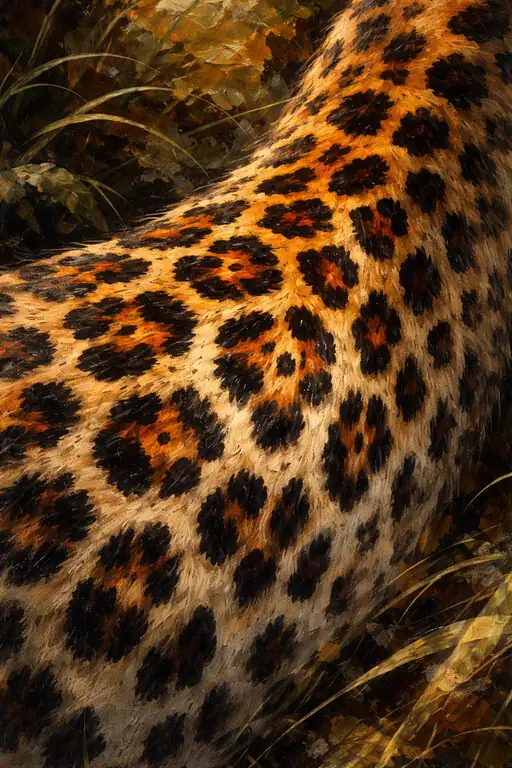 Rhythm in the Shadows
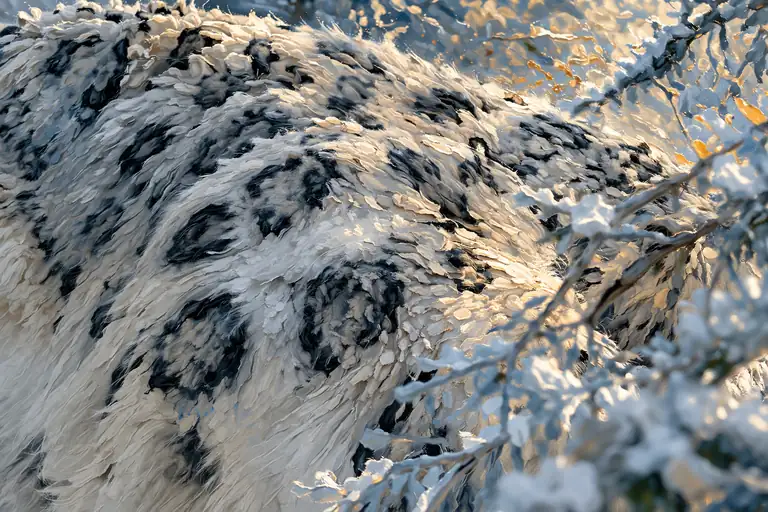 Golden Warmth on Frosted Camouflage
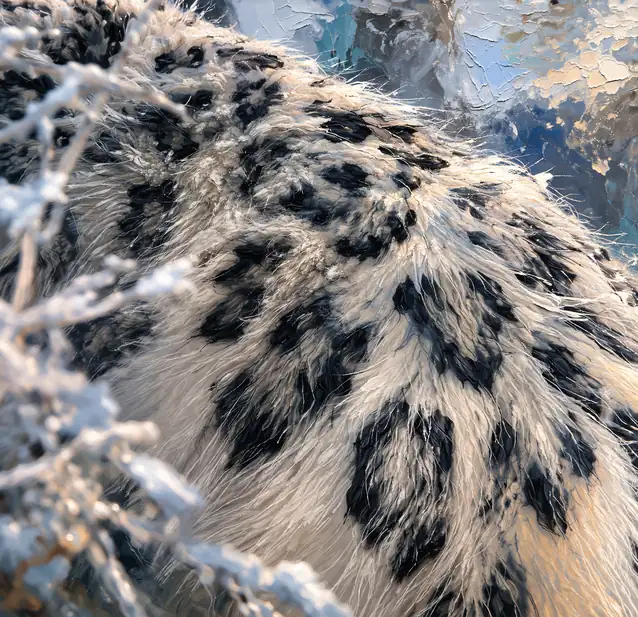 Quiet Endurance Beneath the Frost
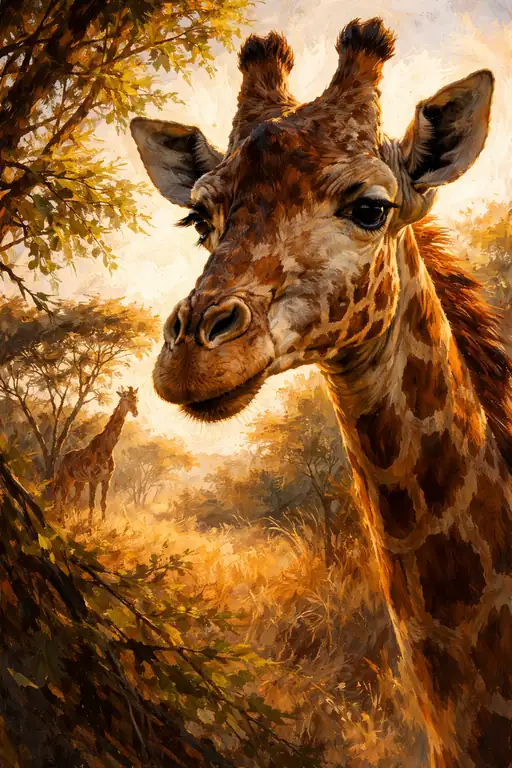 Whispering Winds Through the Pines
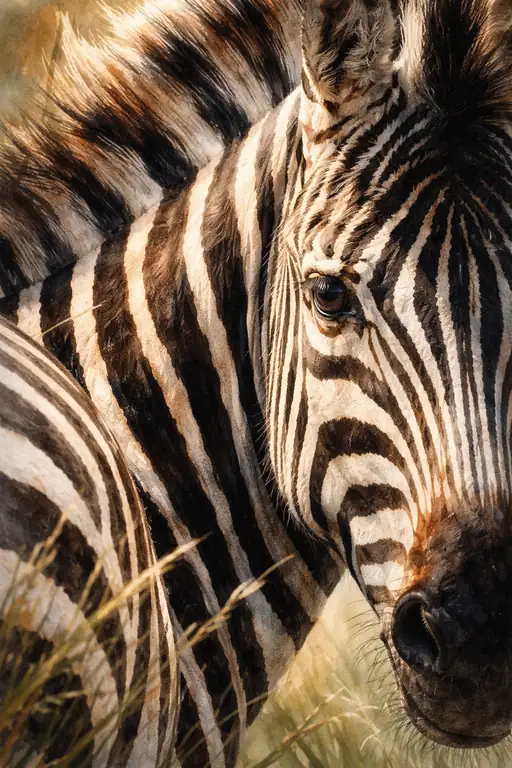 Echoes of a Forgotten Path
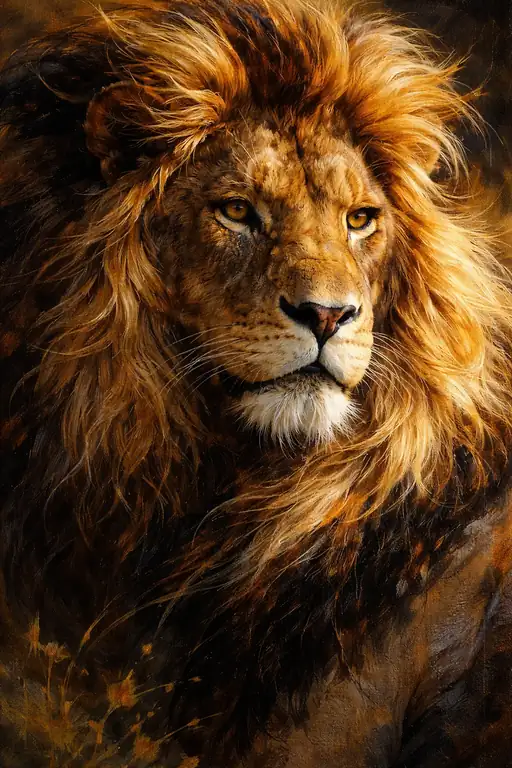 Golden Reverie of the Fields
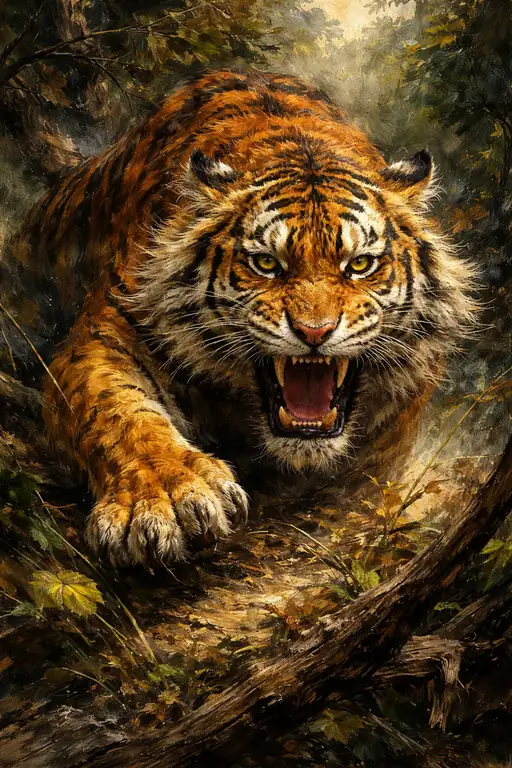 Fierce Shadows of the Untamed Forest
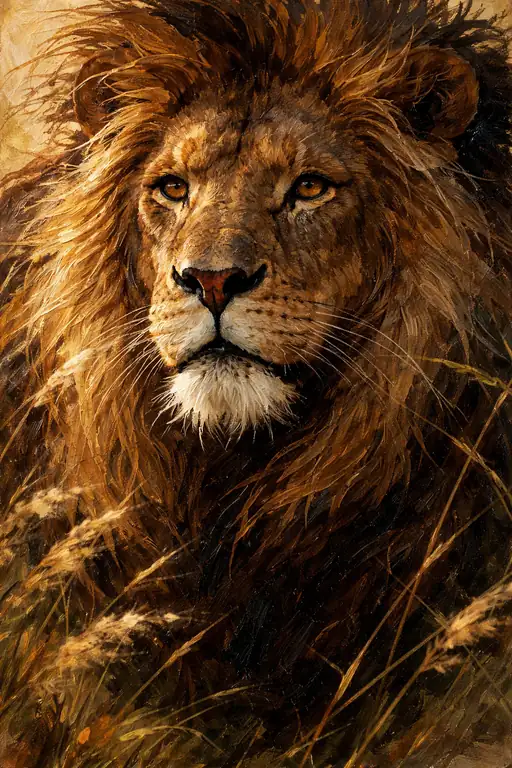 A King's Silent Endurance
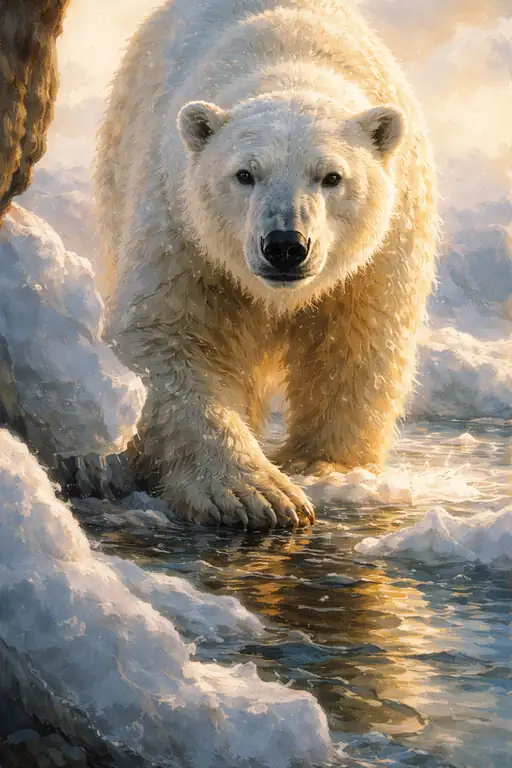 Serenade of the Babbling Brook
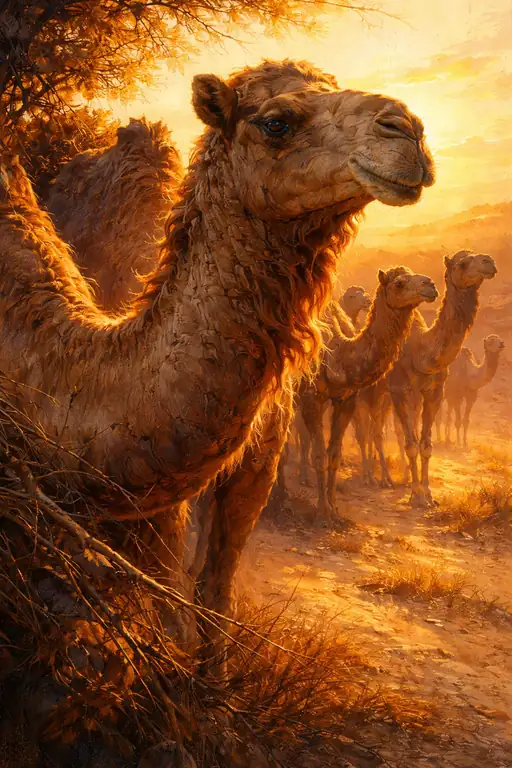 Dancing Shadows in the Morning Light