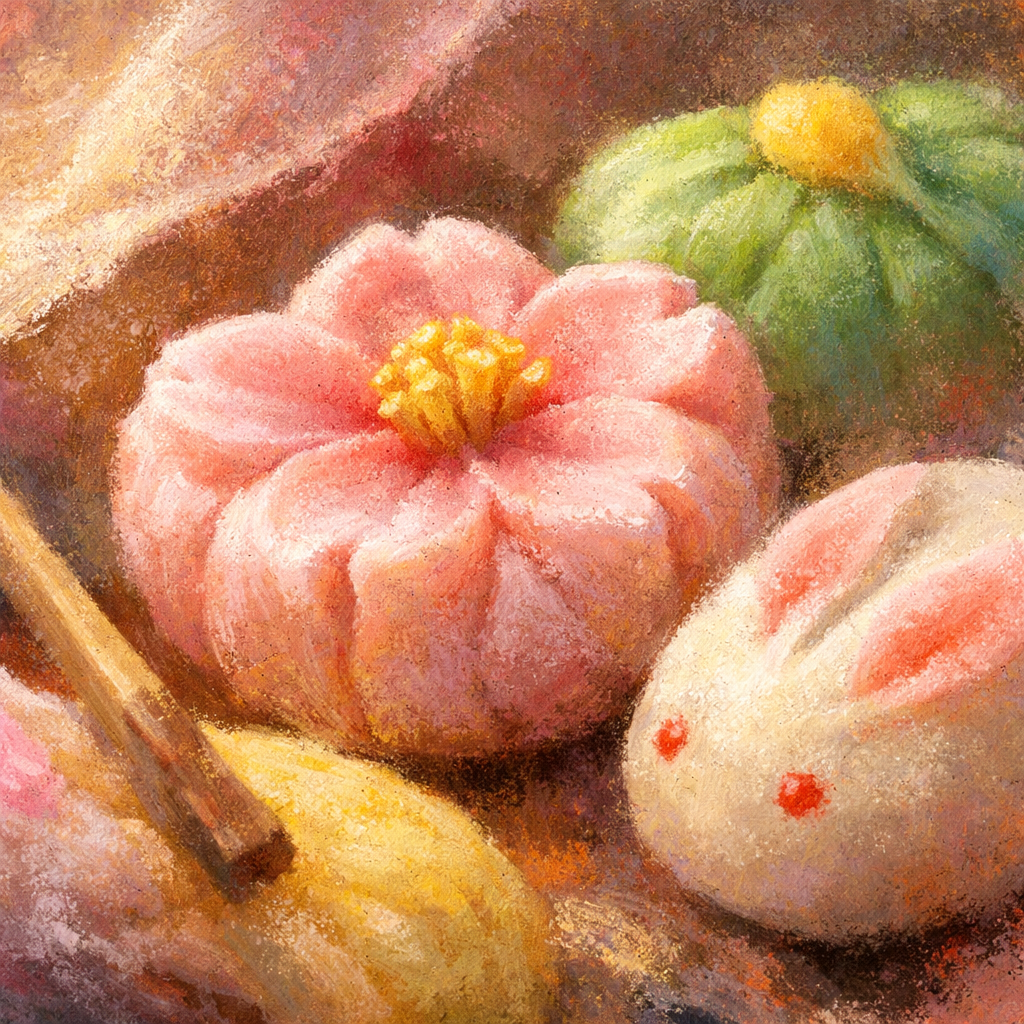
Sweetness in Pastel
Critique
1. Introduction This still-life painting features traditional Japanese confectionery, known as wagashi, as its primary subject. Three meticulously crafted sweets are captured in a close-up composition, highlighting their sculptural beauty and artistic detail. The overall atmosphere is characterized by a blend of soft, pastel hues and a rich, impasto-like texture. This work emphasizes the aesthetic qualities of these seasonal treats rather than their literal representation, creating an intimate scene that invites contemplation. 2. Description In the center, a vibrant pink sweet shaped like a blooming flower dominates the frame, featuring delicate petals and a small yellow center. To the upper right sits a rounded green sweet topped with a tiny yellow accent, reminiscent of a natural botanical form. At the bottom right, a white rabbit-shaped sweet with distinct red eyes adds a touch of whimsy to the collection. A wooden utensil, likely a kashikiri for cutting the sweets, is partially visible in the lower-left corner, suggesting a moment prepared for a tea ceremony. 3. Analysis The color palette relies on harmonious pastel tones, yet strategically uses contrasting colors to create visual interest. The interaction between the pink flower and the green sweet provides a classic balance, while the warm yellow highlights across the surface add radiance. The artist employs heavy, layered brushstrokes that give the painting a physical, tactile quality. Lighting comes softly from the upper left, casting gentle shadows that define the curves and volume of each sweet, providing depth to the composition. 4. Interpretation and Evaluation This piece reinterprets the art of wagashi through a subjective and expressive lens. The evaluation lies in the artist's ability to translate the softness and fragility of the sweets into a robust and textured painterly language. The tight composition forces the viewer to focus on the craftsmanship of the subjects. By replacing the actual ingredients with thick layers of pigment, the work creates a tension between the fleeting nature of the food and the permanence of the art, demonstrating a high degree of technical skill and creative vision. 5. Conclusion The painting represents a successful fusion of traditional design and contemporary expressive techniques. While the initial impression is one of sweetness and light, the powerful application of paint reveals a deeper complexity in its material execution. It is a sophisticated still life that balances delicate observation with bold artistic choices. Ultimately, the work transforms a simple cultural object into a compelling visual experience, confirming its artistic merit and lasting appeal.
Same Subcategory
Similar Artworks
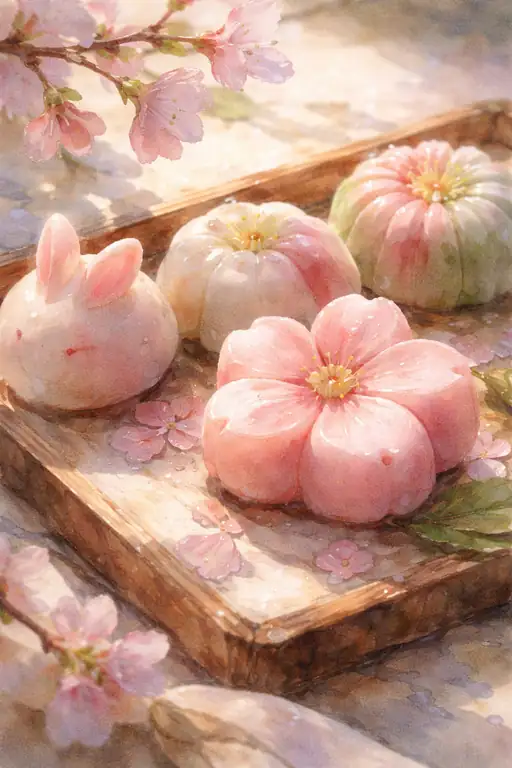 A Sweet Spring Reverie
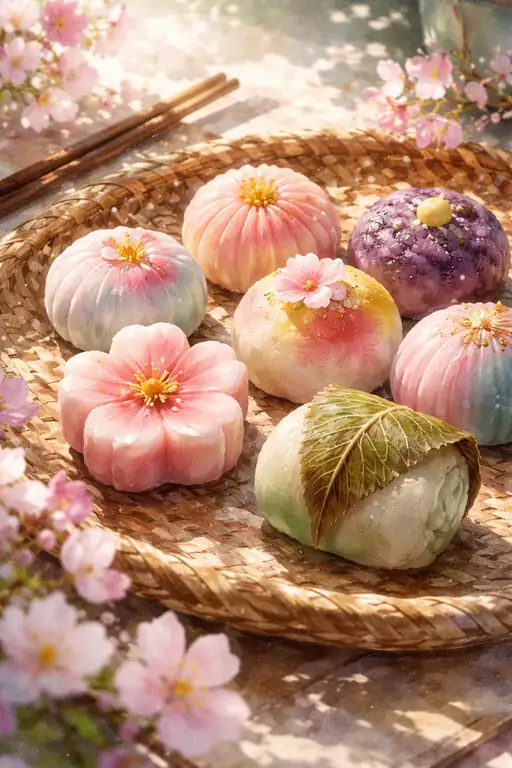 Springs Delicate Awakening
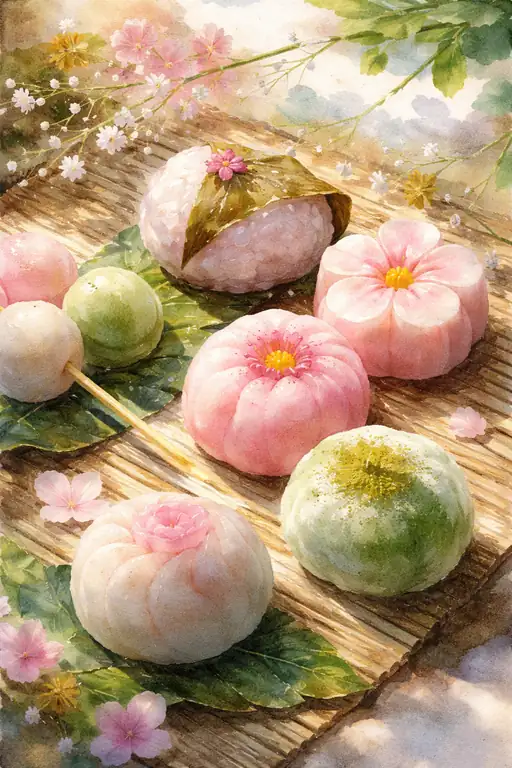 Whispers of Spring on a Bamboo Mat
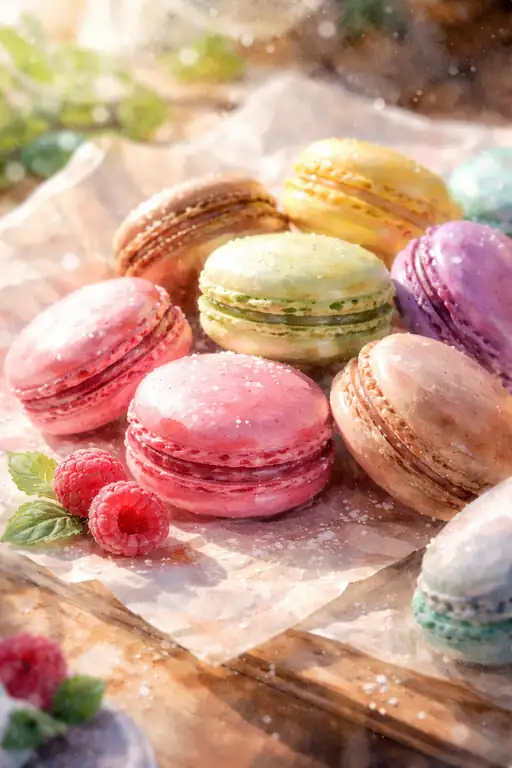 A Whimsical Dance of Sweetness
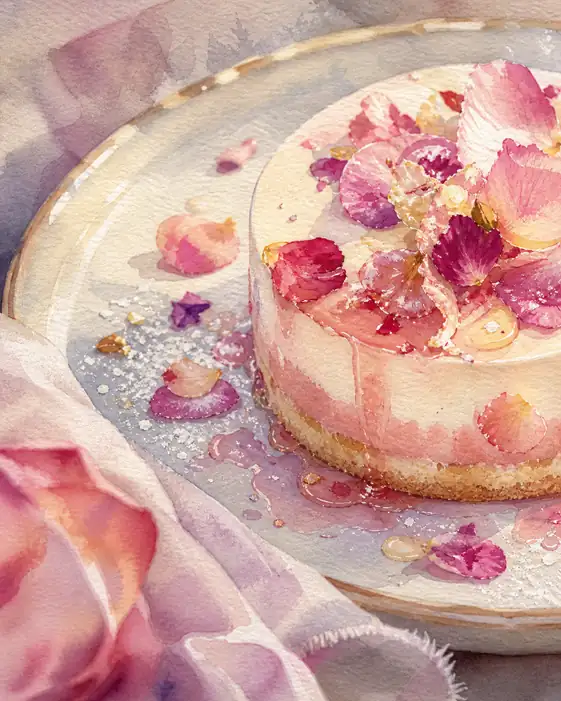 Fading Petals, Timeless Grace
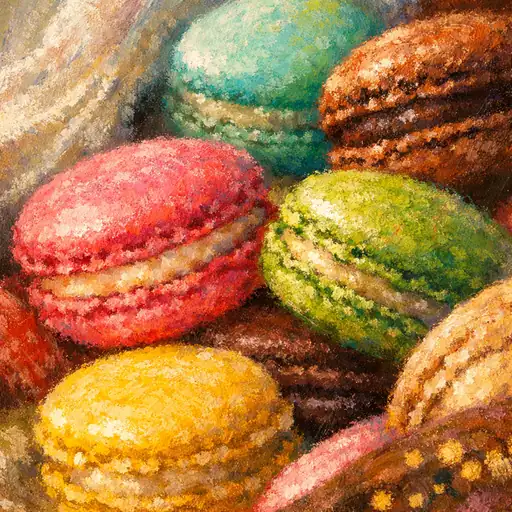 Rhapsody of Colorful Sweetness
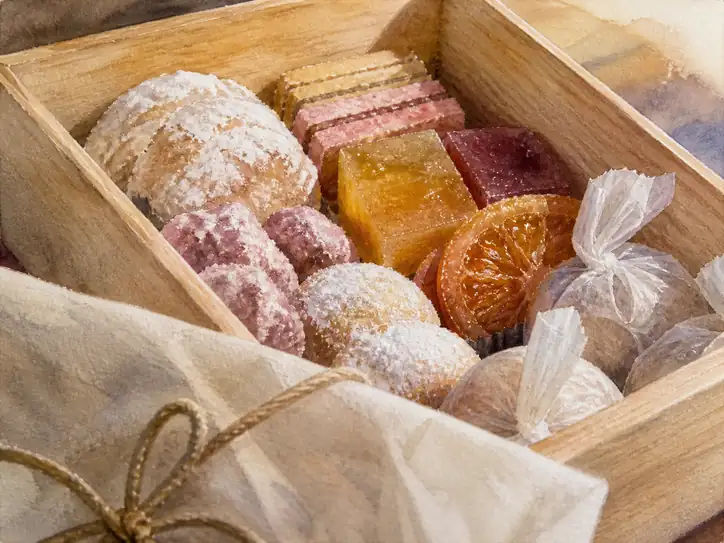 Gifts of Quiet Happiness
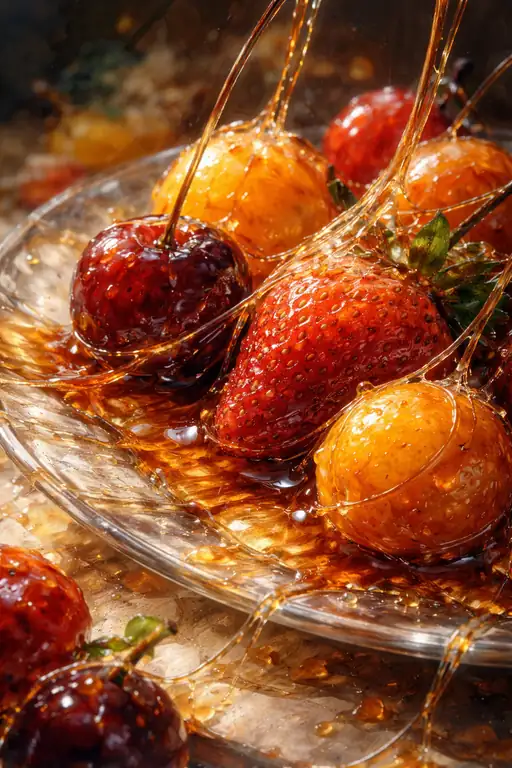 Golden Threads of Indulgence
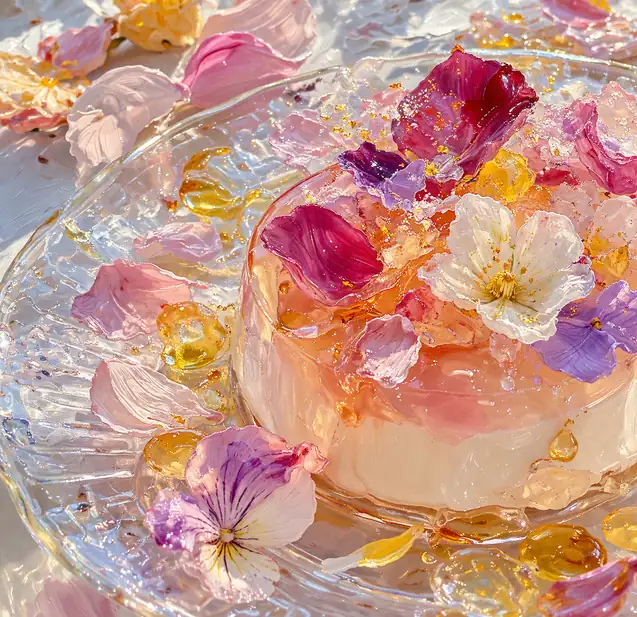 Ephemeral Starlight Captured in a Sugar Glass Embrace
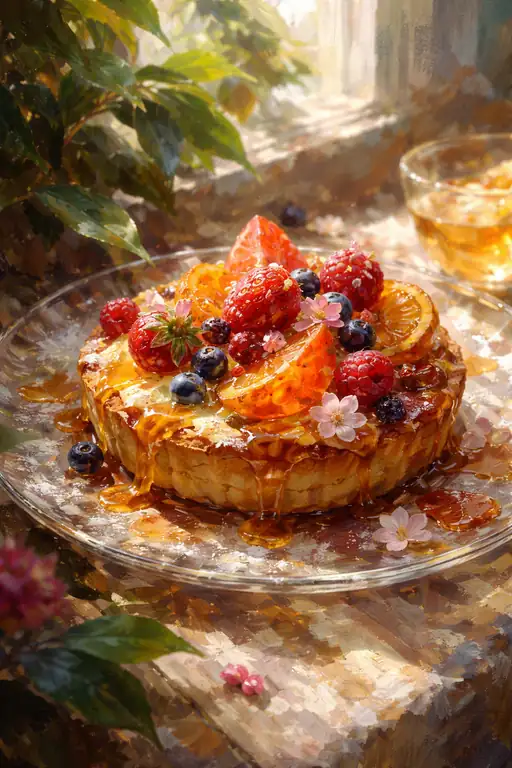 A Crystallized Garden Unfolding Under Summer's Breath