
The Reverent Silence of Written History
Critique
1. Introduction The artwork presents a lavish still-life composition centered on two decorated antique books. Resting on a weathered wooden table, these volumes are accompanied by objects such as a quill pen, an inkwell, and a pair of spectacles. The image employs a dramatic, sparkling light that imbues the scene with a reverent quality, highlighting the enduring value of classical literature and the tradition of handwritten correspondence. 2. Description The primary focus is a large book bound in deep crimson leather, adorned with heavy gold filigree and a prominent central medallion. Below lies a complementary volume in teal-grey, also featuring intricate gilded edges. To the left, an inkwell and a feather quill are positioned, while the right side contains wire-rimmed glasses and a red wax seal. Scattered light particles dance across the scene, reflecting off the gold and the worn parchment papers. 3. Analysis The artist uses a strong, warm light source from the upper right, creating a brilliant glow across the gold-embossed covers and the textured wood. The composition is tightly cropped, emphasizing the richness of the objects and the variety of textures, from cracked leather to the smooth glass of the spectacles. The color scheme is a blend of warm ochres and vibrant reds, contrasted against the cool tones of the lower book. 4. Interpretation and Evaluation The work can be seen as an idealized representation of historical scholarship. The inclusion of the wax seal and spectacles suggests a personal, human element within the setting, pointing to the act of reading and writing as a private, meditative process. Technically, the rendering of light and the meticulously detailed surfaces are highly impressive, creating a convincing sense of tactile reality and high-value materiality. 5. Conclusion This painting successfully captures the viewer's imagination through its masterful use of lighting. The initial impression of a simple collection of old books evolves into a deeper appreciation for the artist's ability to create wonder around objects from the past. It stands as a refined example of modern still-life painting that celebrates the aesthetic and historical depth of traditional bookbinding and archival heritage.
Same Subcategory
Similar Artworks
 The Quiet Sanctity of Ancient Wisdom
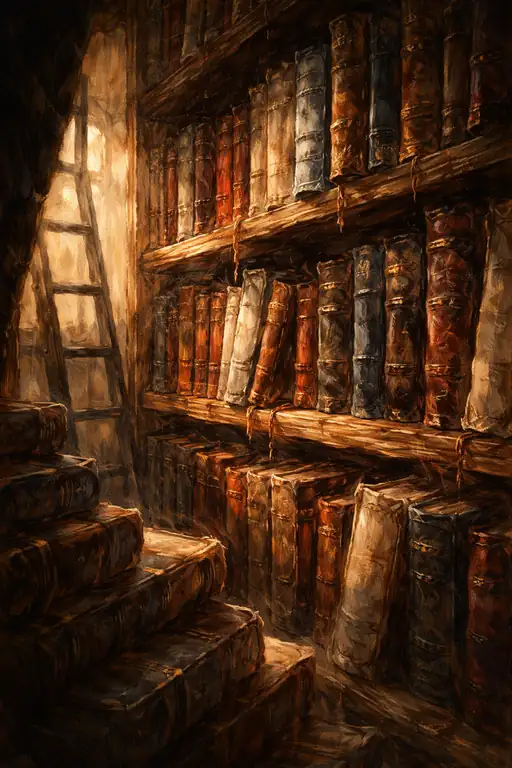 The Dynamic Grace of a Single Brushstroke
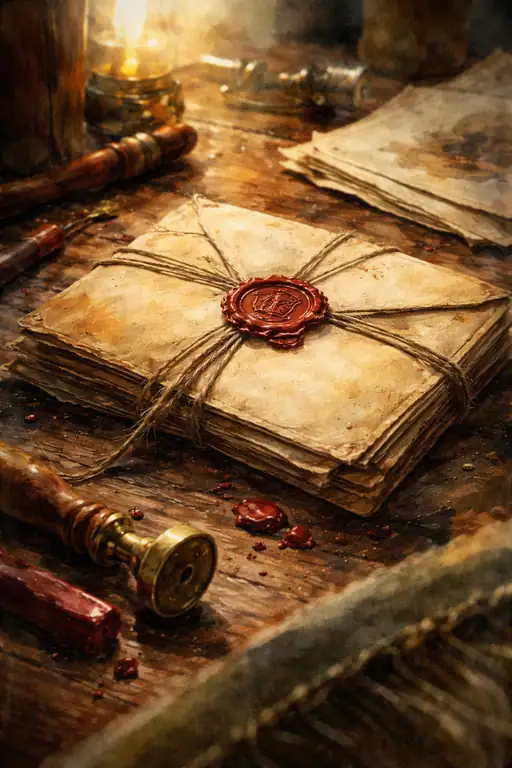 Secrets Bound in Time
 The Master's Vision Captured in Color
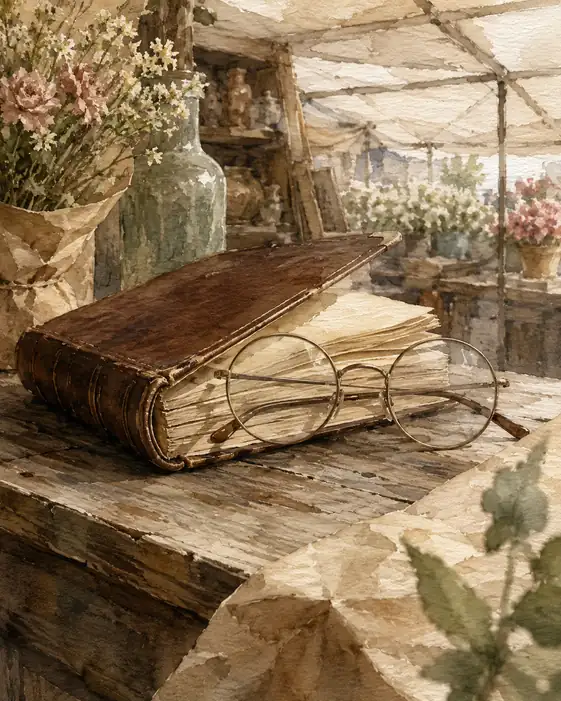 The Afternoon Left Between the Pages
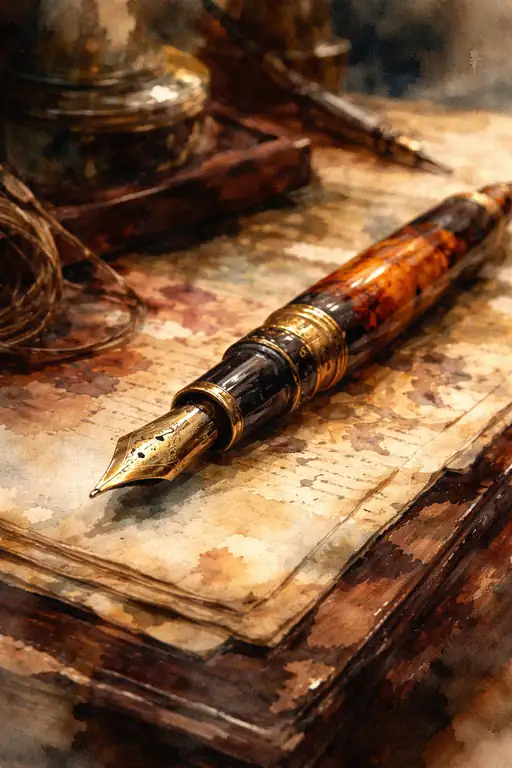 The Elegant Legacy of Recorded Thoughts
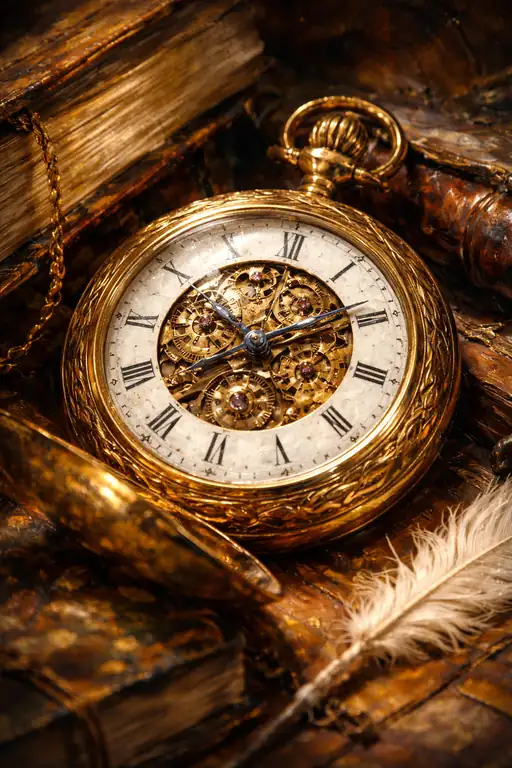 The Golden Echoes of a Forgotten Epoch
 Whispers of a Nostalgic Afternoon
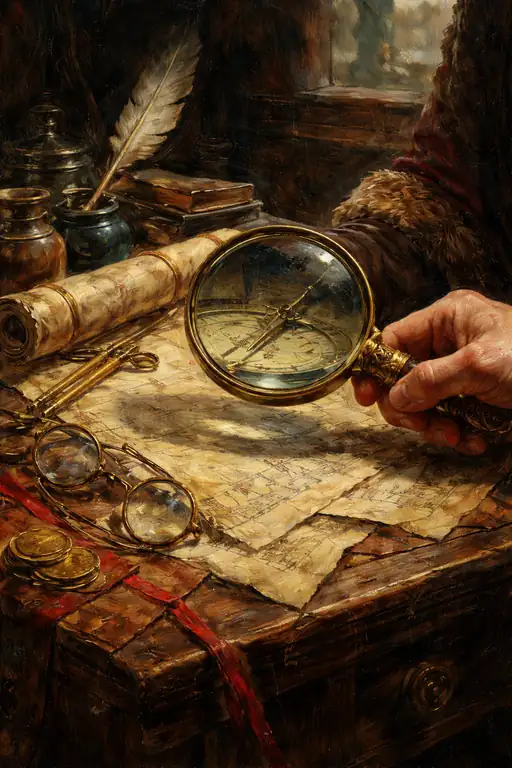 Horizons Yet Unseen
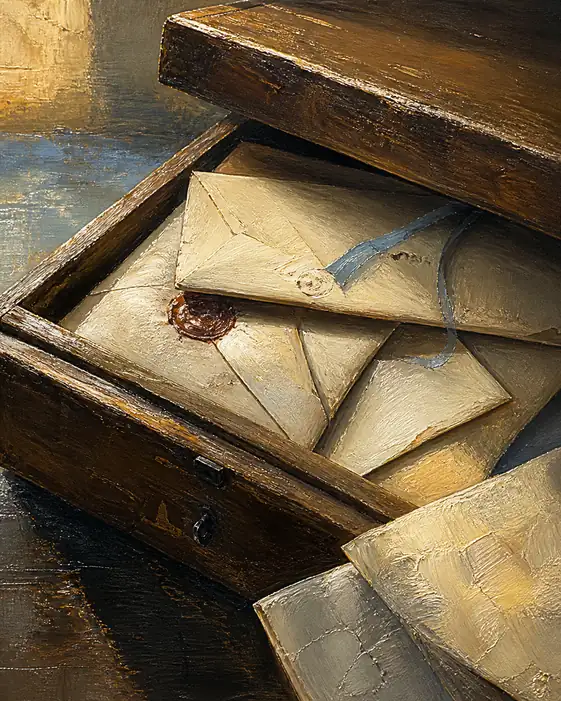 The Reliquary of Silent Echoes