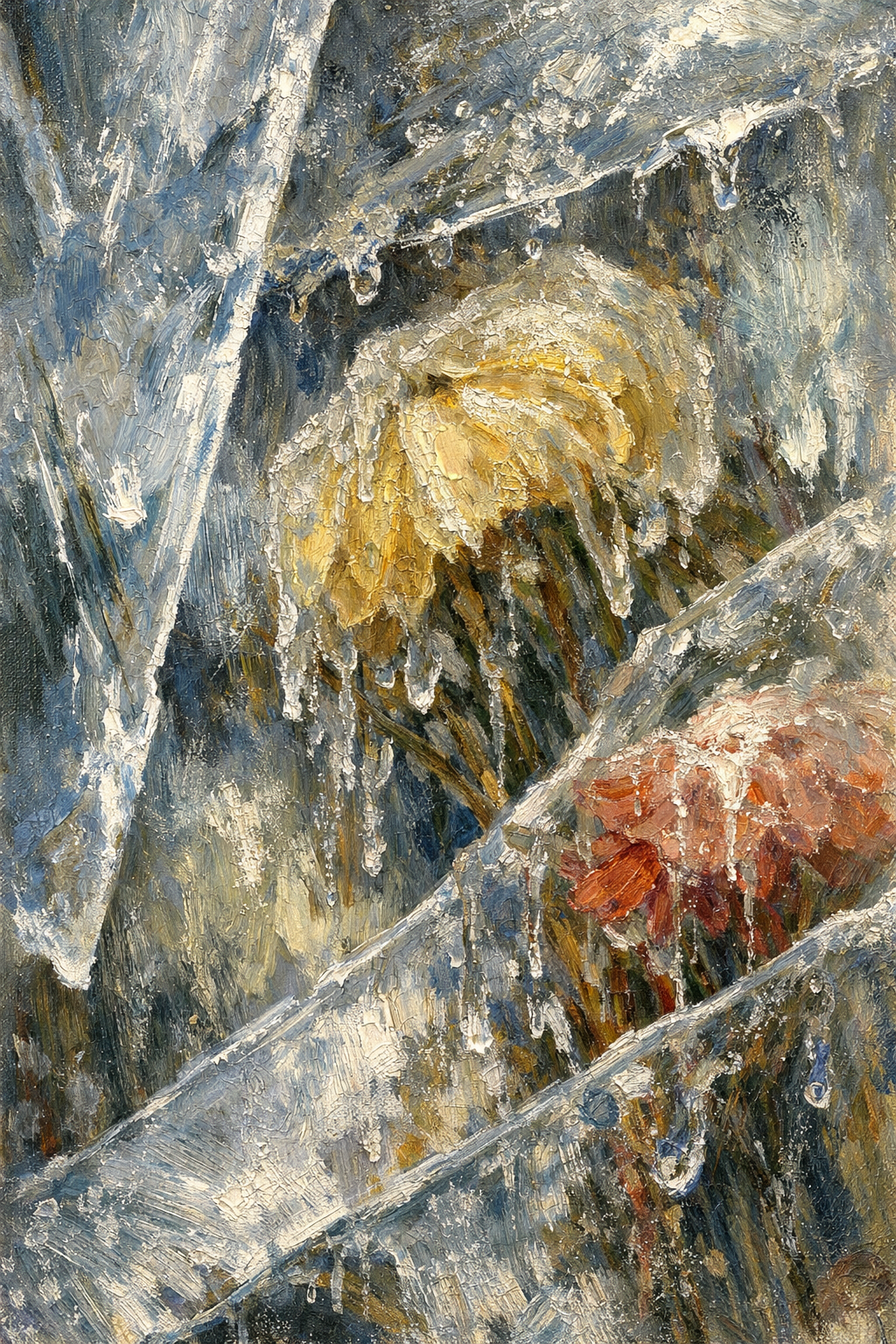
Slumbering Sparks in the Ice
Critique
1. Introduction This striking oil painting presents a dramatic scene of flowers encased in a layer of ice or frost, set against a cool, atmospheric background. The work explores the stark contrast between the vibrant, delicate life of the flora and the harsh, crystalline grip of the freezing elements. Through a bold impasto technique, the painting captures a moment of suspended animation, where beauty is both preserved and threatened by a layer of translucent cold. 2. Description The composition features two primary blossoms, one yellow and one reddish-orange, struggling to emerge from a thick, jagged coating of ice that drips with frozen intensity. Diagonal, blade-like structures of ice crisscross the canvas, creating a sense of sharp, fractured light that surrounds the central subjects. Droplets of water are frozen mid-fall, hanging from the icy shards and the petals, while the background remains a hazy, indistinct blend of cool blues and grays. 3. Analysis The artist employs a heavily textured brushstroke to depict the rugged, uneven surface of the ice, contrasting with the softer, more blended application of paint for the underlying flowers. A palette of icy whites, pale blues, and steel grays dominates the work, providing a chilling environment that makes the warm yellows and reds of the blossoms appear exceptionally vivid. The dynamic, diagonal lines of the ice shards create a sense of tension and movement within the otherwise static scene. 4. Interpretation and Evaluation The technique of layering thick paint to represent ice adds a profound tactile quality, making the coldness of the scene feel almost tangible to the viewer. The composition is highly effective in its use of negative space and sharp angles to emphasize the fragility of the flowers amidst a hostile environment. This work demonstrates considerable originality in its conceptual approach to the theme of winter, combining traditional botanical elements with a modern, expressive handling of material and light. 5. Conclusion Initially perceived as a simple winter landscape, the painting reveals itself to be a powerful allegory of resilience and the enduring nature of beauty. The piece successfully captures the paradoxical elegance of frozen flora through a sophisticated command of texture and monochromatic contrast. Ultimately, the work serves as a compelling exploration of the transformative power of the seasons and the fragile balance between life and the elements.
Same Subcategory
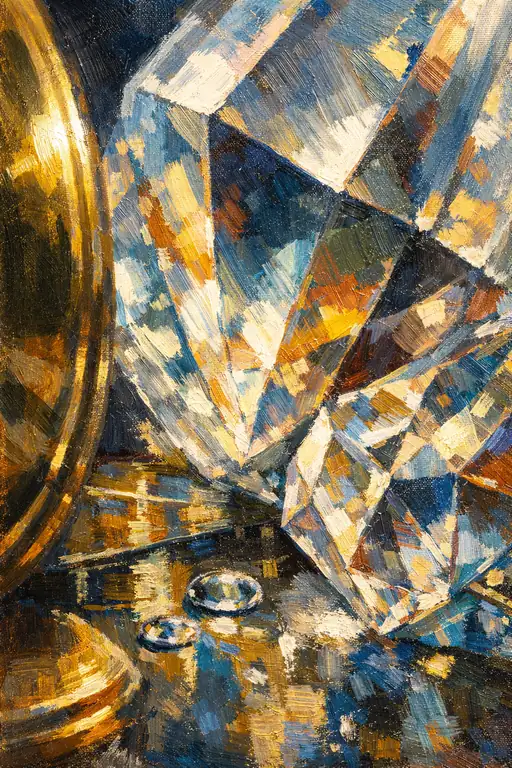 Sunken Facets
Similar Artworks
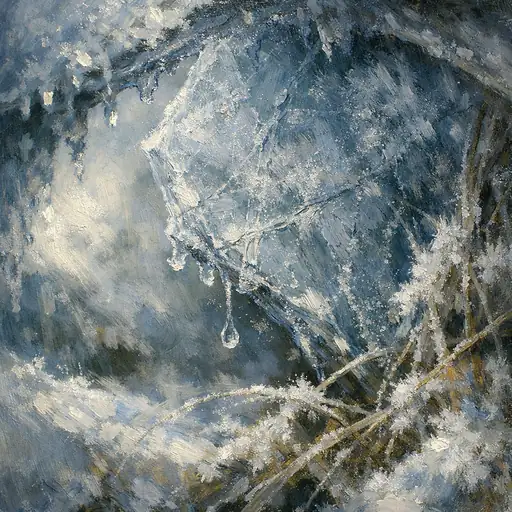 Frost's Delicate Tear
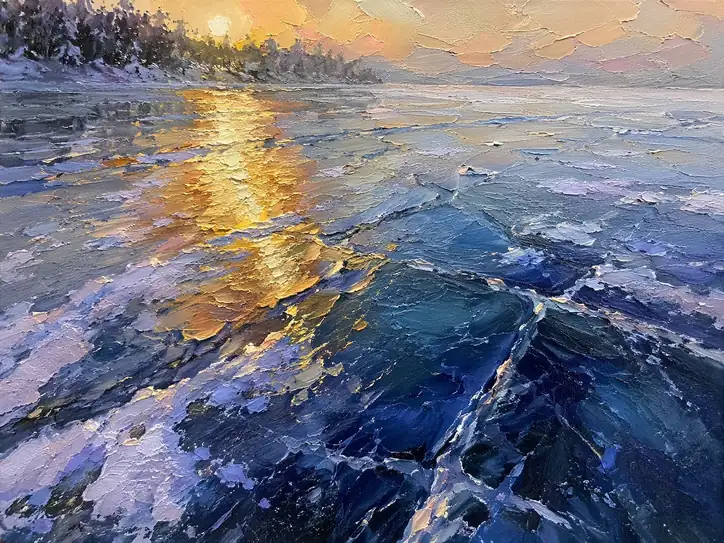 The Golden Hour Thaw: A Textured Solitude
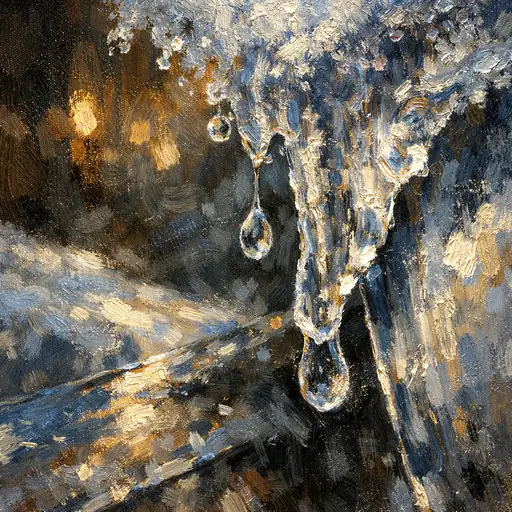 Tears of the Winter Sun
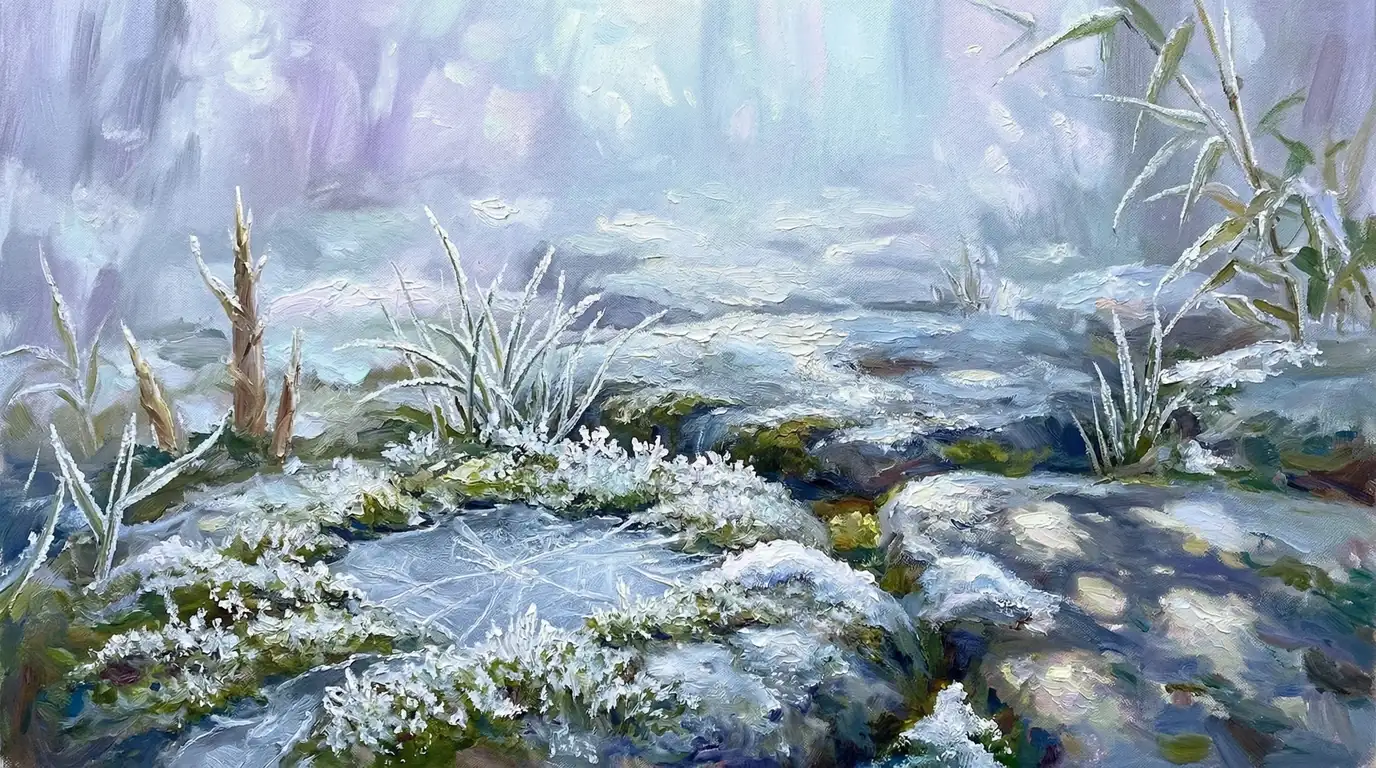 Crystalline Silence of Dawn
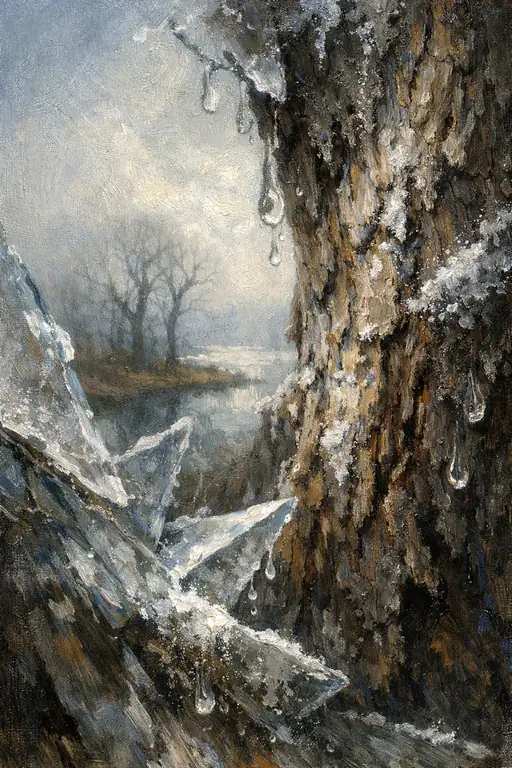 Frozen Whispers: The Slumbering Woods Embellished in Ice
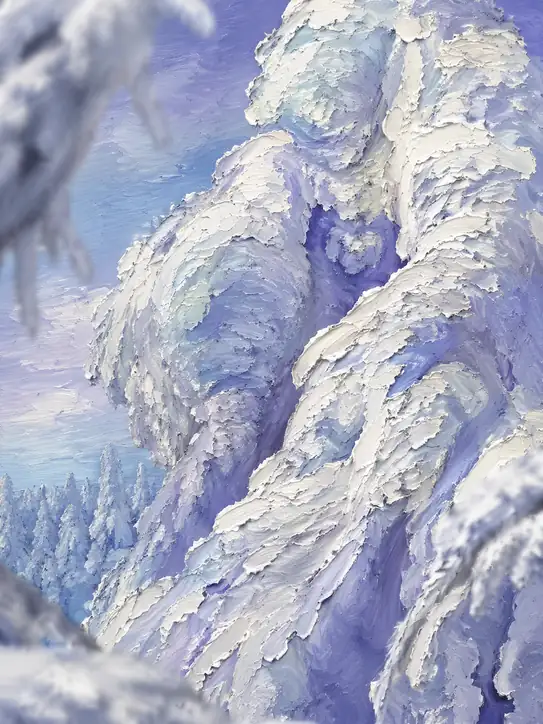 The Solitude of Frost
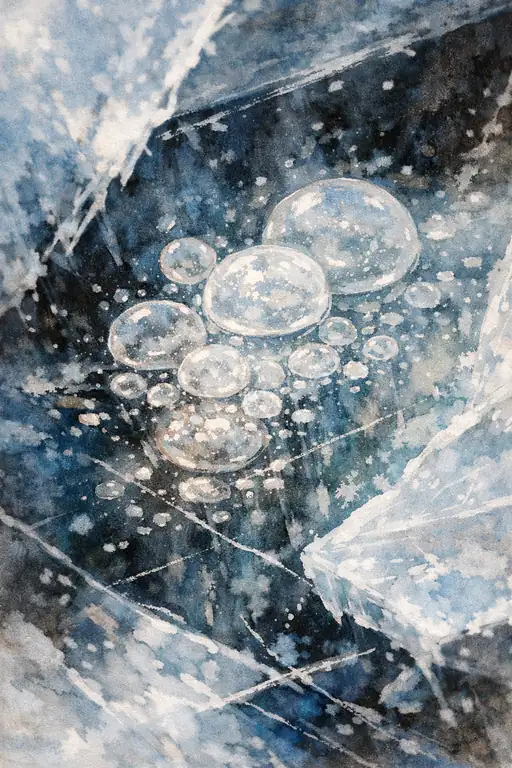 Luminous Labyrinth of the Frozen Deep
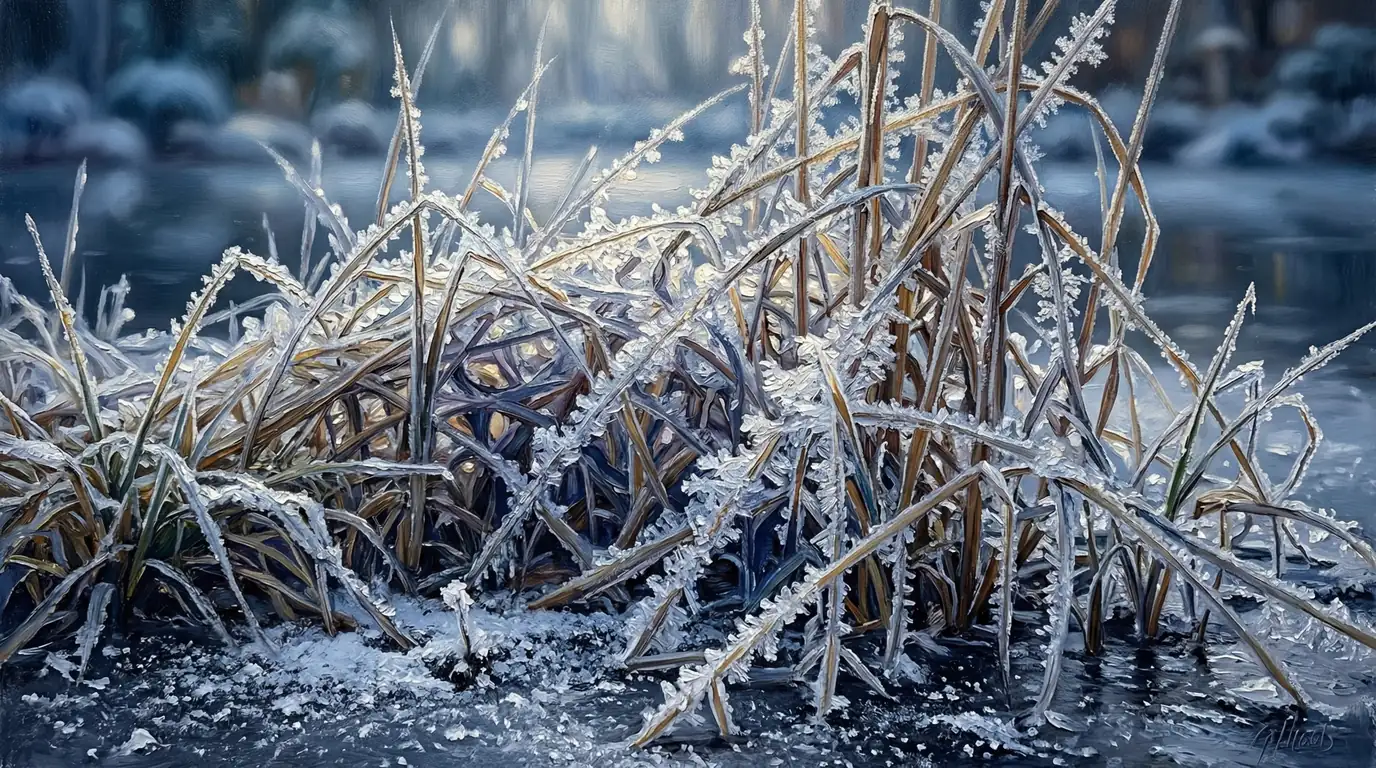 Frozen Silence of the Reeds
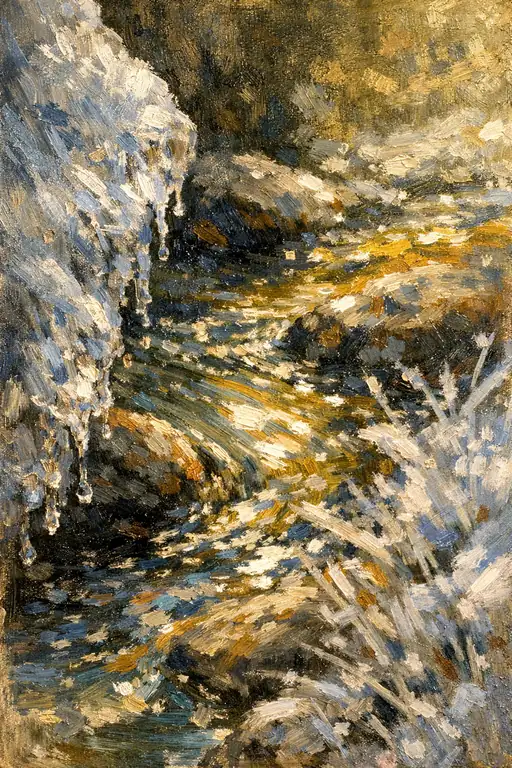 Echoes of the Frozen River
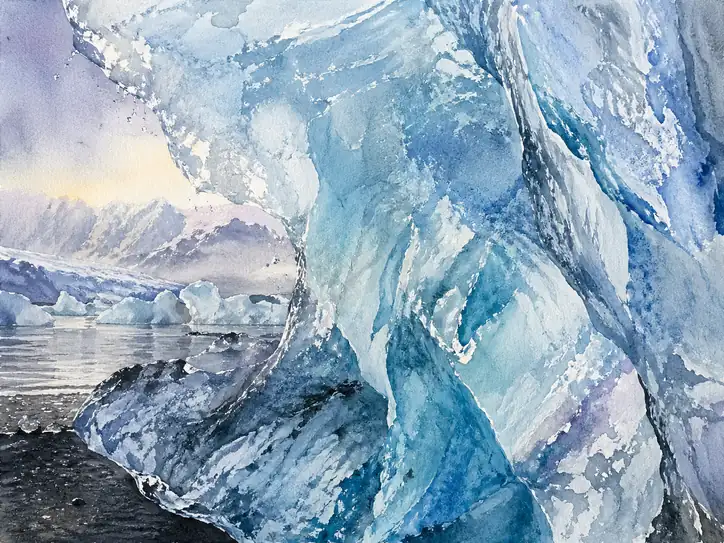 Crystalline Soul of the Arctic