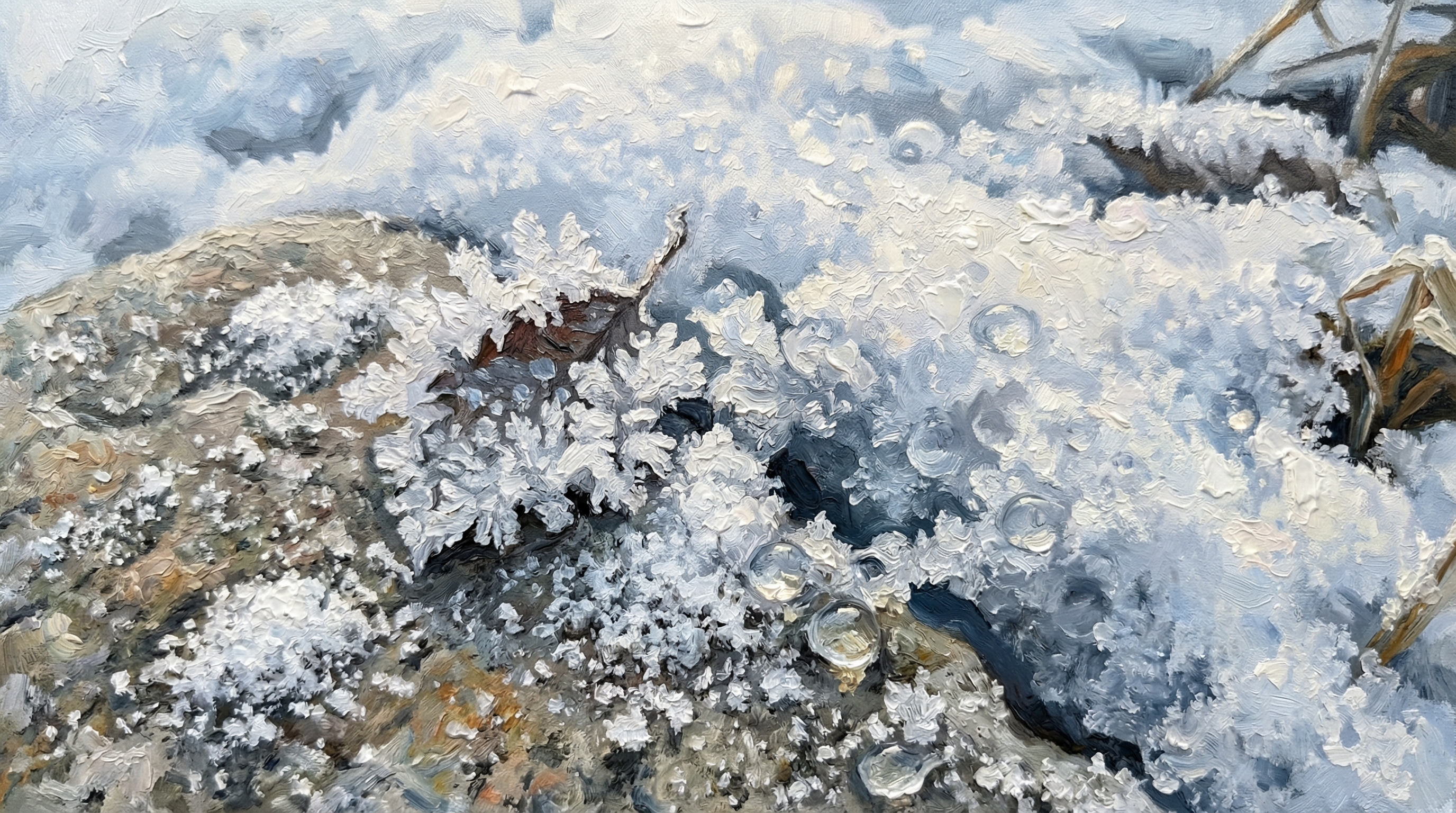
Slumber of the Frozen Leaf
Critique
1. Introduction This oil painting presents a meticulous close-up study of frost crystals and ice formation on a fallen leaf and stone surface. The artist focuses on the intricate textures of winter, utilizing a heavy impasto technique to give the subject matter a three-dimensional quality. The work explores the microscopic beauty of nature during the coldest season, emphasizing the physical presence of frozen moisture through a cool and muted color palette. This piece functions as a contemplative examination of the quiet, often overlooked transformations that occur in the natural world. 2. Description The composition is dominated by a dark, withered leaf partially covered by jagged, white frost crystals that mimic the appearance of delicate lace. Beneath and around the leaf, the stone surface is rendered in earthy tones of gray and brown, also dusted with icy particles. Several transparent water droplets or ice beads are scattered across the scene, reflecting light and adding a sense of crystalline clarity. The background is a soft, blurred expanse of blues and whites, suggesting a cold, snowy environment that recedes into an atmospheric mist. 3. Analysis The most striking formal element is the artist's use of thick paint application, which creates a tangible relief on the canvas. The white highlights of the frost are applied with sharp, decisive strokes, contrasting with the smoother, more blended areas of the stone and water droplets. The color scheme is restricted to a range of cool blues, crisp whites, and neutral earth tones, which effectively communicates the frigid temperature of the scene. Lighting appears to originate from an indirect source, creating soft shadows that define the complex geometry of the individual ice crystals. 4. Interpretation and Evaluation This work can be interpreted as a meditation on the resilience and fragile beauty of nature in winter. The juxtaposition of the decaying leaf with the brilliant frost suggests a cycle of transformation where life and death are intertwined in a frozen moment. Technically, the artist demonstrates exceptional skill in rendering the transparency and reflective properties of ice using opaque oil paint. The impasto technique is not merely decorative but essential to conveying the physical substance of the frost. The painting successfully elevates a mundane natural occurrence into a subject of significant visual interest. 5. Conclusion A deep engagement with the painting reveals a profound respect for the structural complexity of the natural world. The initial impression of a cold, monochromatic scene is replaced by an appreciation for the variety of textures and the subtle play of light on frozen surfaces. Ultimately, the work succeeds in capturing the silent majesty of winter. The tactile quality of the brushwork ensures that the viewer remains connected to the physical reality of the subject, making the microscopic macroscopic and the ephemeral permanent.
Same Subcategory
Similar Artworks
 The Frozen Breath of Winter's Dawn
 Fragile Elegance: The Microcosm of Frost
 Golden Echoes in the Frost
 Intricate Perfection of the Winter's Breath
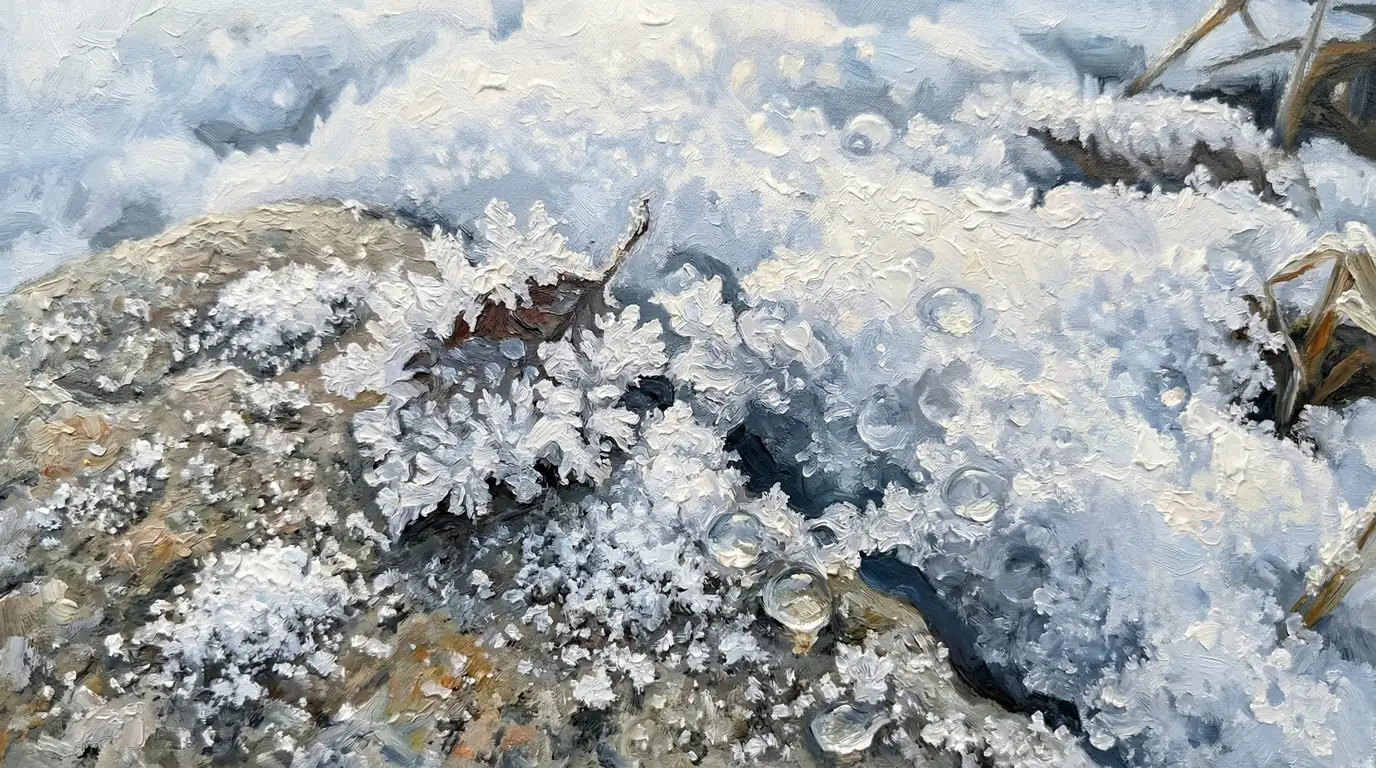 The Silent Breath of Winter's Kiss
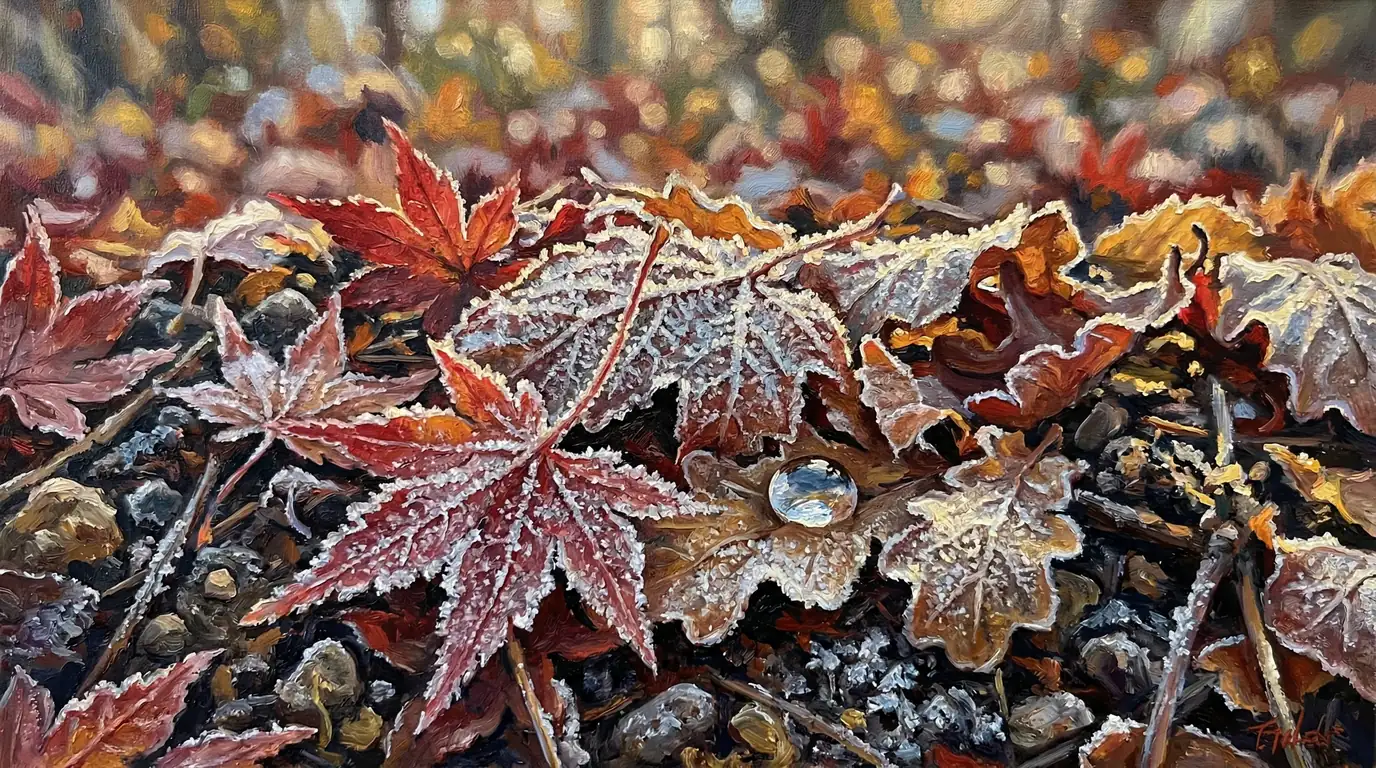 Frost's Cold Kiss on Autumn Fire
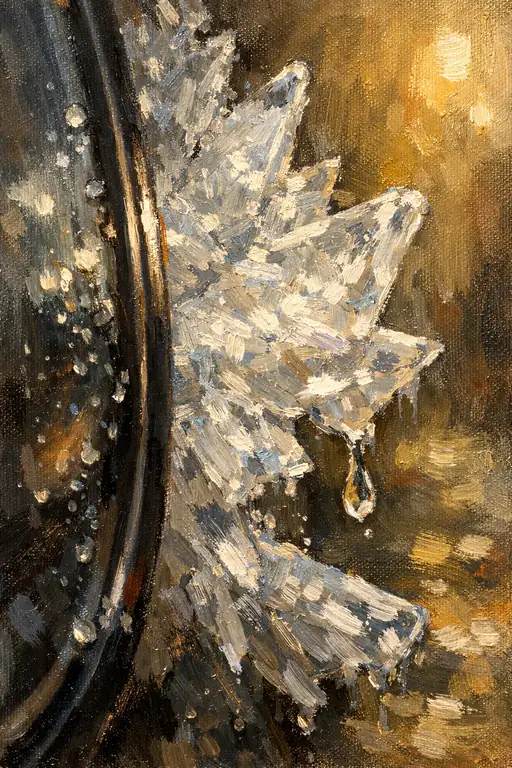 Tears of the Frozen Void
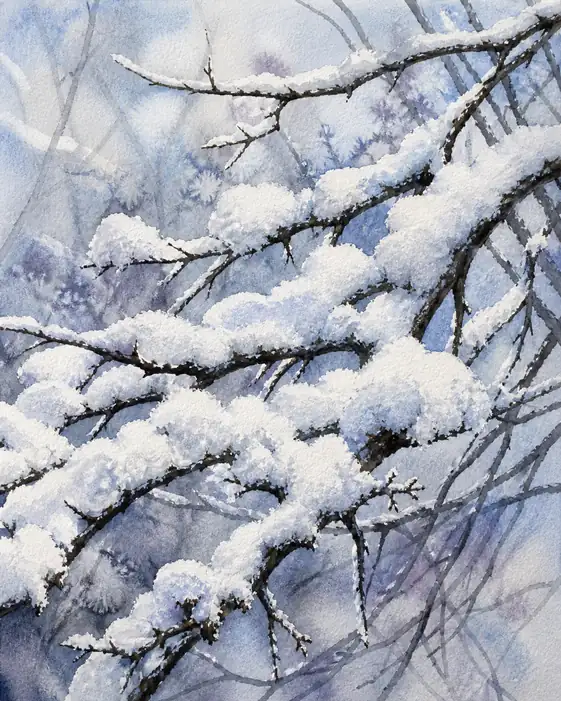 White Velvet: A Song of the Silent Morning
 Silence Written in Indigo Shadows
 Frost Flowers on the Windowpane