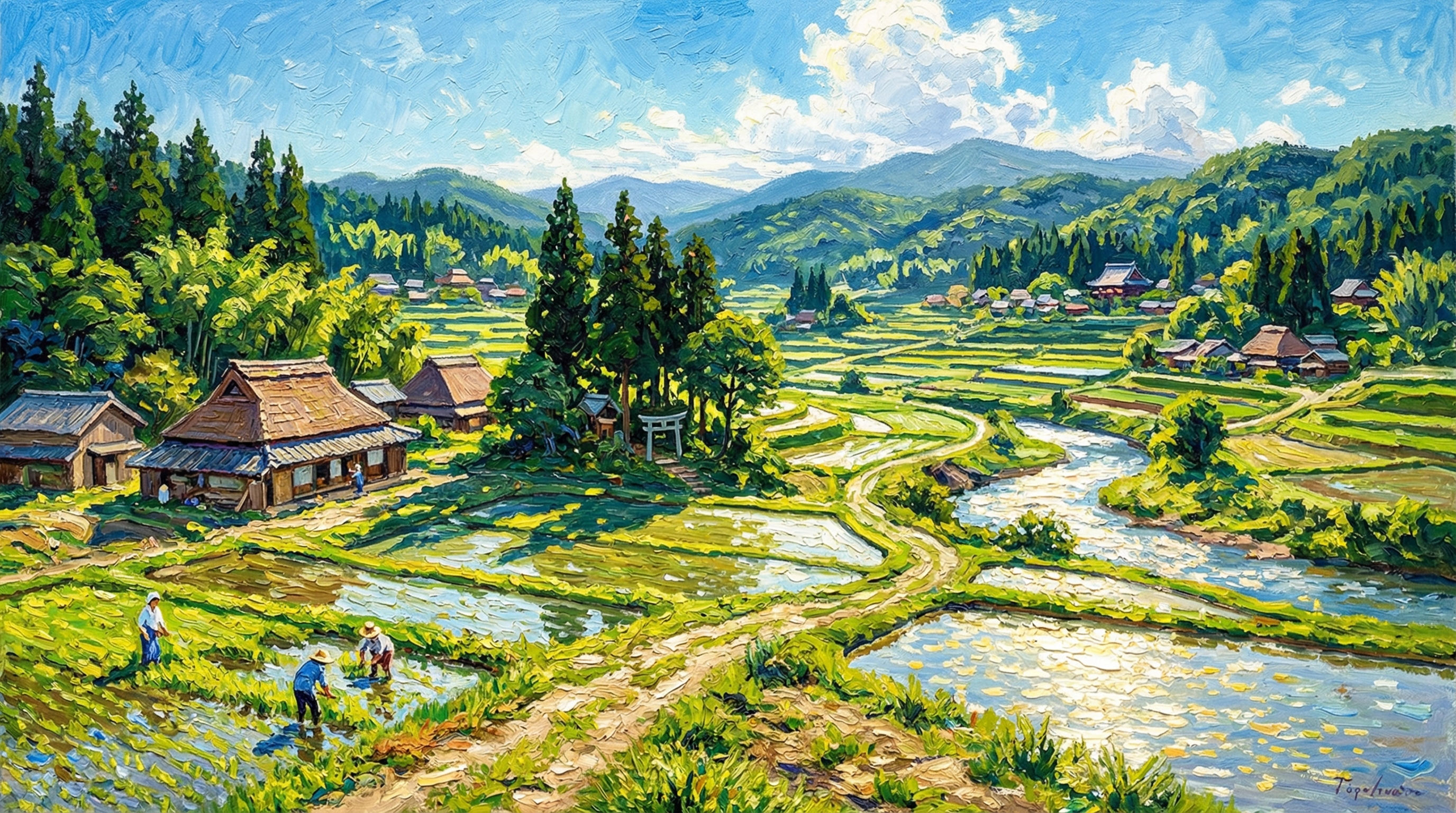
Golden Days of the Terraced Fields
Critique
1. Introduction This vibrant landscape painting captures the breathtaking beauty of traditional Japanese terraced rice fields, known as tanada, during the height of summer. The composition features a complex network of irrigated fields winding through a Lush valley, dotted with traditional farmhouses and a sacred white torii gate. Through a masterful application of bright, sun-drenched colors and deep textural detail, the artist creates a sense of profound harmony and the timeless vitality of rural agriculture. The work invites the viewer to experience the industrious yet peaceful atmosphere of the Satoyama countryside. 2. Description The foreground is dominated by flooded rice paddies where several figures in traditional working clothes are seen planting, emphasizing the human connection to the land. A winding dirt path leads the eye past a cluster of sturdy farmhouses toward a central torii gate nestled among evergreen trees. To the right, a shimmering river reflects the brilliant blue sky and the surrounding greenery. In the background, rolling verdant hills stretch toward the horizon, while fluffy white clouds dot the expansive summer sky, providing a sense of sunlit space and limitless growth. 3. Analysis The artist utilizes a brilliant and diverse palette centered on varied shades of emerald green, sky-blue, and the warm, earthy tones of the soil and structures. Lighting is bright and direct, as if captured on a clear midsummer morning, which enhances the overall feeling of prosperity and vital energy. Technologically, the extensive use of impasto creates a three-dimensional quality for the vegetation and shimmering water, making them appear tangible. This textural intensity is particularly effective on the water-filled paddies, where the reflections seem to dance with light. 4. Interpretation and Evaluation This work successfully explores the theme of sustainable coexistence and the cultural significance of rice cultivation. The tanada scene, a symbol of community effort and environmental stewardship, stands as a central figure of heritage and life-sustaining beauty. Technically, the rendering of the light on the varied organic and liquid surfaces is exceptional, demonstrating a high level of skill in capturing color and atmosphere. The composition is dynamic and exceptionally well-balanced, effectively using the curves of the terraces to guide the viewer through the scene. 5. Conclusion While the initial impression is one of simple agricultural charm, a deeper examination reveals a complex study of light, texture, and the emotional resonance of rural legacy. The painting stands as a significant tribute to the contemplative yet lively beauty of the Japanese landscape. It achieves a lasting impact through its harmonious integration of realistic human detail and bold textural work, effectively inviting the observer to pause and appreciate the transient yet powerful moments of the natural world in its state of vibrant, productive life and enduring tradition.
Same Subcategory
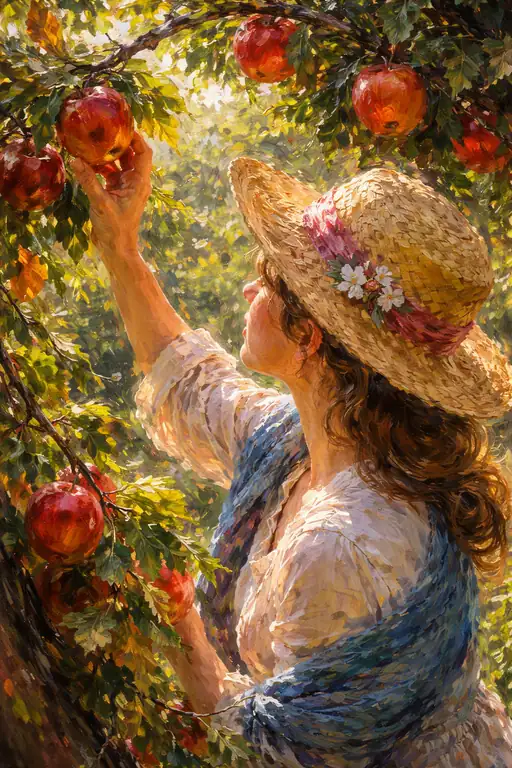 Joy of Life Ripened in Sunlight, Season of Grace
Similar Artworks
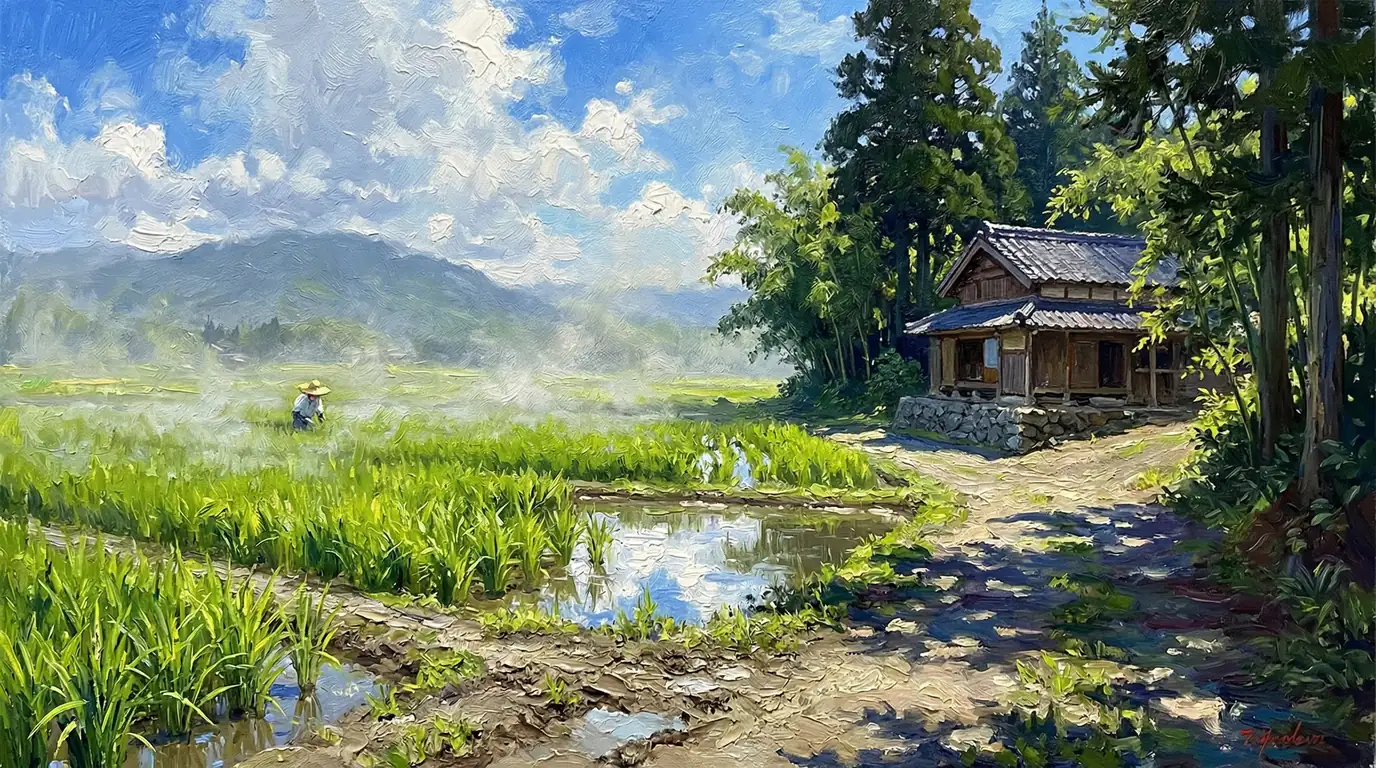 Whispers of the Summer Paddy
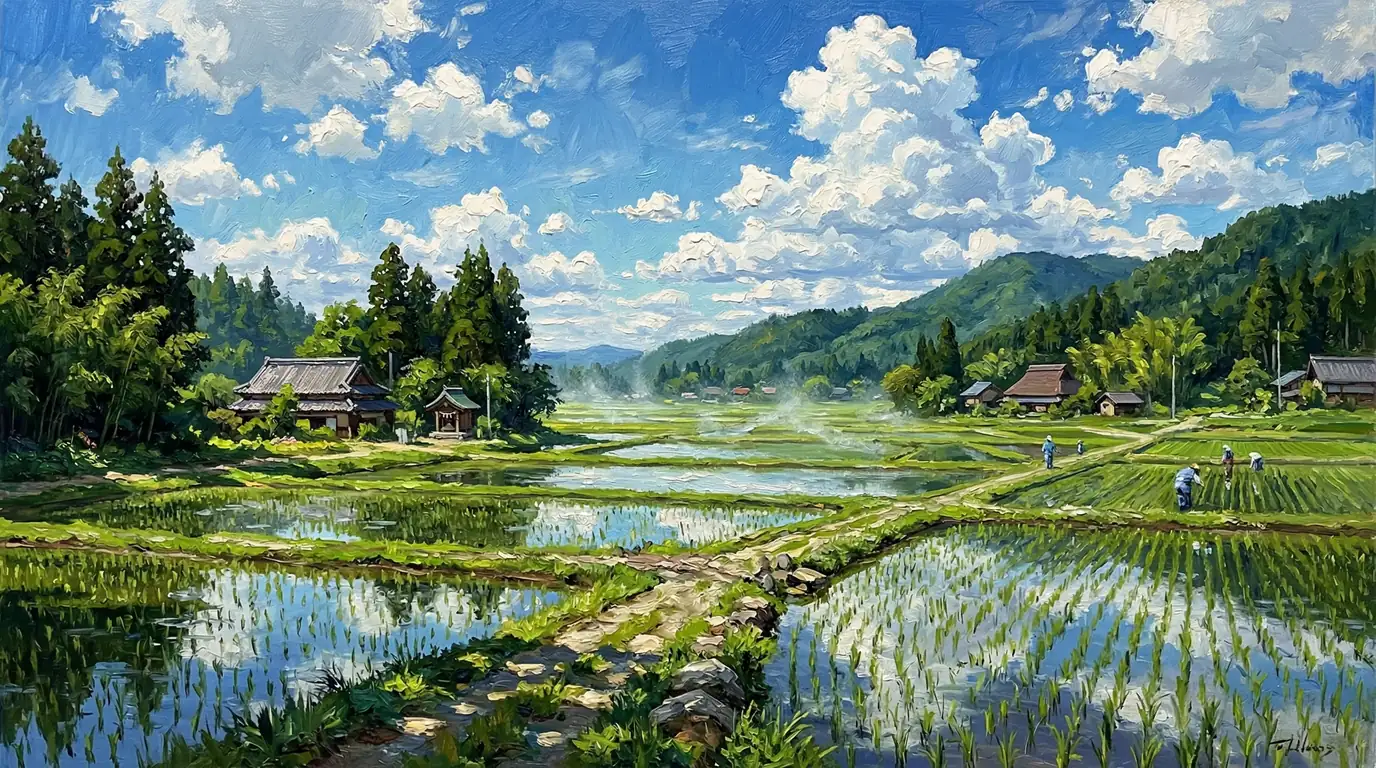 Reflections of Early Summer
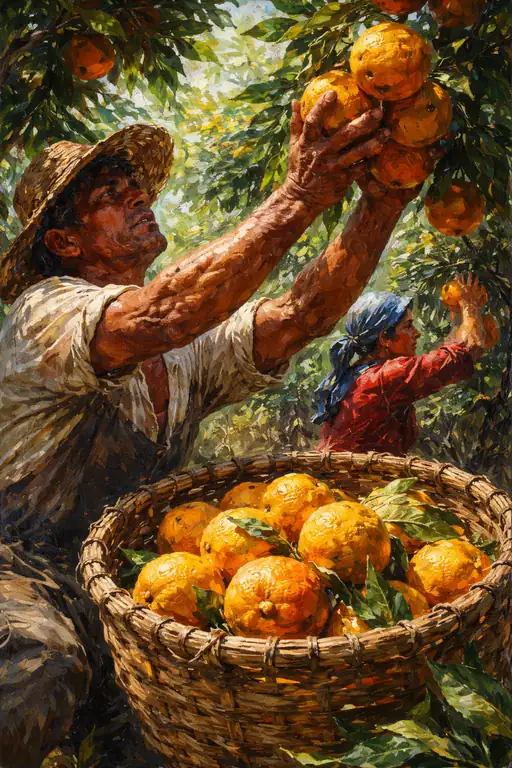 Symphony of the Sun-Kissed Grove
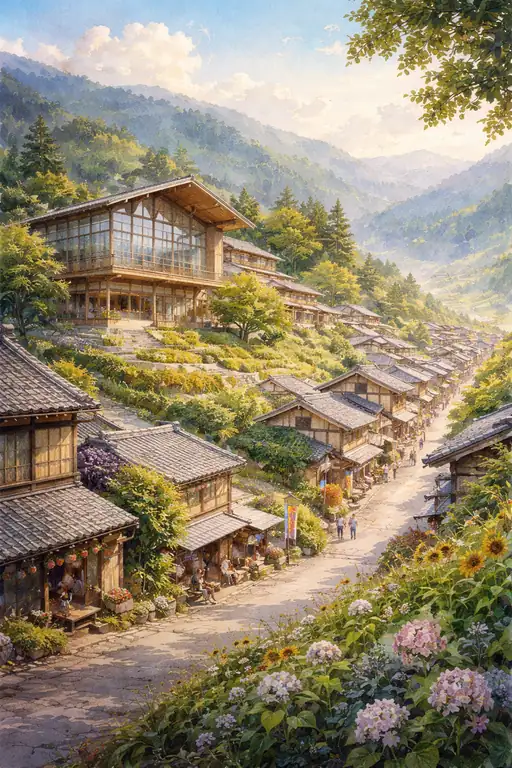 Summer Blooms on the Winding Path
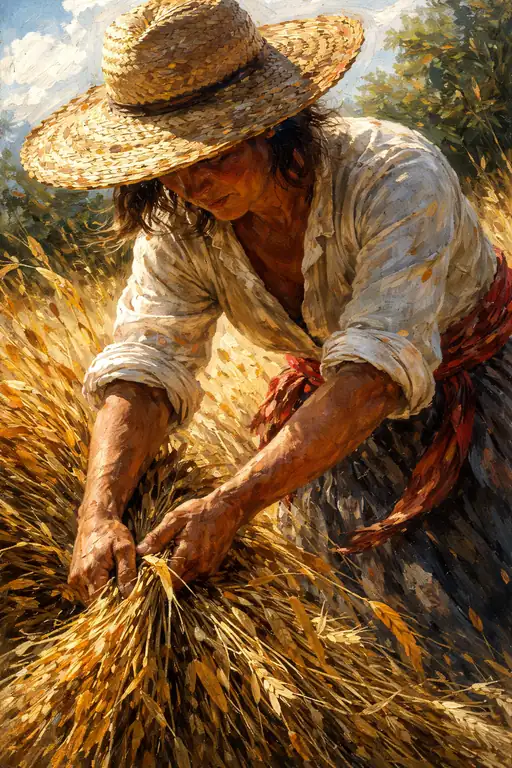 Golden Sweat and the Earth's Embrace
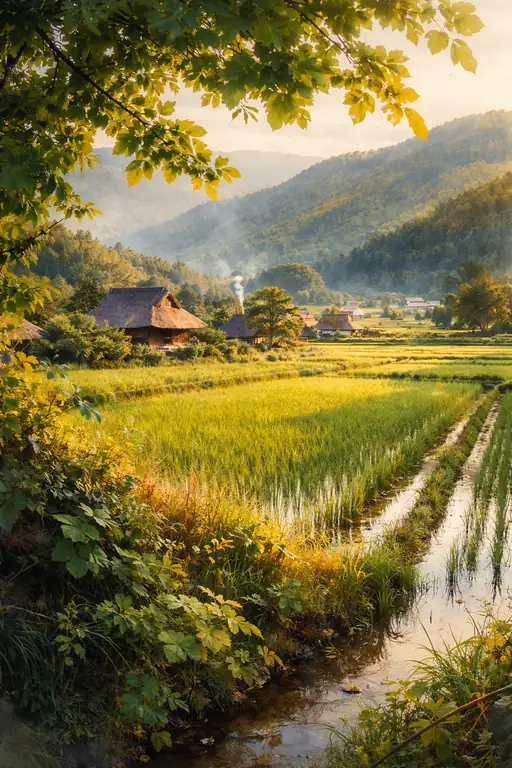 Golden Light of the Ancestral Valley
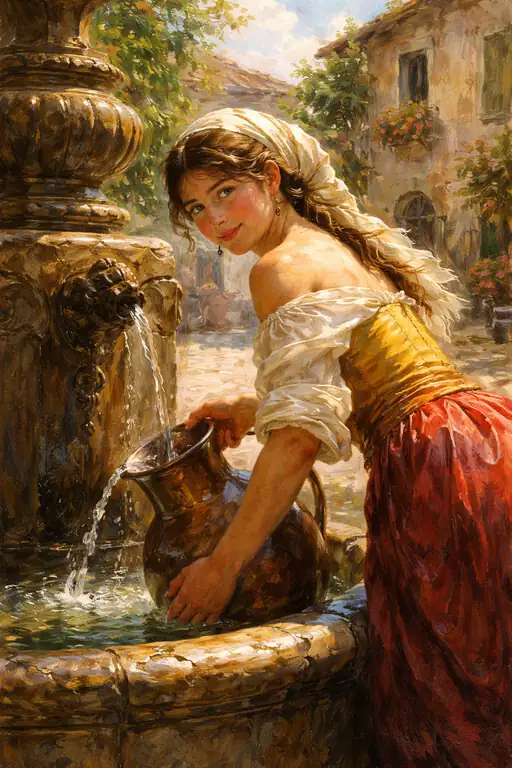 Quenching the Soul's Thirst
 A Melody of Petals in the Slumbering Breeze
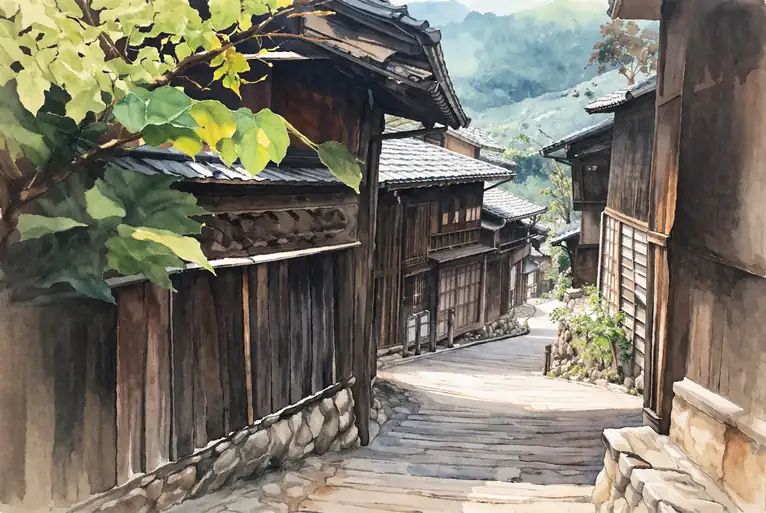 Echoes of the Sloping Town
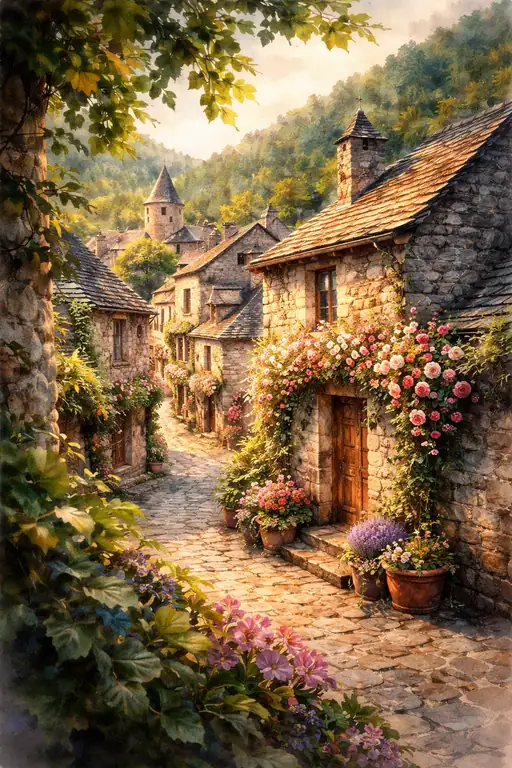 A Floral Path in the Village