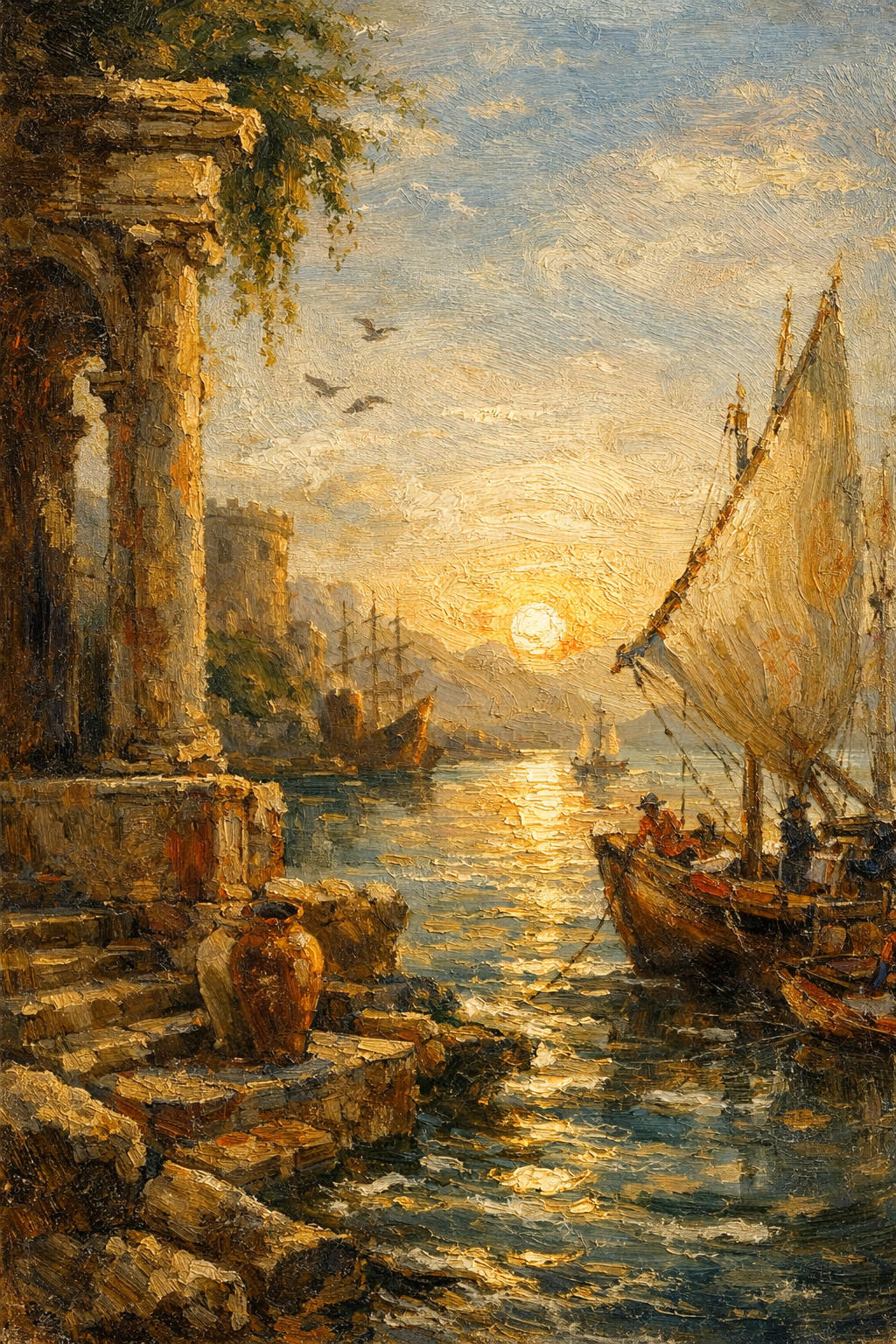
The Harbor's Golden Slumber
Critique
1. Introduction This oil painting captures a serene harbor scene at sunset, adhering to traditional landscape motifs while exploring the dynamic play of light. The work evokes a sense of timeless tranquility, blending the majesty of nature with the subtle presence of human activity. It serves as a profound study of atmospheric conditions during the transition from day to evening. 2. Description On the left, ancient stone pillars and steps lead down to the water, where two large ceramic jars rest in the foreground. To the right, a small sailing vessel with several figures, including one in red, is moored near the rocky shore. The background features a distant fortress and other ships under a golden sky, with the sun positioned low near the horizon, casting a brilliant reflection across the rippling sea. 3. Analysis The palette is dominated by warm hues, particularly brilliant yellows and oranges that unify the composition. An impasto technique is employed, creating a textured surface that grants a tactile quality to the stone ruins and the agitated water. Short, horizontal brushstrokes are used to depict the sun’s reflection on the waves, effectively conveying movement. The verticality of the ruins provides a structural counterpoint to the expansive horizontal sea. 4. Interpretation and Evaluation The painting symbolizes the harmony between historical endurance and the fleeting beauty of natural phenomena. By integrating human figures into the vast landscape, the work suggests a symbiotic relationship between civilization and the sea. The contrast between the detailed foreground and the more impressionistic background creates a compelling sense of depth. The artist’s ability to manipulate light and shadow demonstrates significant technical mastery and an original vision. 5. Conclusion While the initial impression is one of radiant warmth, a closer inspection reveals the intricate layers of technique that construct this vivid scene. The masterful handling of light invites the viewer into a sensory experience that feels both immediate and contemplative. Ultimately, this piece is a testament to the enduring power of landscape art to evoke emotion and capture the sublime qualities of the natural world.
Same Subcategory
 The Sigh of a Day Sinking in Golden Waves
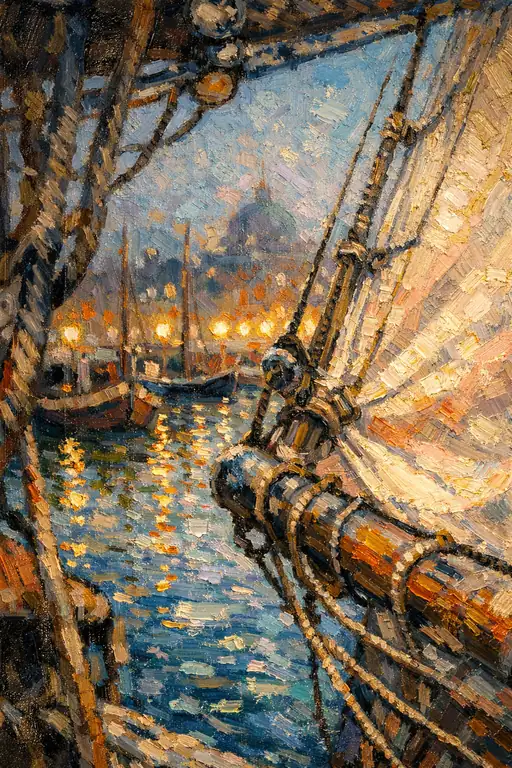 Lullaby of the Glowing Harbor
Similar Artworks
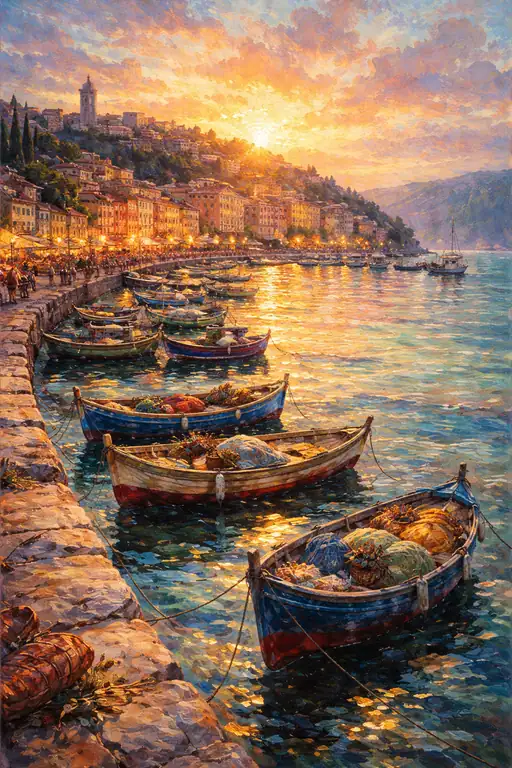 Golden Embrace of the Evening Tide
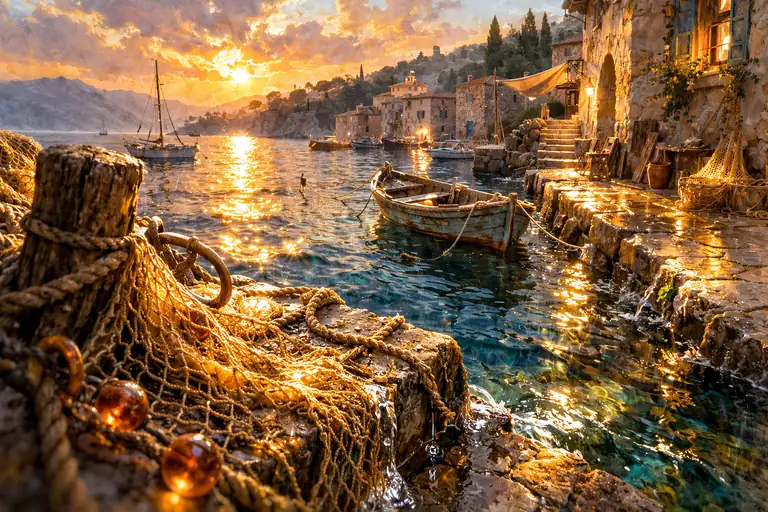 The Gentle Slumber of a Coastal Haven
 Mediterranean Gold: Evening Harbor
 Radiant Harbor of Hydra
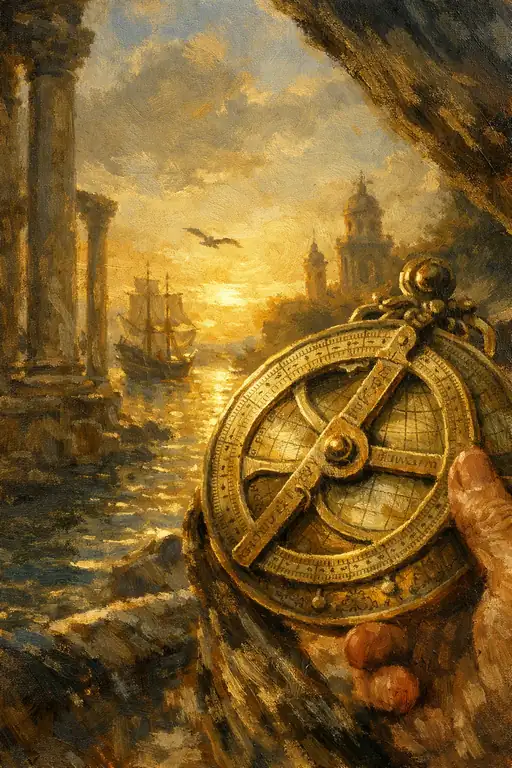 Whispers of a Forgotten Empire's Dawn
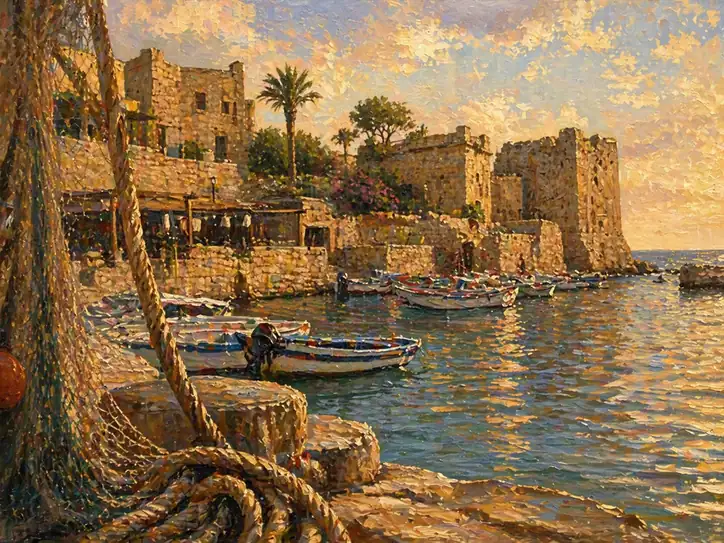 Symphony of the Sunlit Harbor
 Golden Threads Upon the Velvet Night
 Slumbering Glass in the Amber Harbor
 Farewell to the Sunlit Harbor
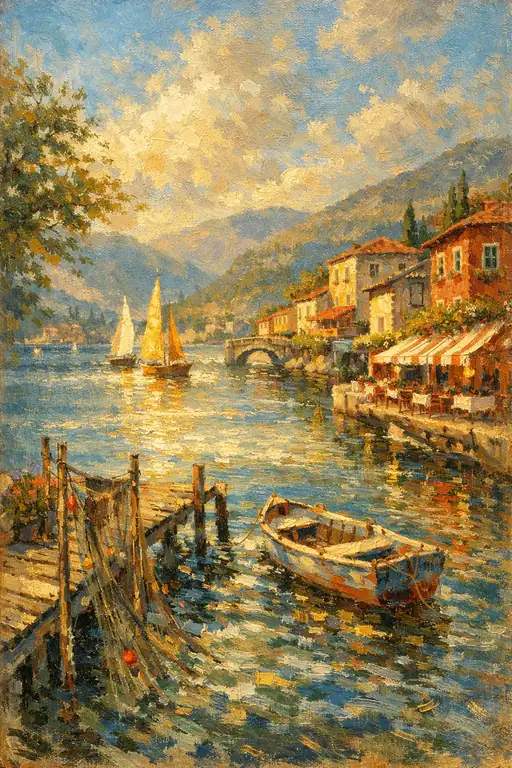 Golden Splendor of the Coastal Haven