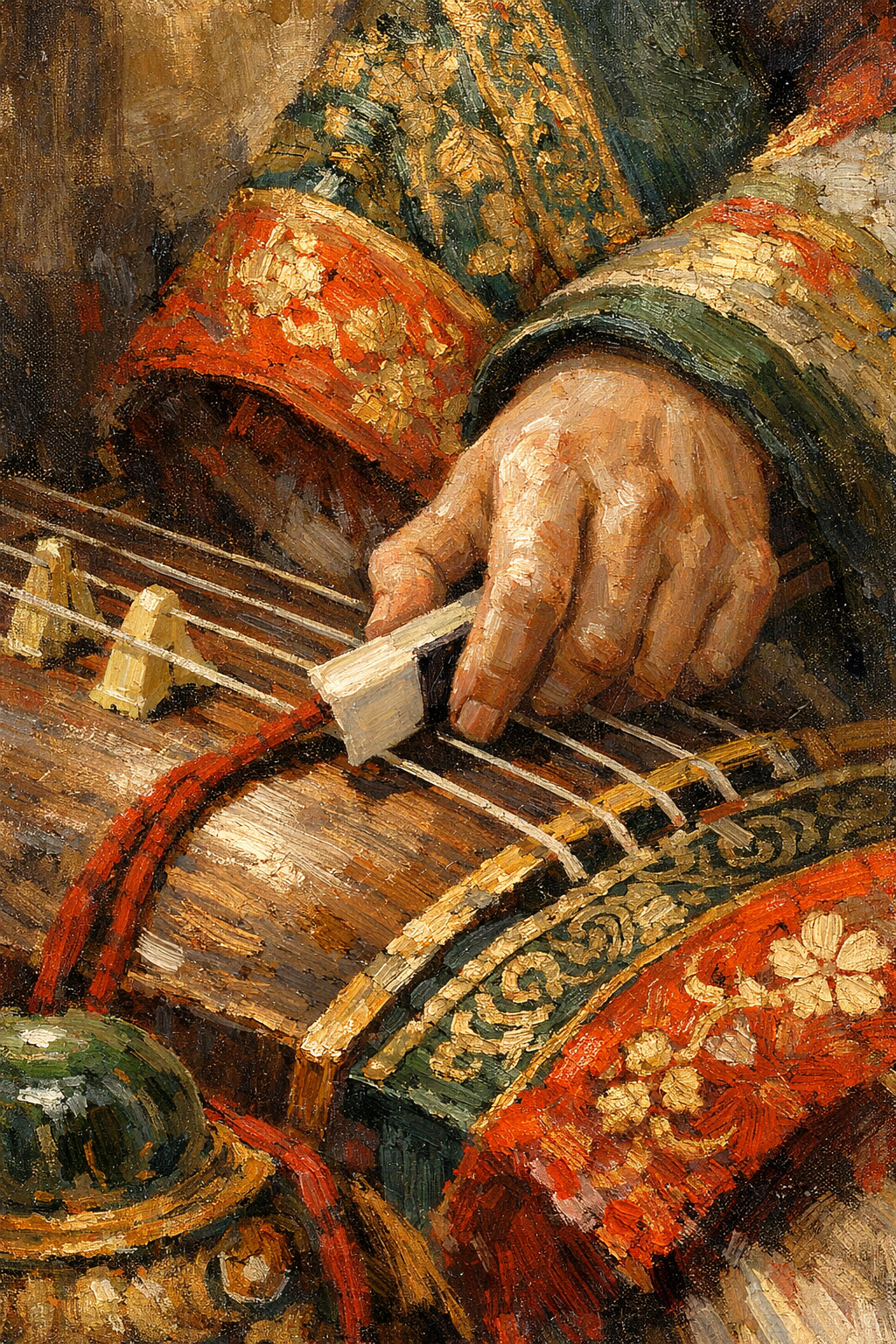
Resonance of a Forgotten Melody
Critique
1. Introduction This oil painting presents a focused, close-up view of a musician's hand interacting with a traditional stringed instrument. The composition emphasizes the tactile relationship between the performer and the instrument, drawing the viewer into a moment of intense artistic concentration. This work exemplifies a sophisticated blending of cultural subject matter with classical European oil painting techniques. The overall atmosphere is one of dignity and historical resonance, capturing the essence of a musical performance without showing the musician's face. 2. Description The canvas is dominated by a weathered hand, its fingers carefully positioned on the strings of a wooden instrument. The musician wears an elaborate garment featuring rich red, green, and gold patterns, suggesting high social status or a ceremonial occasion. The instrument itself displays fine craftsmanship, with visible wooden grain and delicate bridges supporting the white strings. Gold leaf effects or metallic pigments are applied to the fabric, creating a shimmering texture that contrasts with the matte skin tones. The background remains dark and indistinct, focusing all attention on the central action. 3. Analysis The artist employs a heavy impasto technique, where thick layers of paint create a physical texture on the surface of the work. Warm tones, particularly ochre, deep red, and gold, dominate the color palette, establishing a sense of antiquity and warmth. The diagonal lines of the instrument's strings and body create a dynamic sense of movement, leading the eye across the composition. Lighting is handled with a clear chiaroscuro influence, casting deep shadows that define the anatomical structure of the hand. The contrast between the detailed textile patterns and the organic form of the hand highlights the artist's technical versatility. 4. Interpretation and Evaluation This painting can be interpreted as a meditation on the preservation of traditional arts and the physical effort required for mastery. The focus on the hand rather than the face suggests that the music itself, and the skill behind it, is the true subject. The work is highly successful in its portrayal of material textures, from the rough wooden surface to the intricate embroidery of the sleeve. The composition is tightly cropped, which creates an intimate connection between the viewer and the silent music being played. It demonstrates a masterful command of light and shadow, elevating a specific moment into a timeless study of human skill. 5. Conclusion In summary, this painting provides a powerful and detailed exploration of a musical performance through the lens of traditional craftsmanship. The artist's use of rich color and textured brushwork brings a remarkable sense of life to the static image. The initial impression of a simple portrait evolves into a deeper appreciation for the intersection of art, history, and physical labor. Ultimately, the work stands as a testament to the enduring beauty of classical music and the dedication of its practitioners. The interplay between the delicate strings and the strong hand remains the most memorable element of the piece.
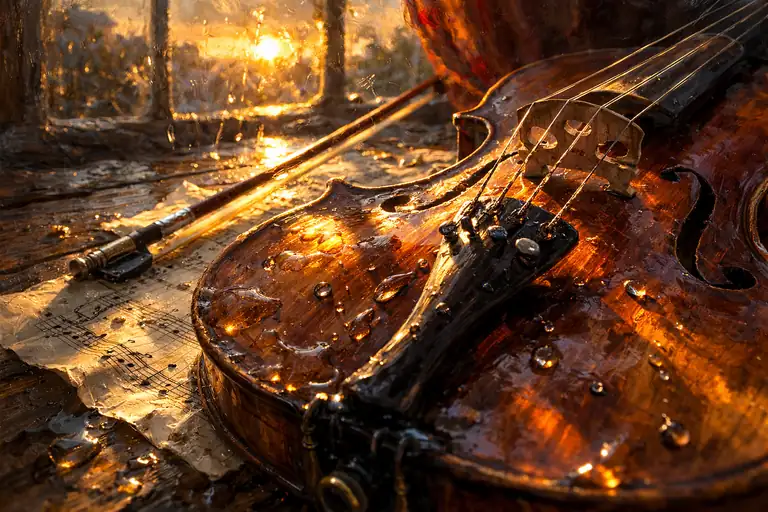 The Silent Song of Sunset
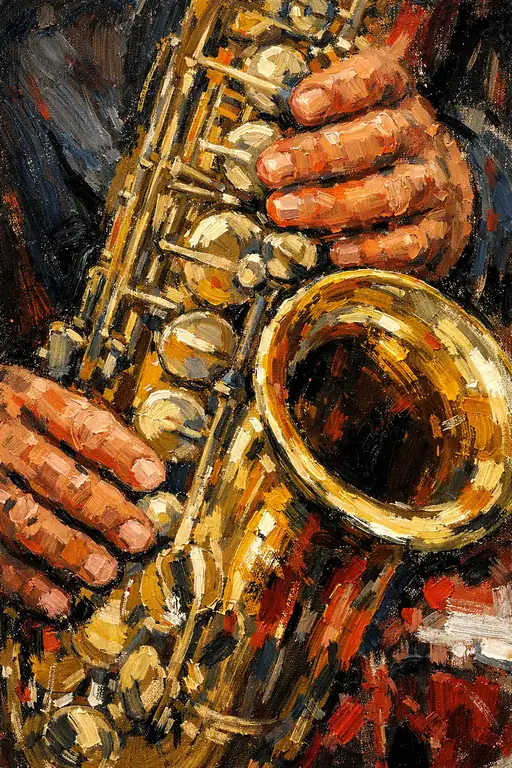 Soul of Brass
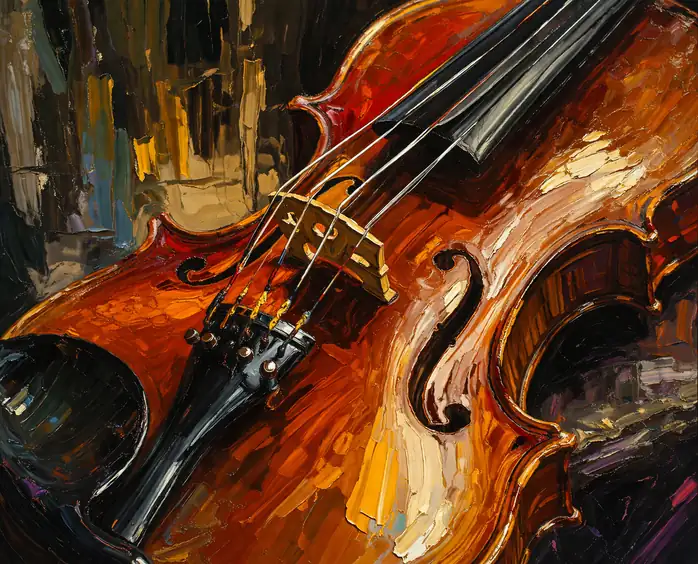 Resonance in Amber and Wood
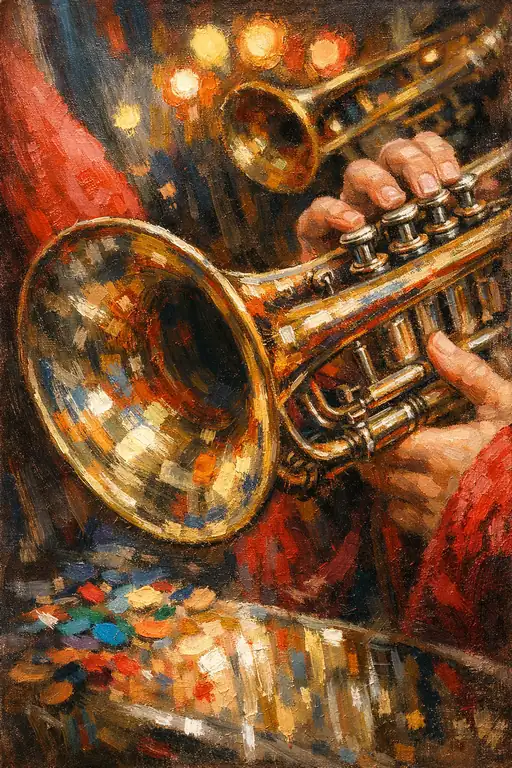 Golden Resonance of the Jazz Soul
 Echoes of a Golden Melody
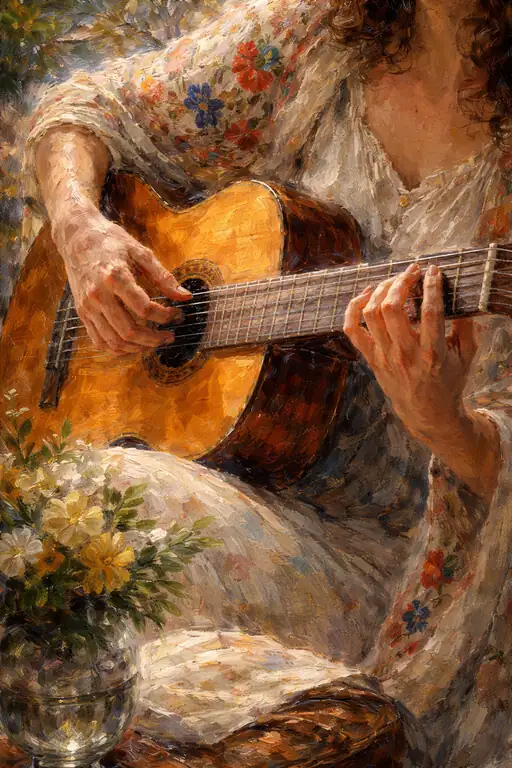 Whispers of the Golden Strings
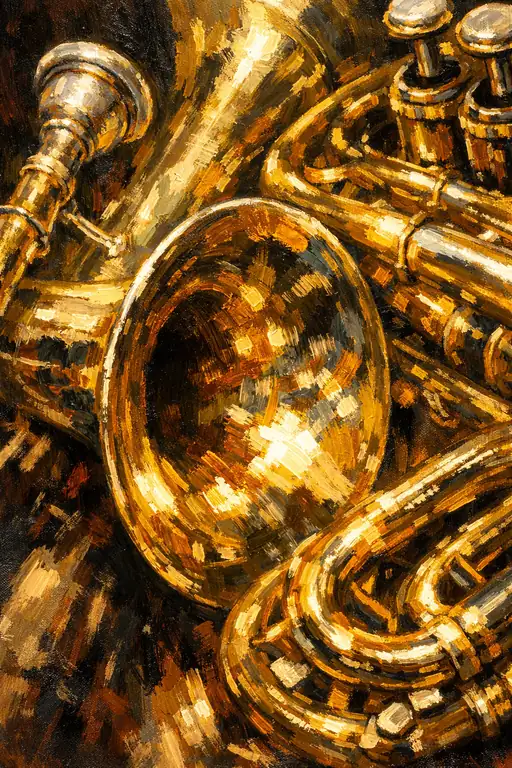 Resounding Symphony of Gold
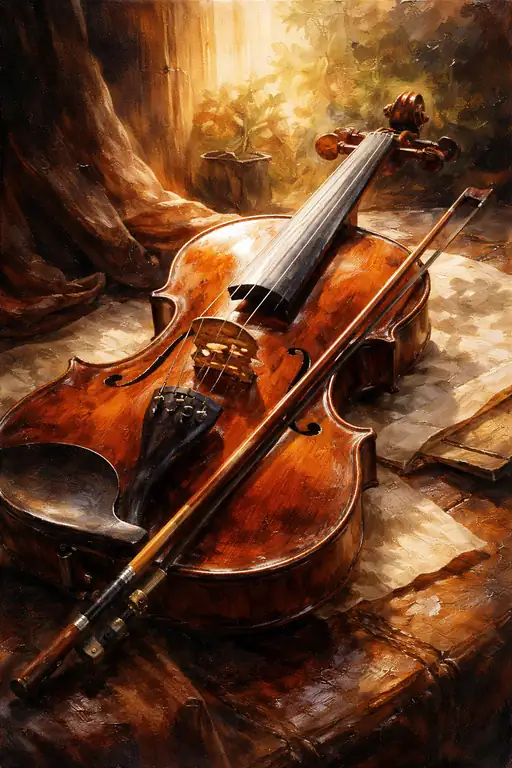 The Silent Potential of Strings
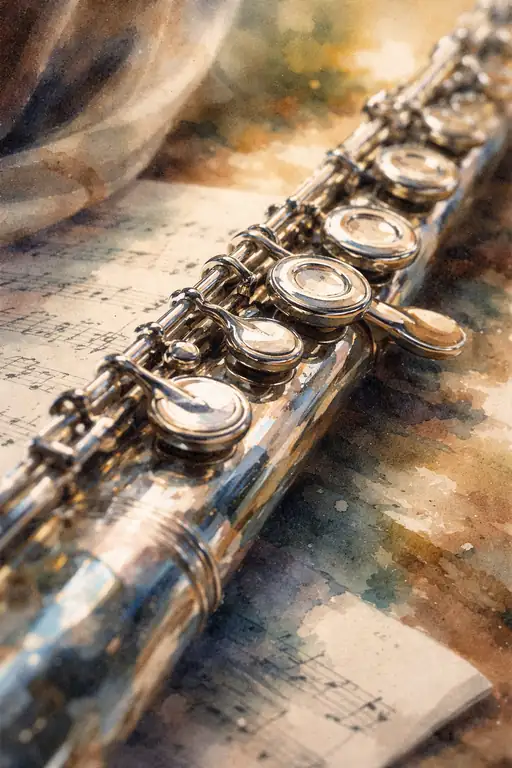 Sonata of the Silver Soul
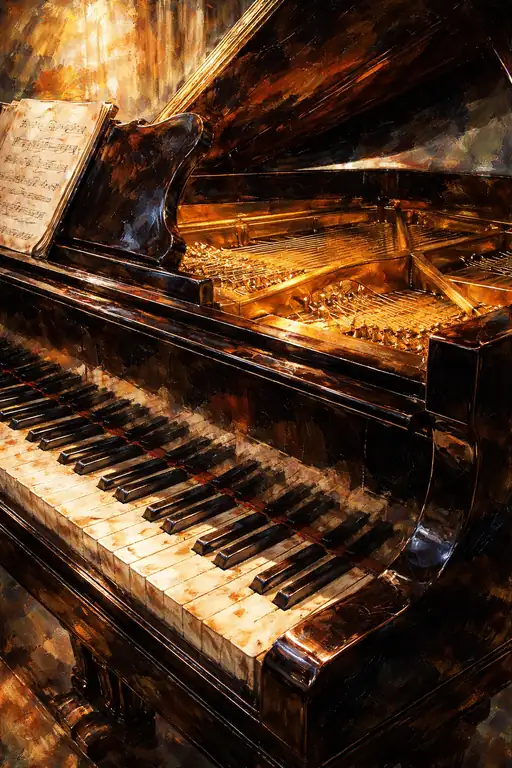 The Majestic Silence of the Keys
 The Golden Melody: A Moment of Musical Devotion