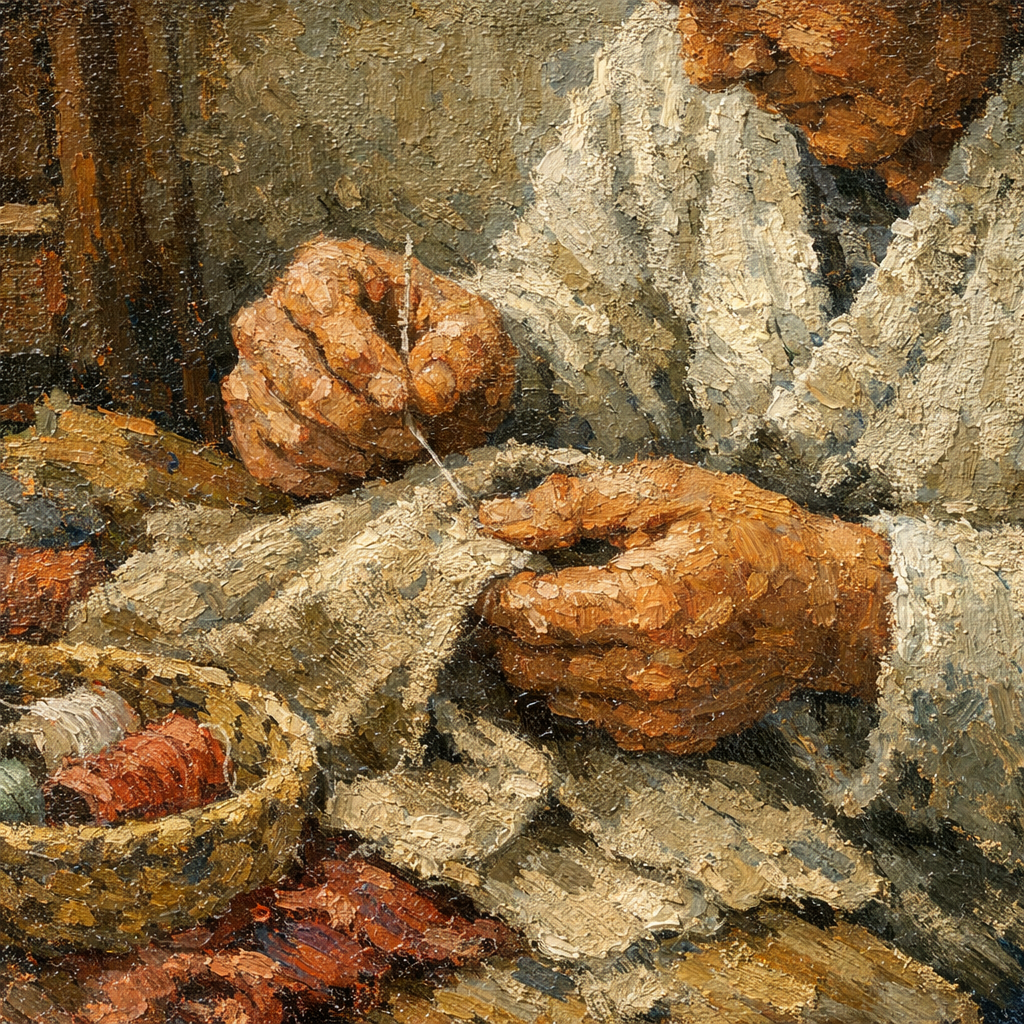
Weaving Dreams with Silver Threads
Critique
1. Introduction This oil painting depicts an elderly figure engaged in the meticulous task of sewing or mending fabric. The composition focuses heavily on the subject's hands and the textile, creating a sense of concentration and domestic labor. By centering on the physical act of needlework, the artist elevates a mundane activity into a significant study of human effort and tactile experience, characteristic of traditional genre painting. It offers a profound look at the dignity found in daily chores. 2. Description The artwork features two weathered hands holding a piece of light-colored cloth, with a needle and thread visible in the process of stitching. To the bottom left, a small woven basket contains spools of thread in various colors, including white and reddish-brown. The figure wears a coarse, off-white garment rendered with thick, tactile textures. The background is kept indistinct and neutral, utilizing shades of grey and ochre that allow the central action of sewing to remain the primary focus of the viewer's attention. 3. Analysis The painting is distinguished by an extreme use of impasto, where small, blocky brushstrokes create a rugged, almost sculptural surface across the canvas. This technique effectively emphasizes the rough texture of the aged hands and the heavy weave of the fabric being mended. The color palette is strictly restricted to earthy tones, with warm browns and yellows dominating the scene, punctuated only by the subtle colors of the thread. Light appears to fall from the upper right, casting soft shadows that define form. 4. Interpretation and Evaluation This work serves as a meditation on the passage of time and the enduring value of manual craftsmanship. The aged appearance of the hands suggests a lifetime of dedicated labor, while the focus on mending implies a sense of care and preservation of resources. Technically, the artist's bold and original application of paint is highly effective, successfully translating the physical sensation of touch into a visual medium. The tightly cropped composition enhances the feeling of quiet, absorbed focus on the task. 5. Conclusion In summary, the painting is a powerful exploration of texture and human industry through the lens of a simple domestic chore. The initial impression of a rough, almost abstract surface resolves into a poignant depiction of elderly resilience and skilled labor. Through the masterful use of impasto and a focused composition, the artist successfully captures the quiet dignity inherent in traditional craftsmanship and the endurance of the human spirit. It is a testament to the beauty found in the most humble of actions.
Same Subcategory
 Liquid Shadows: The Pouring Ritual
Similar Artworks
 Threads of Time
 A Quiet Devotion Spun in Red Thread
 Golden Threads of Solitude
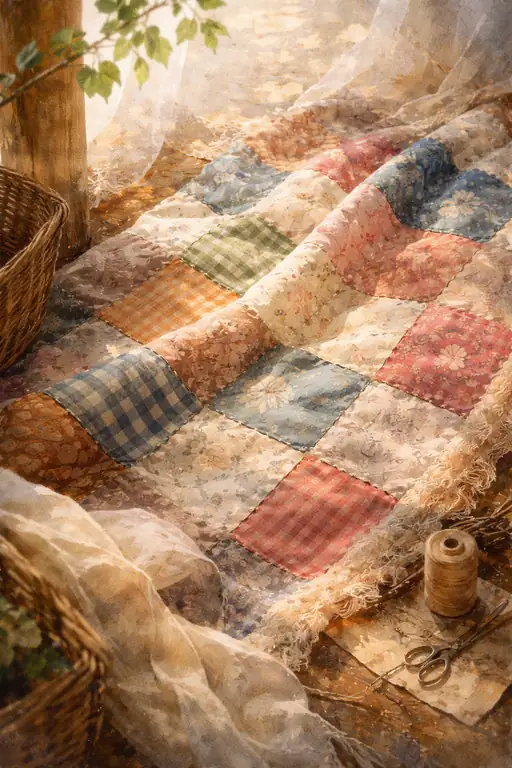 Sunlit Memories Intertwined
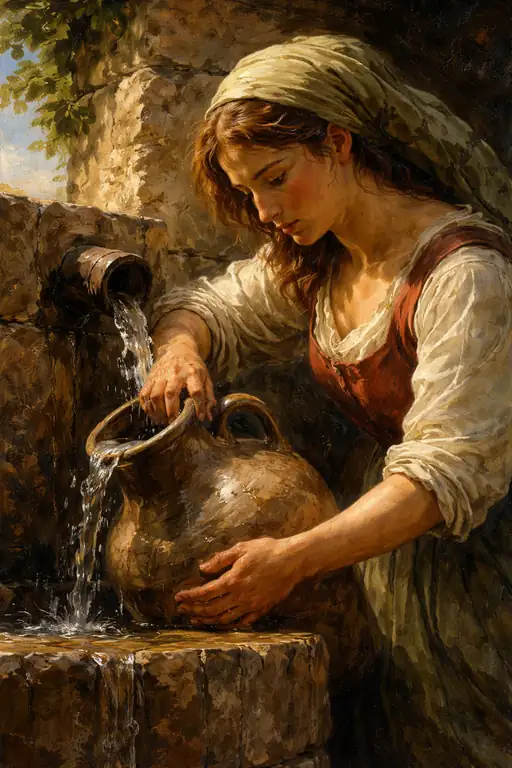 Rhythm of the Village Waters
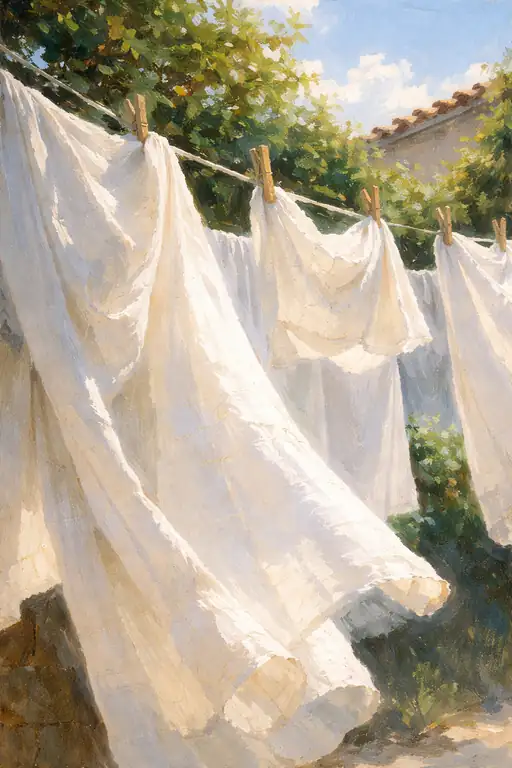 White Sheets in the Summer Breeze
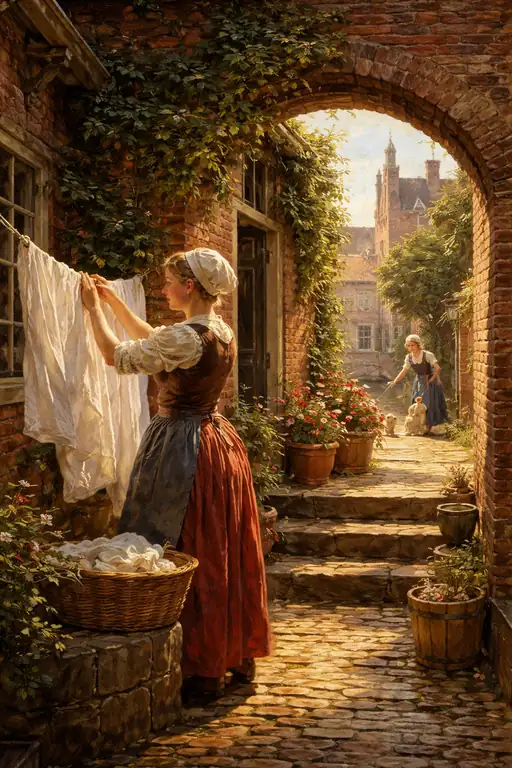 Quiet Rhythms of the Courtyard
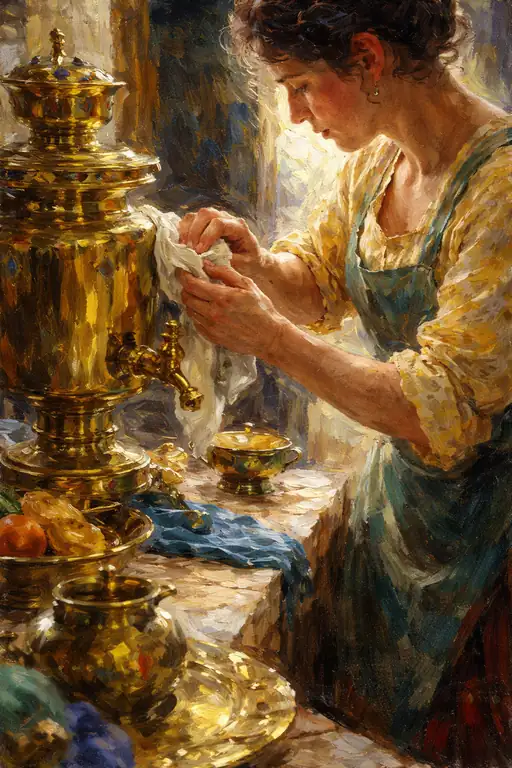 Polishing the Warmth of Routine
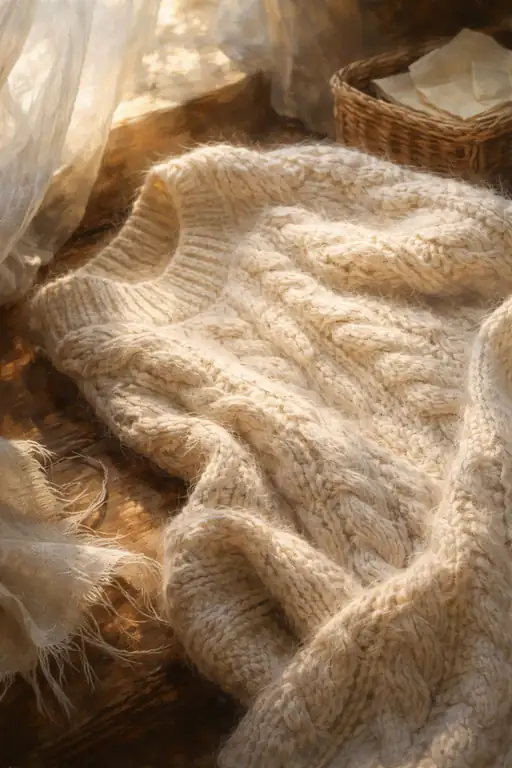 Morning's Soft Embrace
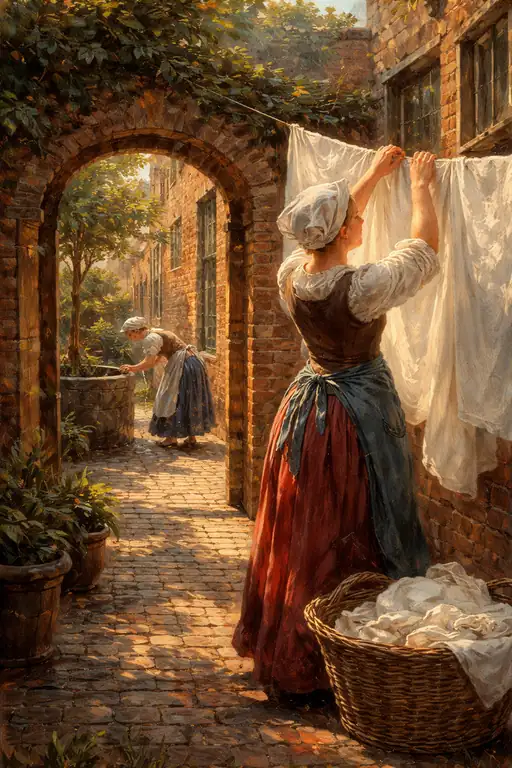 The Radiance of Daily Life in the Sunlit Courtyard