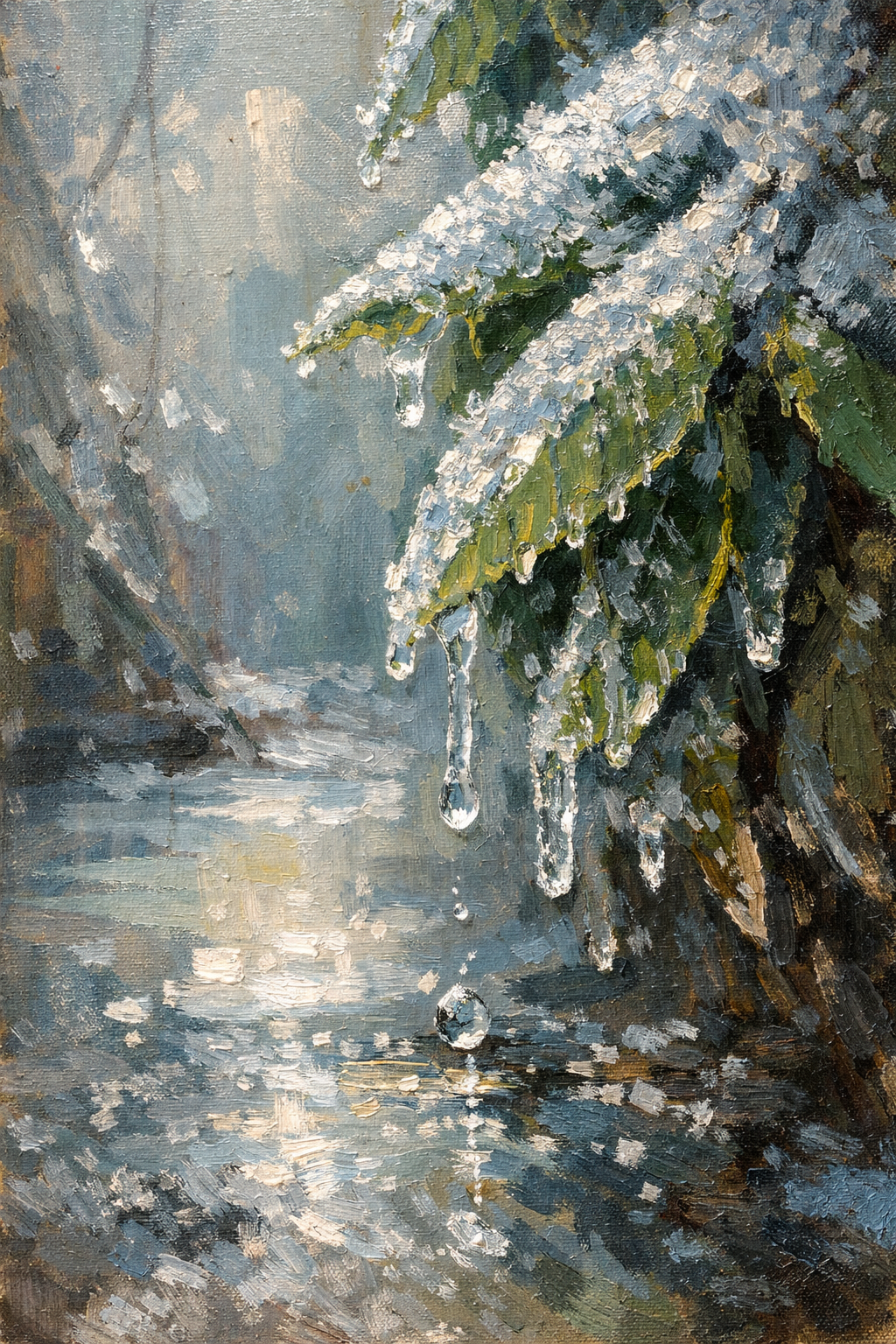
The Winter's Tear Before Spring
Critique
1. Introduction This oil painting captures a poignant moment of transition in nature, focusing on icicles and dripping water during a winter thaw. The composition utilizes a sophisticated blend of cool colors and heavy textures to evoke the silent, frigid atmosphere of a forest interior. It represents a poetic meditation on the subtle environmental changes that define the natural world. 2. Description On the right side of the canvas, dark green evergreen leaves are encrusted with layers of white snow and frost. From their tips, several sharp icicles extend downward, with a single, prominent droplet caught in the middle of its descent toward the surface below. The lower portion of the image depicts a reflective, icy puddle that glimmers with bright highlights, while the background remains a misty wash of gray and pale blue. 3. Analysis Technically, the work is distinguished by a vigorous impasto technique that creates a highly tactile surface. The artist applies paint in thick, rhythmic strokes to simulate the physical mass of snow and the crystalline structure of ice. Lighting is masterfully handled through the use of pure white accents that contrast with deep shadows, emphasizing the transparency of the falling water. The vertical alignment of the icicles and droplets provides a sense of gravity and structural balance to the frame. 4. Interpretation and Evaluation The painting can be interpreted as a symbol of life's perpetual cycle, where the melting of ice signifies renewal and the passage of time. The artist demonstrates exceptional skill in reconciling the static nature of frozen forms with the dynamic movement of liquid. This original execution, which prioritizes material presence alongside atmospheric quality, confirms a high level of aesthetic judgment. The restricted palette effectively communicates the stark beauty of winter without sacrificing complexity. 5. Conclusion An initial encounter with the bold brushwork evolves into a deeper appreciation for the delicate interplay between light and moisture. The accumulation of color and texture successfully translates the sensory experience of cold air and melting ice into a visual language. Ultimately, the work stands as a compelling testament to the artist's ability to elevate a fleeting natural phenomenon into a permanent artistic statement. It is a masterful achievement.
Same Subcategory
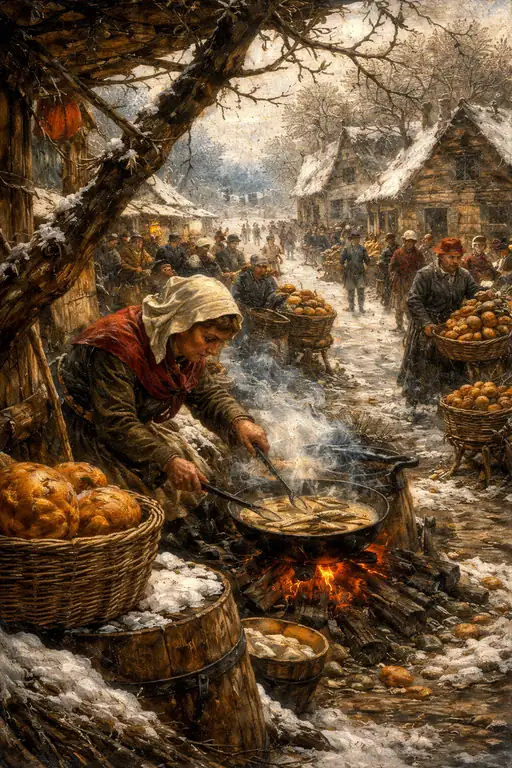 Echoes of a Snowy Village
Similar Artworks
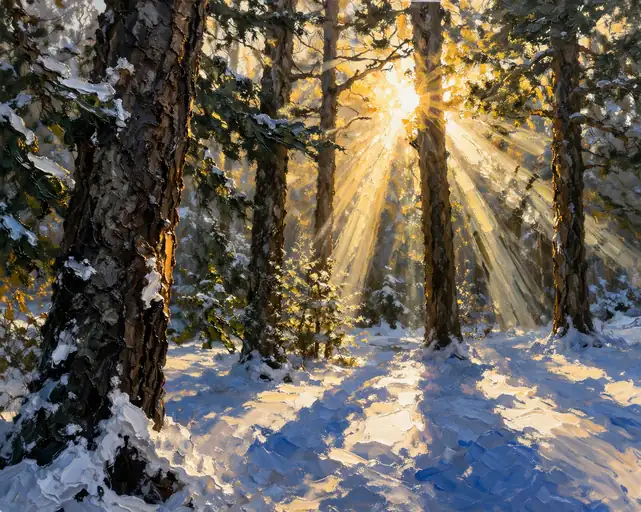 Golden Silence of the Winter Pines
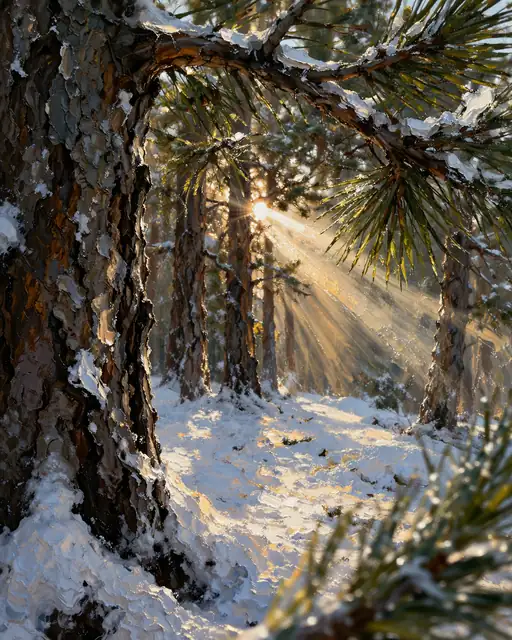 Dawn's Embrace in the Slumbering Woods
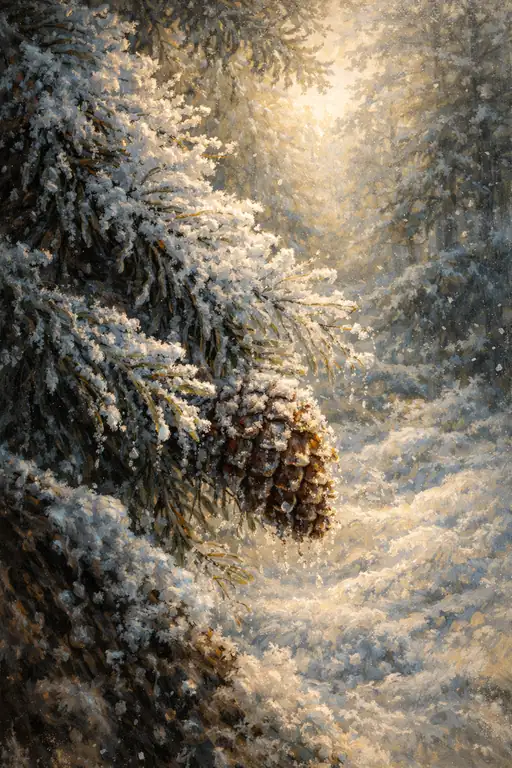 Frozen Whispers of the Winter Sun
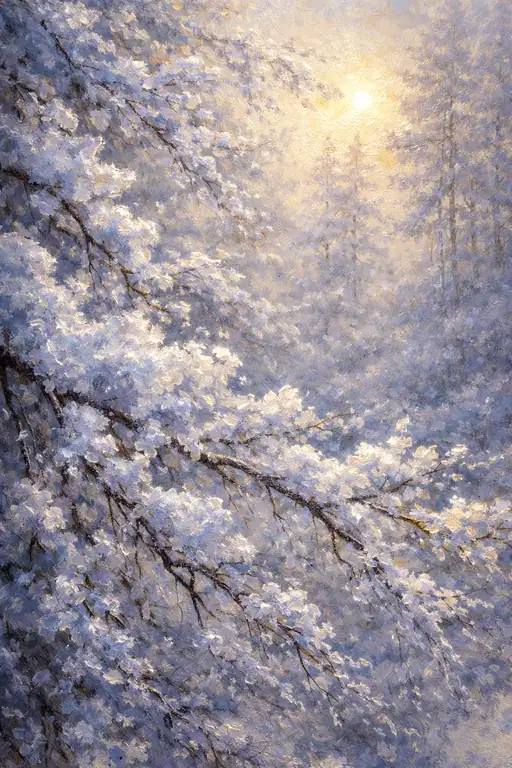 Golden Glow in the Frosty Woods
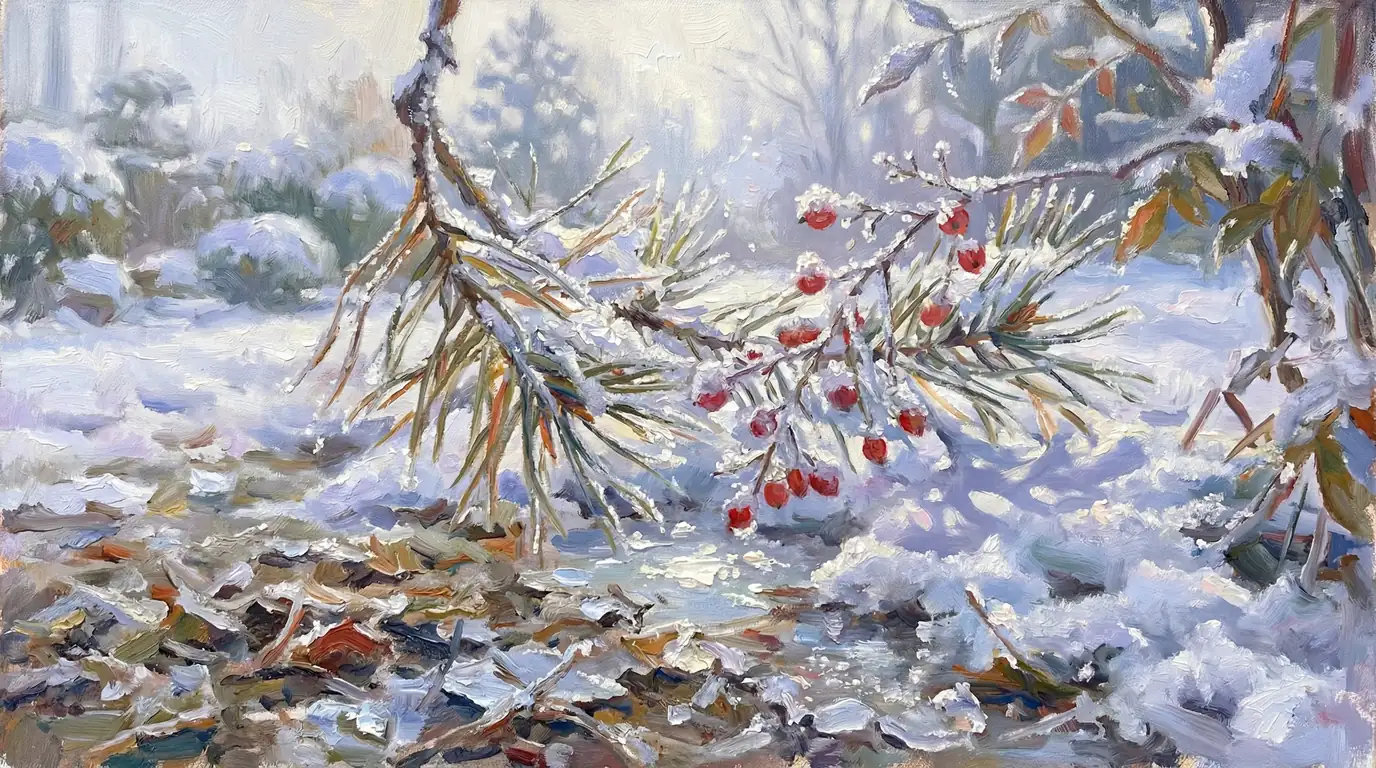 Silent Slumber Under the Frost
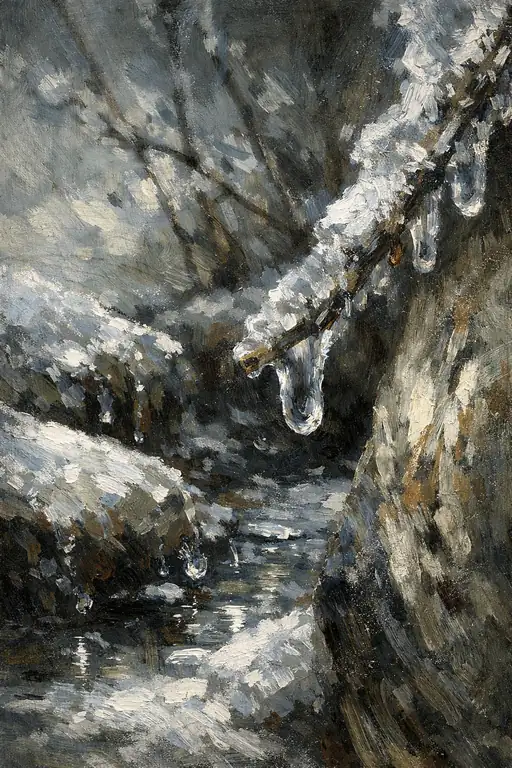 Frozen Silence
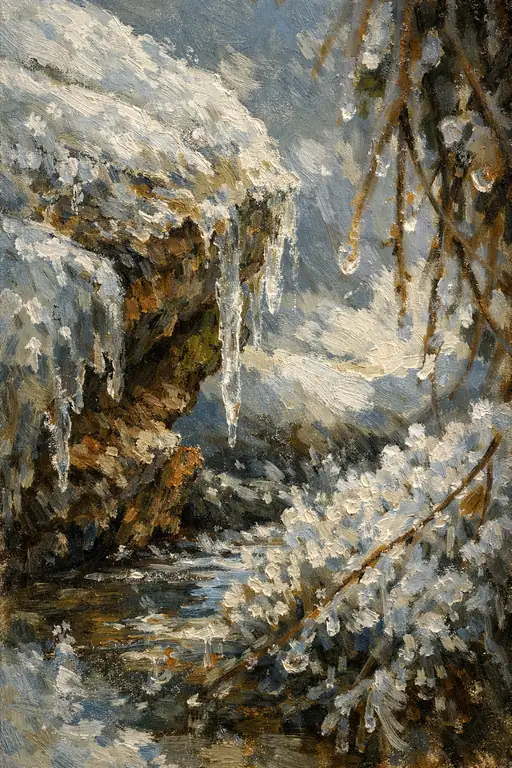 Silent Tears of the Frozen Realm
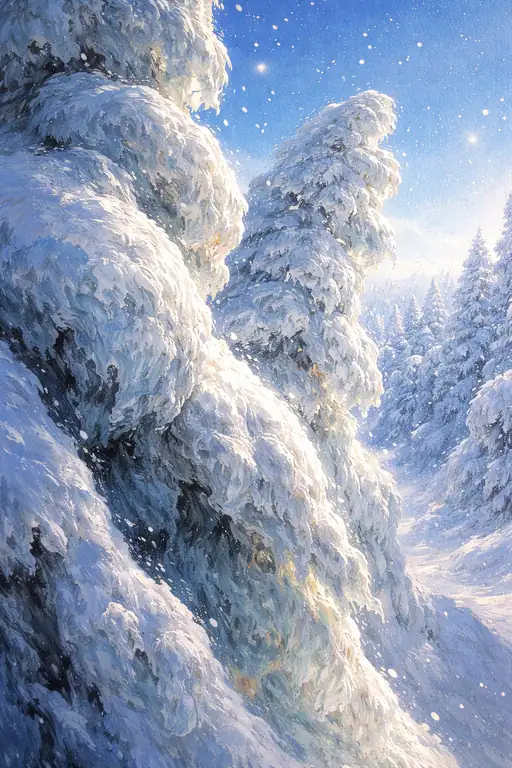 Silent Guardians of the Frost
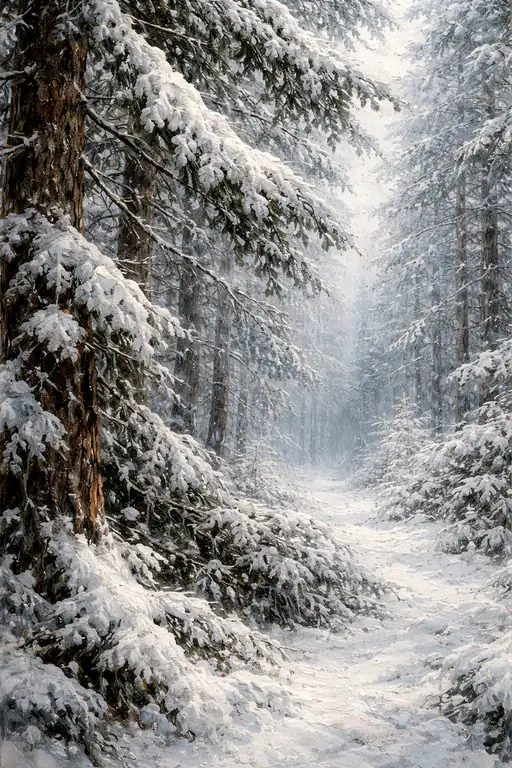 Path Through the Winter Woods
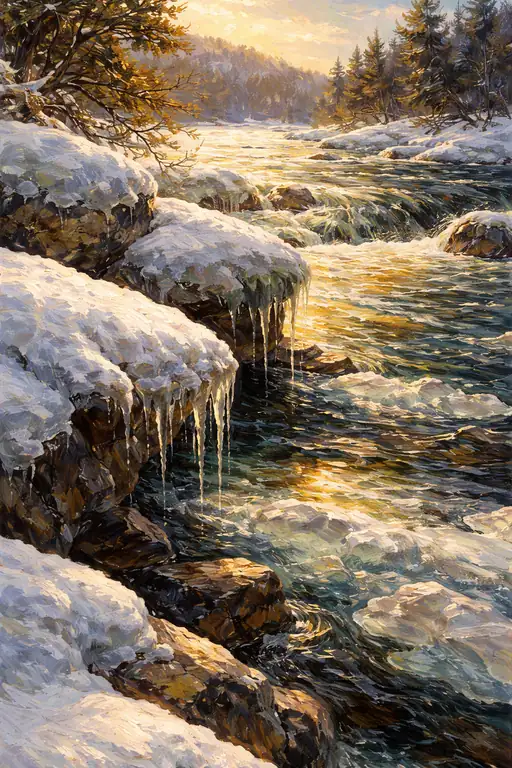 Winter's Golden Pulse