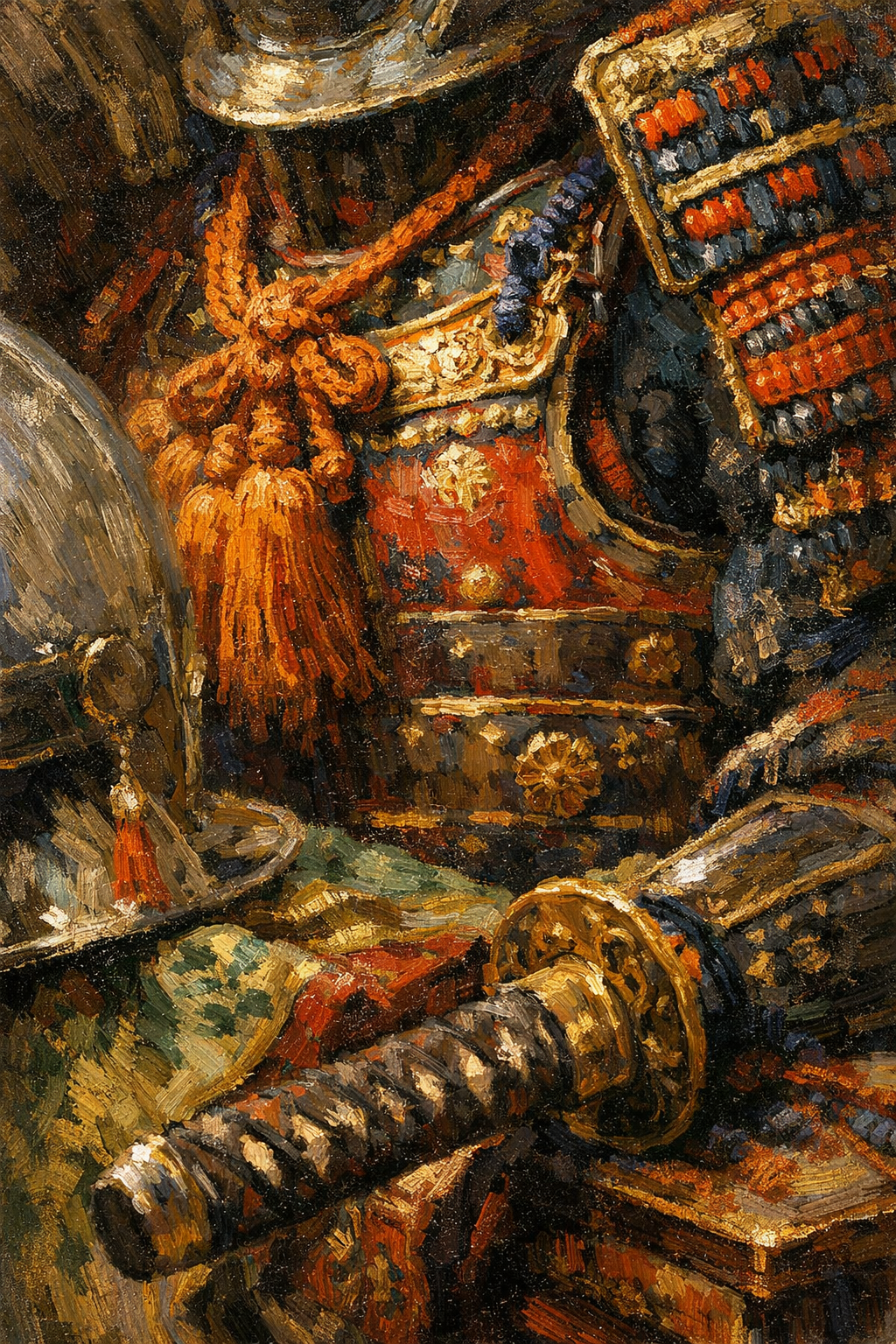
The Slumbering Spirit of the Blade
Critique
Introduction This vertical oil painting presents a detailed study of traditional Japanese samurai armor and weaponry. The work focuses on the material richness and symbolic power of these historical artifacts, rendered with a modern, expressive technique. It captures the intricate components of the armor, including the breastplate, helmet, and sword hilt, within a tightly cropped composition. This approach emphasizes the physical presence and historical weight of the subjects. Description The central focus is the ornate breastplate, featuring red and black lacquered sections held together by blue cords and gold metallic accents. To the left, a portion of a silver-toned helmet with an orange tassel is visible. In the lower foreground, the hilt of a katana, wrapped in dark material and decorated with a gold cross-guard, lies diagonally across the frame. The entire scene is bathed in a warm light that glints off the various textures of metal, silk, and lacquer. Analysis The artist utilizes a heavy impasto technique, where thick layers of paint create a rugged, tactile surface that mirrors the varied materials of the armor. The color palette is dominated by deep blacks, vibrant reds, and brilliant golds, which create a high-contrast and opulent visual effect. Lighting is used strategically to highlight the raised textures of the paint and to simulate the reflective quality of the lacquered and metallic surfaces. The composition is dense and overlapping, conveying a sense of complexity and craftsmanship. Interpretation and Evaluation This work is a masterful exploration of texture and light, demonstrating a high degree of skill in translating diverse materials into the medium of oil paint. The contrast between the heavy paint application and the delicate details of the armor’s construction is particularly effective. The choice of a close-up composition allows the viewer to appreciate the functional beauty and the aesthetic sophistication of the samurai gear. It offers a powerful interpretation of historical subject matter through a bold and modern stylistic lens. Conclusion The painting successfully translates the dignity and craftsmanship of samurai armor into a permanent and visually striking form. Initial impressions of metallic brilliance evolve into a deeper appreciation for the intricate relationship between the different materials and the artist’s expressive use of impasto. The work stands as a testament to the enduring fascination with these cultural symbols and the transformative power of paint. It ultimately provides a rich sensory experience that honors the legacy of its subject.
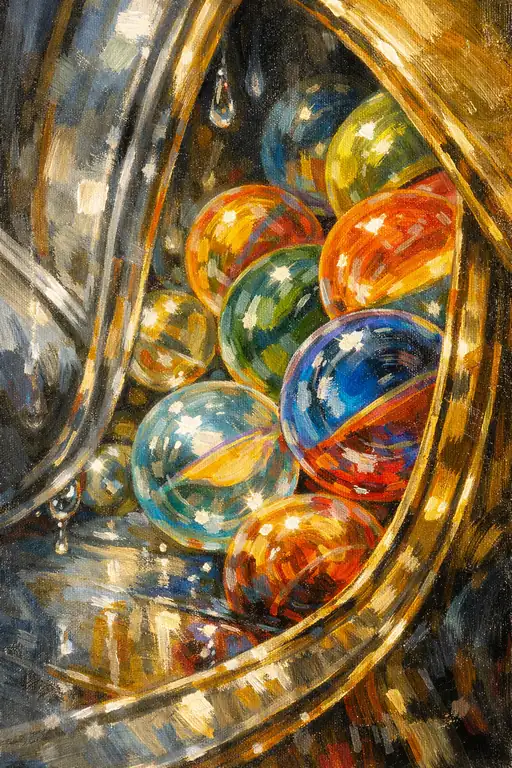 Echoes of Childhood Splendor
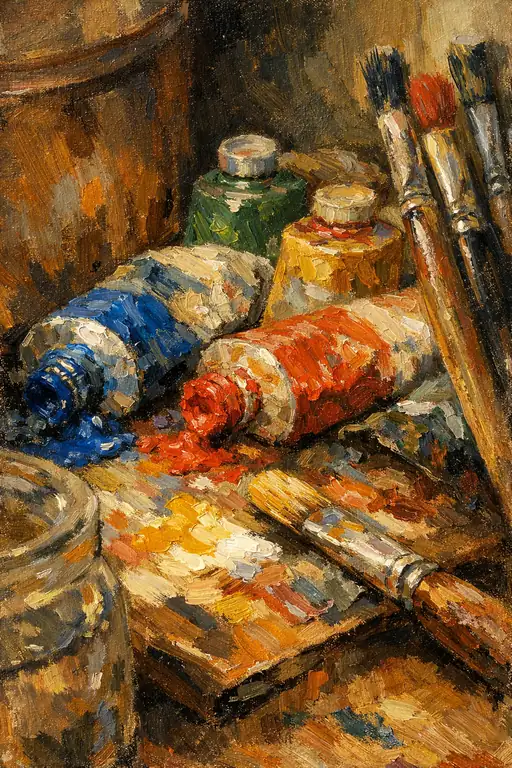 The Artist's Untamed Palette
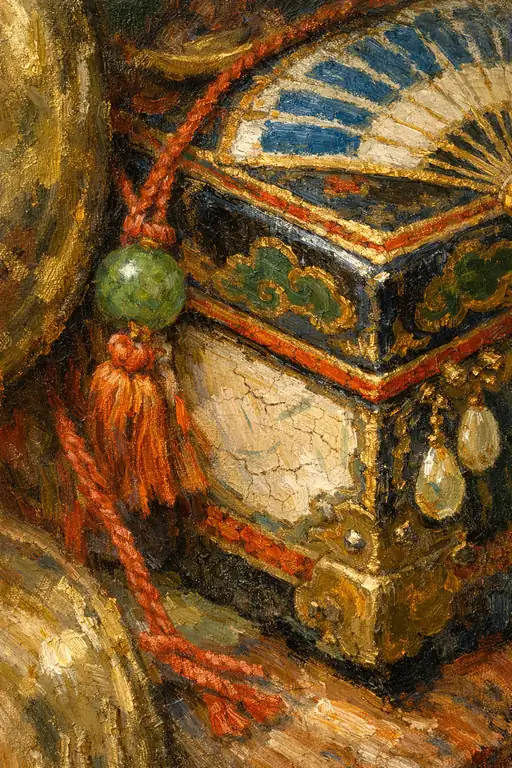 Secrets Held in Lacquer and Gold
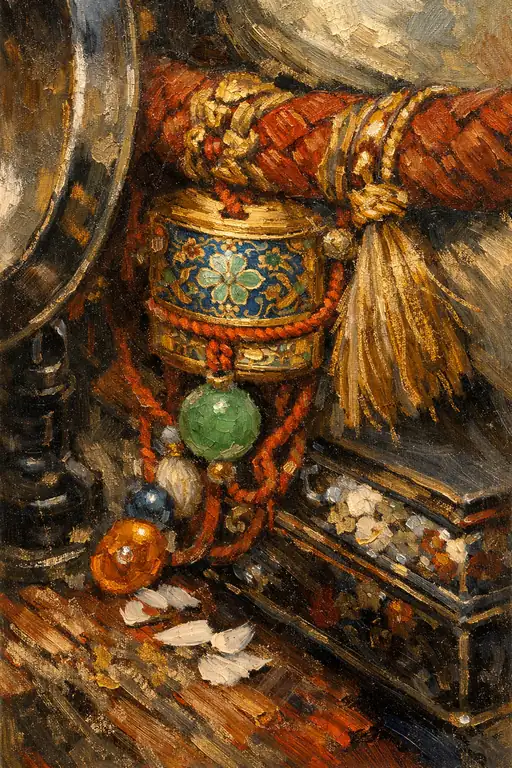 Echoes of a Forgotten Dynasty
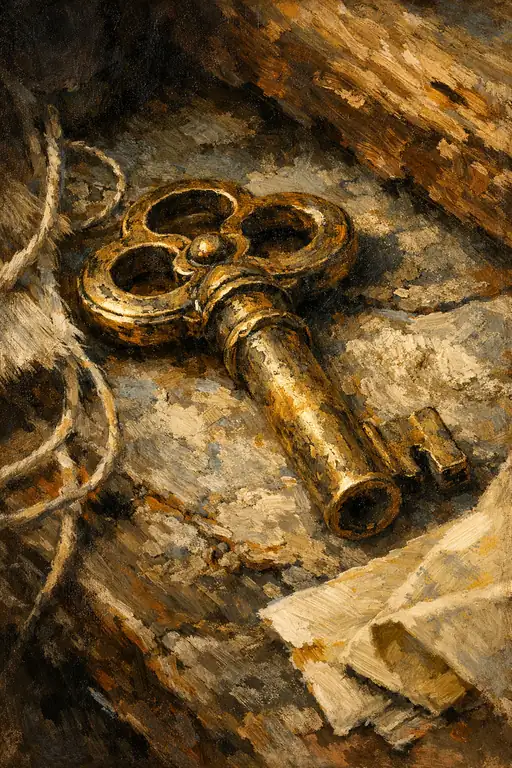 The Weight of Forgotten Doors
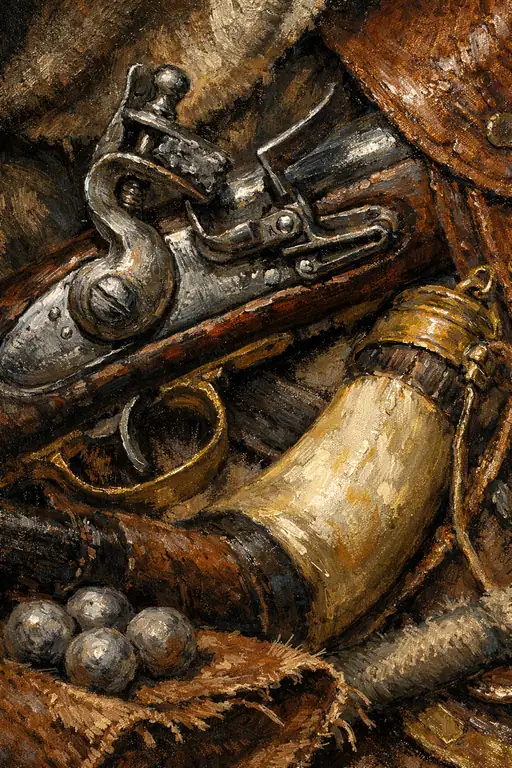 Echoes of a Restless Frontier
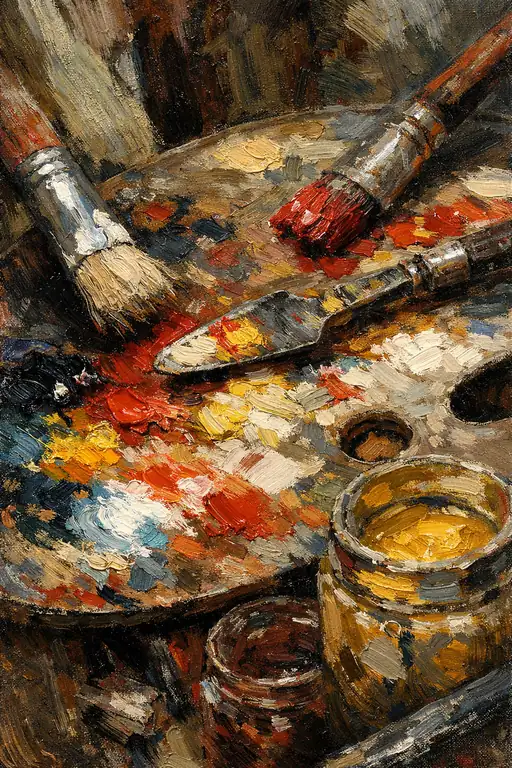 Heart of Creation
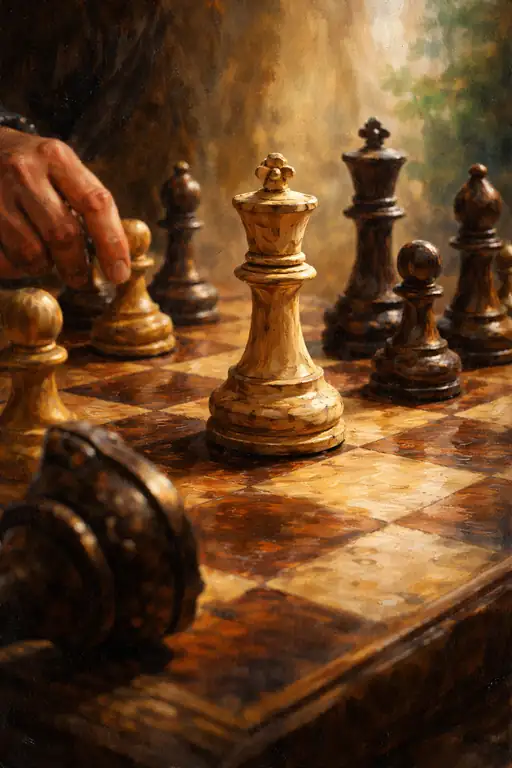 Silence Before the Storm
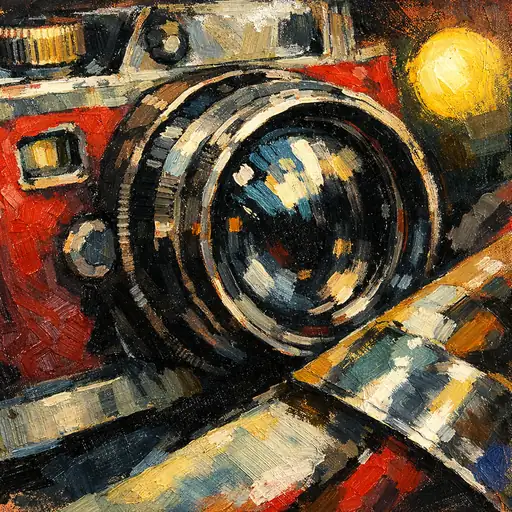 The Red Eye of Memory
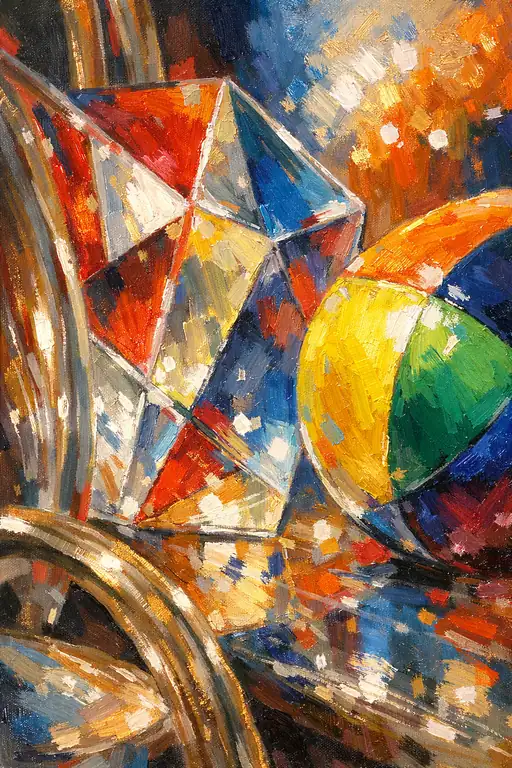 Fragments of a Fractured Reality
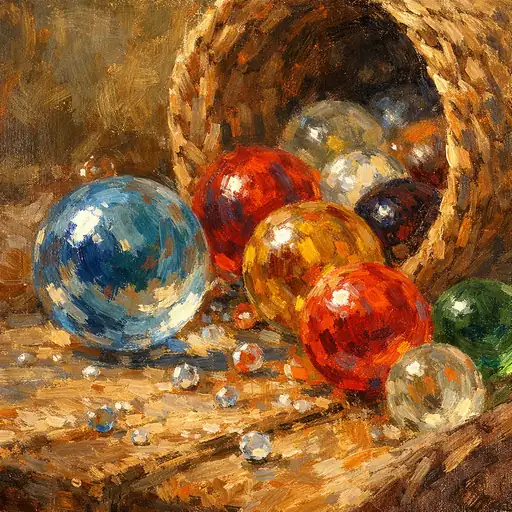 Spilling Dreams
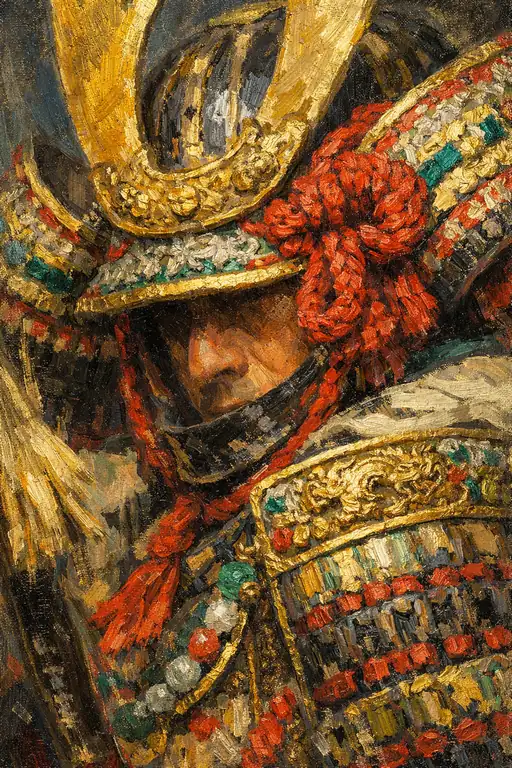 The Golden Resolve of the Warrior