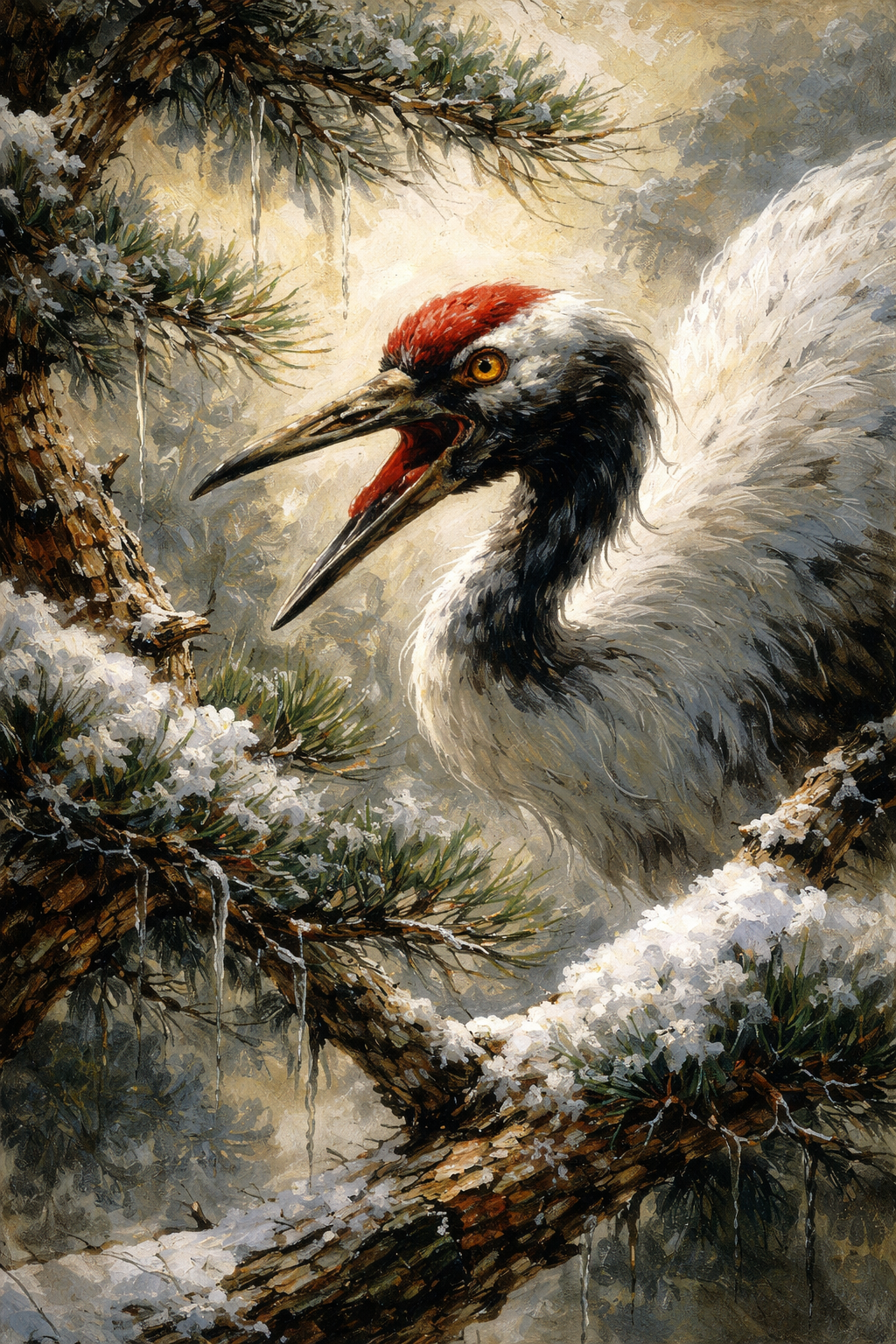
Cry of the Winter Monarch
Critique
1. Introduction This dynamic work features a red-crowned crane amidst the snow-covered branches of a pine tree. The painting captures a moment of intense vitality, emphasizing the bird's expressive posture and the harsh beauty of its wintry environment. It employs a vigorous brushwork that brings a sense of life and movement to the traditional subject matter. 2. Description The crane is depicted with its beak wide open, revealing a glimpse of its red throat. Its plumage is a brilliant white with black feathers around the neck, and it bears the characteristic red patch on its head. The surrounding pine branches are heavy with thick, white snow, and icicles hang delicately from the needles against a soft, diffused background. 3. Analysis The composition is built on a series of diagonal lines formed by the pine branches, which create a sense of depth and focus the viewer's eye on the crane's head. The contrast between the sharp, dark beak and the soft, feathery texture of the body enhances the visual impact. The limited color palette of white, black, and red is effectively used to create a striking and harmonious image. 4. Interpretation and Evaluation The artist successfully conveys the resilience and spirit of the crane within the cold landscape. The use of thick, expressive strokes to represent the snow and the pine bark adds a tactile dimension that complements the bird's detailed rendering. This interpretation revitalizes a classic East Asian motif, infusing it with a modern, painterly energy that speaks to the power of nature. 5. Conclusion What initially appears as a serene winter scene reveals itself to be a powerful study of survival and expression. The work demonstrates a skillful mastery of both form and atmosphere, leaving the viewer with a lasting impression of the bird's dignity. It is an evocative example of how traditional themes can be re-envisioned through a contemporary lens of expressive realism.
Same Subcategory
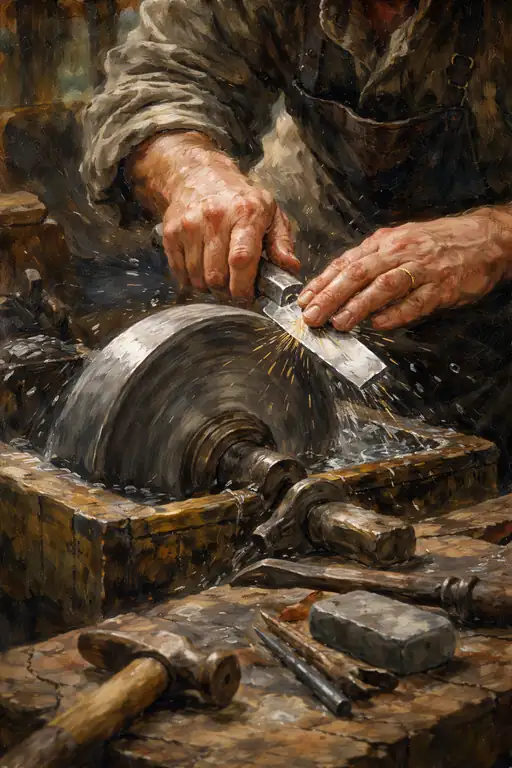 Sparks of the Iron Soul
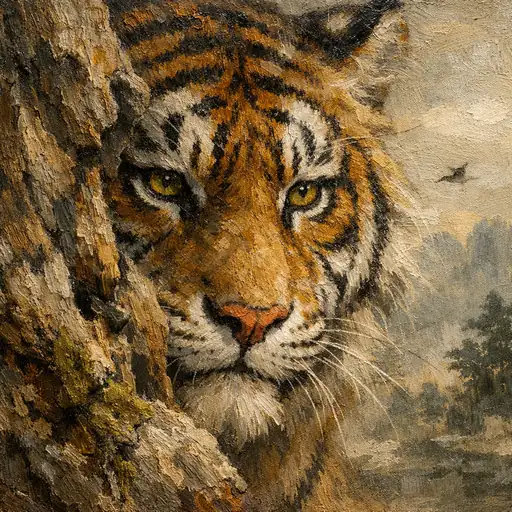 Gaze from the Silent Canopy
Similar Artworks
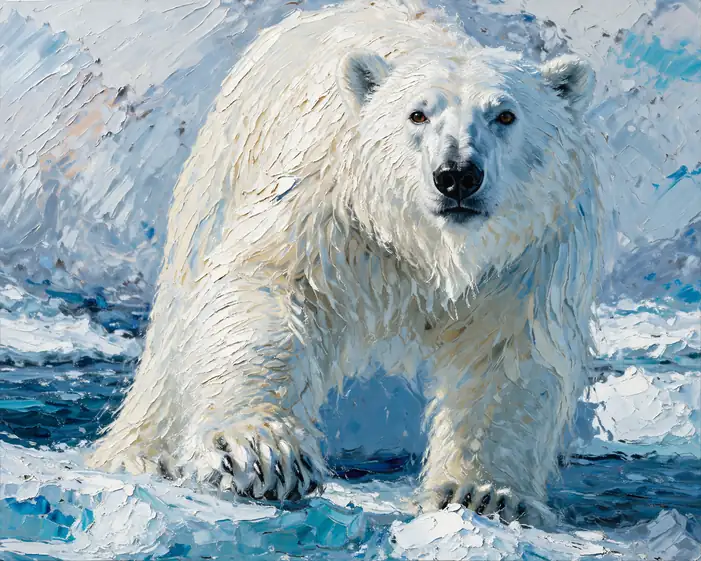 The Indomitable Form Within the Freezing Expanse
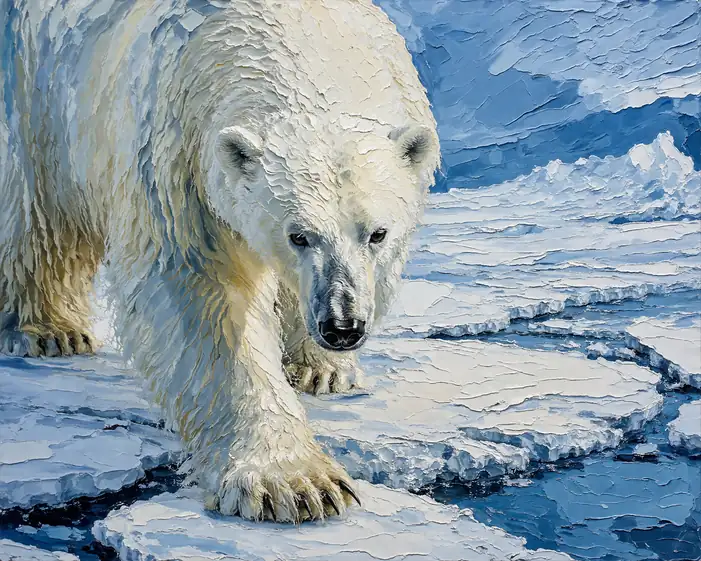 The Solitary Path Across the Fractured Realm
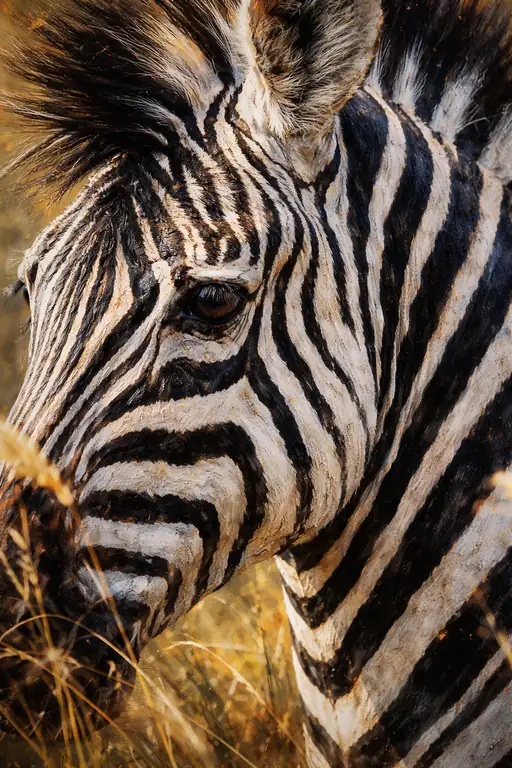 The Solitary Gaze of the Savannah
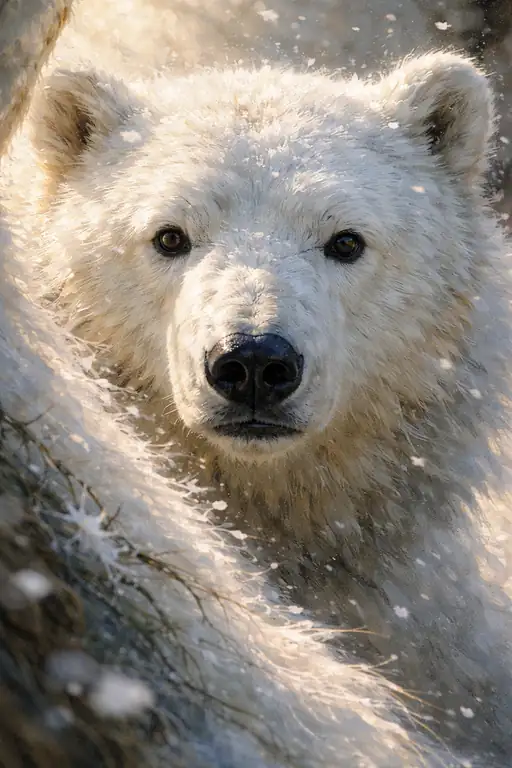 Quiet Dignity in the Frost
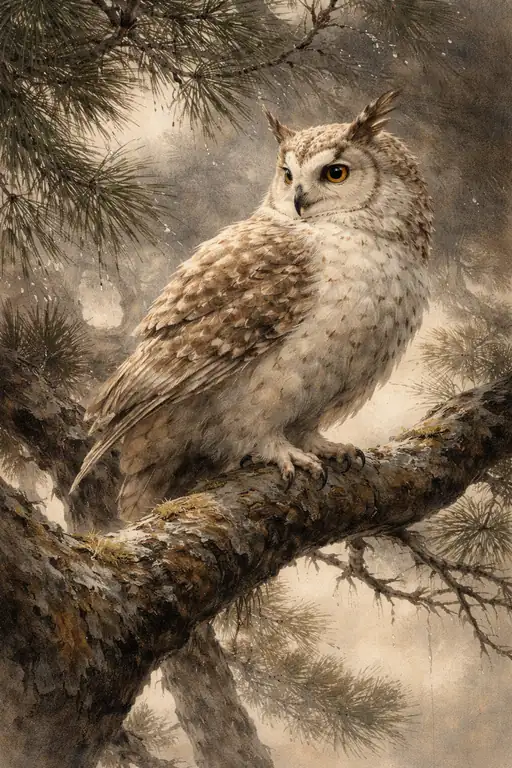 Watcher of the Mist-Clad Pines
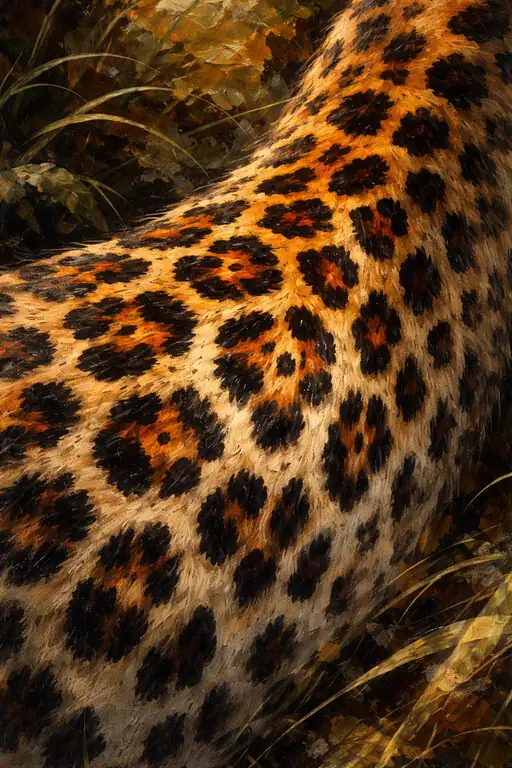 Rhythm in the Shadows
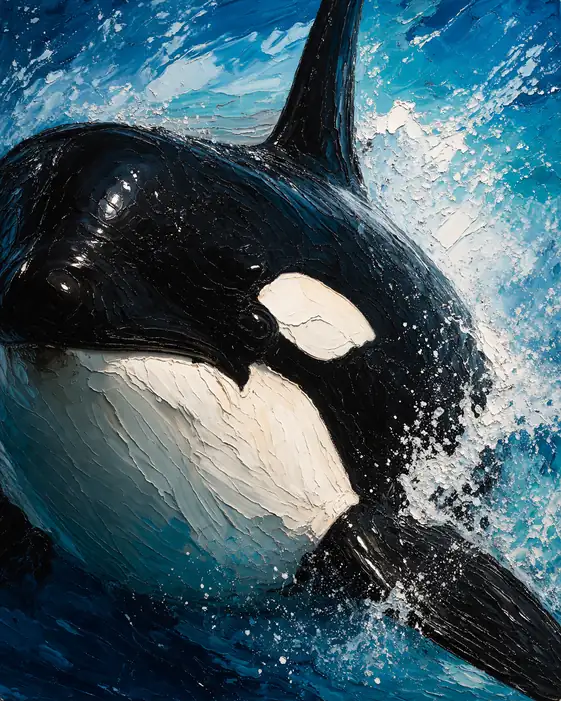 Breaching the Surface: The Raw Power of the Orca
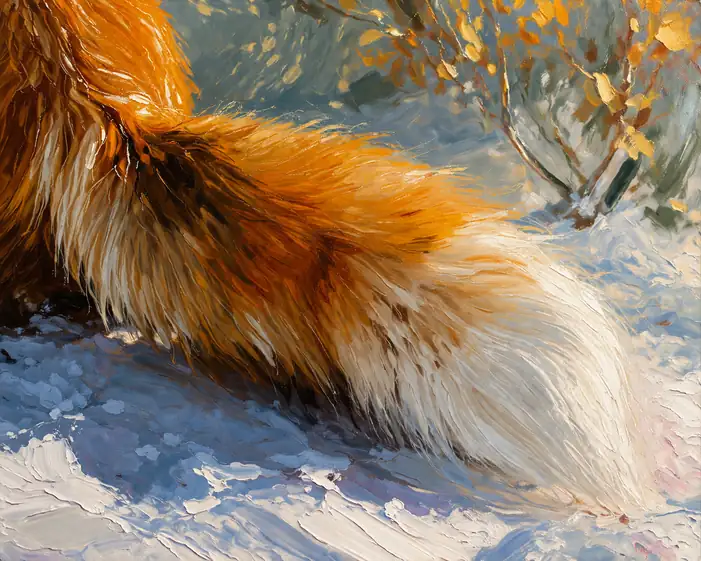 Winter's Warmth
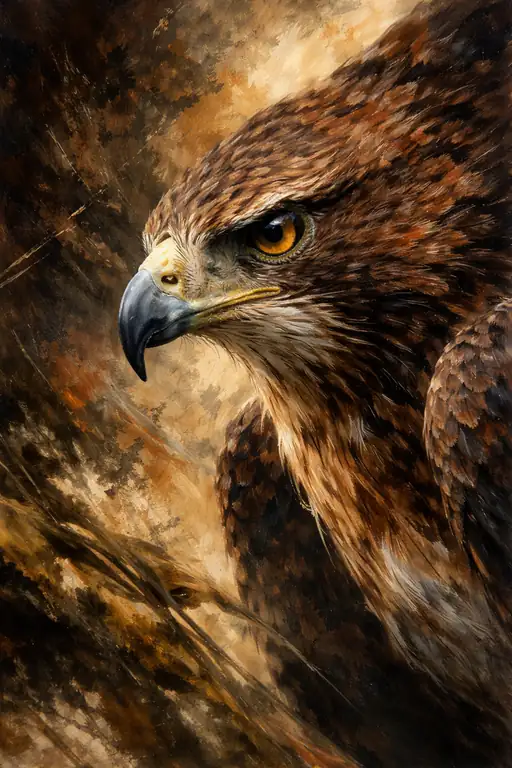 Gaze of the Wilderness
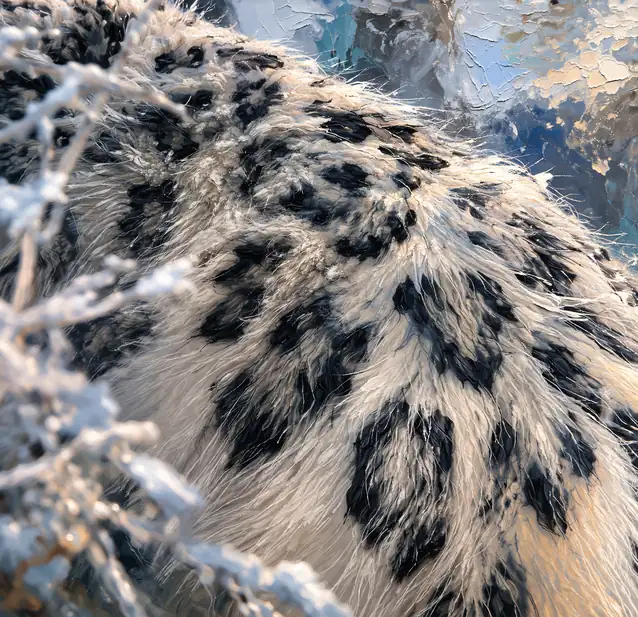 Quiet Endurance Beneath the Frost