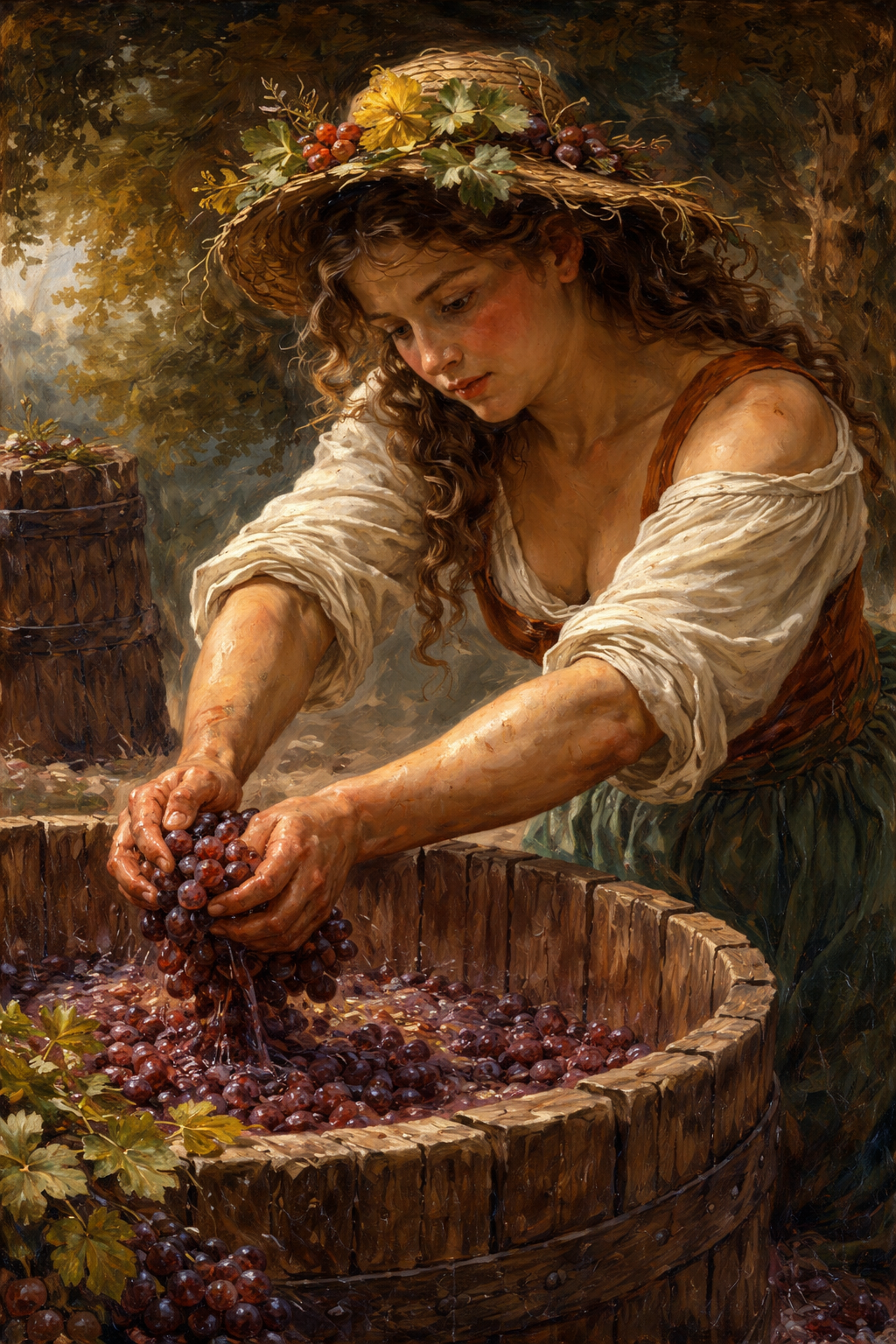
The Weight of the Harvest
Critique
1. Introduction This oil painting presents a poignant pastoral scene of a young woman engaged in the traditional process of crushing grapes. Set against a soft, natural background, the work captures a moment of physical labor that is both rustic and dignified. The artist focuses on the connection between human effort and the bounty of the earth, employing a realistic style that emphasizes texture and atmosphere. 2. Description The subject is shown wearing a wide-brimmed straw hat decorated with wild flowers and leaves, her curly hair cascading over her shoulders. She is dressed in simple, peasant-style clothing consisting of a white chemise and a dark bodice. Her hands are submerged in a large wooden vat filled with dark purple grapes, with juice visibly dripping from her fingers. The background is suggested through muted tones of green and brown, evoking a sunlit vineyard or barn. 3. Analysis The composition is centered on the diagonal line formed by the woman’s arms, leading the eye directly to the act of crushing the fruit. This creates a strong sense of movement and physical weight. The artist uses an earthy color palette dominated by ochres, browns, and deep purples, which harmonizes with the rural theme. Soft, diffused lighting illuminates the scene, highlighting the texture of the wooden staves and the glistening surface of the crushed grapes. 4. Interpretation and Evaluation This work can be interpreted as a celebration of the harvest and the timeless cycles of rural life. The woman’s expression is one of quiet focus, elevating a mundane task to a level of meditative significance. Technically, the artist demonstrates great skill in rendering organic textures, from the rough straw of the hat to the moist skin of the grapes. The painting succeeds in portraying manual labor with grace rather than hardship. 5. Conclusion The initial impression of a simple country scene gives way to a deeper appreciation for the beauty found in essential human activities. This work effectively bridges the gap between everyday reality and artistic idealization, capturing the essence of the harvest season. It remains a beautiful tribute to the enduring relationship between people and the land they cultivate.
Same Subcategory
Similar Artworks
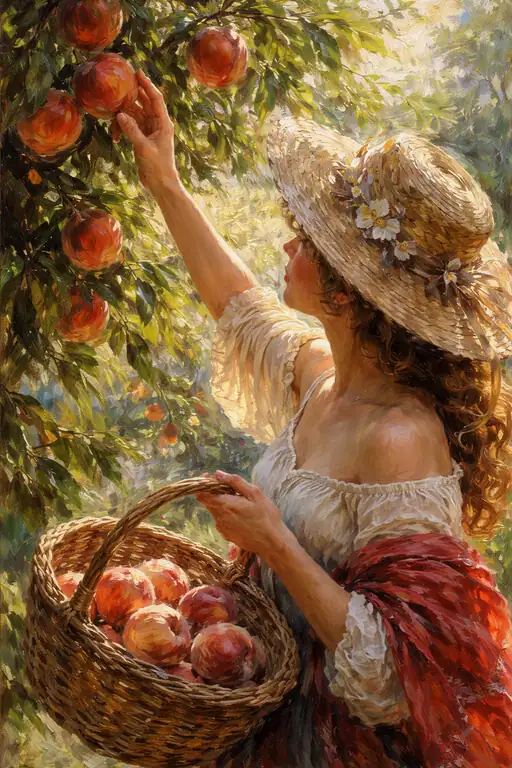 Bathed in Golden Warmth
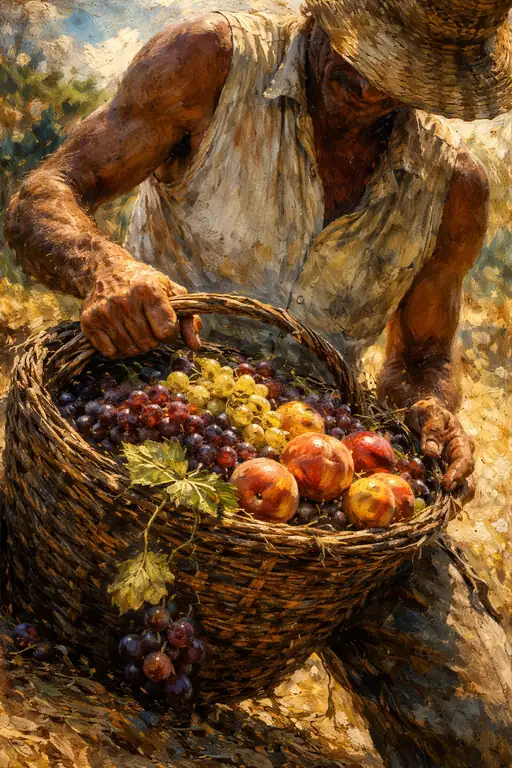 The Earth's Embrace in Abundant Harvest
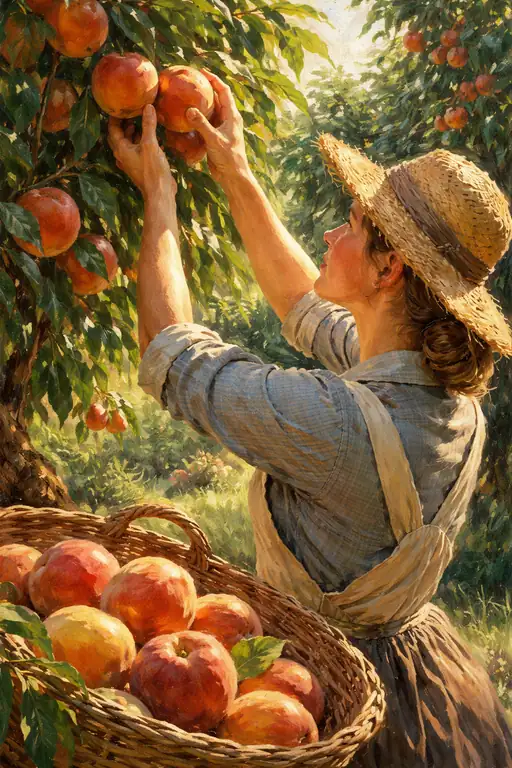 Ember Eyes Seeking the Horizon
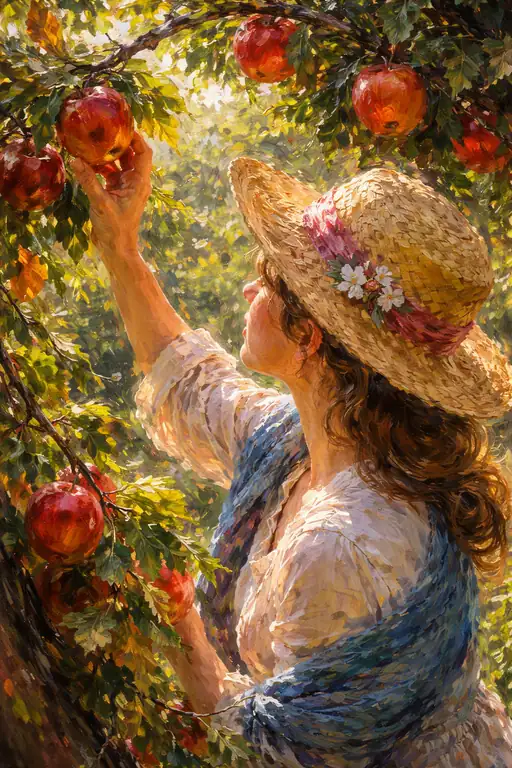 Joy of Life Ripened in Sunlight, Season of Grace
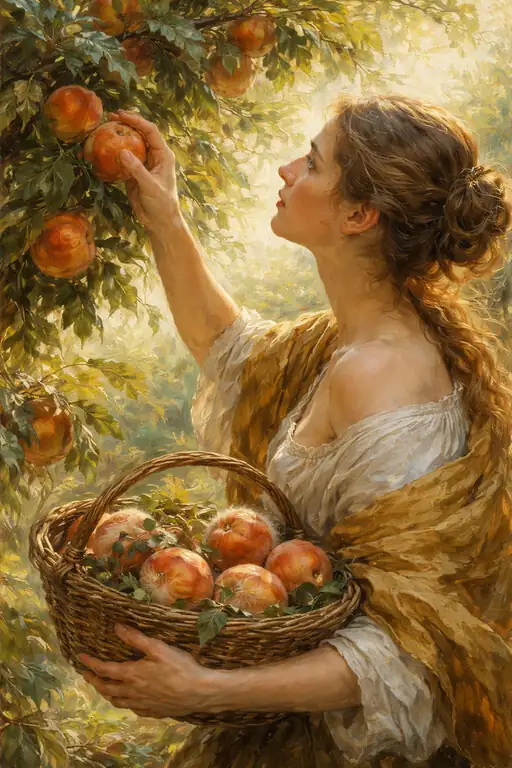 Golden Harvest Under the Sun
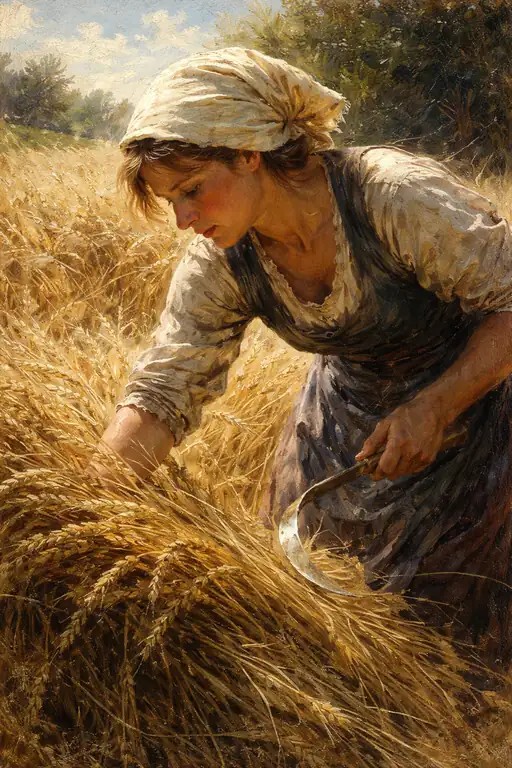 The Golden Dignity of the Harvest Sweat
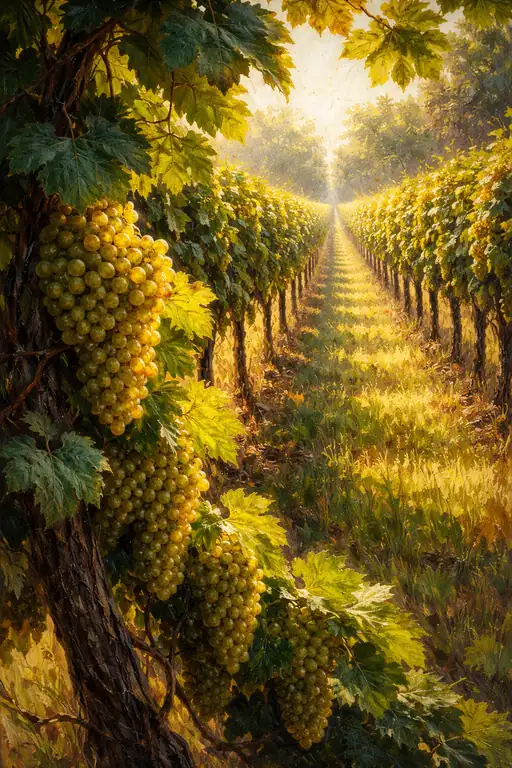 Bountiful Grace of the Golden Vines
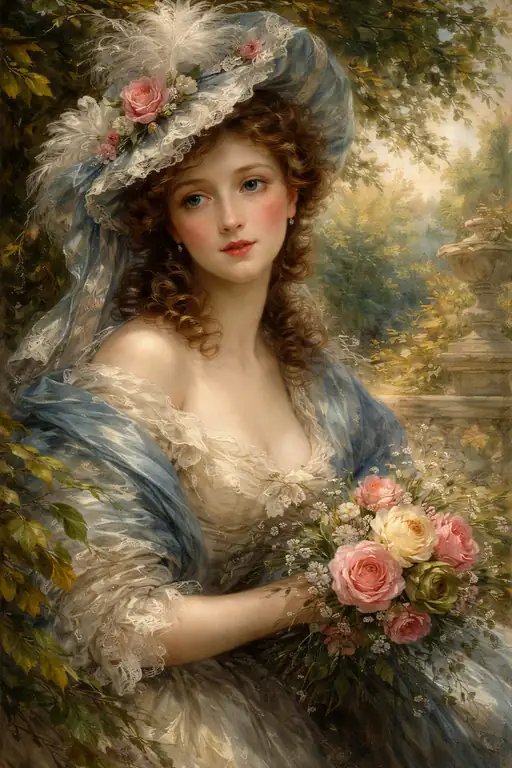 Whispers of the Rose Garden: A Maiden's Tranquility
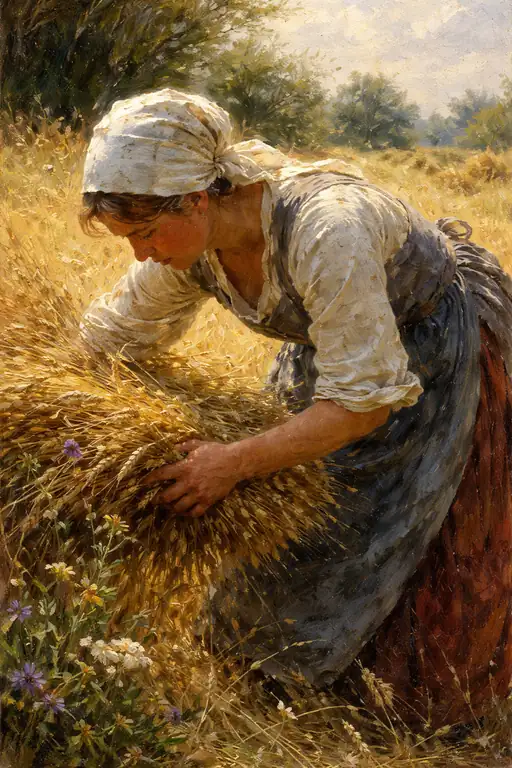 The Golden Sweat of Summer
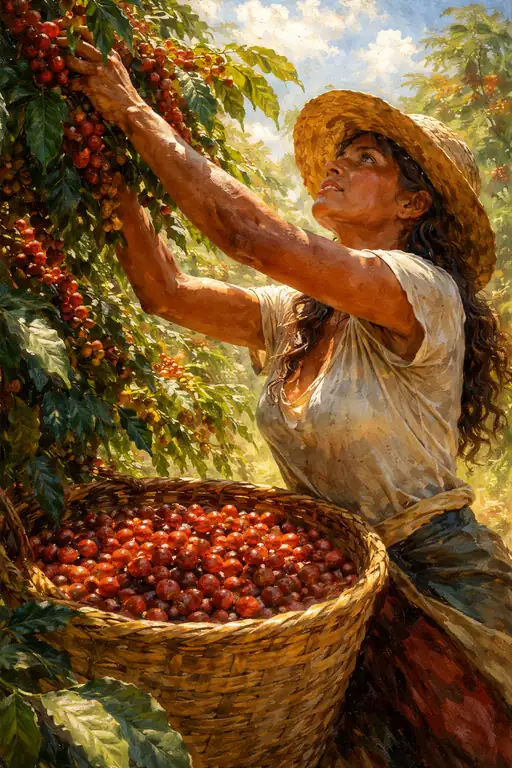 Crimson Jewels of the Sun