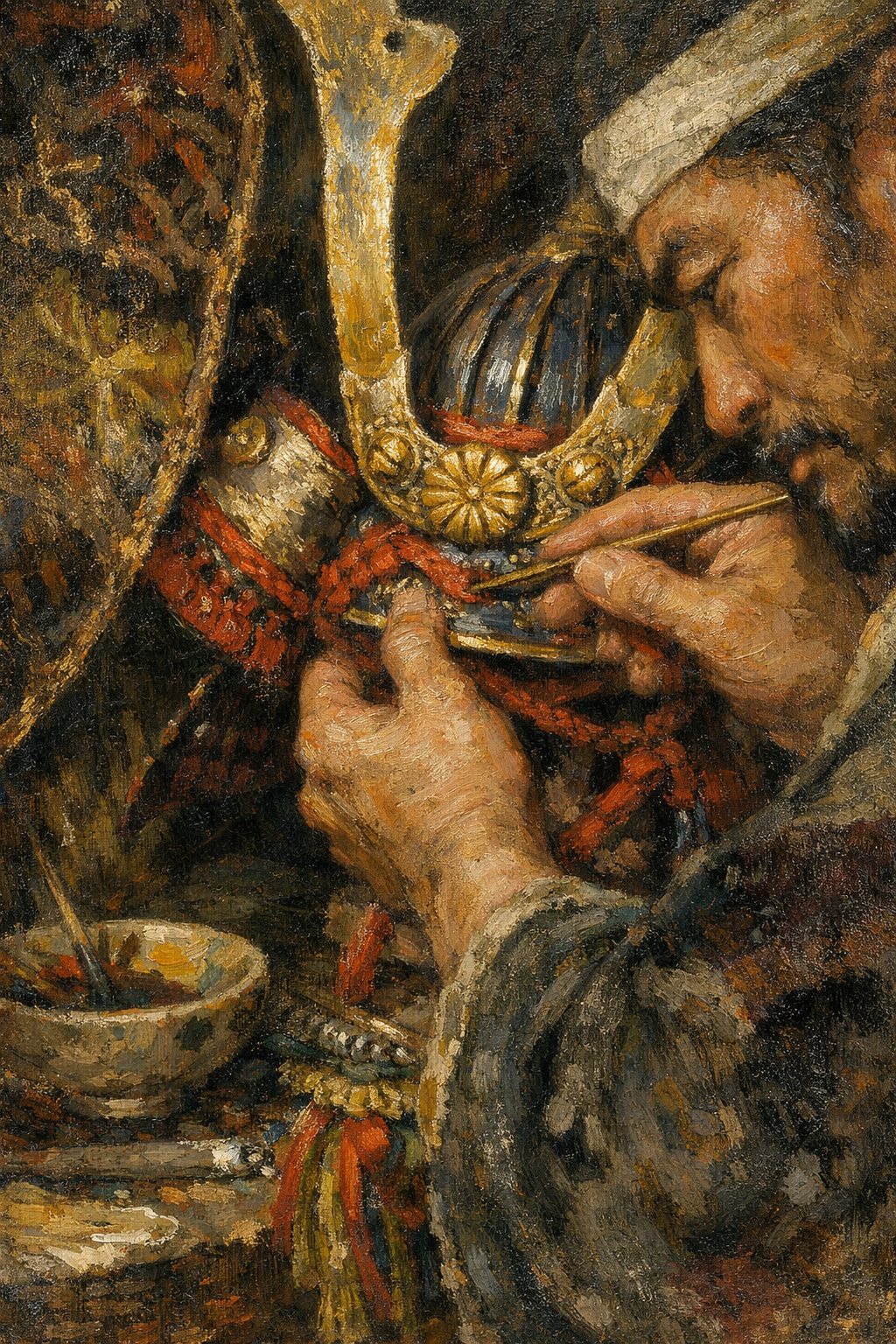
Echoes of the Warrior's Soul
Critique
1. Introduction The painting presents a profound study of human concentration and cultural heritage, centering on a master artisan at work. The subject is the meticulous restoration or creation of a traditional Japanese samurai helmet, known as a kabuto. This work transcends mere portraiture, functioning as an immersive look into the world of traditional craftsmanship. The composition emphasizes the silent dialogue between the creator and the object, highlighting the dedication required to maintain ancient traditions. 2. Description In the center of the frame, a highly detailed kabuto dominates the scene, featuring prominent gold-plated ornaments and vibrant red braided cords. A craftsman, depicted from a profile view, leans closely over the artifact. His weathered hands, rendered with significant detail, hold a slender metal tool used for delicate adjustments. He wears a simple cloth headband and dark, textured garments. In the lower-left corner, a small bowl containing various pigments and brushes is visible, indicating the ongoing nature of the work. 3. Analysis The artist utilizes a robust impasto technique, which is particularly effective in rendering the metallic sheen and physical weight of the helmet窶冱 gold components. This thick application of paint adds a tactile dimension to the canvas, mirroring the physical nature of the craft. The lighting is dramatic and focused, reminiscent of chiaroscuro, with a strong light source illuminating the helmet and the artisan窶冱 hands while leaving the background in deep, earthy shadows. This contrast sharpens the viewer窶冱 focus on the central action. 4. Interpretation and Evaluation The artwork successfully conveys a sense of timelessness and reverence for the past. By focusing on the interplay between the artisan窶冱 hands and the intricate details of the kabuto, the piece explores themes of patience and mastery. The technical execution is exceptional; the artist demonstrates a sophisticated ability to distinguish between the cold rigidity of metal and the soft, organic texture of the craftsman窶冱 skin. The composition is tightly cropped, which heightens the sense of intimacy and intensity inherent in the creative process. 5. Conclusion Initially, the viewer is drawn to the brilliance of the gold ornaments, but the true emotional core lies in the artisan窶冱 unwavering gaze. The balance of light, color, and texture creates a compelling narrative about the preservation of skill. Ultimately, the painting stands as an evocative tribute to the quiet dignity of labor and the enduring power of traditional art forms.
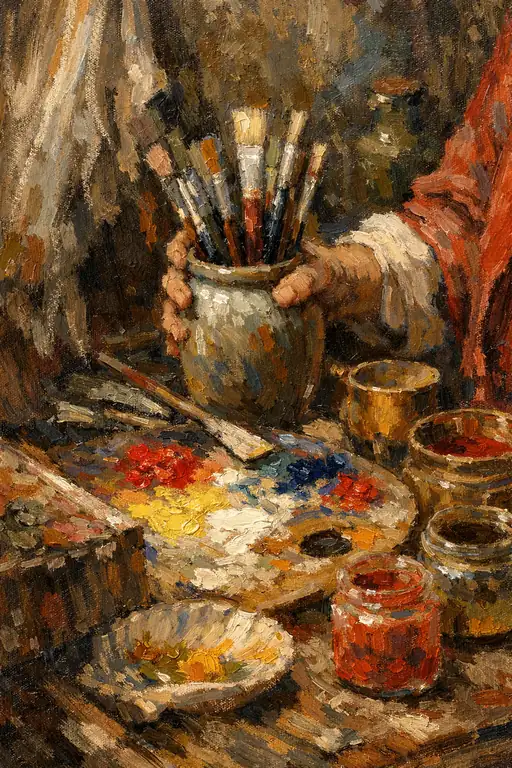 Chaos of the Muse
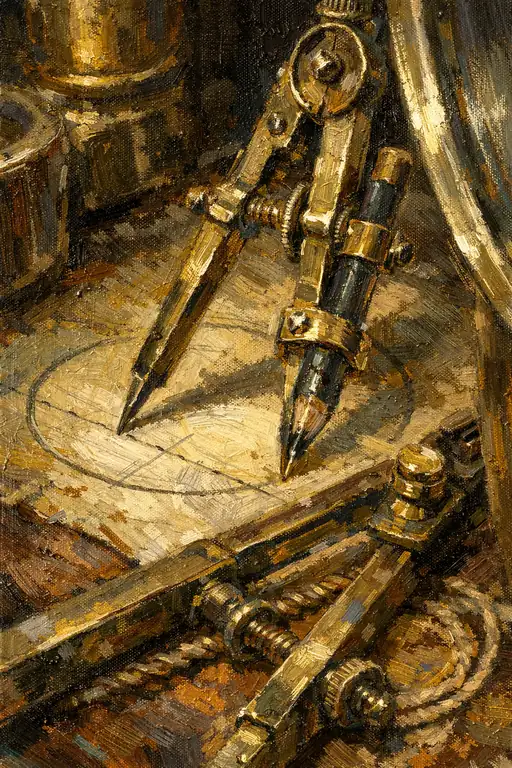 Measuring the Golden Ratio
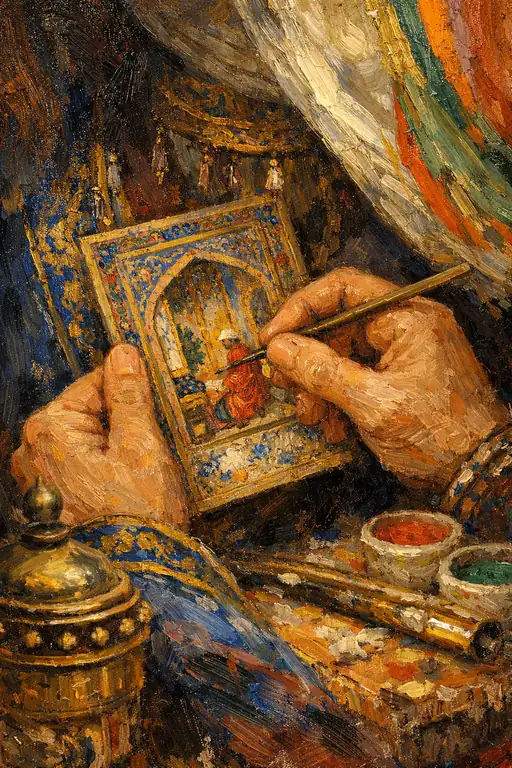 Devotion in Every Stroke
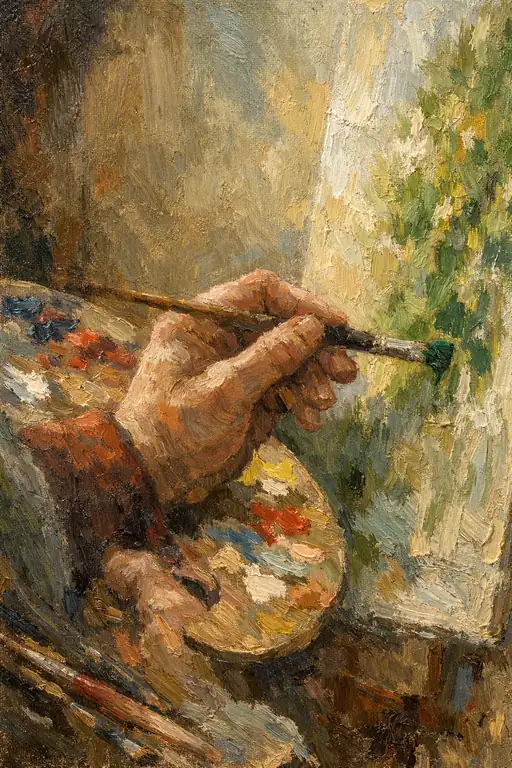 The Genesis of Colors
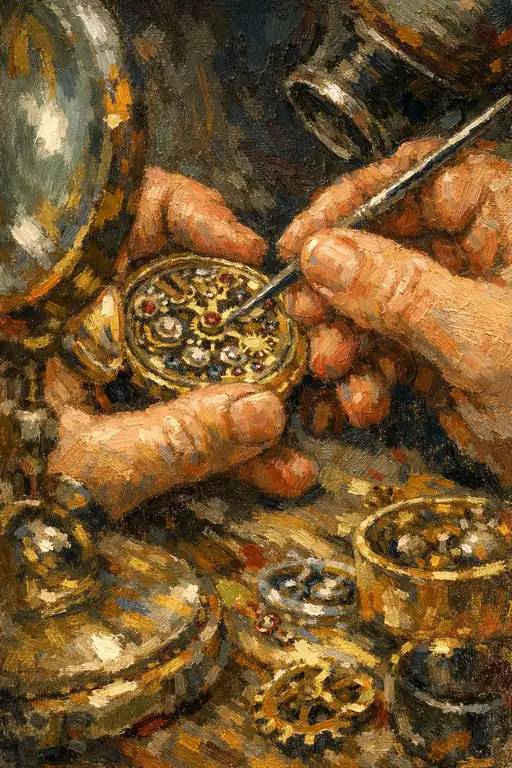 The Golden Heartbeat of Time
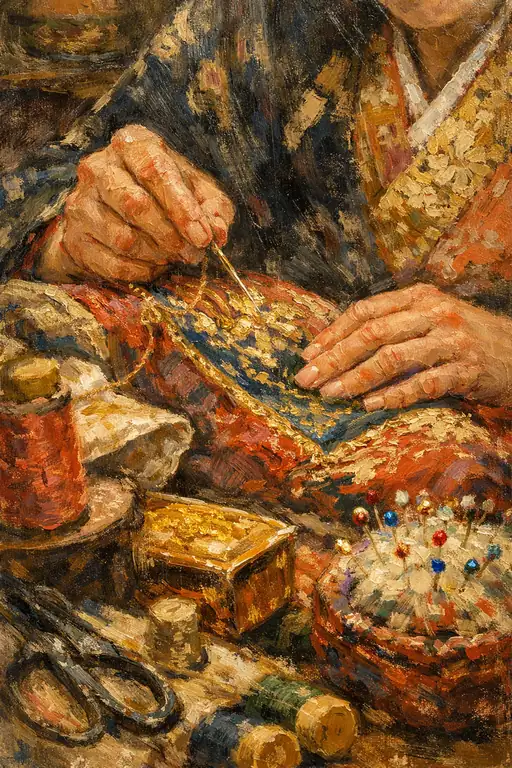 Weaving the Golden Moments
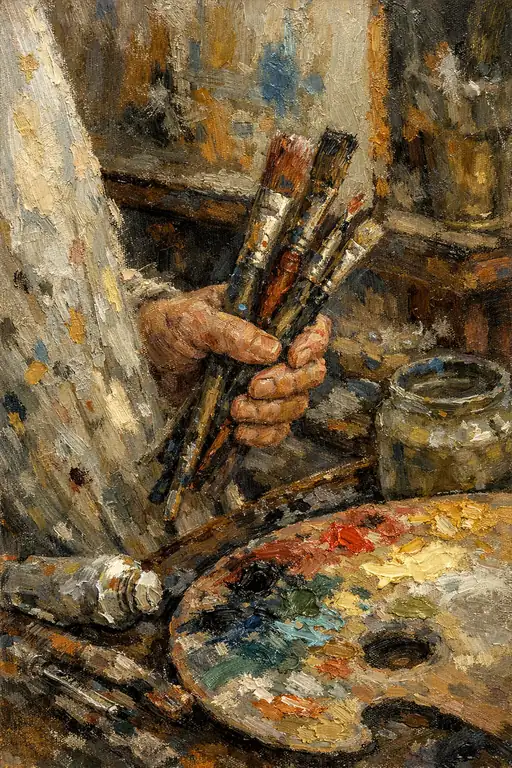 The Pulse of Creation in the Hand
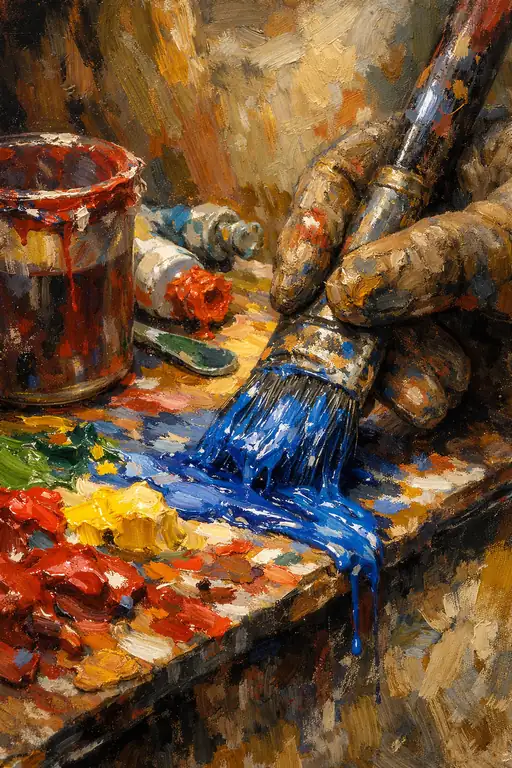 Birth of the Blue Abyss
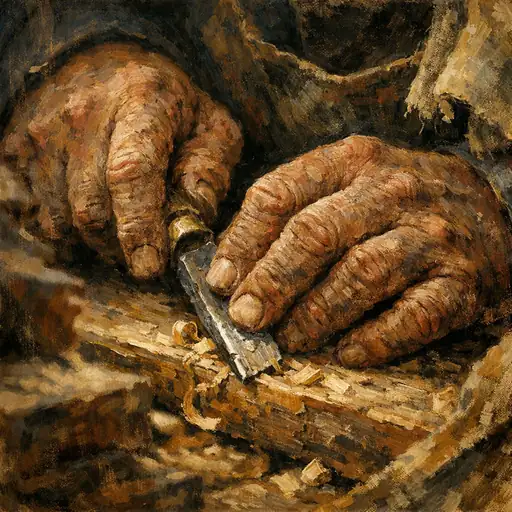 The Chisel's Path
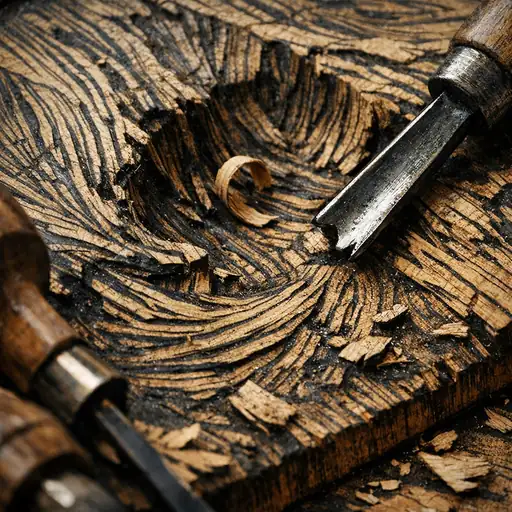 Wood Carving
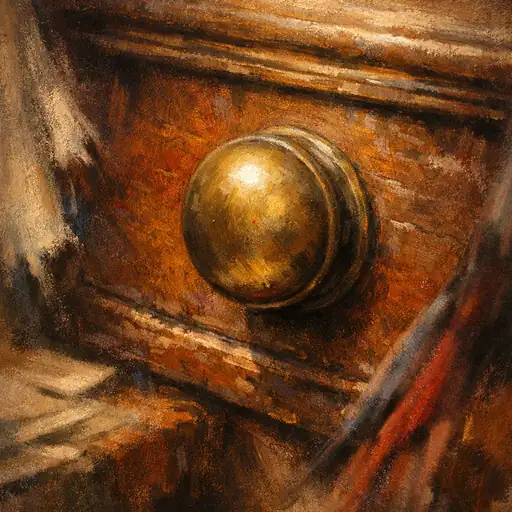 Melody in the Morning Light