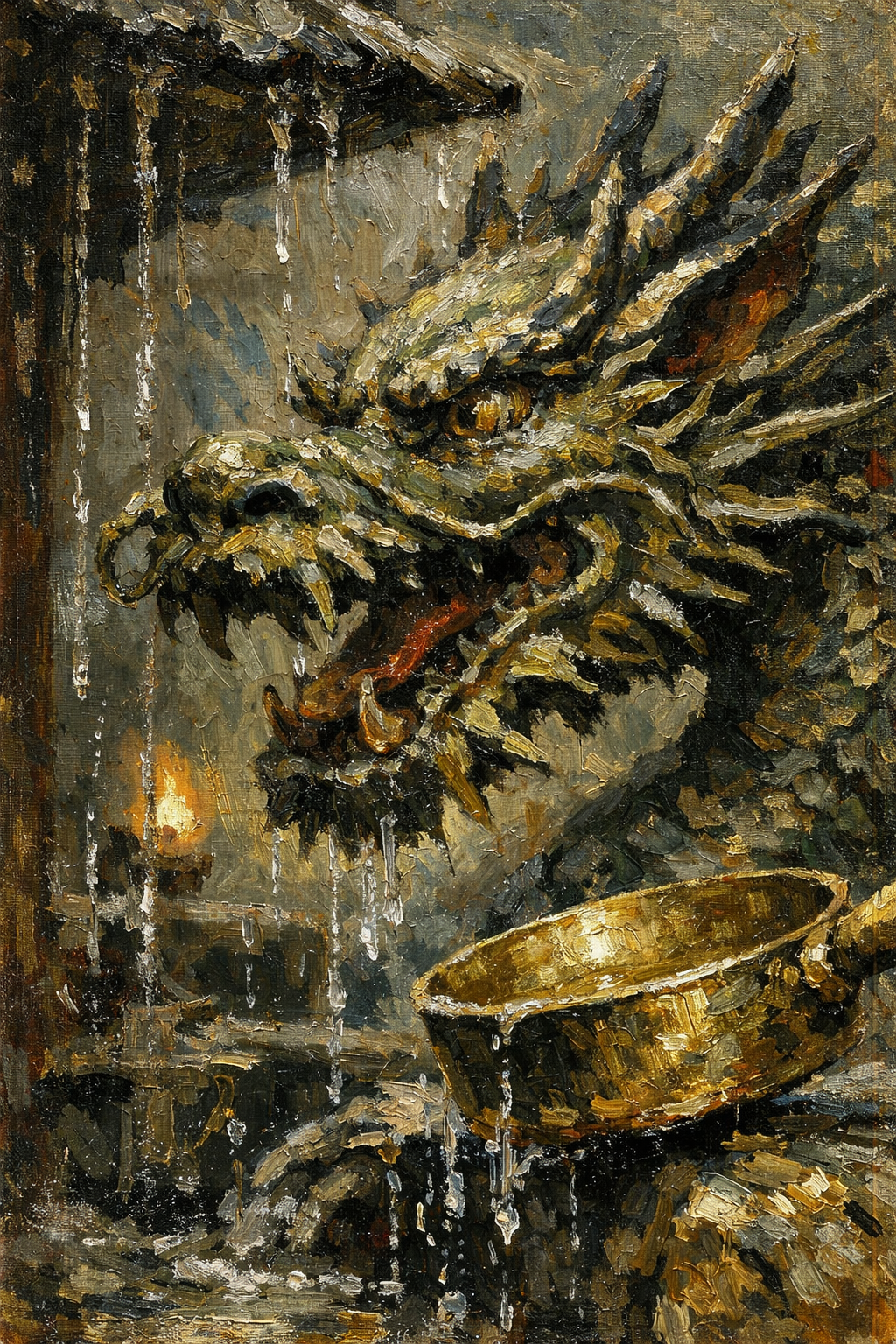
Tears of the Stone Guardian
Critique
1. Introduction This powerful oil painting depicts a traditional dragon sculpture, likely part of a Japanese shrine's purification fountain, rendered with a dramatic and textured impasto technique. The artist focuses on the interplay between the mythical figure and the flowing water, creating a scene that feels both ancient and immediate. Through a somber but glowing palette, the work explores themes of ritual, purification, and the enduring presence of spiritual symbols in the physical world. 2. Description The central subject is a rugged, dark-toned dragon head with its mouth agape, from which thin streams of water cascade downward. Below the dragon, a brilliant golden ladle rests on a stone-like surface, catching the light and the falling droplets. The background is a mix of dark, weathered structures and a faint, flickering light that suggests a candle or a small flame. The artist uses thick, layered paint to define the dragon's scales, the metallic sheen of the ladle, and the crystalline quality of the water. 3. Analysis The work is characterized by its heavy use of impasto, which gives the dragon a sculptural, three-dimensional presence on the canvas. A color palette of charcoal grays, deep ochres, and vivid golds creates a high-contrast environment that heightens the sense of drama. The composition is balanced by the vertical lines of the falling water and the horizontal placement of the ladle, which grounds the scene. Light is used strategically to highlight the snout of the dragon and the interior of the golden vessel, drawing the viewer's eye across the diagonal axis. 4. Interpretation and Evaluation The dragon, a symbol of water and protection, serves as a bridge between the divine and the earthly during the act of purification. The contrast between the weathered, dark stone and the gleaming gold of the ladle suggests a transformation that occurs through the ritual of washing. The painting is technically impressive, particularly in its ability to convey the movement of water using such a heavy and static medium. The execution is highly original, effectively blending traditional Japanese iconography with an expressive, modern painterly style. 5. Conclusion While the scene is initially perceived as a realistic depiction of a shrine feature, it eventually reveals a more profound, atmospheric quality that borders on the mystical. The heavy texture adds a sense of weight and history to the subject, making the water feel like a living, cleansing force. This work is a masterful exploration of light and substance, providing a compelling and respectful reinterpretation of a classical cultural motif through the bold language of oil painting.
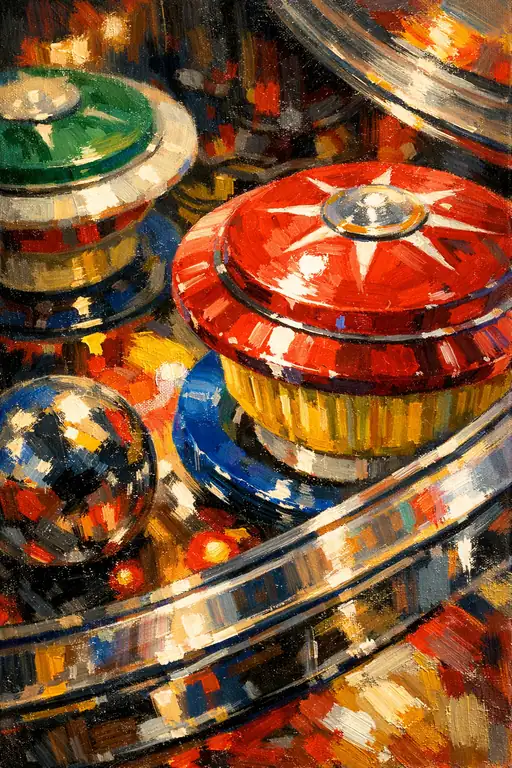 Breath of the Ancient Forest
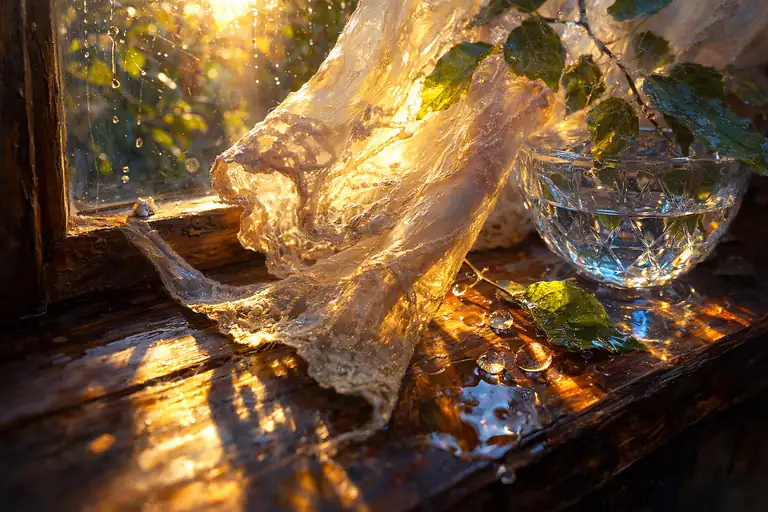 Caress of the Evening Sun's Lace
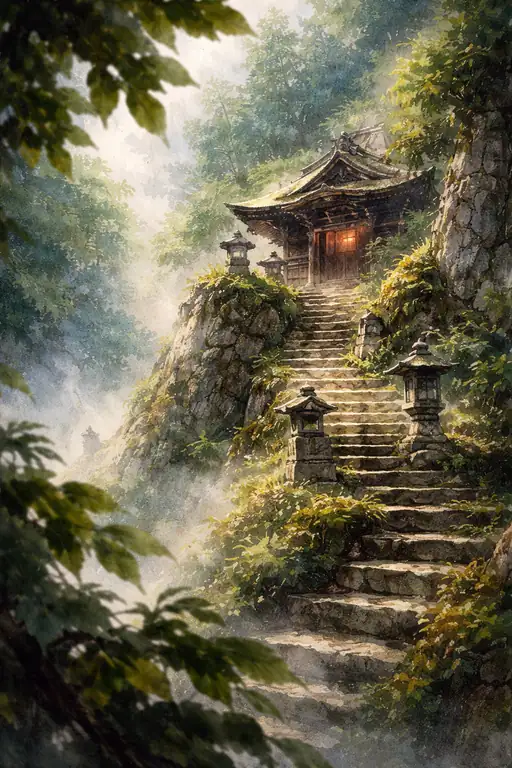 Cosmic Burger
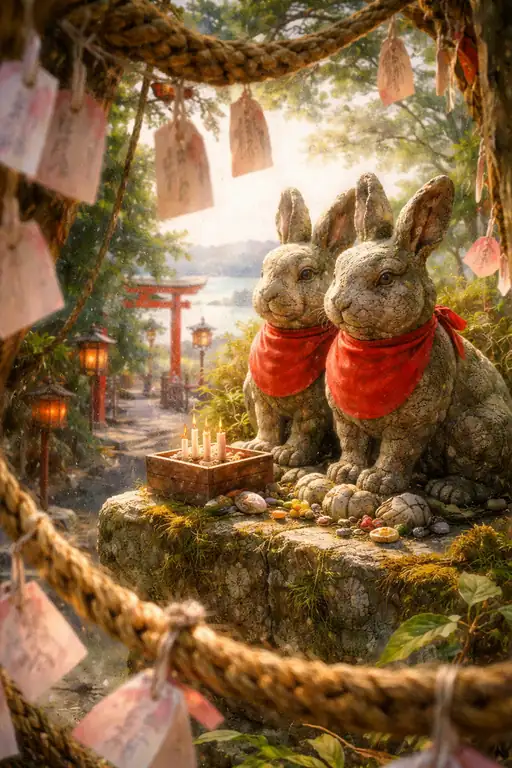 Silent Guardians of the Shrine
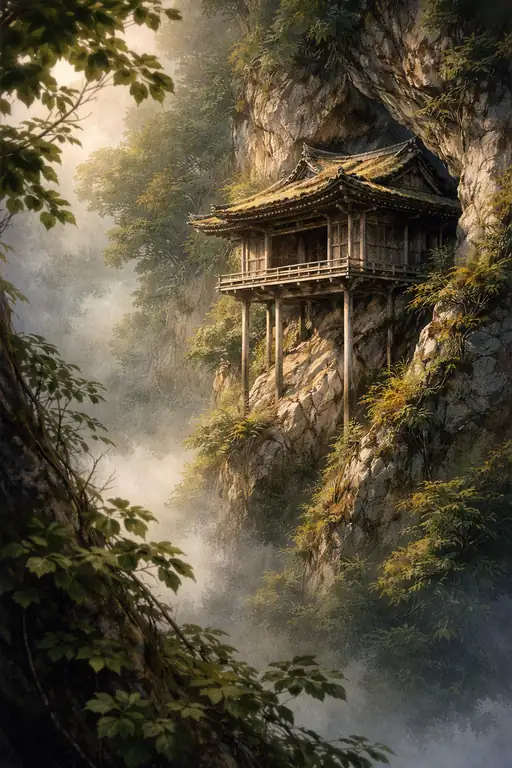 Whispers of the Old Lantern
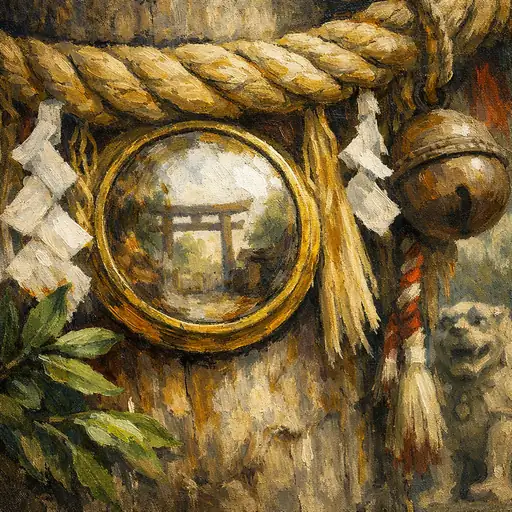 Reflection of the Sacred Sanctuary
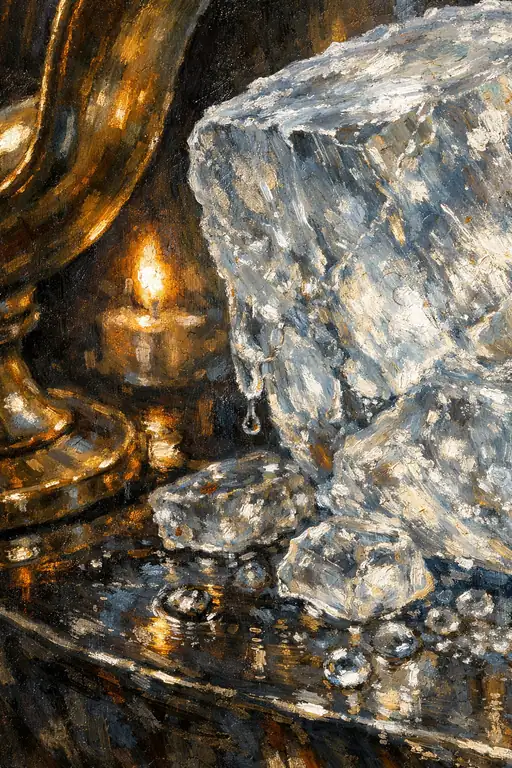 Tears of the Frozen Light
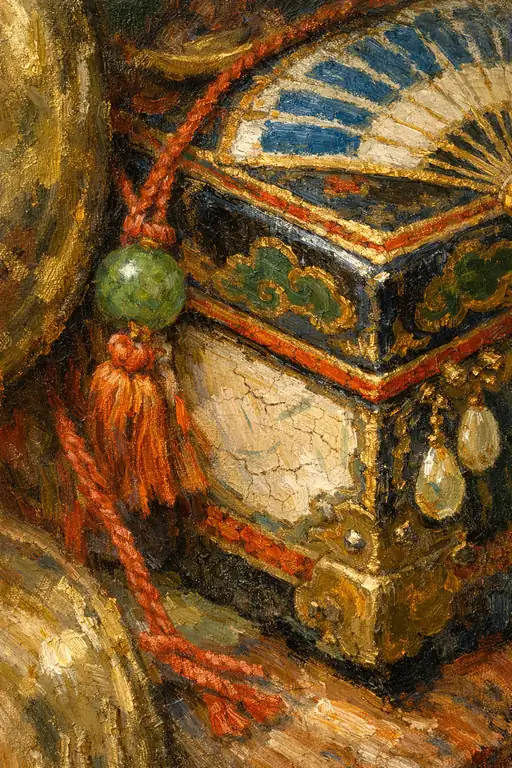 Secrets Held in Lacquer and Gold
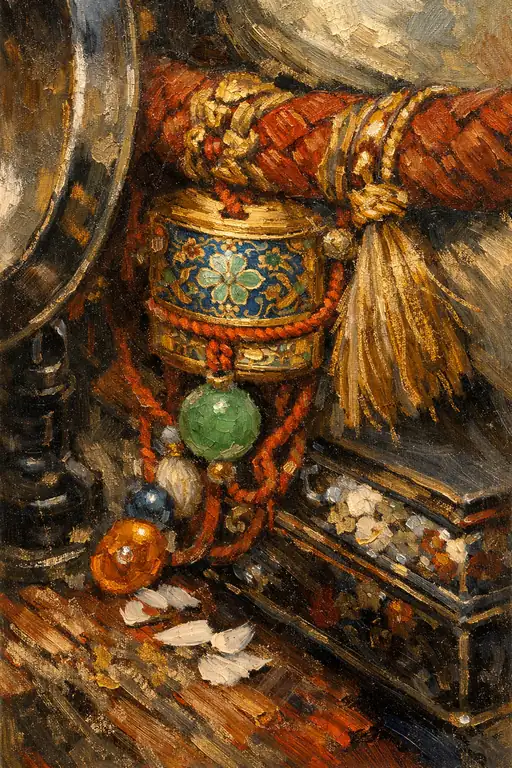 Echoes of a Forgotten Dynasty
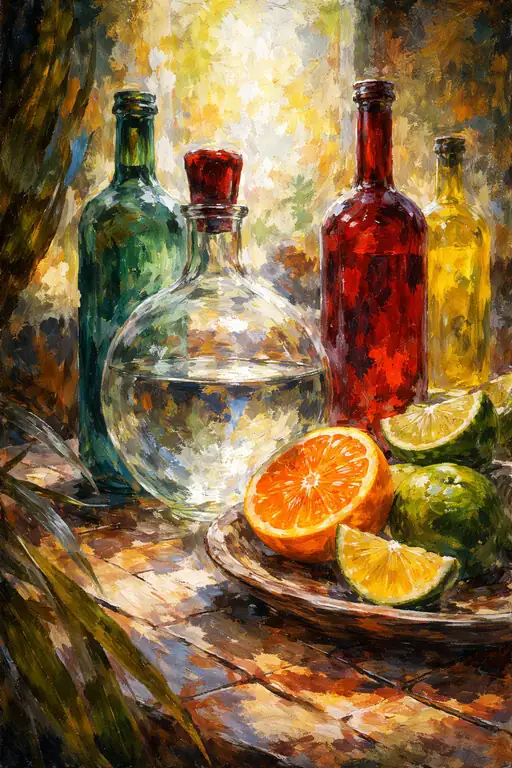 Luminous Whispers in Glass
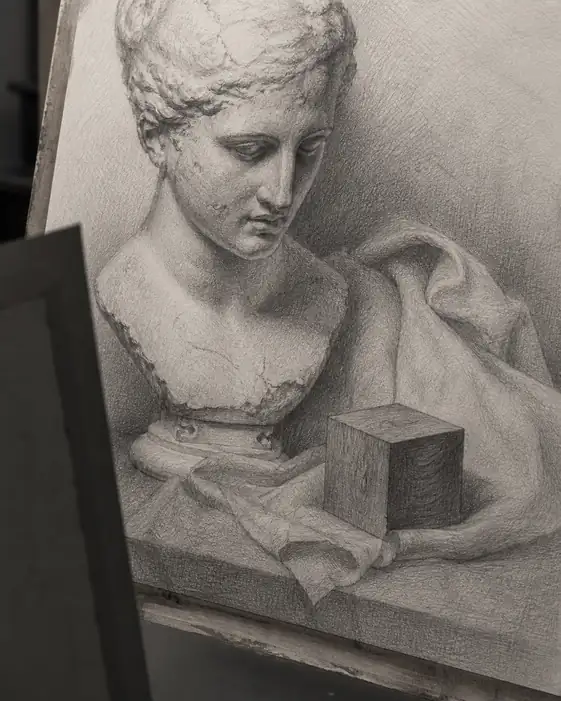 Melancholy of the White Stone
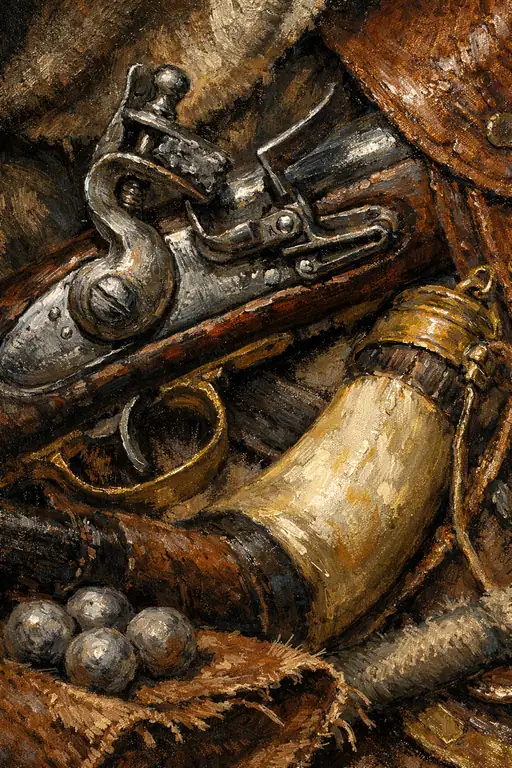 Echoes of a Restless Frontier