Footsteps on the Frozen Lake
Critique
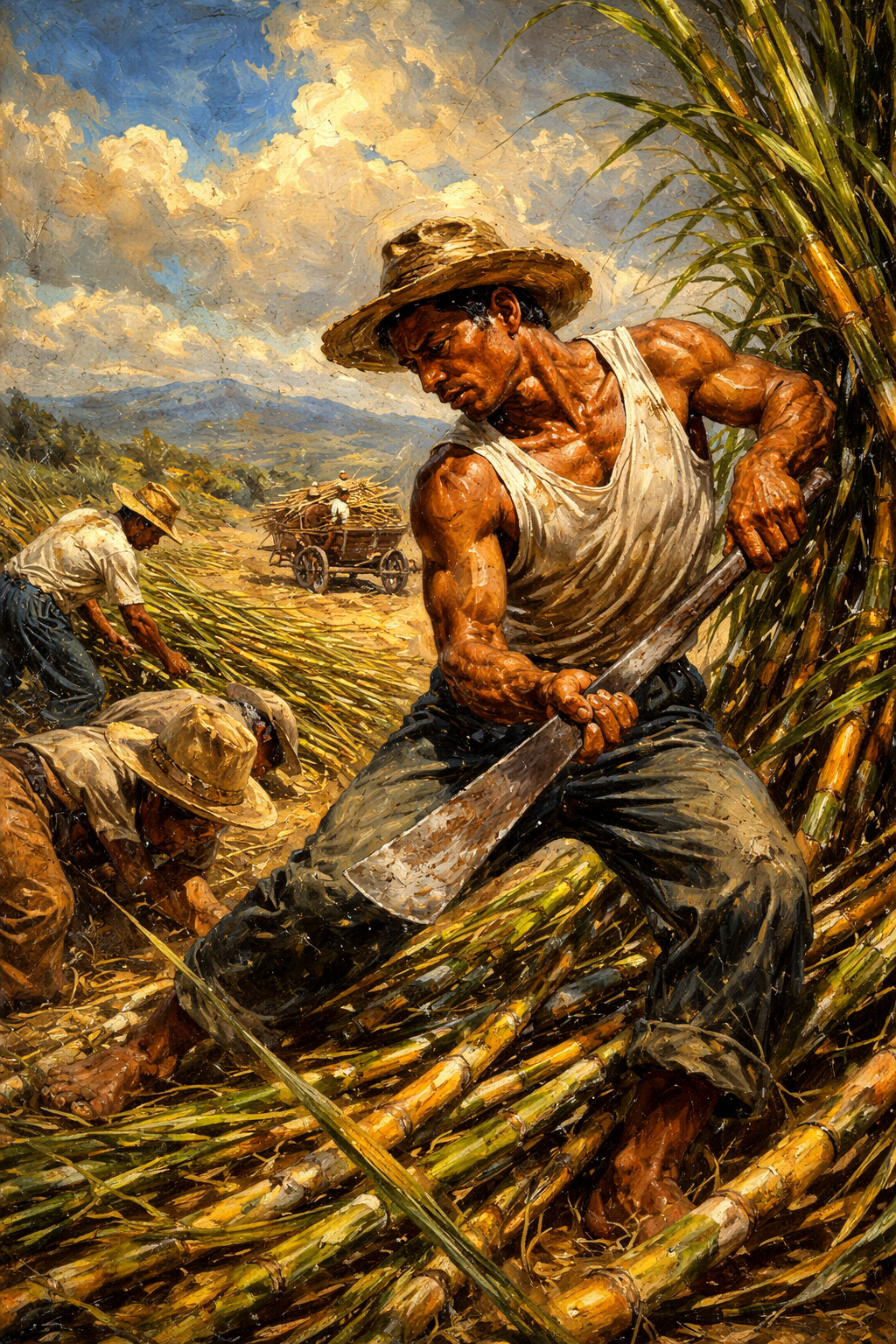
1. Introduction This oil painting presents a powerful and dynamic depiction of agricultural labor, specifically the harvesting of sugarcane. The work utilizes a heroic realism style to celebrate the physical strength and endurance of the workers under a bright, tropical sun. The viewer is immediately struck by the muscular anatomy and the energetic, rhythmic composition. 2. Description The central figure is a muscular man in a white tank top and straw hat, caught in the mid-swing of a large machete as he cuts through a dense stand of sugarcane. Around him, other laborers are shown stooping and gathering the harvested stalks. In the background, a wooden cart laden with cane is pulled across the field, while distant mountains and a cloud-filled sky complete the vast landscape. 3. Analysis The artist employs vigorous, directional brushstrokes that emphasize the physical effort and the sharp textures of the cane leaves. The color palette is dominated by sun-baked ochres and siennas, contrasted against the deep blues of the laborers' trousers and the expansive sky. The low-angle perspective and the diagonal line of the machete create a sense of monumental power and forward momentum. 4. Interpretation and Evaluation The painting serves as a tribute to the dignity of manual labor and the resilience of the human spirit. The technical execution of the human form, particularly the anatomical detail of the straining muscles and sun-darkened skin, is masterful. By elevating a scene of grueling toil to an epic scale, the artist highlights the vital connection between humanity and the earth's resources. 5. Conclusion An initial impression of intense physical action eventually deepens into an appreciation for the social and economic narratives embedded in the scene. The artist's ability to capture the searing heat and the heavy atmosphere of the field is exceptional. It stands as a significant work that combines expressive painterly techniques with a profound respect for the working class.
Same Subcategory
 Tears of the Midnight Rain
 Glimmer of a Fleeting Dream
Similar Artworks
 Rhythm of the Sunbaked Earth
 Golden Sweat and the Earth's Embrace
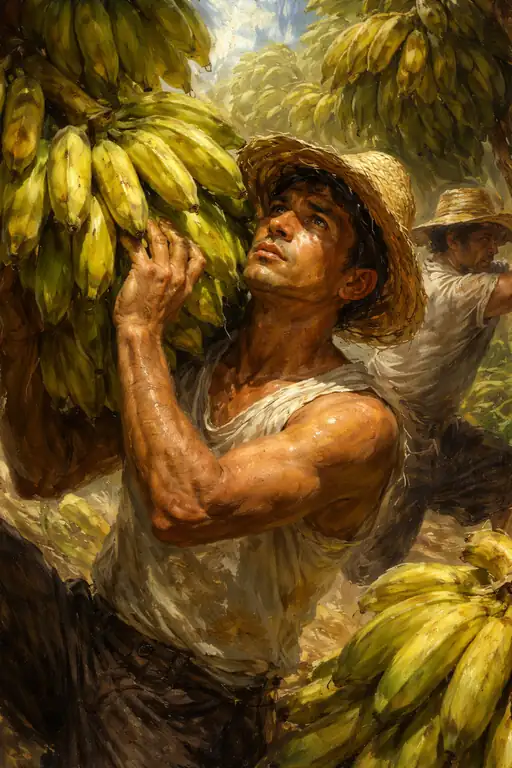 Bearing the Golden Weight of Life
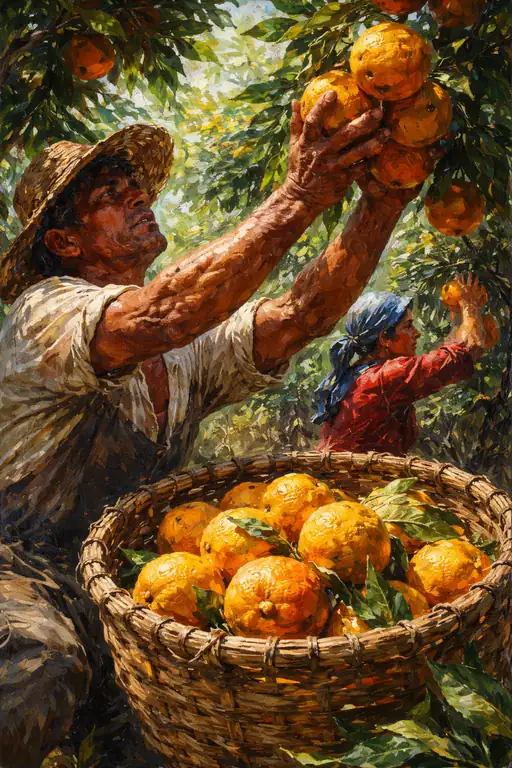 Symphony of the Sun-Kissed Grove
 Crimson Jewels of the Sun
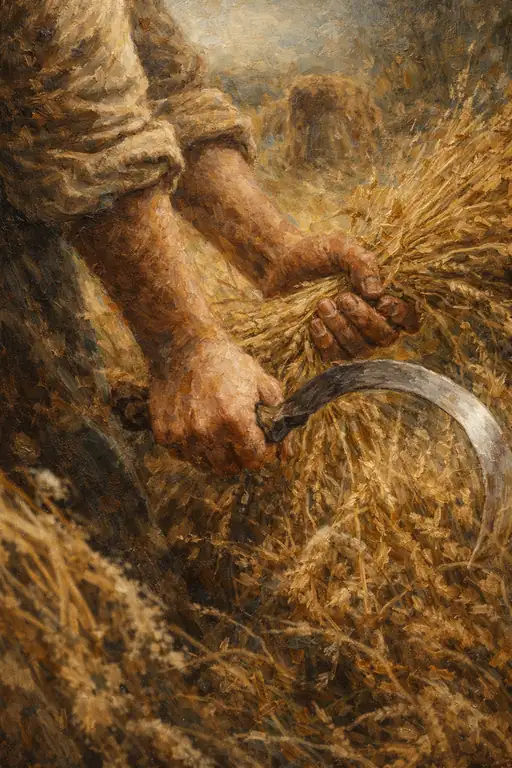 Weathered Hands, Bountiful Earth
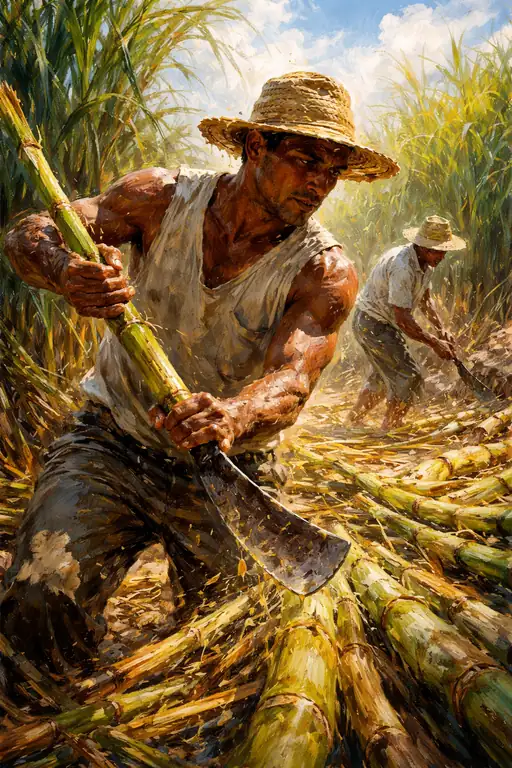 Echoes of the Sunbaked Harvest
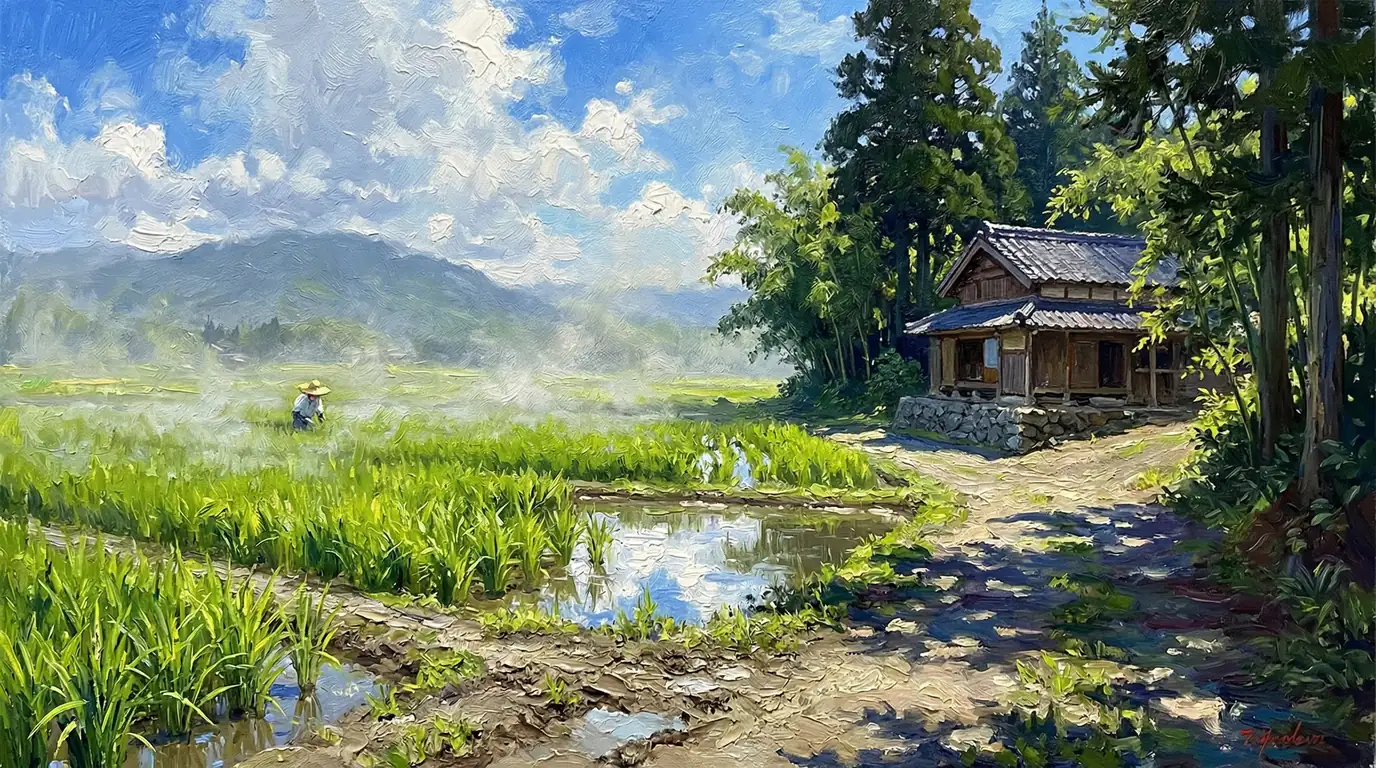 Whispers of the Summer Paddy
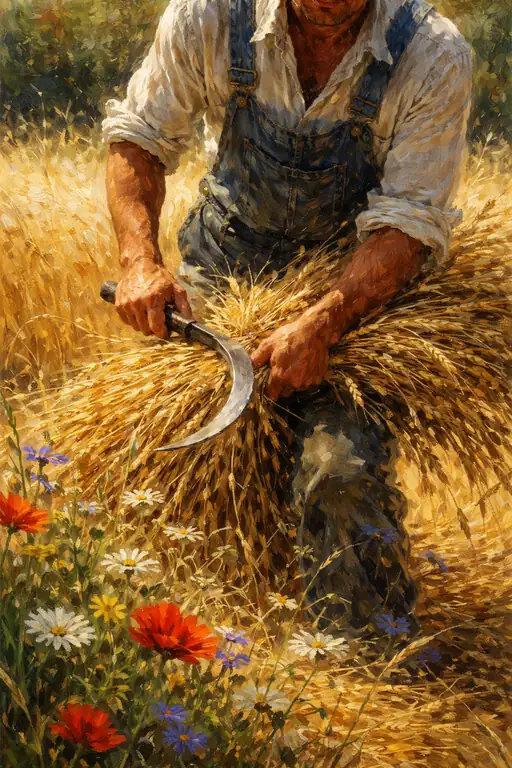 Golden Hymn of the Earth
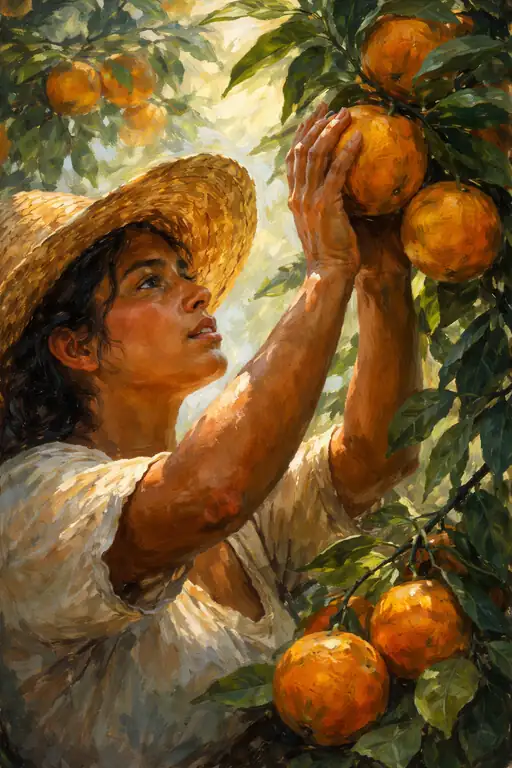 Embracing the Sweetness of the Sunlit Orchard