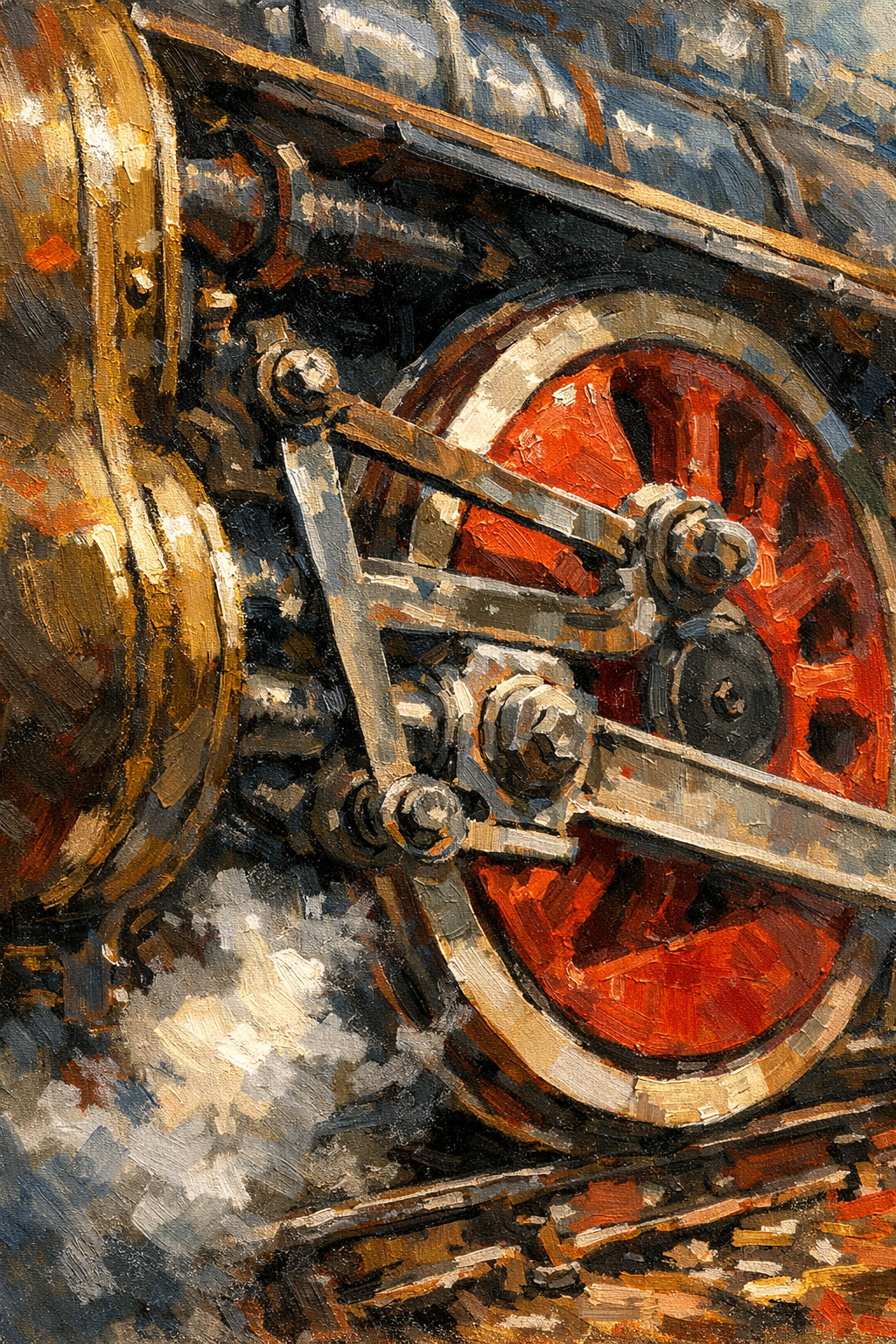
Heartbeat of Iron and Steam
Critique
1. Introduction The work presents a dynamic close-up view of a steam locomotive's mechanical components, specifically focusing on a large driving wheel and its associated connecting rods. The composition is tightly cropped, emphasizing the overwhelming physical presence and complexity of the industrial machinery. The artist utilizes a vibrant palette and thick, expressive brushwork to bring a historical subject into a contemporary painterly context. 2. Description A large, weathered red wheel dominates the right side of the frame, its spokes and rim heavily textured with layers of paint. To the left, golden-brown metallic structures and connecting rods are depicted with strong highlights and deep shadows, suggesting a polished yet aged surface. Below the mechanical parts, white and grey impasto strokes represent swirling steam or smoke, which adds a sense of motion and energy to the static machinery. 3. Analysis The primary formal element is the aggressive use of the impasto technique, where the physical thickness of the paint mimics the rugged texture of iron and steel. Color contrast is effectively employed, as the warm reds and golds stand out against the cooler, dark tones of the engine's body and the ground. The diagonal lines created by the rods provide a strong directional flow, leading the eye across the intricate mechanical landscape. 4. Interpretation and Evaluation This painting successfully captures the raw power and industrial majesty of the steam age through a highly tactile and emotive lens. The choice to focus on a detail rather than the entire train allows for a deeper appreciation of the machine's functional beauty and material weight. The artist窶冱 technical proficiency in handling heavy paint application creates a compelling tension between the hardness of the subject and the fluidity of the medium. 5. Conclusion While the initial impression is one of chaotic texture, a closer study reveals a carefully structured study of light and form. The work serves as a powerful tribute to industrial engineering, transforming cold metal into a source of warmth and visual interest. It is a successful synthesis of historical subject matter and modern stylistic execution, leaving a lasting impression of strength and historical resonance.
 Whispers of Golden Abundance
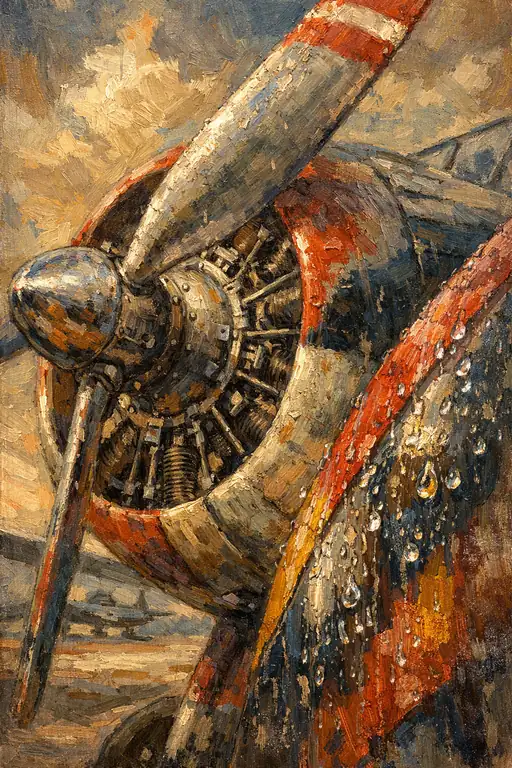 Tears on Steel Wings
 The Scholar's Ephemeral Thought
 Warmth of the Copper Soul
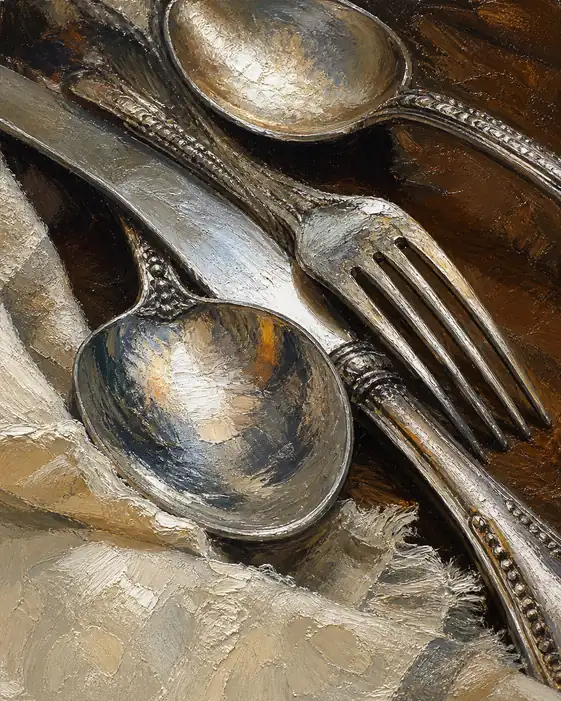 The Silver Echo
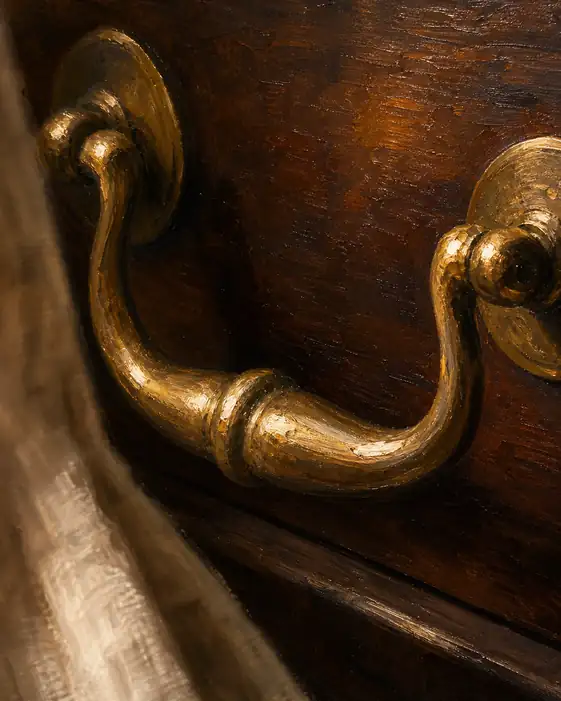 The Gilded Grip of Time
 Gazing Into Timeless Precision
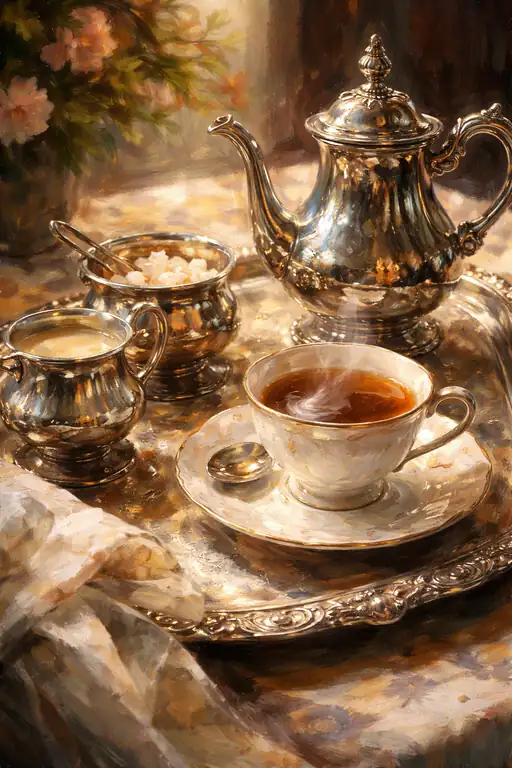 Festive Hors d'Oeuvres Assortment
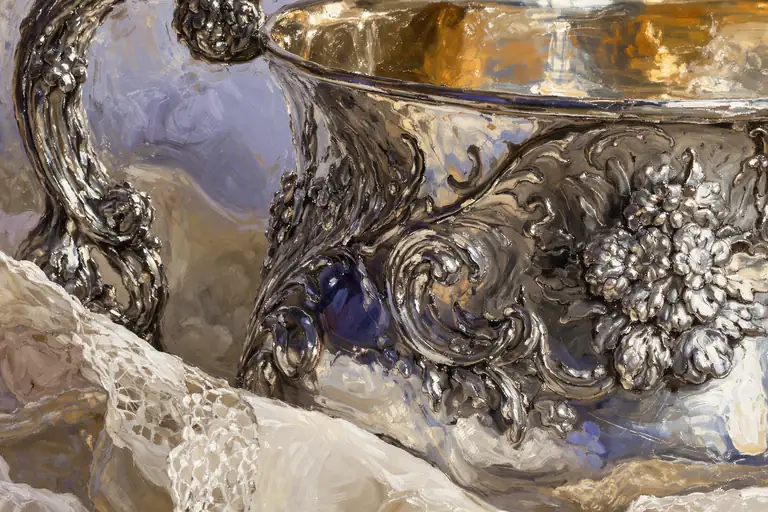 Reflections in Silver and Lace
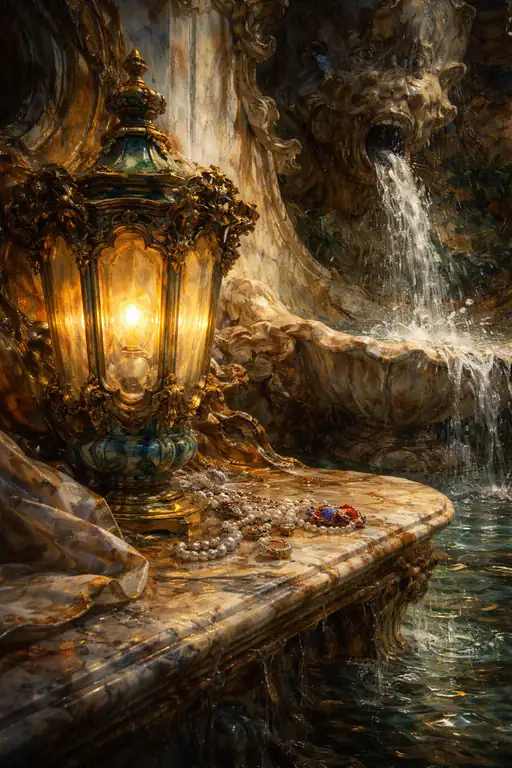 The Lantern’s Last Vigil
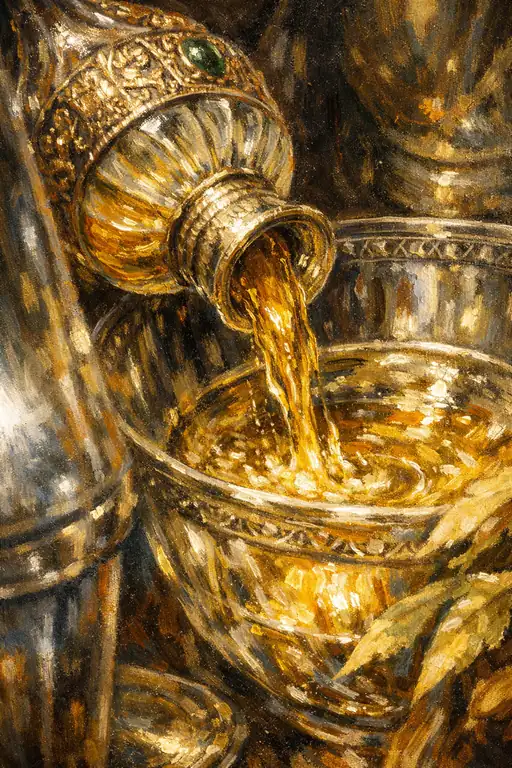 The Golden Flow of Abundance