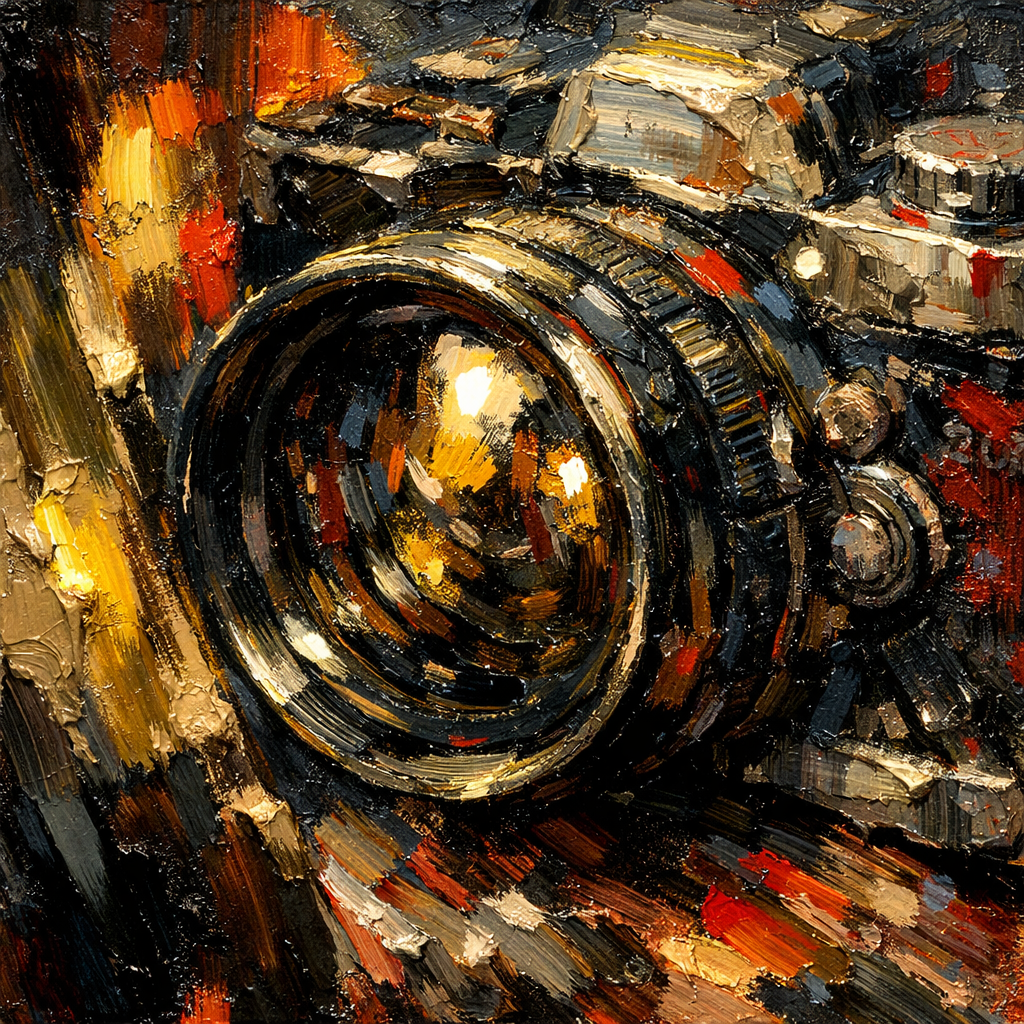
The Mechanical Eye That Captures Time
Critique
1. Introduction This work presents a close-up depiction of a vintage camera, capturing the essence of a classic photographic tool. The composition focuses on the mechanical intricacy and the reflective qualities of the lens. The painting employs a heavy impasto technique that adds a physical dimension to the subject. 2. Description The central focus is a large camera lens reflecting a warm, golden light source. Around the lens, the body of the camera is visible, characterized by dark tones and metallic highlights. The background is a chaotic yet harmonious blend of browns, ochres, and deep shadows. The thick application of paint creates a rugged texture across the entire surface. 3. Analysis The artist utilizes a restricted color palette dominated by earth tones and brilliant gold highlights. This choice emphasizes the contrast between the cold machinery and the warmth of the reflected light. The bold, directional brushstrokes create a sense of movement and energy, transforming a static object into something dynamic. Light is used effectively to define the circular form of the lens. 4. Interpretation and Evaluation This piece successfully bridges the gap between mechanical precision and expressive painterly freedom. The thick texture challenges the viewer's perception of the camera's smooth surfaces, inviting a more tactile engagement. The work demonstrates high technical skill in balancing light and shadow. It is an original take on a common object, elevated through a powerful and distinctive technique. 5. Conclusion Initially, the viewer sees only a tool for capturing images, but the painting soon reveals itself as a study in light and texture. The robust execution ensures that the object feels both substantial and ethereal. It remains a compelling example of how traditional techniques can redefine modern mechanical subjects.
Same Subcategory
Similar Artworks
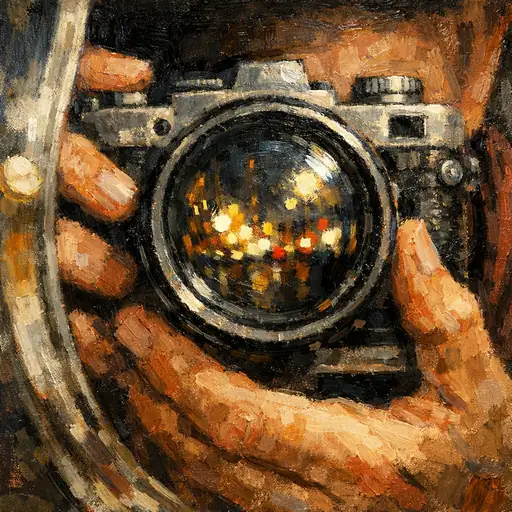 Cradling the Eye of Memory
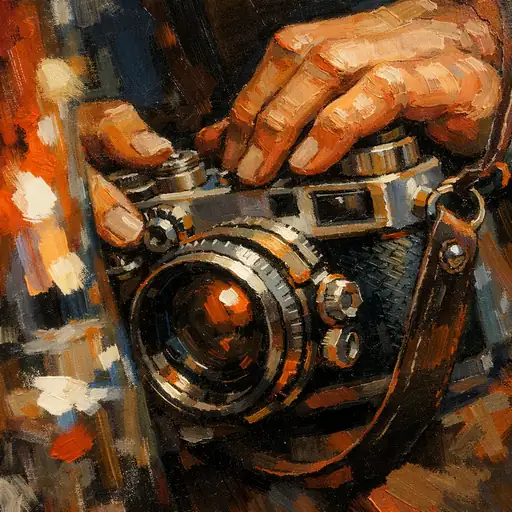 The Weight of Memory in Silver
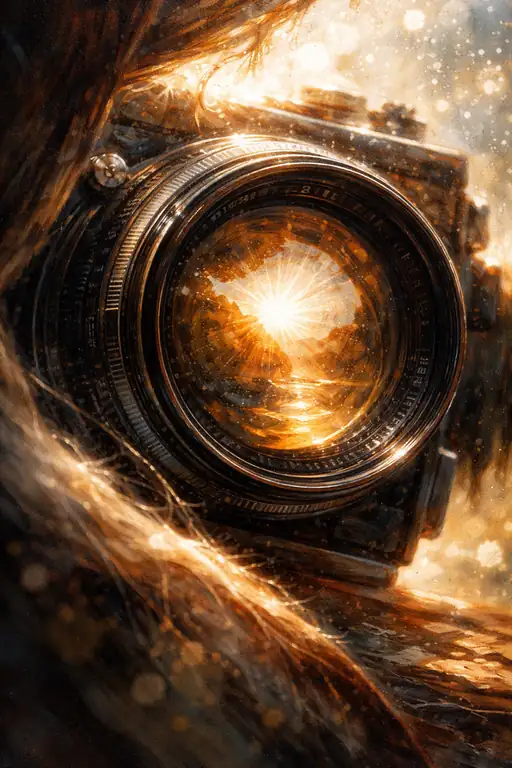 The Transient Sun Caged in Glass
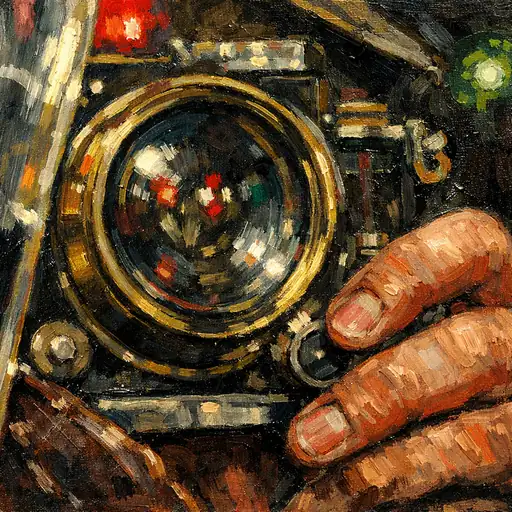 The Touch of Time
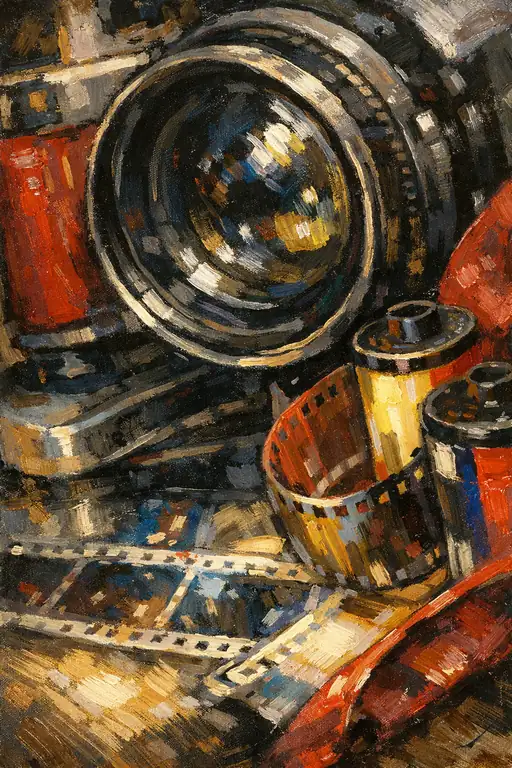 The Analog Eye's Fractured Memory
 The Quiet Resonance of Creation
 The Eye of Endless Wonder
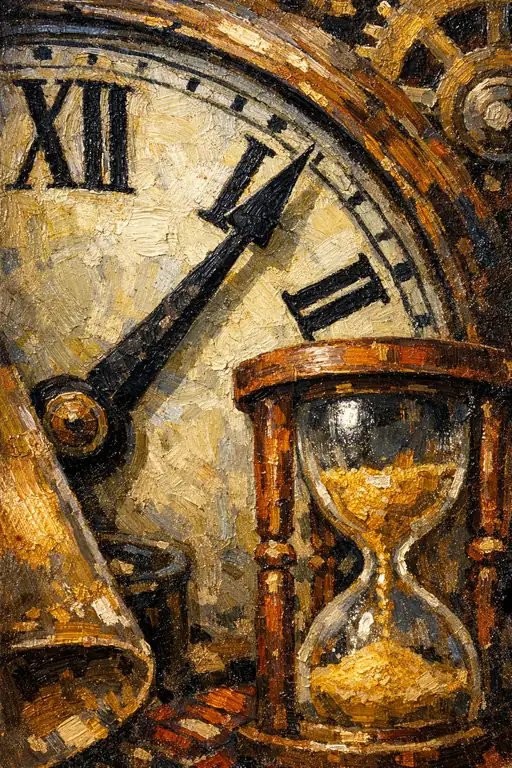 The Golden Weight of Eternity
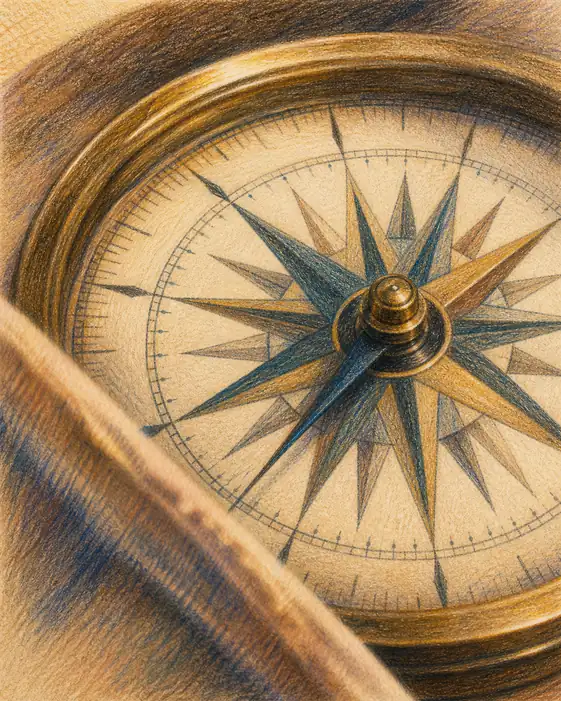 True North of the Soul
 Whispers of the Cosmos: The Silent Majesty of the Observer's Haven