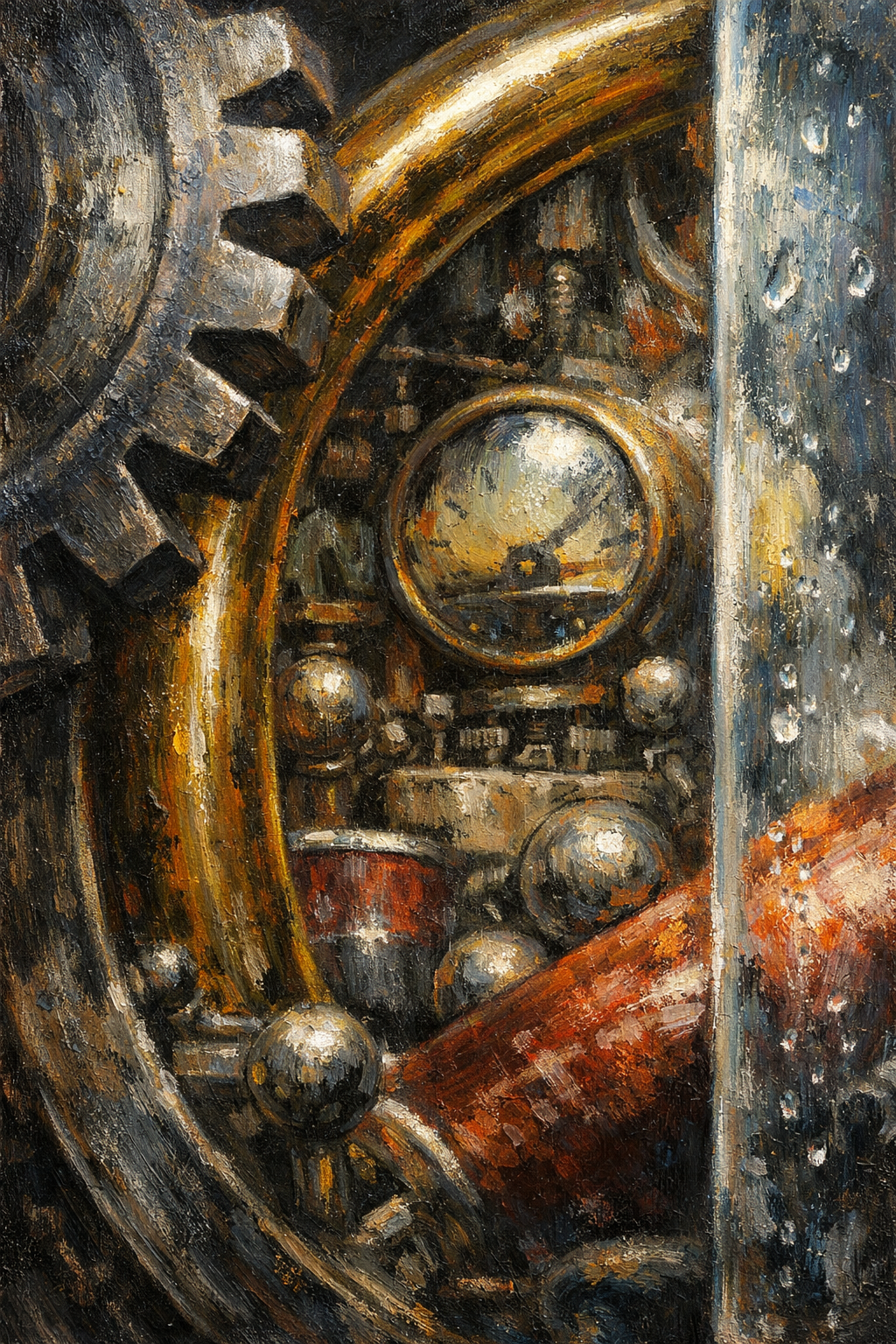
Heartbeat of the Rusted Giant
Critique
1. Introduction This still life explores the intricate mechanisms of heavy machinery, focusing on internal structures. The composition features gears, gauges, and pipes captured through thick, expressive brushwork. By moving beyond a simple record, the work imbues metallic surfaces with history and emotional depth. This critique examines the structural characteristics and industrial aesthetic inherent in this powerful portrayal. 2. Description A massive gear occupies the upper left, with circular meters and spheres in the center. A vertical metallic plate lines the right, while a rusted pipe cuts diagonally across the foreground. The palette uses muted silvers and grays punctuated by oxidized oranges and deep shadows. Vigorous brushstrokes create an interplay between hard metal and the rich oil medium. 3. Analysis The color scheme relies on the contrast between cool metallic tones and warm rusted hues. Irregular reflections cast sharp highlights that emphasize the complex anatomy of the machine. The intersection of circular, linear, and rounded forms establishes dynamic tension. These overlapping layers of components successfully convey a structural complexity that transcends mere functional form. 4. Interpretation and Evaluation Depicting fragments of a dormant machine, the work reflects on themes of civilization and time. The artist uses bold strokes to grant inorganic objects an organic vitality and melancholy. Details like rust and moisture suggest the history surrounding the mechanism. This innovative perspective and technical proficiency elevate industrial subject matter into a realm of high artistic significance. 5. Conclusion The formal density and harmony of light offer a potent visual experience. Reinterpreting an industrial theme through traditional techniques suggests that beauty resides in structure as much as in function. Ultimately, this work redefines industrial aesthetics, presenting new possibilities for expression within the still life genre.
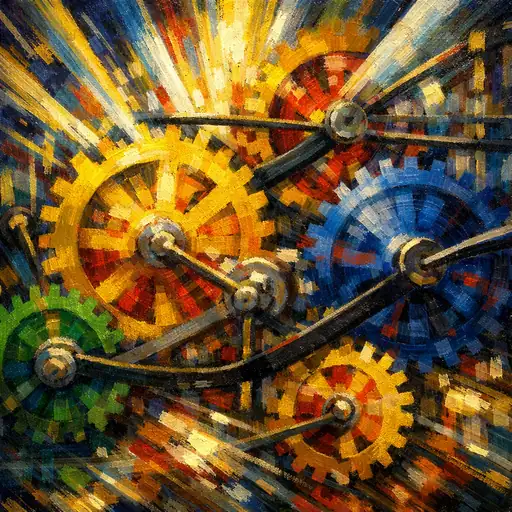 The Pulsating Anthem of Steel Life
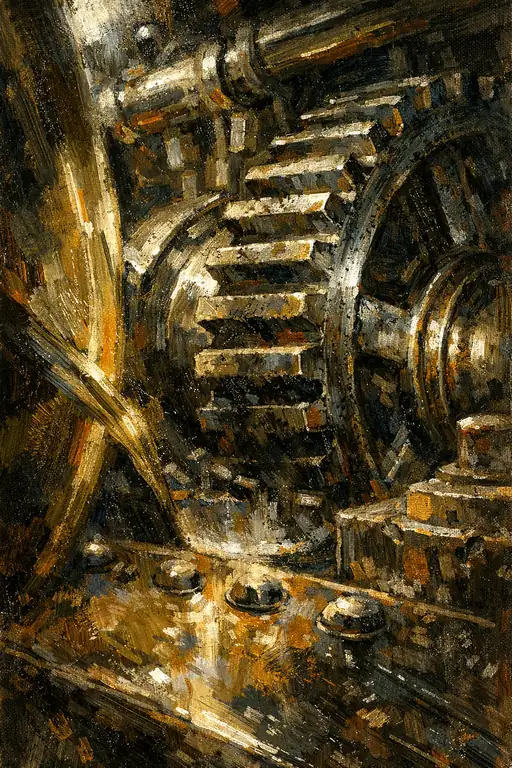 Symphony of the Iron Titans
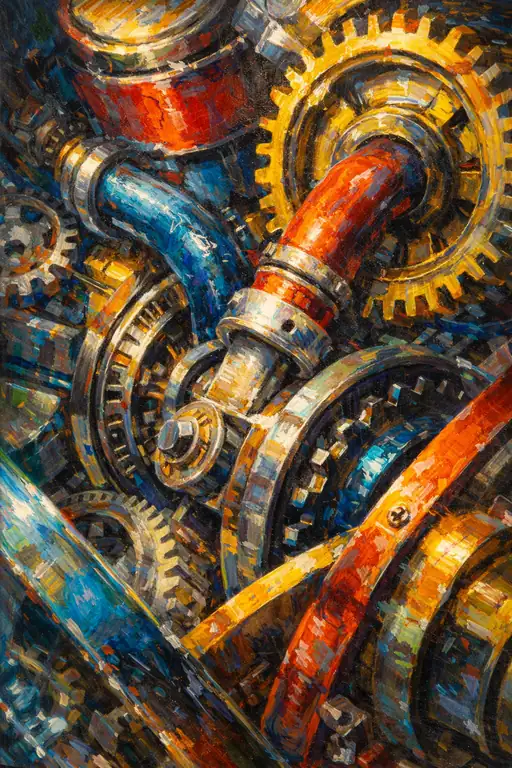 Heartbeat of the Brass Engine
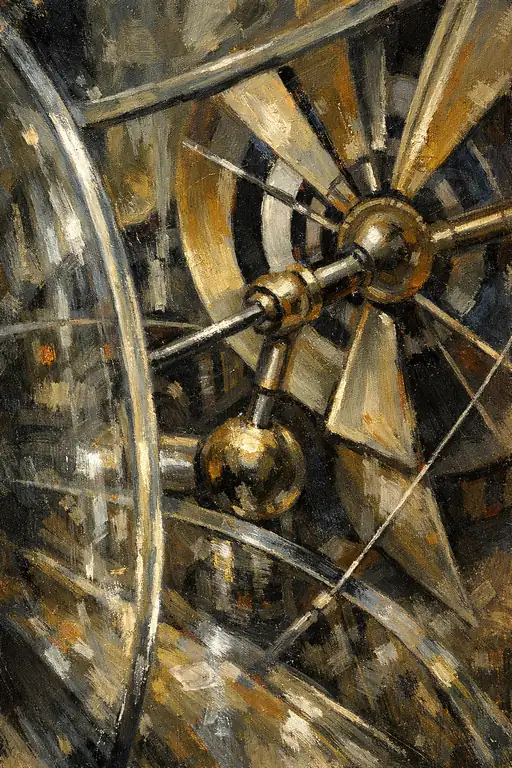 Symphony of the Bronze Gears
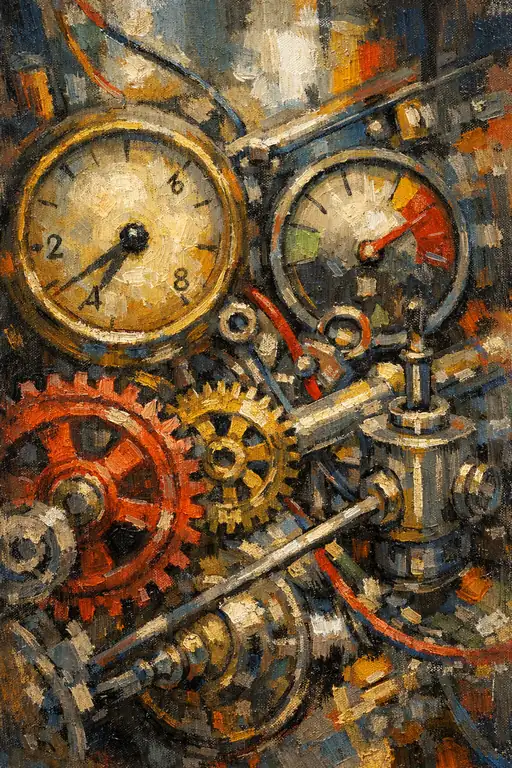 Heartbeat of the Brass Behemoth
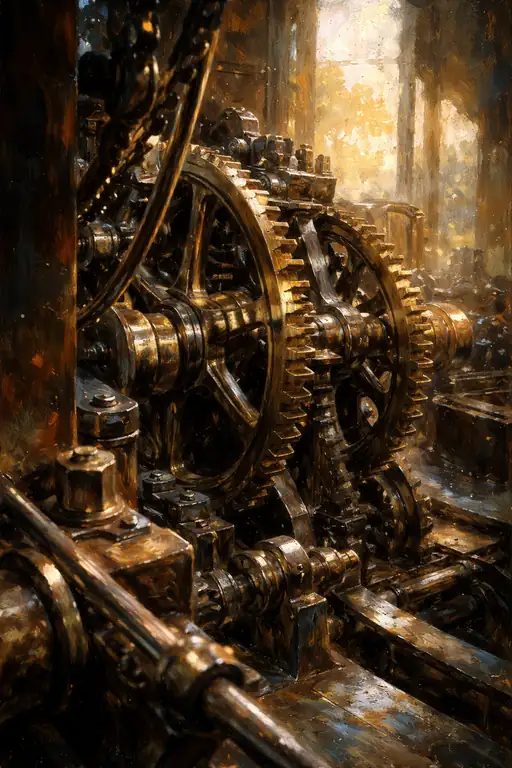 The Symphony of Rust and Iron
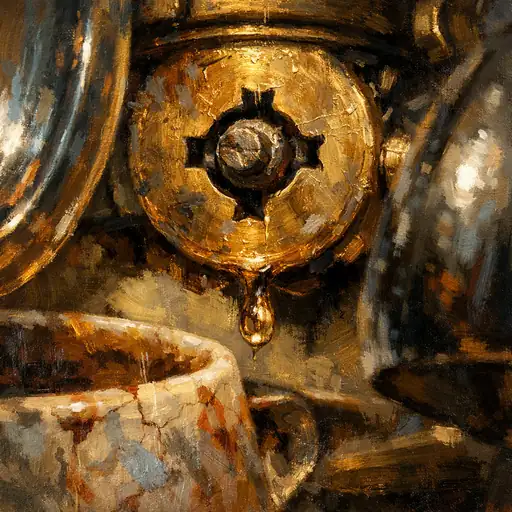 The Passage of Time
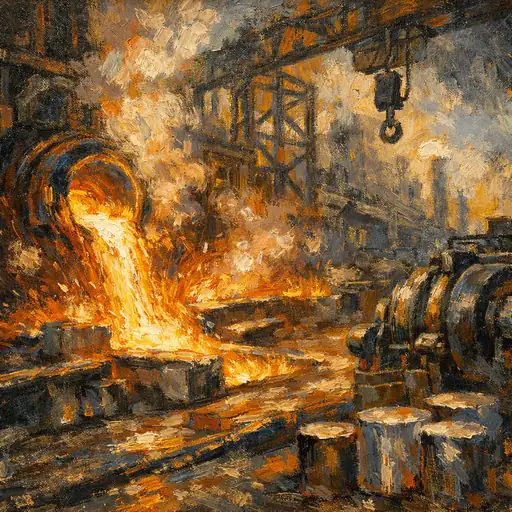 Crucible of the Iron Giants
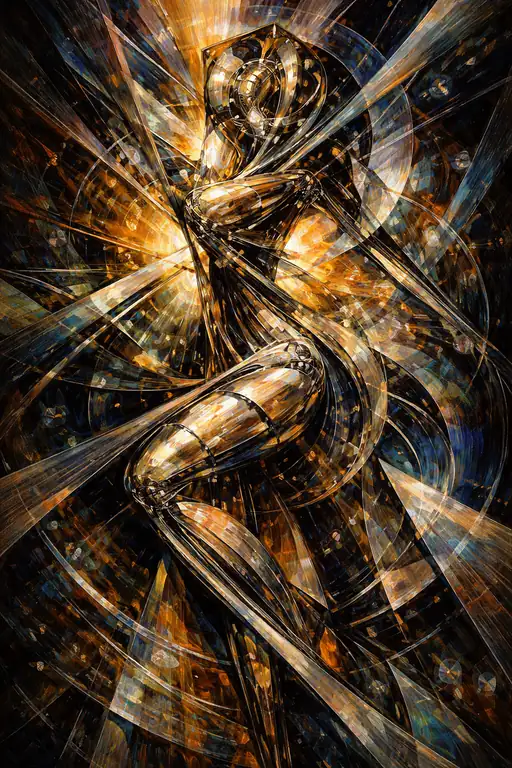 The Pulse of the Machine
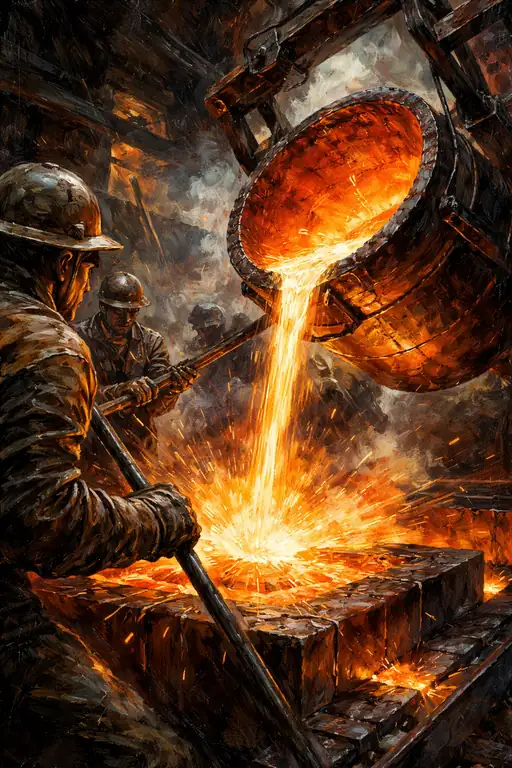 The Beating Heart of Industry's Forge