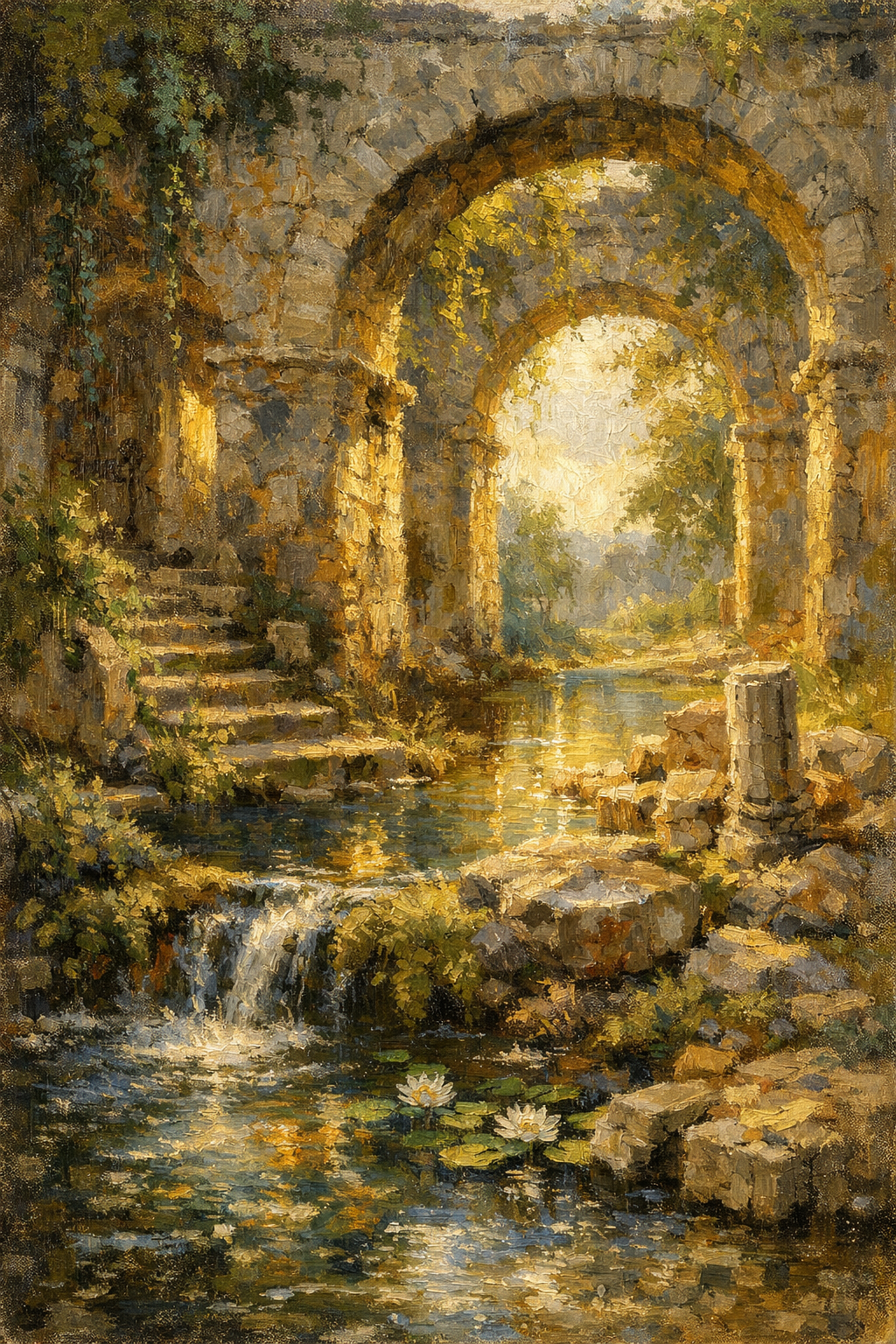
Elegies of Stone and Light
Critique
1. Introduction This evocative landscape painting depicts the romantic ruins of ancient stone arches over a tranquil waterway. The work explores the passage of time and the eventual reclamation of man-made structures by nature, all while being bathed in a warm, ethereal light. Through its rich textures and harmonious composition, the artist creates a scene that feels both nostalgic and timeless, inviting the viewer to reflect on the beauty found in decay and the enduring presence of the natural world. 2. Description The composition is dominated by two massive stone arches that span a slow-moving stream, their weathered surfaces partially covered in cascading ivy and moss. To the left, a set of crumbling stone steps leads upward into the shadows of the ruins, while in the foreground, two white water lilies float peacefully on the water窶冱 surface near a small waterfall. The background reveals a lush, sun-drenched garden, where bright light filters through the foliage and illuminates the water窶冱 reflections. 3. Analysis The artist utilizes a vibrant palette of golden yellows, warm ochres, and deep greens, creating a strong sense of atmospheric warmth. The application of paint is remarkably textured, with bold, expressive brushstrokes that define the rugged stones and the delicate petals of the lilies. Light is the primary organizing principle, with the brilliant backlight from the distant garden creating a high-contrast scene that emphasizes the architectural silhouettes and the shimmering quality of the water. 4. Interpretation and Evaluation The painting serves as a meditation on the cyclical nature of life and the silent dialogue between architecture and ecology. The ruins, once symbols of human achievement, now provide a framework for a thriving natural environment, suggesting a peaceful eventual synthesis. Technical mastery is evident in the rendering of complex lighting effects and the ability to convey varied material qualities窶杷rom the hard, unyielding stone to the fluid, reflective water and the soft, organic vegetation. 5. Conclusion This work successfully captures a sense of melancholic beauty that transcends its historical subject matter. The harmonious integration of ruin and growth creates a visually compelling and emotionally resonant experience for the viewer. My initial appreciation for the scenic charm of the ruins evolved into a deeper understanding of the artist窶冱 skill in portraying the profound and quiet dignity of a world where nature and history converge.
Same Subcategory
Similar Artworks
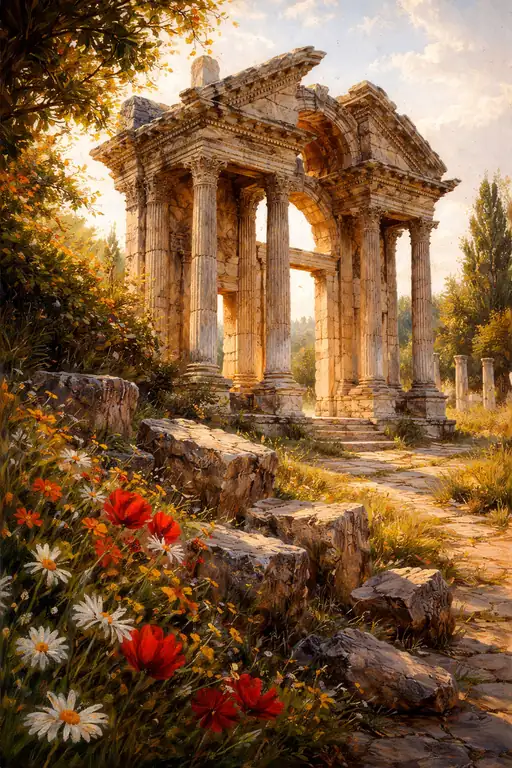 Timeless Pillars Among the Poppies
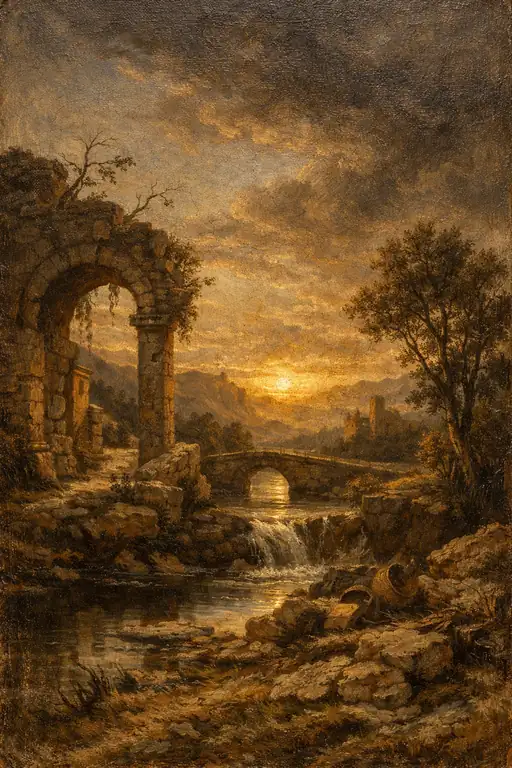 A Ruined Arch at Sunset
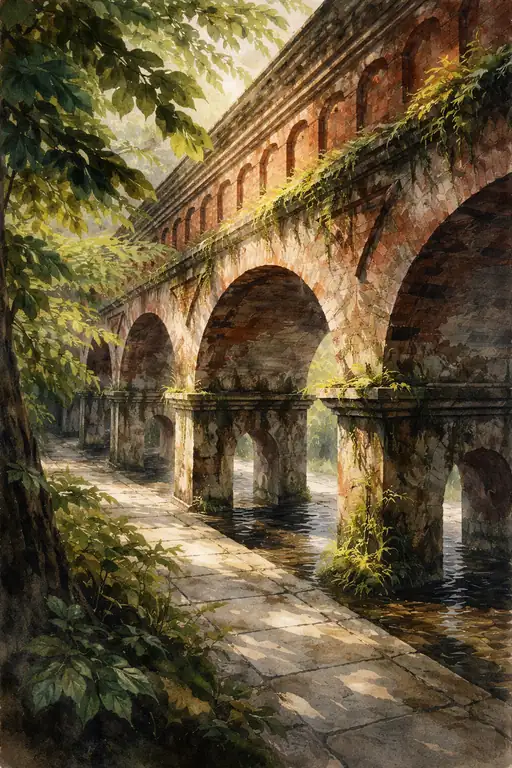 Time's Reclaimed Arches
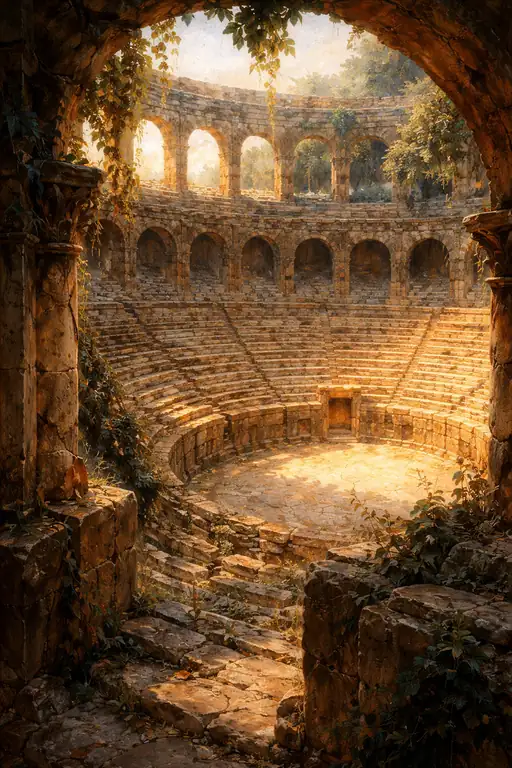 Whispers of the Ancient Arena
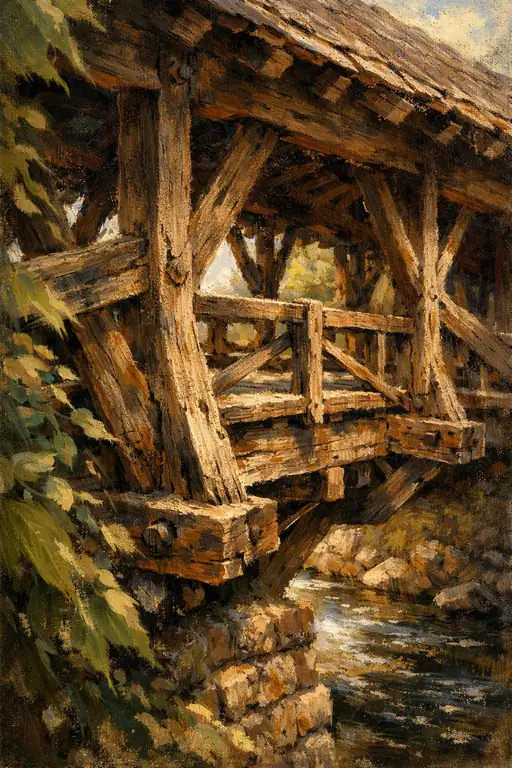 Ruins Beneath the Endless Azure
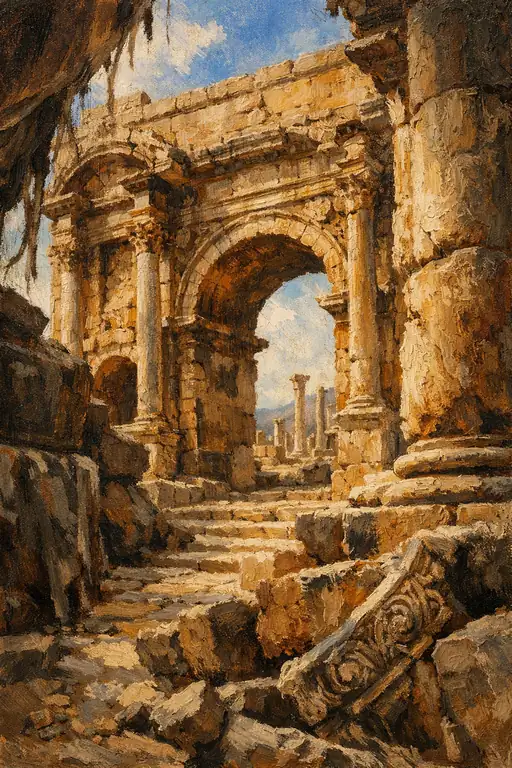 Echoes in the Stones of Time
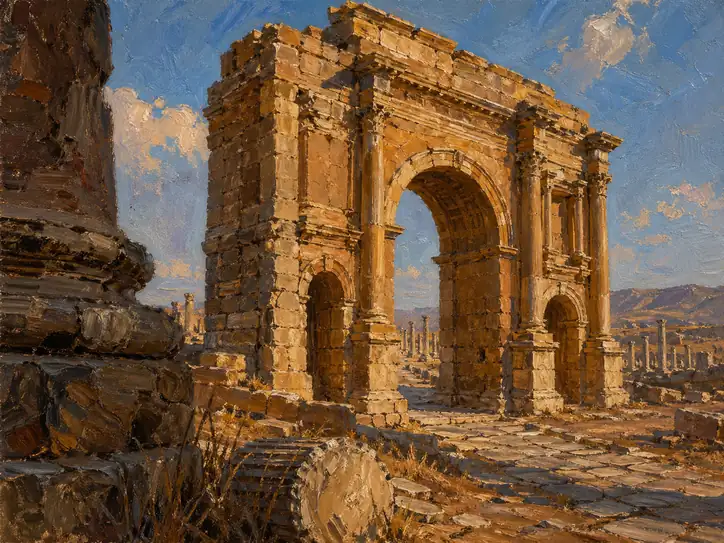 Sovereign of Silence: The Triumphal Arch of the Forgotten Sands
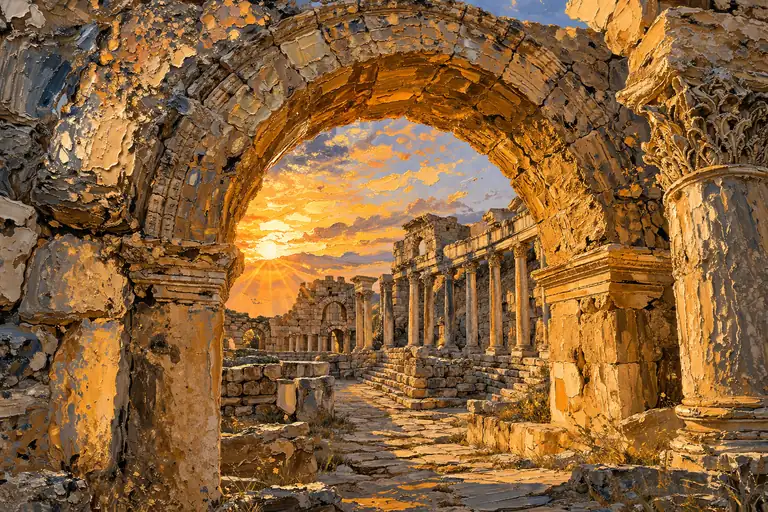 Eternal Sun Through Ancient Arches
 Golden Echoes of Earth and Sea
 The Silent Dignity of Stone