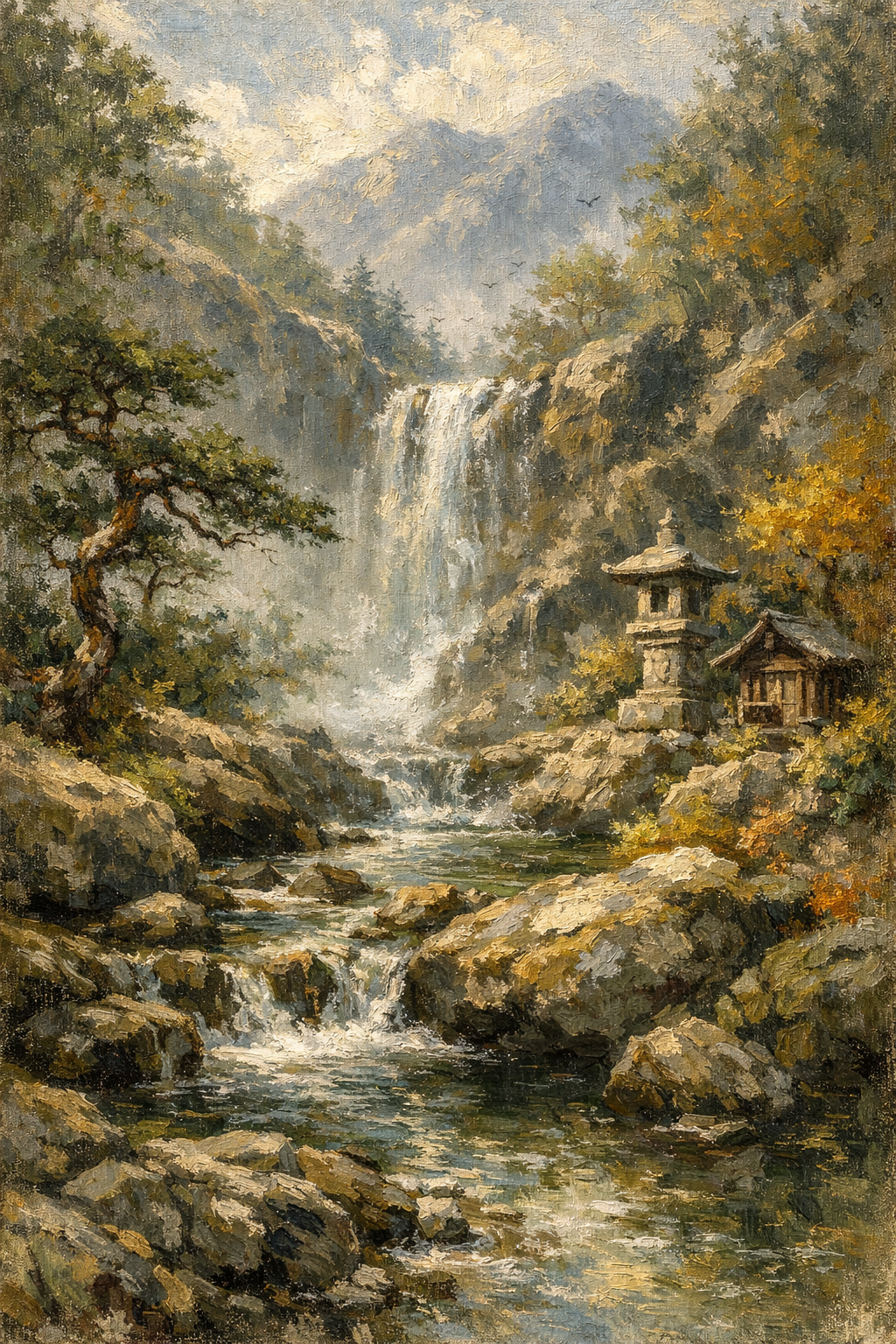
Solitude at the Canyon's Edge
Critique
1. Introduction This oil painting depicts a majestic waterfall cascading within a rugged canyon, accompanied by a stone lantern and a small wooden hall on a nearby ledge. The vertical composition emphasizes the grandeur of nature, inviting the viewer into a world of profound serenity. This landscape skillfully blends an Eastern perspective with traditional Western oil painting techniques, creating a unique poetic sentiment. 2. Description In the center-left, a magnificent waterfall descends in white streams, connecting to a mountain stream winding through rocky formations in the foreground. To the right of the falls, an ancient stone lantern and a simple wooden structure are carefully placed. The scene is framed by jagged cliffs and trees with green and golden foliage, while distant mist-shrouded peaks appear at the top. 3. Analysis The brushwork is powerful yet delicate, using impasto to express the rugged textures of the rocks and the dynamic movement of the water. A harmonious palette of earthy browns, deep greens, and warm ochres lends a sense of unity to the piece. The white waterfall and pale blue sky provide visual accents, masterfully creating spatial depth and atmospheric flow. 4. Interpretation and Evaluation The work portrays the contrast between the vital energy of nature and the eternal silence of the cultural symbols represented by the lantern and hall. This juxtaposition encourages the viewer toward deep meditation and spiritual reflection. The artist demonstrates a high level of skill in realistic depiction, balanced composition, and sophisticated color use, reconstructing traditional aesthetics through a modern lens. 5. Conclusion While initially struck by the majesty of the scenery, a quiet observation leads to a deeper understanding of the spiritual peace residing within. This scene, where nature and artifacts coexist, serves as an embodiment of the universal harmony between humanity and the environment.
Same Subcategory
Similar Artworks
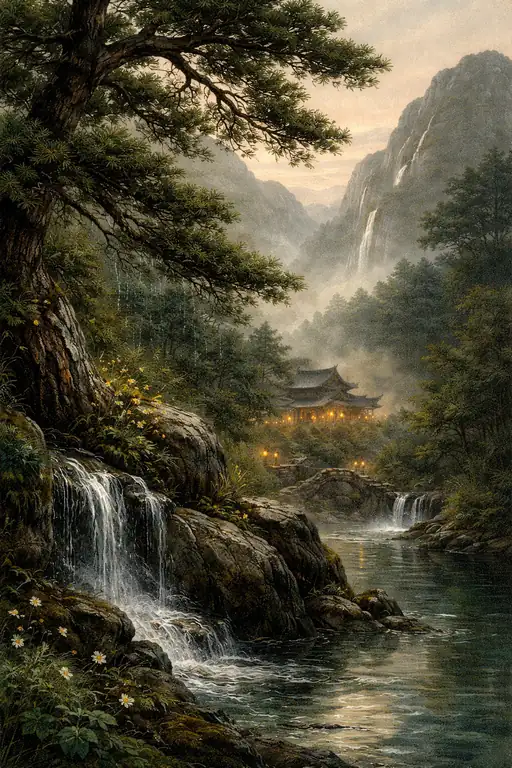 Whispers of the Eternal Bridge
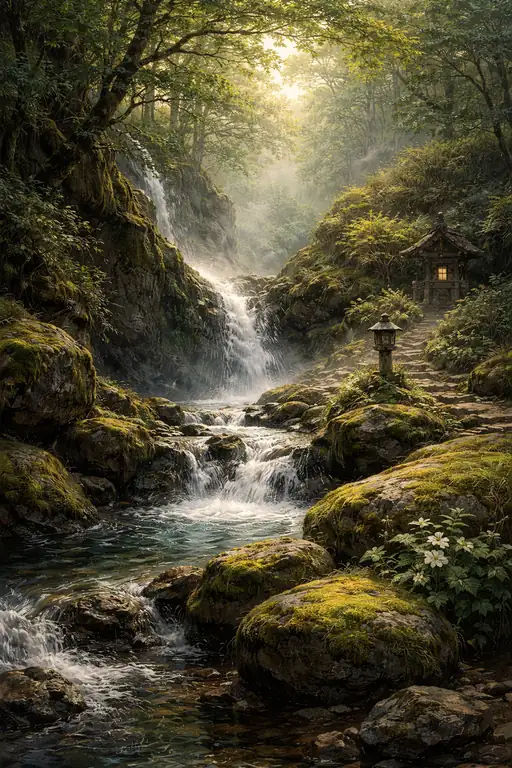 Whispers of the Sacred Grove
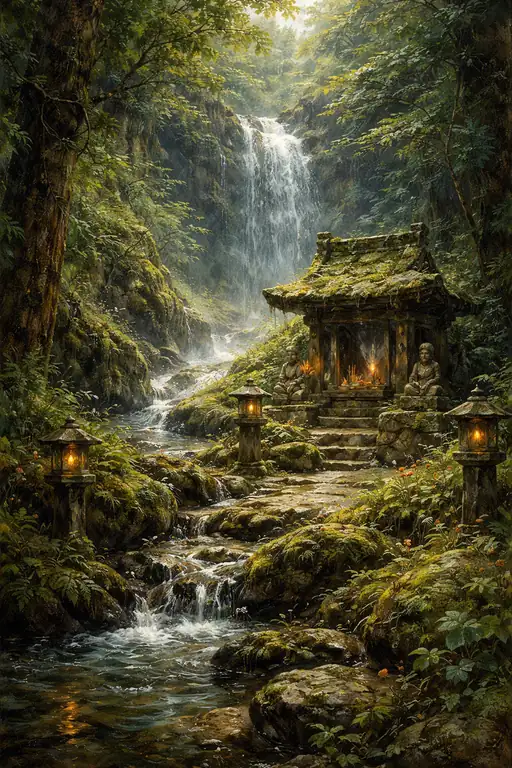 Spiritual Glow of the Forgotten Shrine
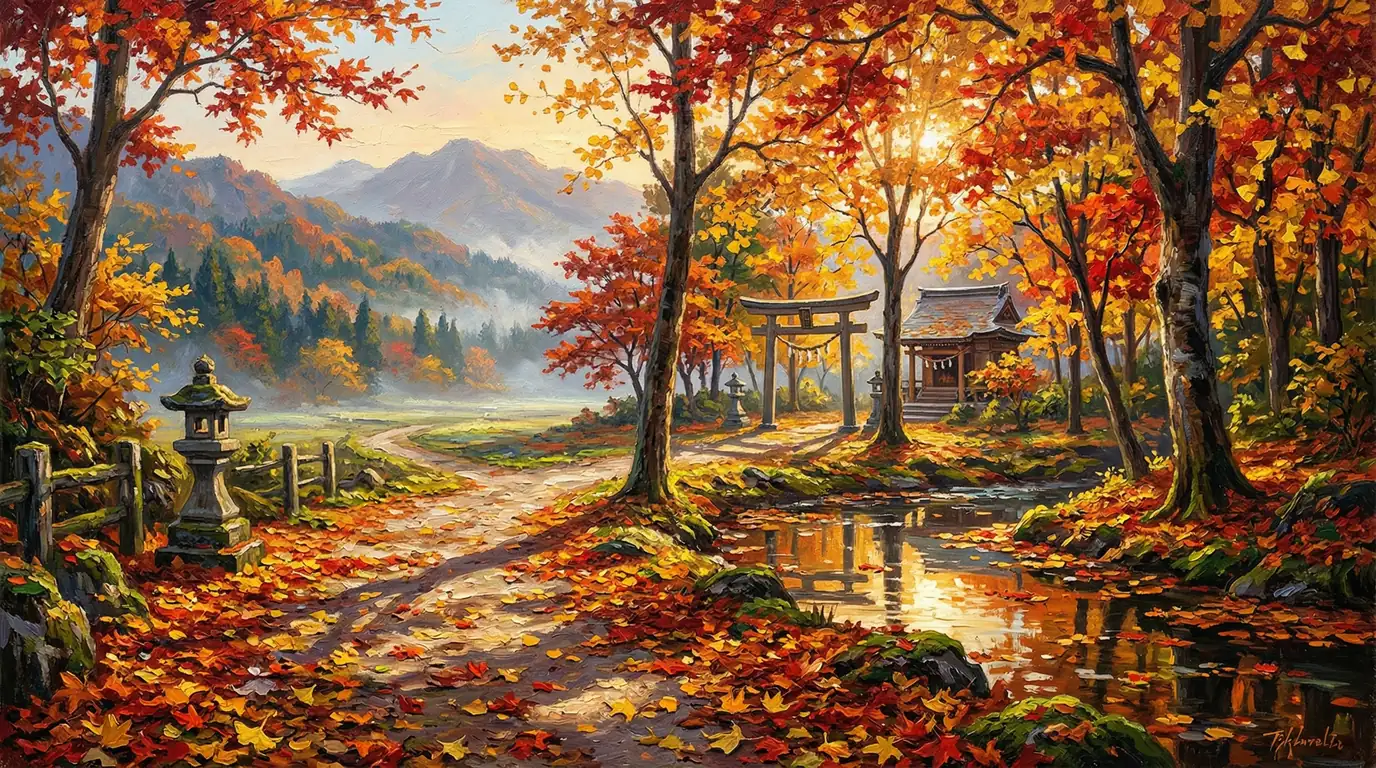 Sanctuary of the Misty Mountains
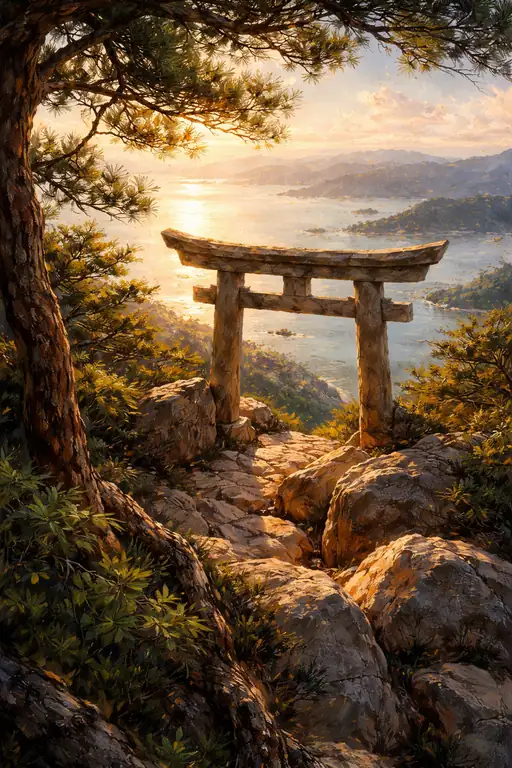 Golden Gateway to the Distant Isles
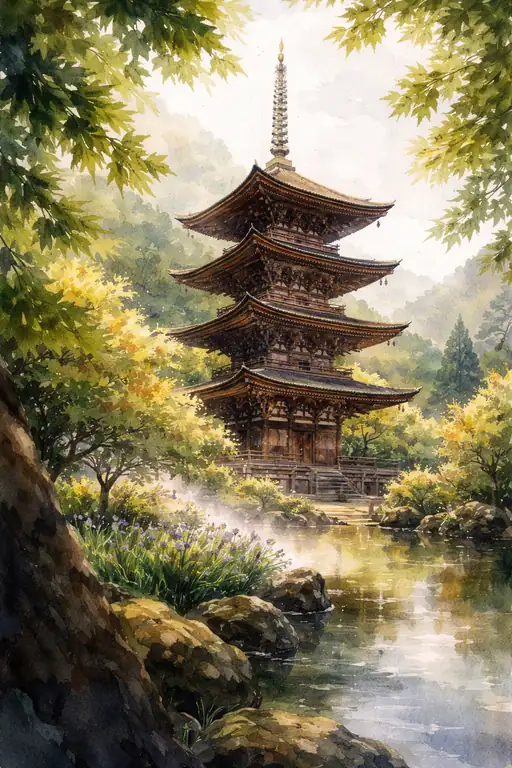 Reflection of the Silent Pagoda
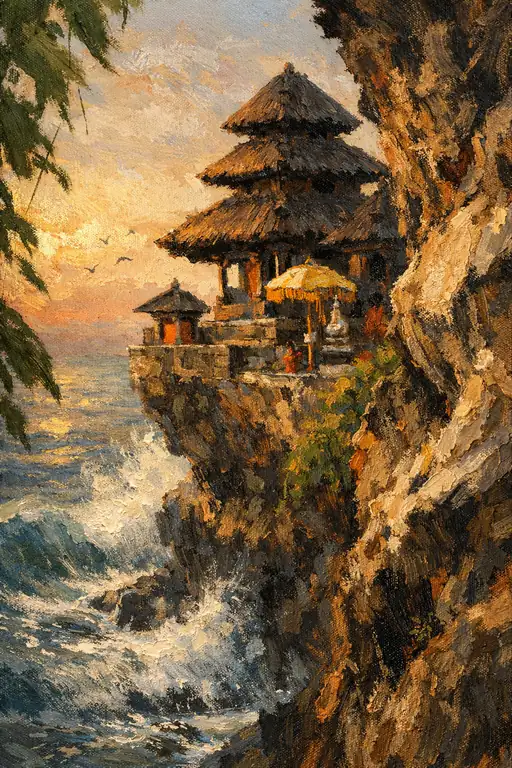 Sanctuary on the Craggy Edge
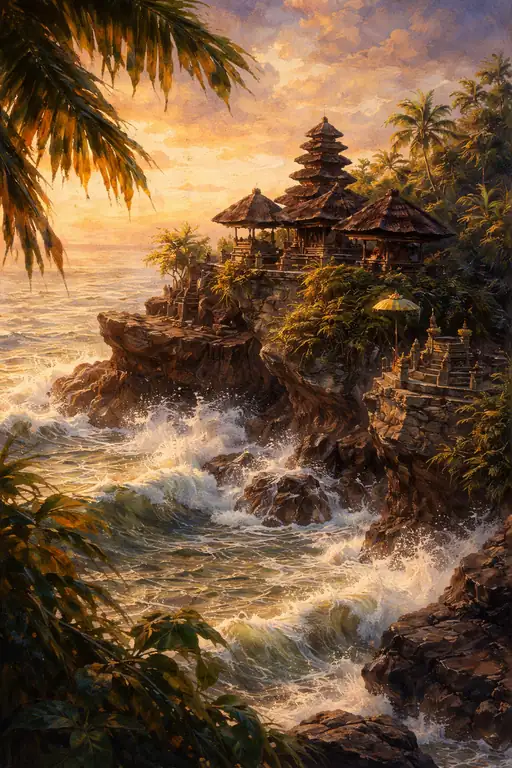 Sanctuary Above the Crashing Depths
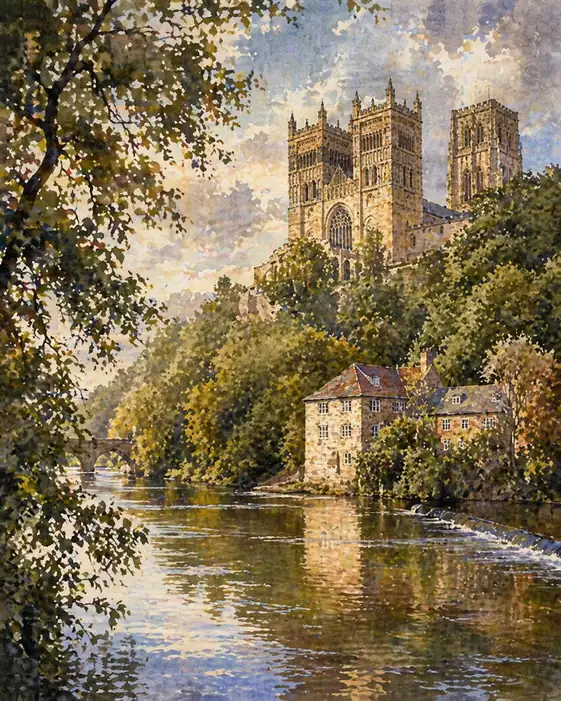 Durham Cathedral at Dusk
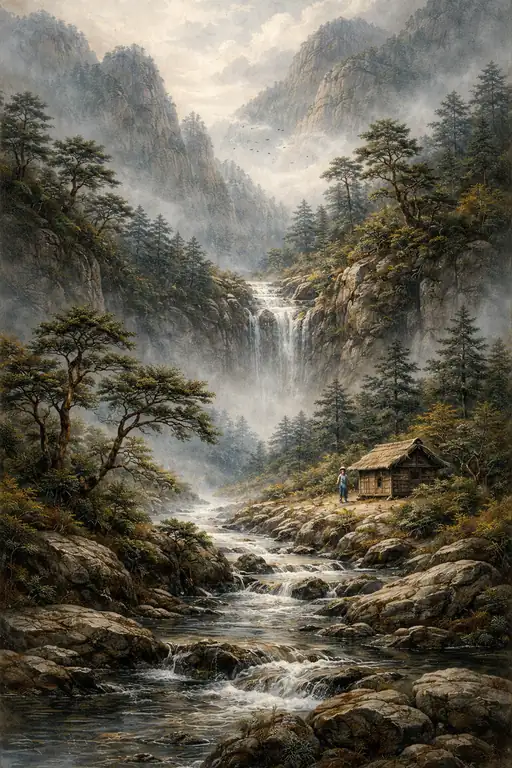 The Hermit's Symphony of Mist