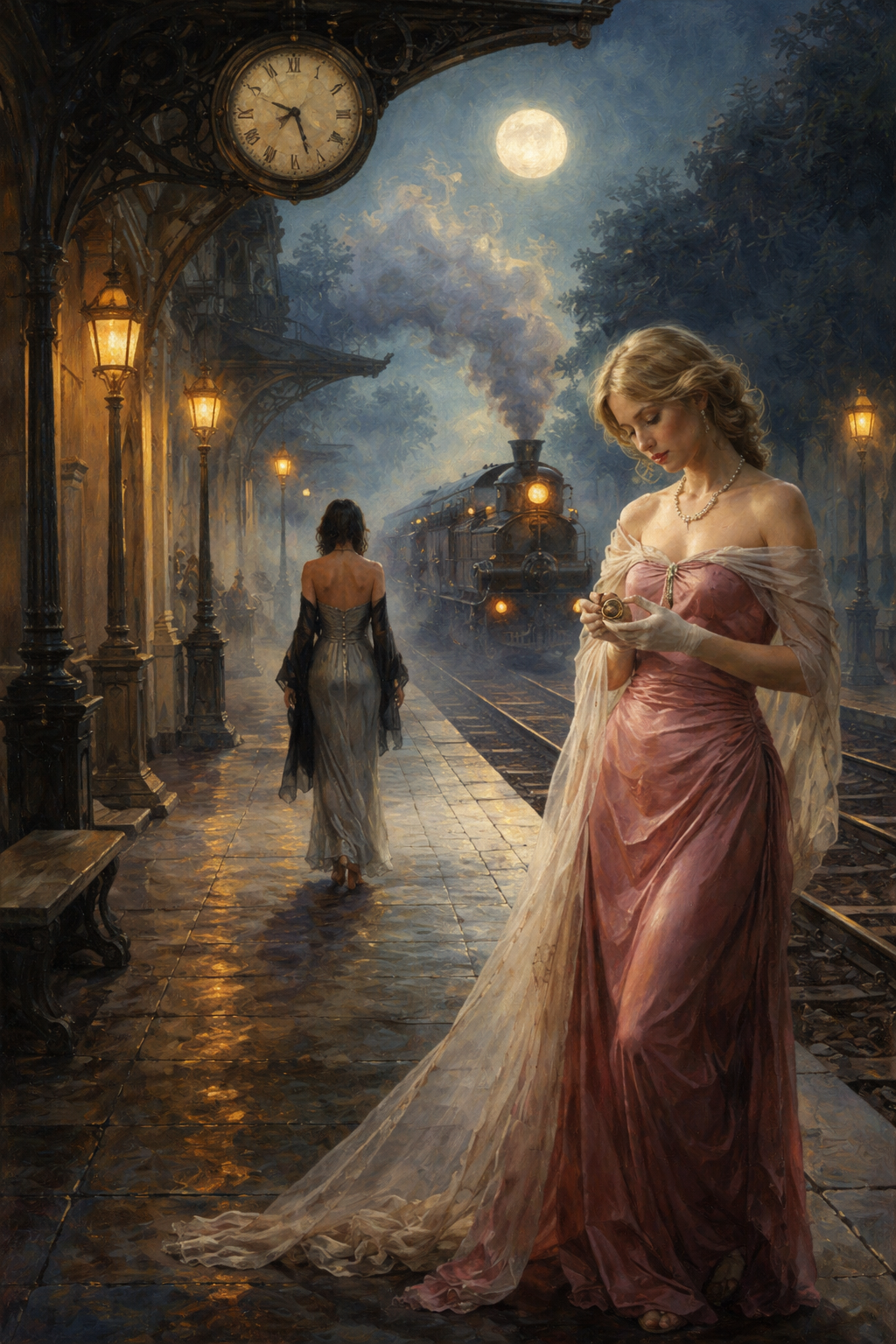
Tears Left on the Midnight Platform
Critique
1. Introduction This oil painting presents a cinematic scene set at a train station under a full moon. The composition focuses on two women at different points on the platform, creating a narrative of departure and waiting. The work effectively combines historical elements, such as the steam locomotive and period attire, with a dreamy, atmospheric lighting scheme. 2. Description In the immediate foreground, a blonde woman in an elegant pink gown stands looking down at a pocket watch held in her gloved hands. Behind her, another woman in a shimmering silver-gray dress walks away into the distance of the platform. A large ornate clock hangs above, and a steam train with a glowing headlight occupies the tracks, all illuminated by warm gas lamps and the cool moonlight. 3. Analysis The artist utilizes a dual lighting system, contrasting the warm amber glow of the station lamps with the cold, pale light of the moon. This creates a rich variety of tones and reflections on the wet or polished surface of the platform. The brushwork is expressive, particularly in the wisps of steam from the train and the delicate translucent fabric of the women's dresses. 4. Interpretation and Evaluation This painting successfully evokes a sense of nostalgia and melancholy associated with travel and time. The act of checking the watch suggests an urgency or a significant moment of transition, while the receding figure adds to the theme of separation. Technically, the complex composition and the masterful handling of light and shadow contribute to a highly immersive and emotionally resonant scene. 5. Conclusion In conclusion, the work is a visually striking and emotionally evocative piece that blends realism with a touch of romanticism. The initial focus on the dramatic arrival of the train gradually shifts to an appreciation of the subtle psychological interplay between the characters. It serves as a compelling example of narrative painting that uses atmosphere to tell a story of human experience.
Same Subcategory
Similar Artworks
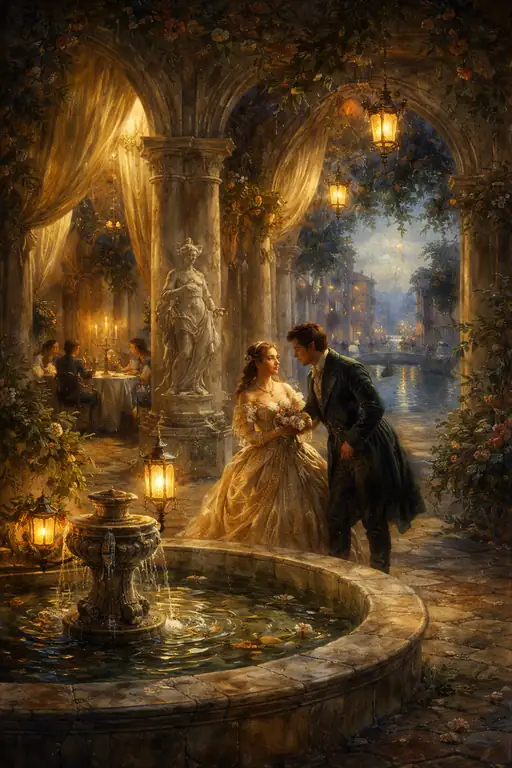 Midnight Serenade in Venice
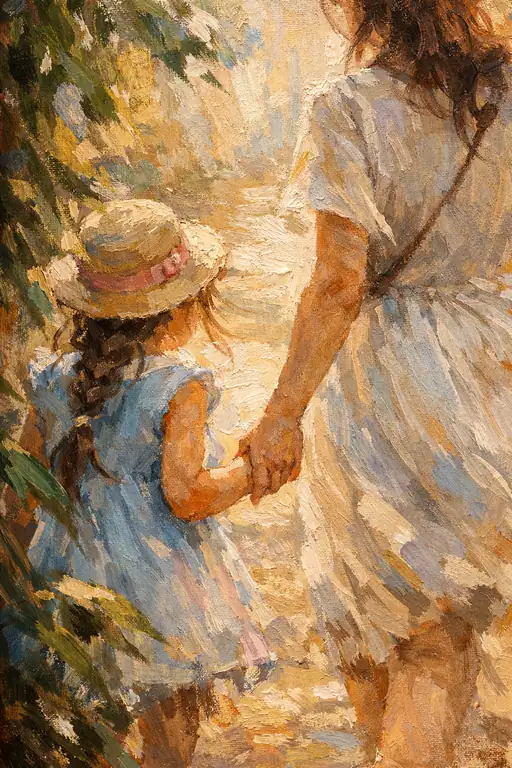 Melodies Woven in Spotlight
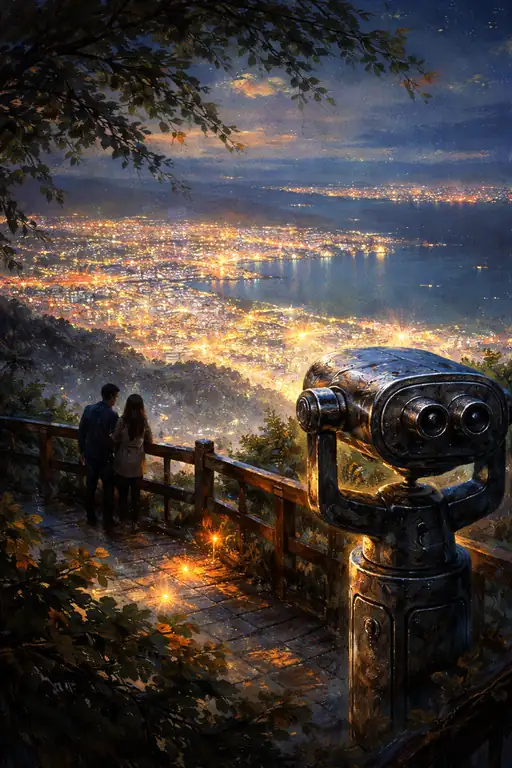 Midnight Stargazing Over the Bay
 Eternal Vows in the Velvet Shadows
 Lovers Beneath a Star-Spun Sky
 Embrace of Endless Love
 Petals and Secrets Shared in the Breeze
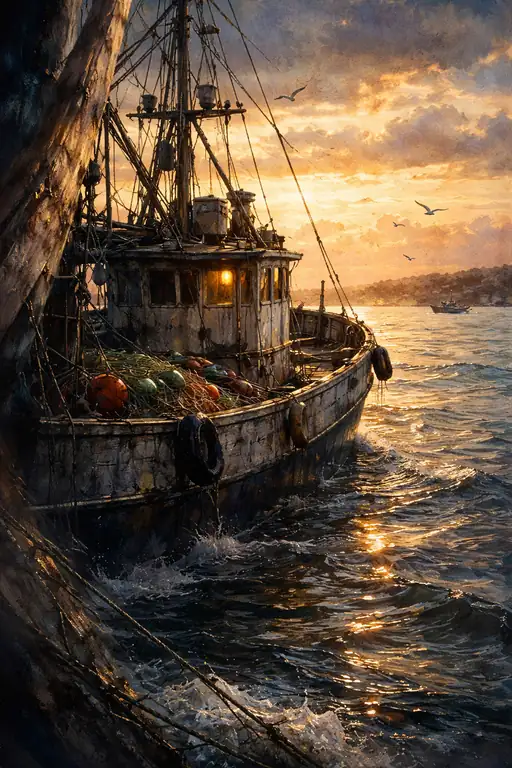 Golden Endurance on the Restless Waves
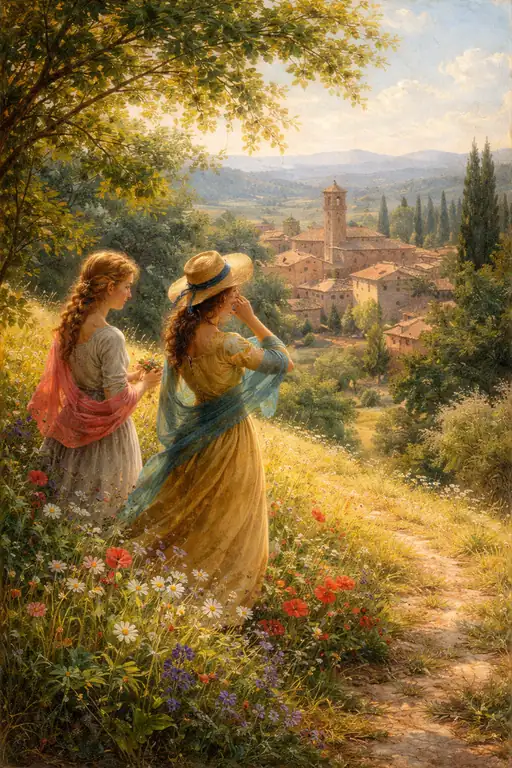 Golden Memories on the Tuscan Hill
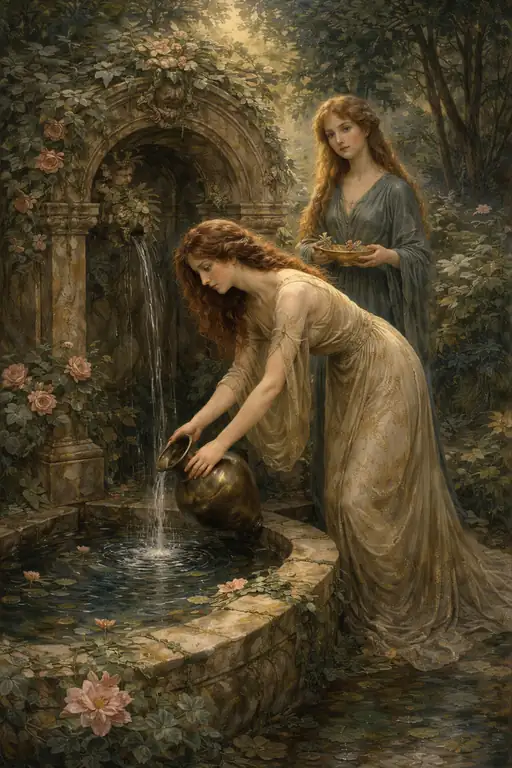 The Silent Song of the Flowing Spring