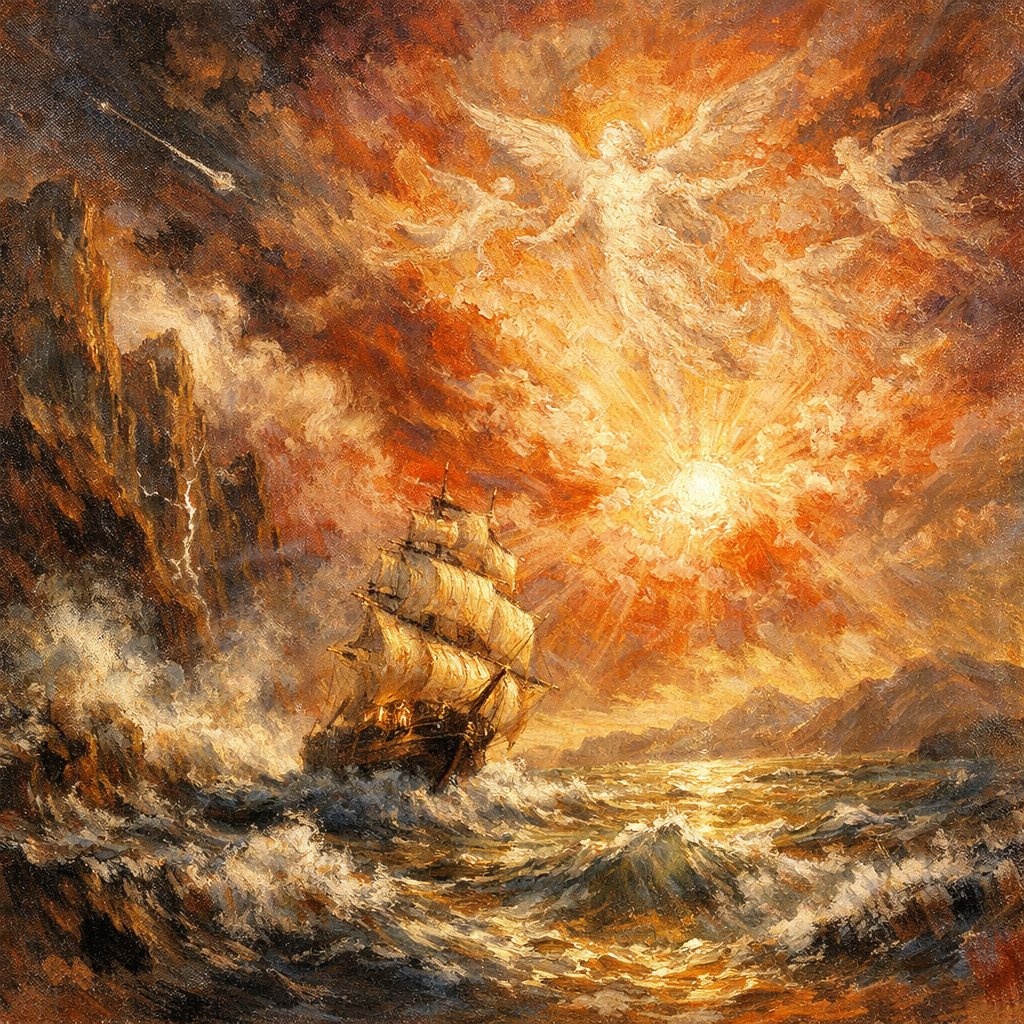
Wrath of the Heavens
Critique
1. Introduction This epic oil painting juxtaposes a sailing vessel in a tempestuous sea with a celestial manifestation of divine light. It depicts the conflict between human endeavor and nature’s fury. Through dramatic composition and vivid color, the work evokes awe while suggesting ultimate salvation amidst chaos. 2. Description A large galleon is tossed by powerful waves near towering cliffs struck by lightning. The sky is dominated by swirling clouds of fiery orange and gold, radiating from a brilliant central source. Within this radiance, angelic figures are visible, overlooking the turmoil. In the dark upper-left corner, a falling star adds to the supernatural atmosphere. 3. Analysis Warm gold and crimson dominate the palette, clashing with dark rocks and the frothing sea. A radial composition emanating from the central light provides dynamic energy and unity. Thick brushwork emphasizes the ocean's violence while blurring the angels to highlight their ethereal nature. The theatrical use of light effectively visualizes earthly suffering versus heavenly intervention. 4. Interpretation and Evaluation This work elevates a maritime disaster into a spiritual allegory of the soul's trial and redemption. In terms of technical merit, the artist successfully harmonizes the contradictory elements of natural violence and divine sanctity. Its originality lies in the bold integration of religious visions into the tradition of maritime art, presenting a unique cosmological perspective. The technical proficiency displayed produces a powerful emotional resonance that goes beyond mere visual representation. 5. Conclusion While the initial impression is one of overwhelming energy, closer inspection reveals profound serenity within the divine presence. The transition from despair to comfort is central to the viewer's experience. This work effectively captures the enduring strength of faith, establishing a universal image that transcends its historical boundaries.
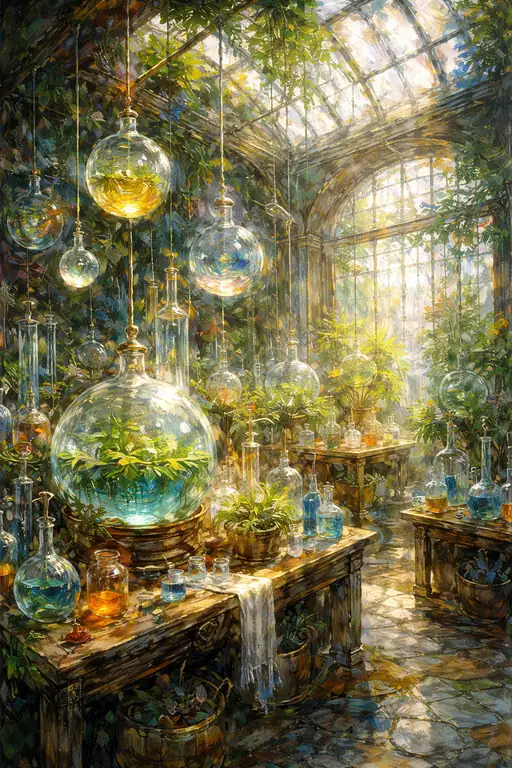 Luminous Secrets of the Glass Forest
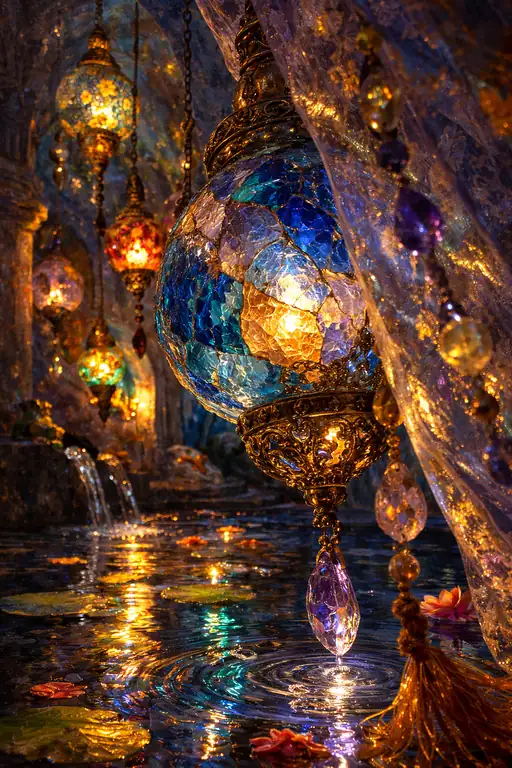 Enchanted Ripples
 Chasing the Morning Tide
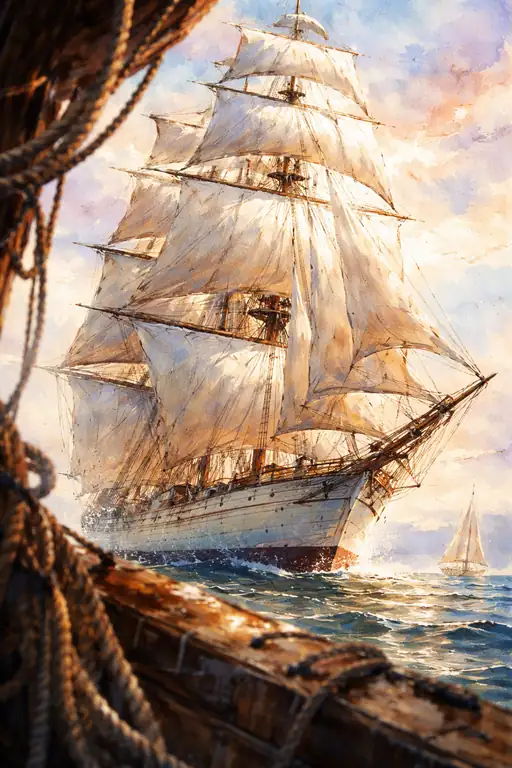 Voyage of the Sunlit Canvas
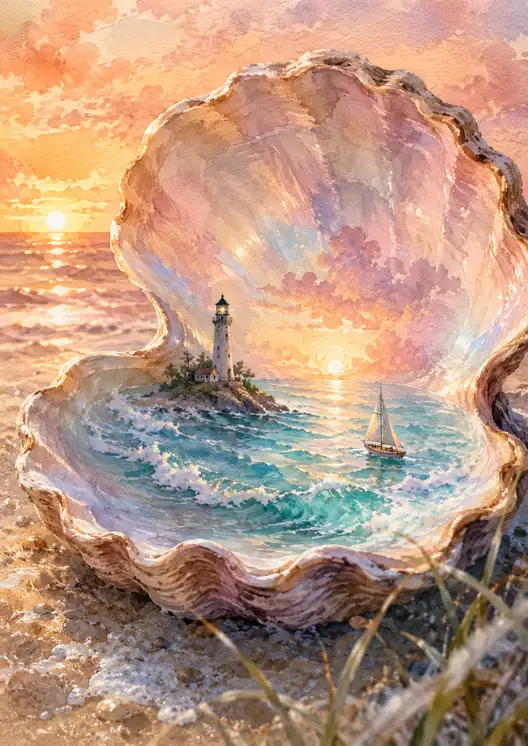 An Ocean Kept in Secret
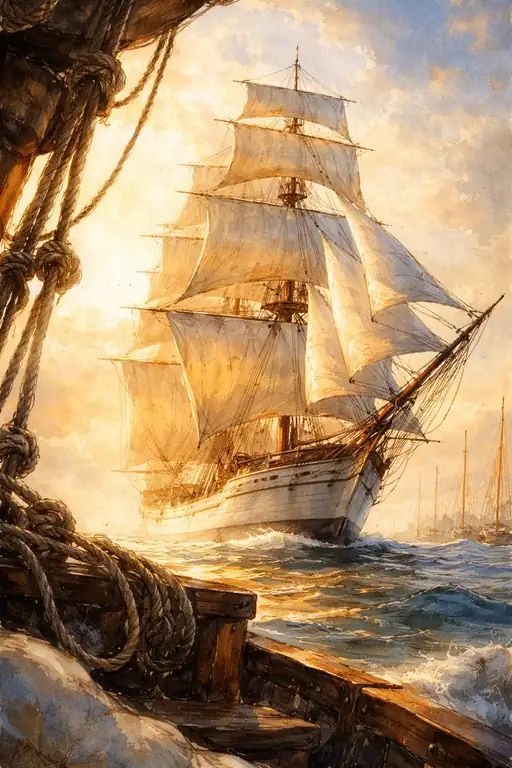 Golden Radiance of the Solitary Galleon
 Trace of the Departing Blue
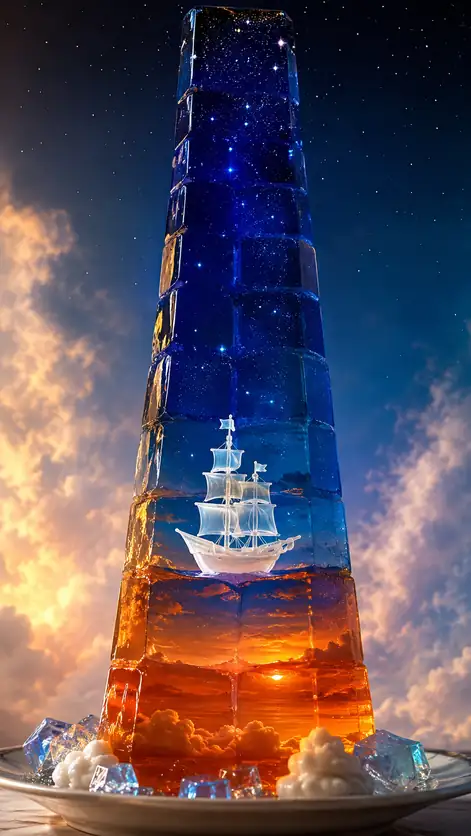 The Ship Climbs from Sunset into Stars
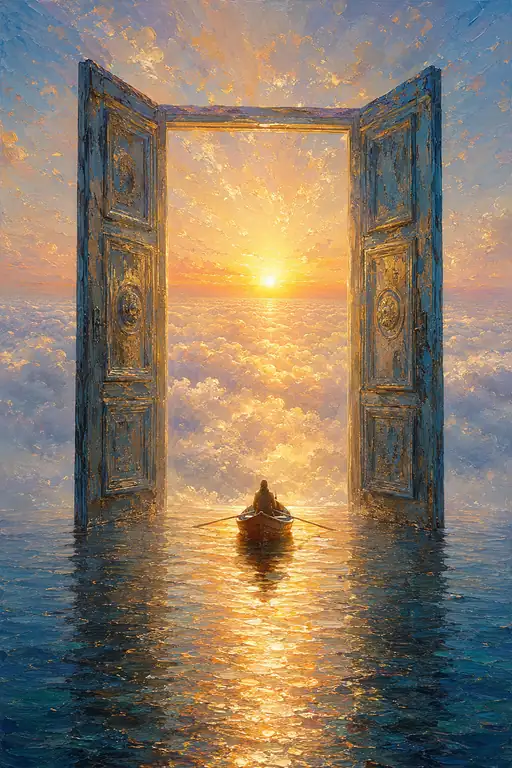 Beyond the Gates of Dawn
 Unyielding Horizon: Navigator of the Dusk
 Colors of a New Horizon
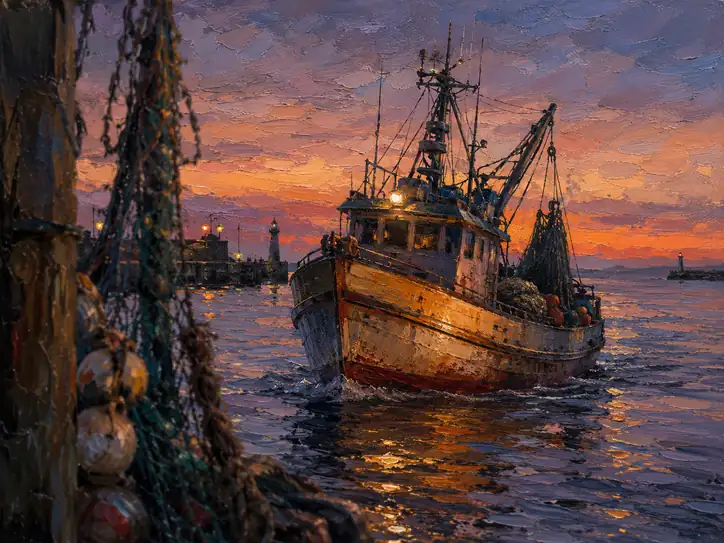 Golden Hour Voyage