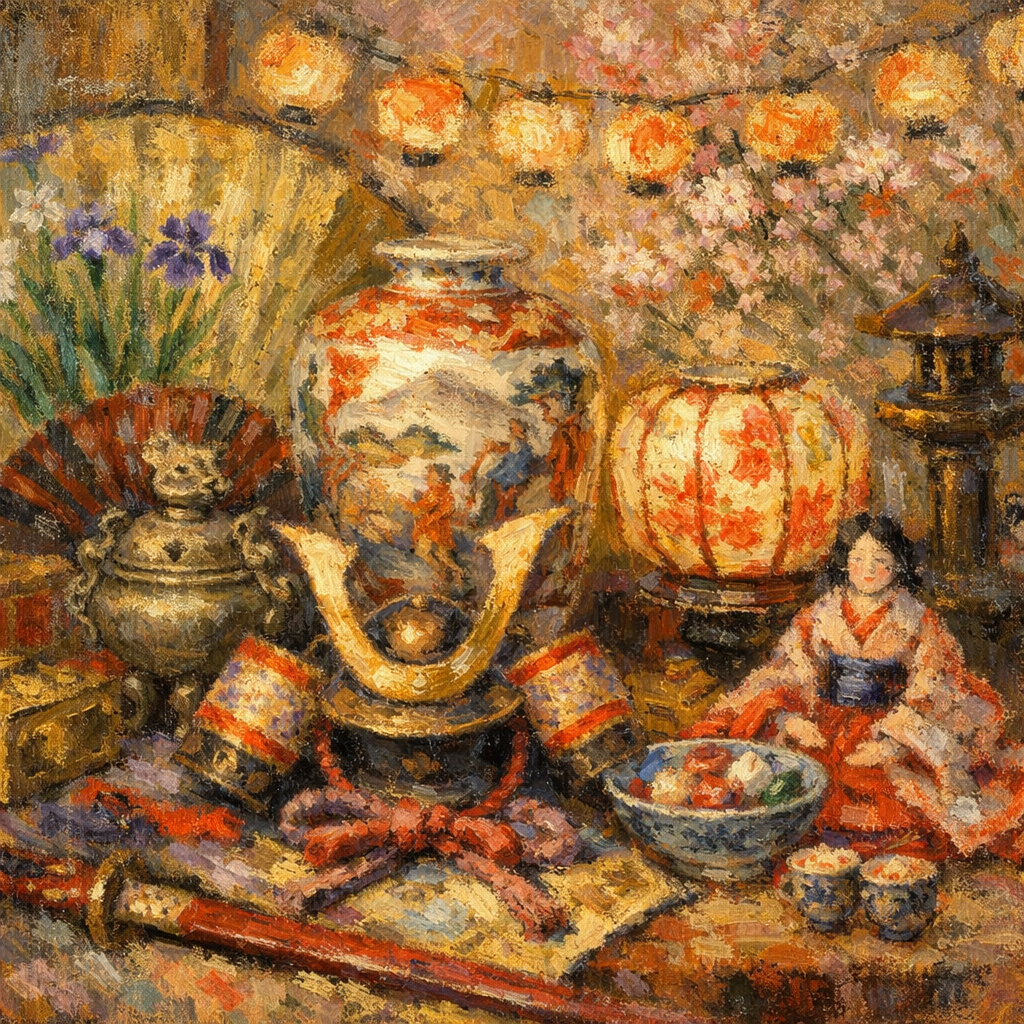
Memories in the Lantern Light
Critique
1. Introduction This dense still life painting brings together a diverse array of objects symbolic of Japanese tradition and cultural heritage. At the center of the composition sits a samurai helmet, surrounded by ceramic vases, paper lanterns, traditional dolls, and a katana. The work is characterized by a heavy impasto technique that emphasizes the physical presence of each object, creating a sense of weight and historical significance. It represents an ambitious attempt to reinterpret Japanese aesthetics through the medium of Western oil painting. 2. Description In the lower center, a kabuto with golden horns is featured prominently, backed by a large porcelain vase decorated with a pattern of Mount Fuji. To the right, a doll in a red kimono sits beside a glowing paper lantern and a miniature stone lantern. The left side includes a silver incense burner and an open fan, with a red-sheathed katana lying in the foreground. Strands of small lanterns are hung across the top, while branches of pink cherry blossoms fill the background. The warm tones of red and gold dominate. 3. Analysis The color palette focuses on gold, red, and white, with deep blues and purples used in the shadows to provide contrast. Light emanates from the front, supplemented by the warm internal glow of the lanterns which diffuses across the surrounding surfaces. Technically, the thick, tactile brushstrokes effectively translate the various textures of metal, silk, and porcelain into a cohesive visual experience. Despite the complexity of the subjects, the triangular arrangement provides a stable and focused composition that guides the viewer窶冱 eye. 4. Interpretation and Evaluation The painting can be interpreted as a celebration of the enduring virtues and festive spirit inherent in Japanese culture. Each object serves as a testament to centuries of craftsmanship and aesthetic development, collectively symbolizing the nation窶冱 cultural identity. Technically, the artist窶冱 mastery of light and material texture is highly successful, managing to unify disparate elements into a singular, powerful image. The balance between vibrant color and formal structure demonstrates a high level of artistic sophistication. 5. Conclusion What initially appears to be a collection of cultural artifacts transforms upon closer study into a profound engagement with light and the materiality of paint. It is a remarkable example of how traditional icons can be revitalized through expressive, modern techniques. The work invites the viewer to appreciate both the specific beauty of the items and the universal power of the artistic process. Ultimately, it stands as a testament to the artist窶冱 technical skill and profound vision, representing a significant achievement in still life painting.
Same Subcategory
Similar Artworks
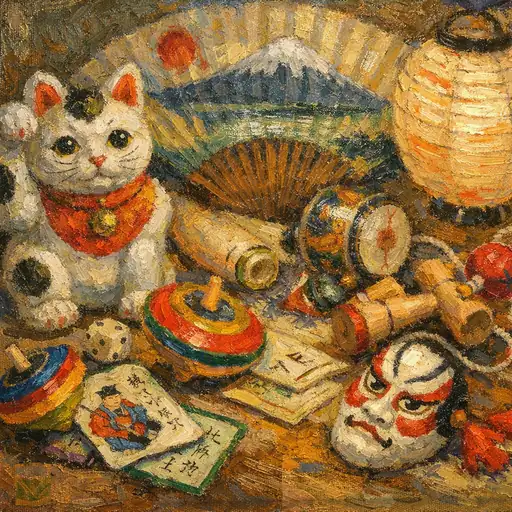 Echoes of Playtime Past
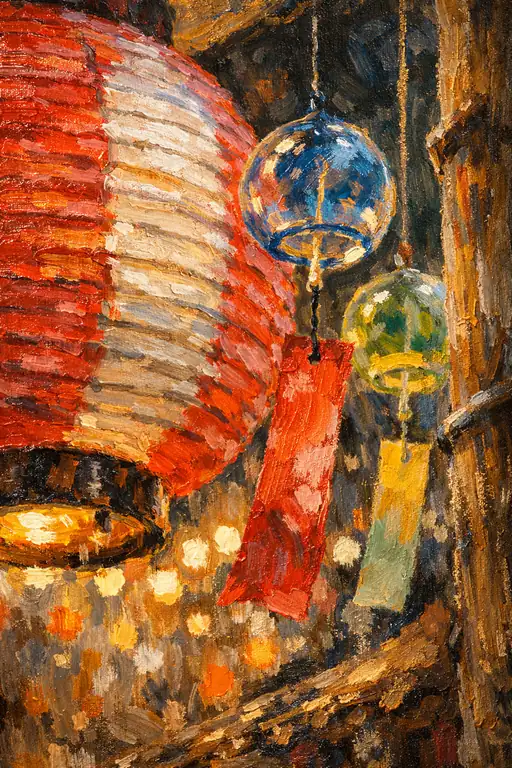 Whispers of the Golden Sun
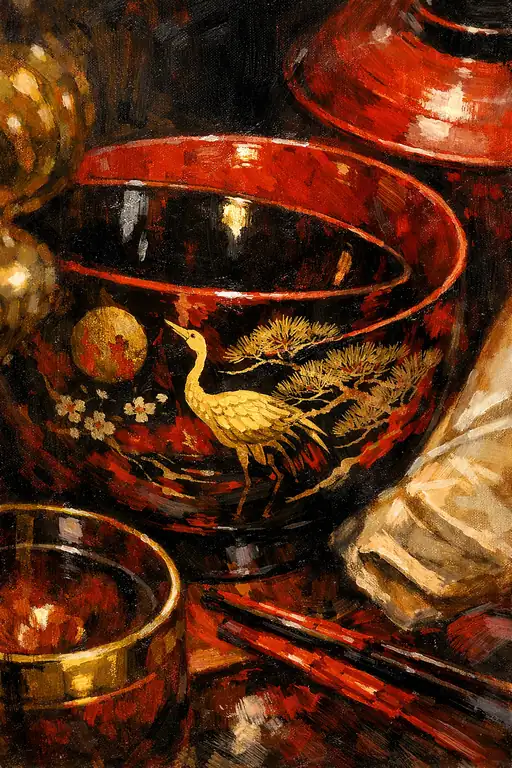 Golden Grace of the Crane's Flight
 Warm Glowing Alley Paper Lantern
 Whispers of Antiquity
 Spring's Eternal Reflection
 Dancing Ripples in the Sunlit Garden: A Koi's Peaceful Journey
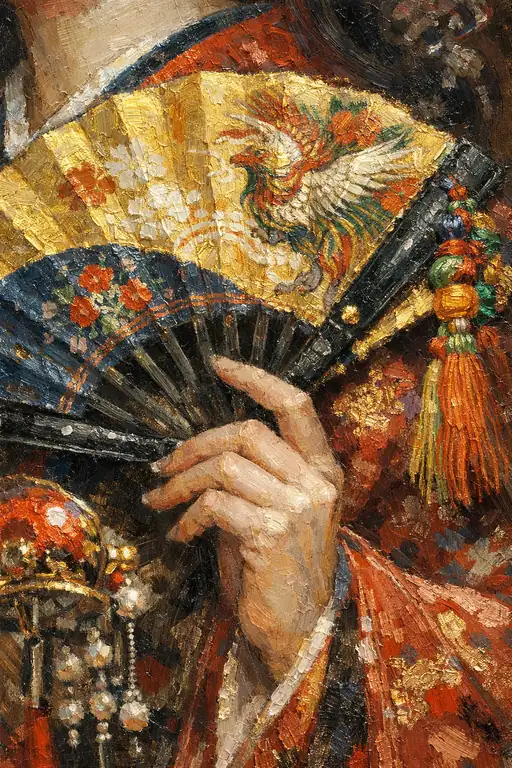 Dance of the Crimson Phoenix
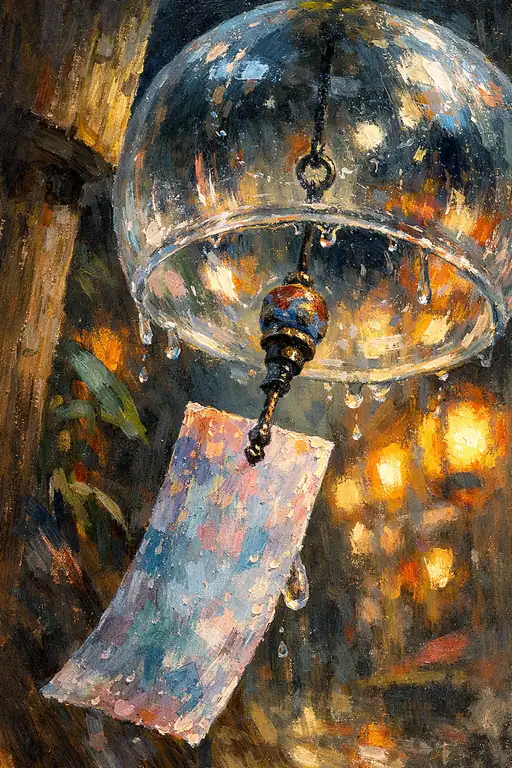 Raindrop on a Traditional Glass Wind Chime
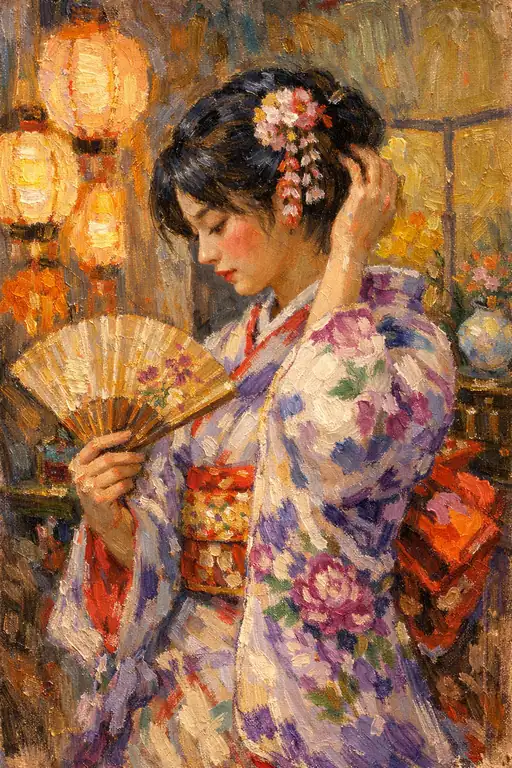 Fleeting Grace in the Spring Breeze