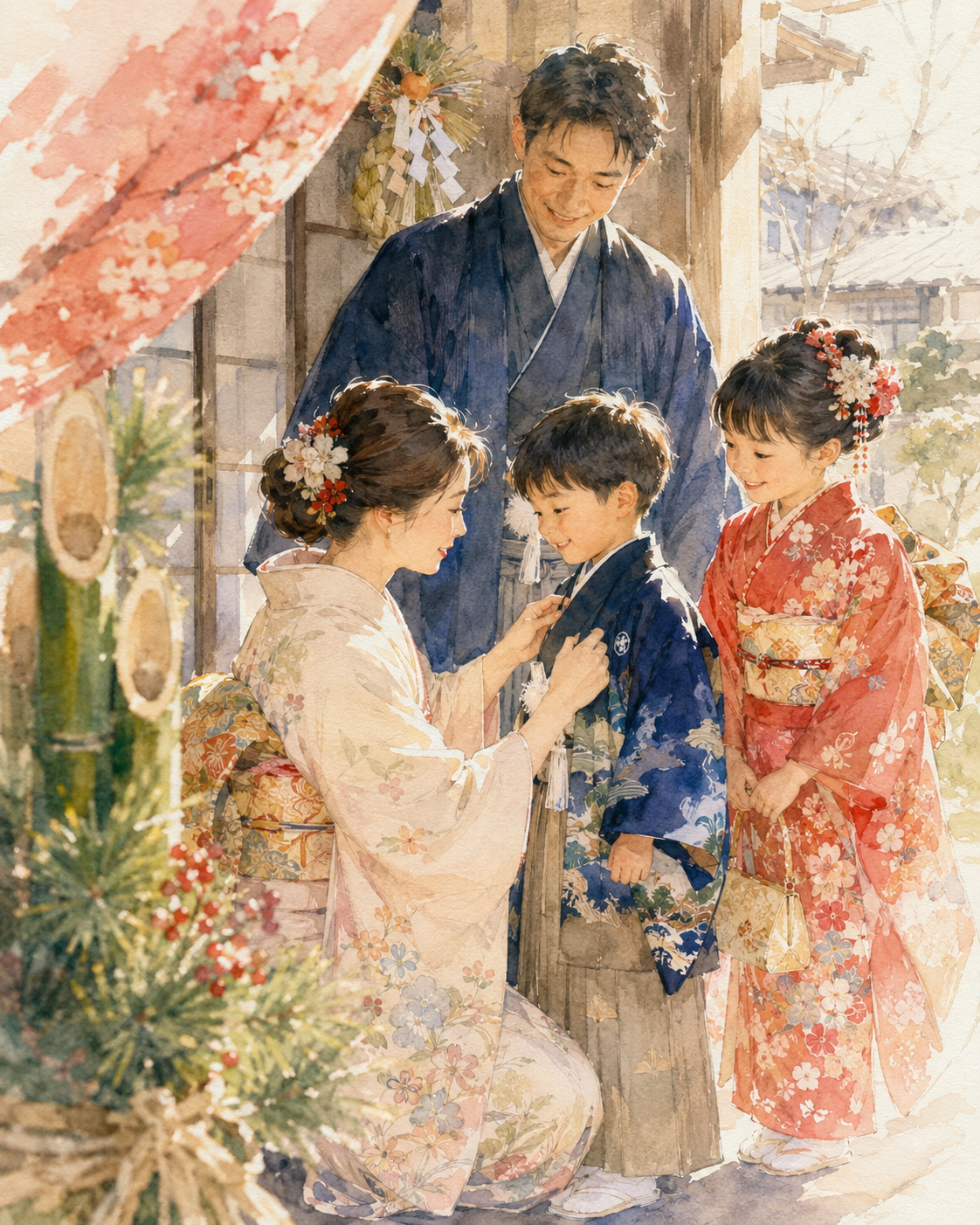
Tender Hands for a New Dawn
Critique
1. Introduction This watercolor painting presents a warm depiction of a family gathered at the entrance of a traditional home during the Japanese New Year. The scene features a father, mother, son, and daughter in elegant garments. The gentle interactions among them establish an inviting, affectionate atmosphere, drawing the viewer into their shared celebration. 2. Description In the foreground, a mother in a pale kimono kneels to adjust her son's blue garment. The boy smiles at his mother, reciprocating her care. Behind them stands the father in a deep indigo haori, looking down with a gentle smile. To the right, a daughter in a vibrant red furisode looks on cheerfully. Traditional pine branches and a shimekazari decorate the sliding door. 3. Analysis The artist employs delicate watercolor washes, blending soft hues to create a luminous, airy texture. The high-contrast color scheme, notably the deep indigo against the brilliant red, balances the visual weight. Soft light from the right defines their forms and enhances three-dimensional space, while blurred pine needles in the foreground establish depth. 4. Interpretation and Evaluation This piece beautifully encapsulates familial bond and cultural heritage. The meticulous attention to kimono patterns and architectural textures shows high draftsmanship. The harmonious expressions evoke mutual respect. By placing the family at the threshold, the work serves as a metaphor for entering a promising new year filled with hope. 5. Conclusion Initially, the painting captivates the viewer through its charming subject and festive colors. Upon closer inspection, subtle interactions reveal a deeper narrative of love and tradition. Ultimately, the work stands as a comforting testament to the enduring power of family connection.
Same Subcategory
Similar Artworks
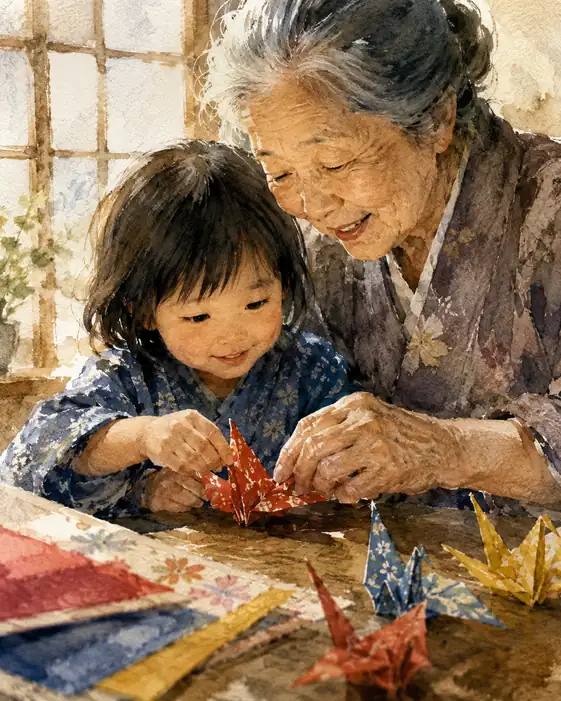 Folded Hearts, Bound Souls
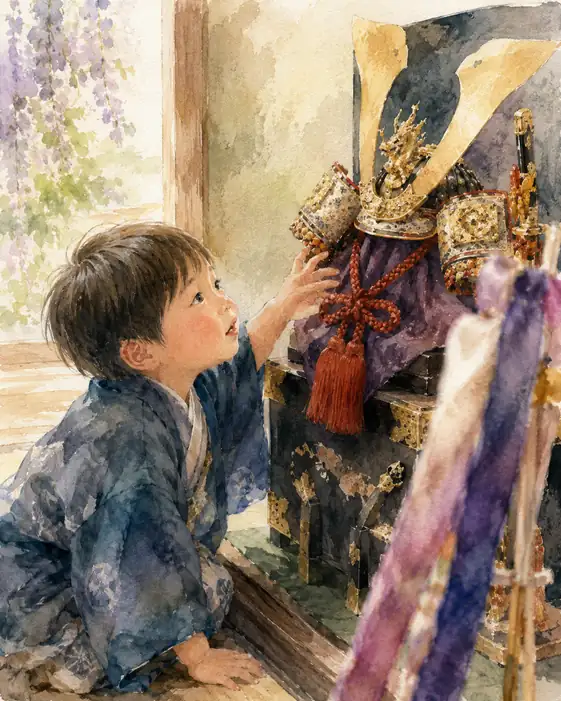 Little Hands Reaching for Legend
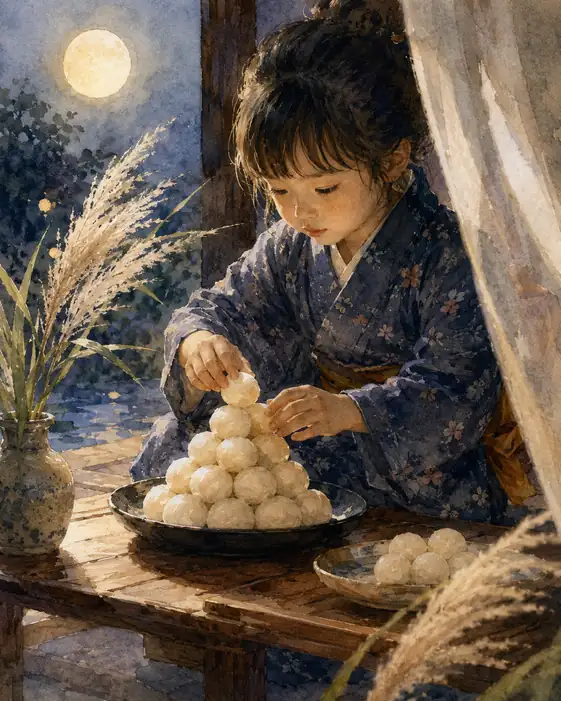 Offering under the Silver Pampas Grass
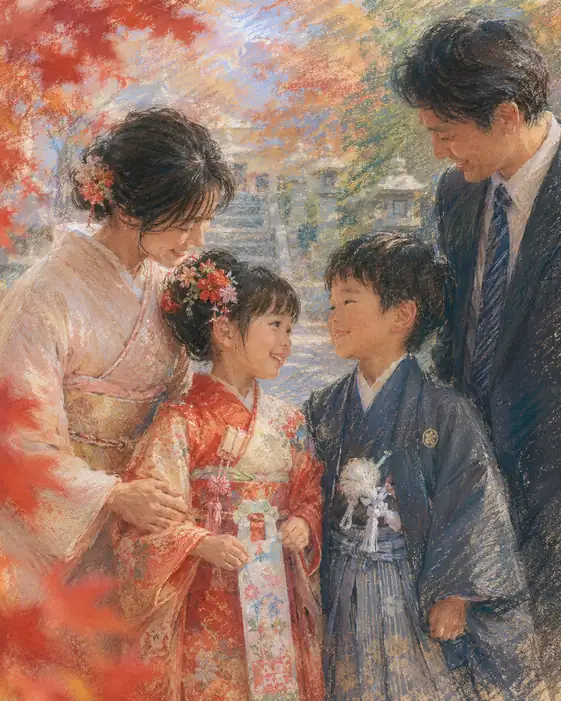 Blessings in the Autumn Breeze
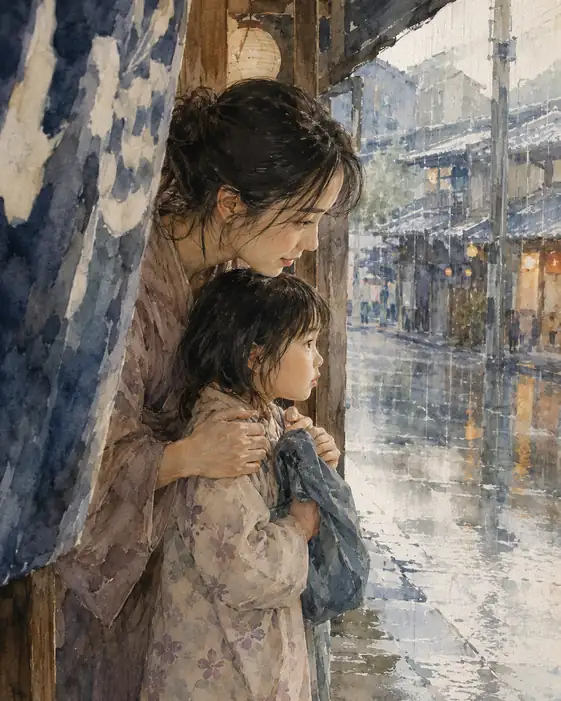 Echoes of Rain, Whispers of Love
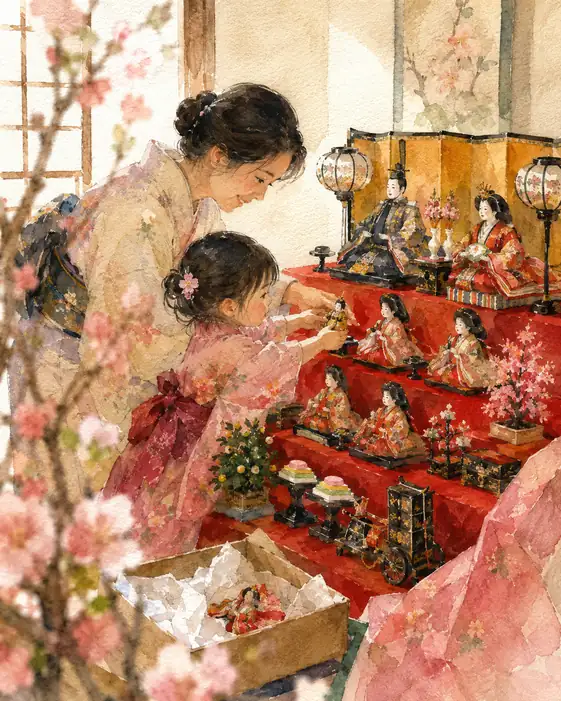 Welcoming Spring with Loving Hands
 Afternoon Tea by the Garden
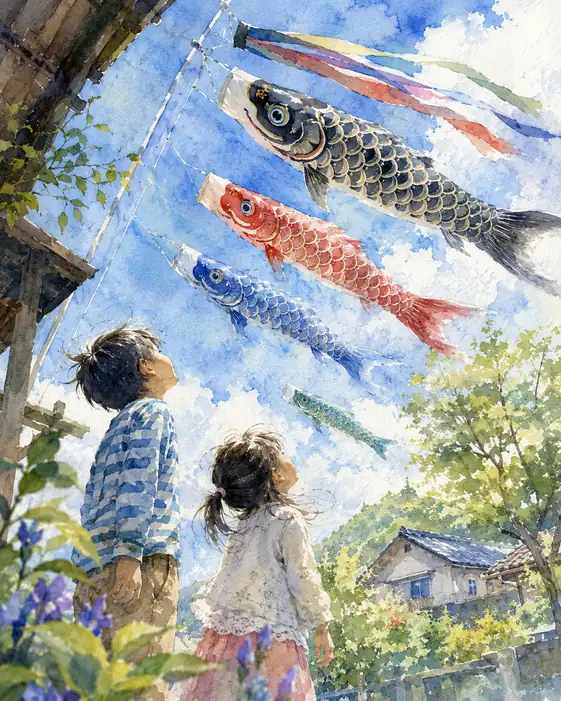 Where the Summer Wind Swims
 Holding Hands in the Crimson Glow
 Fleeting Elegance: A Sip of Golden Serenity