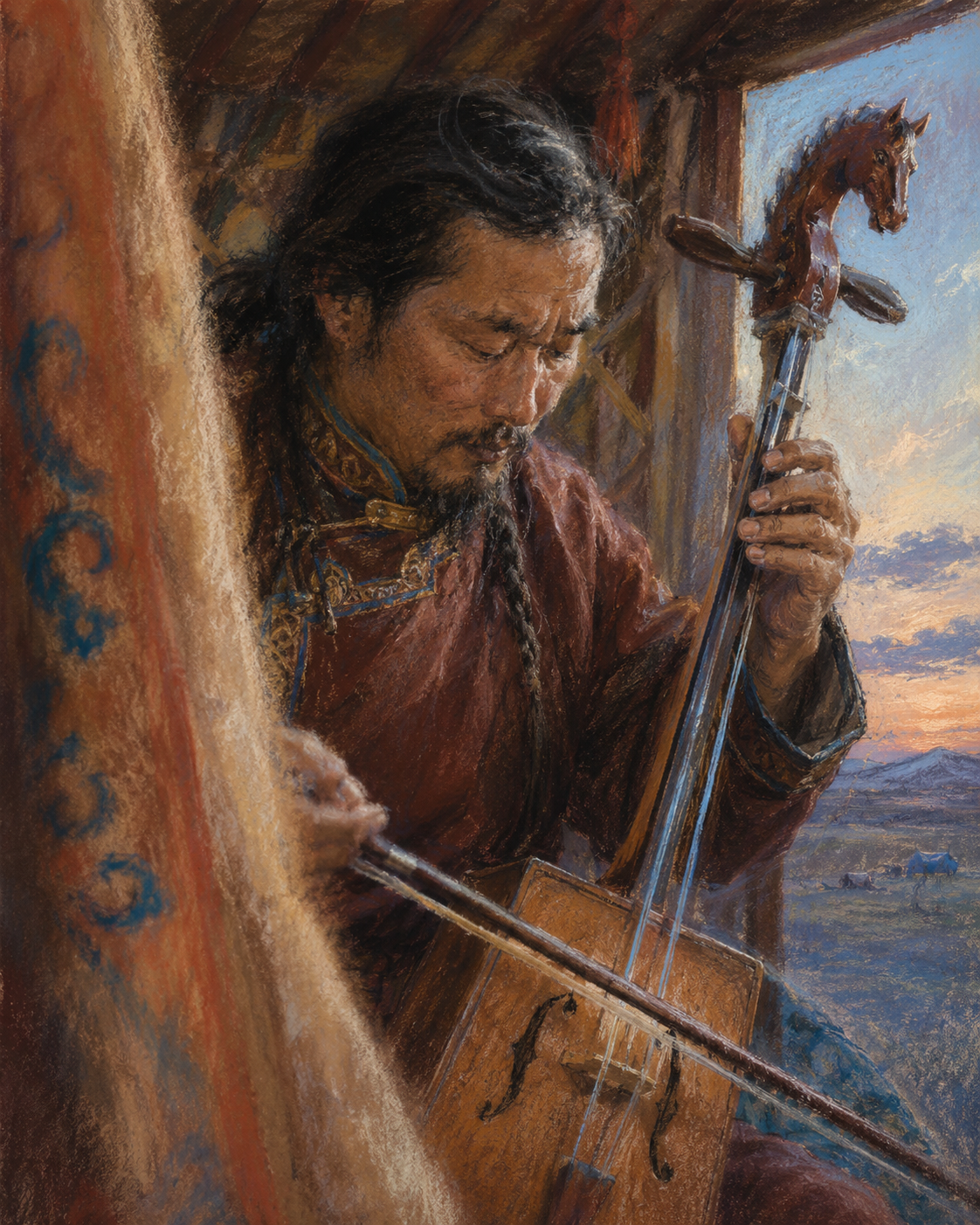
Melody of the Infinite Steppe
Critique
1. Introduction This evocative pastel-style painting presents a captivating study of a man playing the horsehead fiddle. Set against the vast Mongolian steppe at sunset, the work beautifully integrates human presence with natural quietude. This essay will examine the formal characteristics and expressive qualities of this deeply atmospheric scene. 2. Description The painting depicts a close-up of a long-haired man in a deep red traditional robe playing a horsehead fiddle with focused devotion. In the foreground, the patterned felt doorway of a yurt is heavily blurred. In the background, a beautiful orange sunset sky stretches over distant mountains and a vast steppe dotted with small yurts. 3. Analysis Color contrast is central, balancing the warm reds of the robe and sunset with the cool blues of the collar details and distant landscape. The coarse, grainy texture of the pastel medium effectively evokes the dry wind of the plains. Structurally, the dramatic foreground blur creates a powerful sense of depth and intimacy. 4. Interpretation and Evaluation This artwork represents a symbolic exploration of the spiritual harmony between humanity, nature, and traditional music. The performer's serene expression suggests a deep connection to ancestral land. Technically, the artist shows superb control of light and atmosphere. This successful rendering of cultural lyricism endows the piece with high originality and value. 5. Conclusion In conclusion, the painting successfully captures the soul of nomadic life through powerful contrast and rich texture. A deeper viewing reveals a quiet dignity within the vast landscape. Ultimately, the work stands as a refined testament to the enduring power of traditional cultural themes in contemporary representation.
Same Subcategory
 The Pulse of Earth
Similar Artworks
 The Eternal Resonance of the Golden Steppe
 Legacy of the Highlands: The Piper's Breath
 The Eternal Echo of the Highlands
 Resonance of the Silent Soul
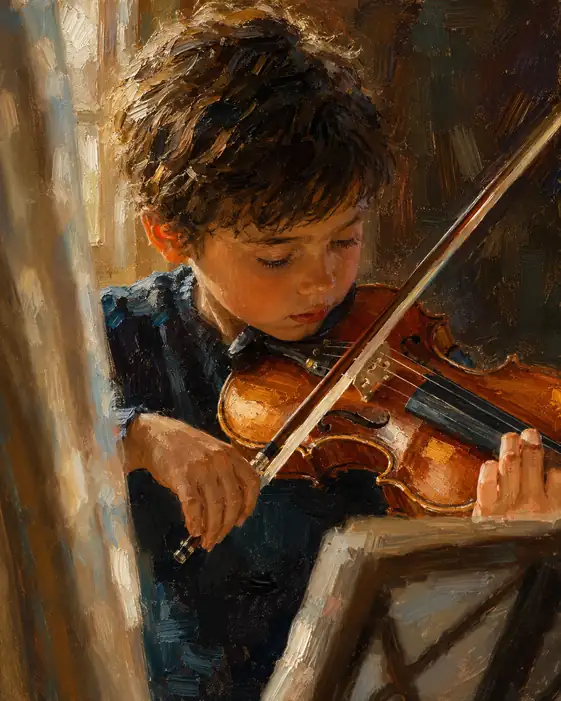 A Melody Only for the Light
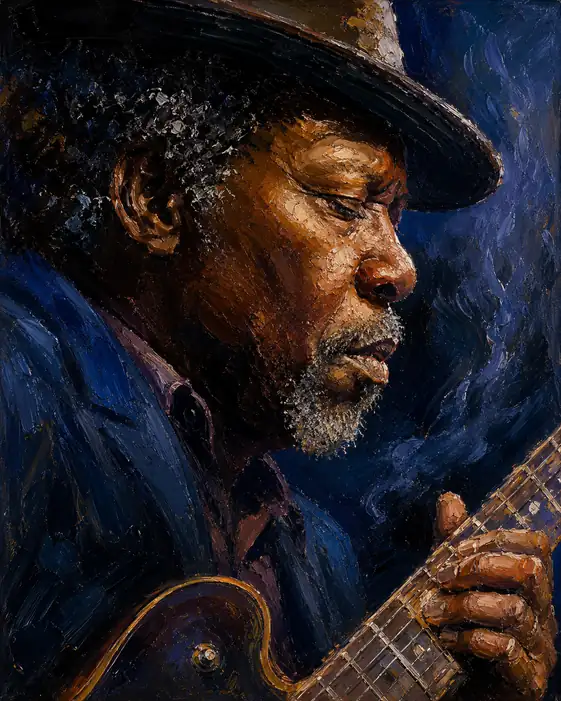 Dialogue in Indigo
 Whispers of the Deepening Shadows
 Strings of a Golden Memory
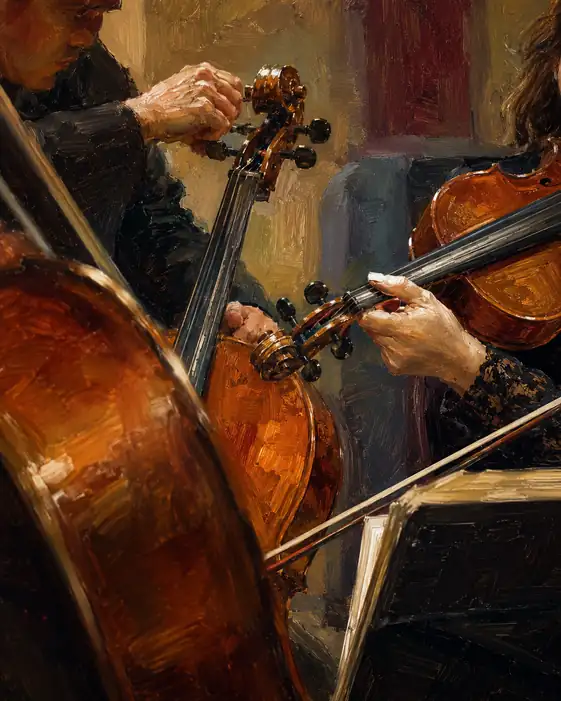 The Prelude of Harmony
 The Resonance of Golden Hour