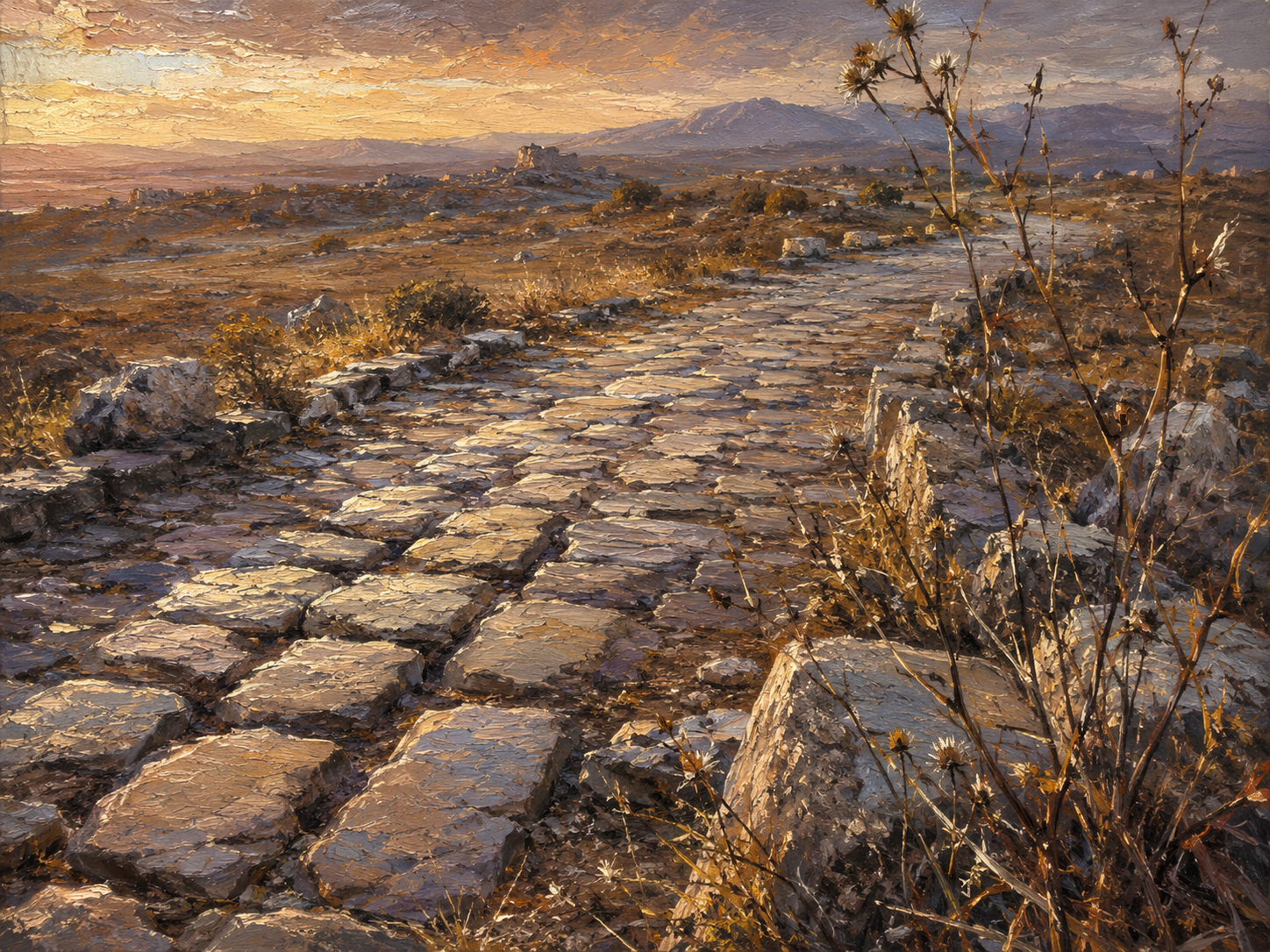
The Path Where Empires Sleep
Critique
1. Introduction This landscape painting depicts an ancient paved road stretching across a desolate wilderness. The winding stone path gently guides the viewer’s eye toward the distant horizon. This path creates a powerful sense of historical depth and quiet contemplation. This critique will explore its formal qualities and underlying emotional resonance. 2. Description In the foreground, rough stone blocks are rendered with tactile, heavy brushstrokes. A dried thistle stands on the right, providing a vertical contrast to the horizontal path. The middle ground features dry ground with small ruin structures. In the far distance, soft mountain ranges lie beneath a golden sky filled with thick clouds. 3. Analysis The winding road functions as a strong leading line that creates perspective. The color palette is dominated by warm ochre, brown, and golden yellow tones. Through the impasto technique, the rough stones and dense clouds acquire a physical presence. This contrast of textures enhances the overall visual structure and depth. 4. Interpretation and Evaluation The painting suggests a contrast between the passage of human history and the endurance of nature. The stubborn thistle symbolizes the persistent strength of life in harsh environments. The dramatic golden light evokes a feeling of nostalgia and sublime beauty. This successful combination of rough texture and delicate light deserves high artistic praise. 5. Conclusion This artwork beautifully captures a silent dialogue between past civilizations and timeless landscapes. While the initial impression is of a quiet wasteland, closer study reveals deep spiritual values. The harmony of rich textures and warm light leaves a lasting emotional impact. Ultimately, this ancient highway serves as a quiet monument to the human journey.
Same Subcategory
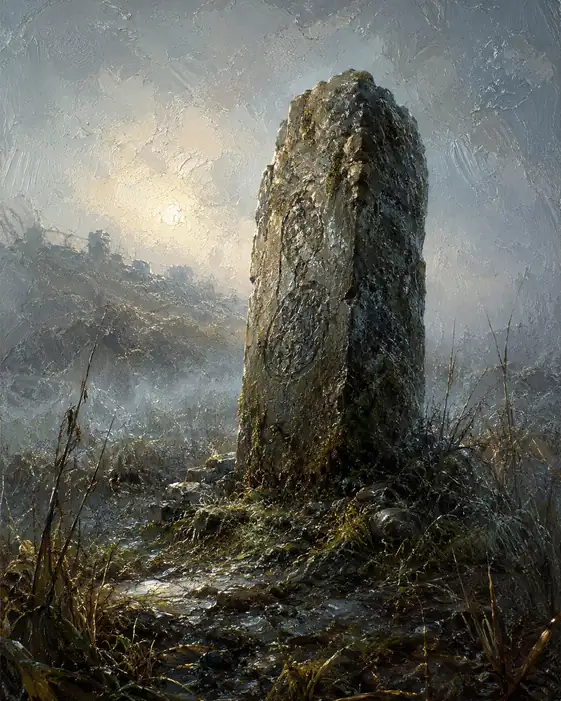 Echoes in the Mist of Time
Similar Artworks
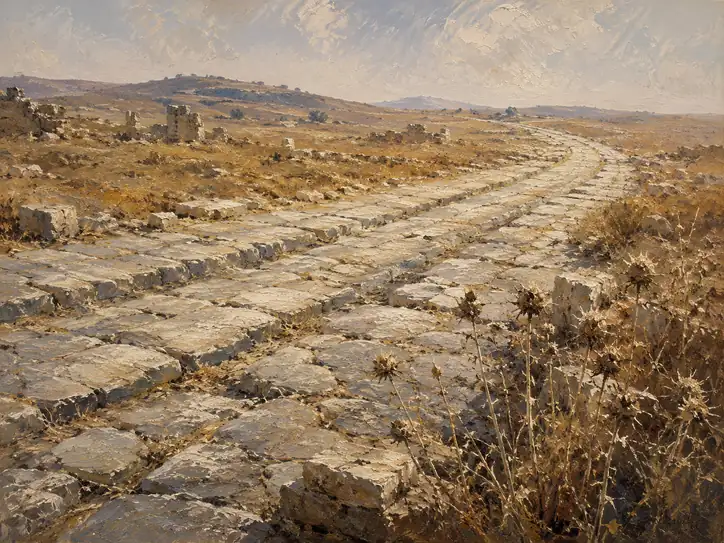 The Road to Yesterday
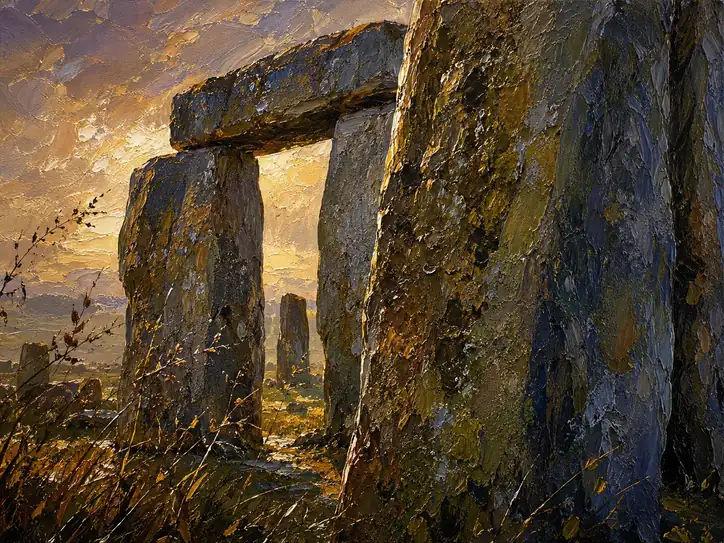 Monuments to an Eternal Sun
 The Weight of Ancient Silence
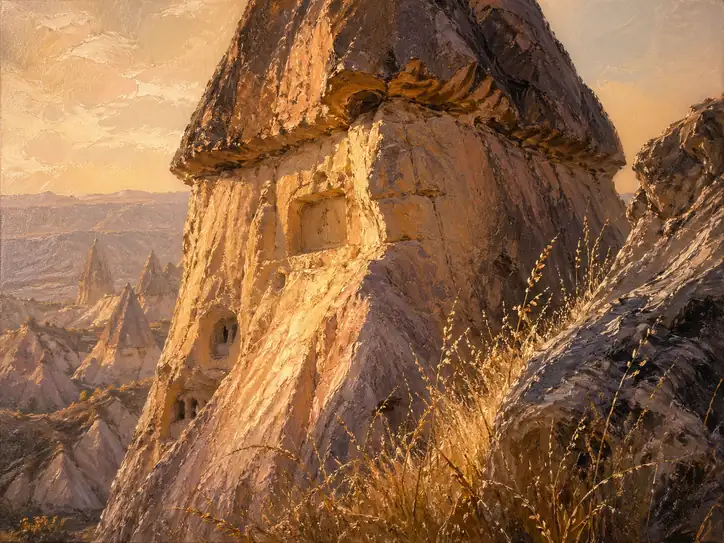 Echoes of the Golden Spire
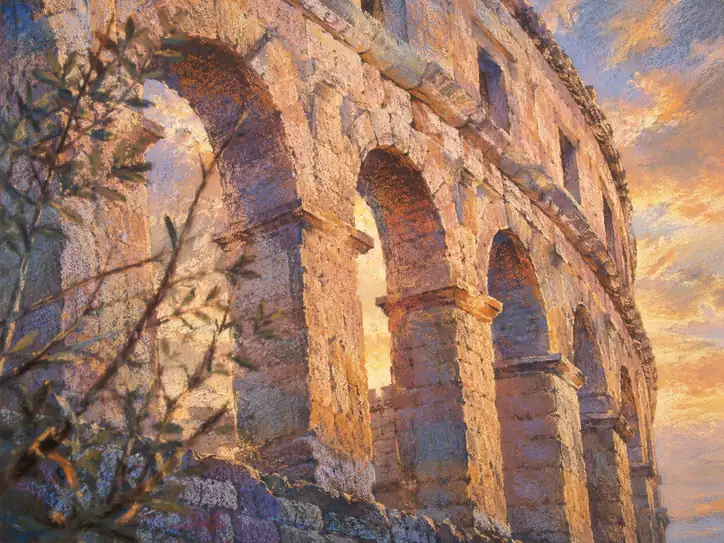 Gold Spilled on Ancient Stone
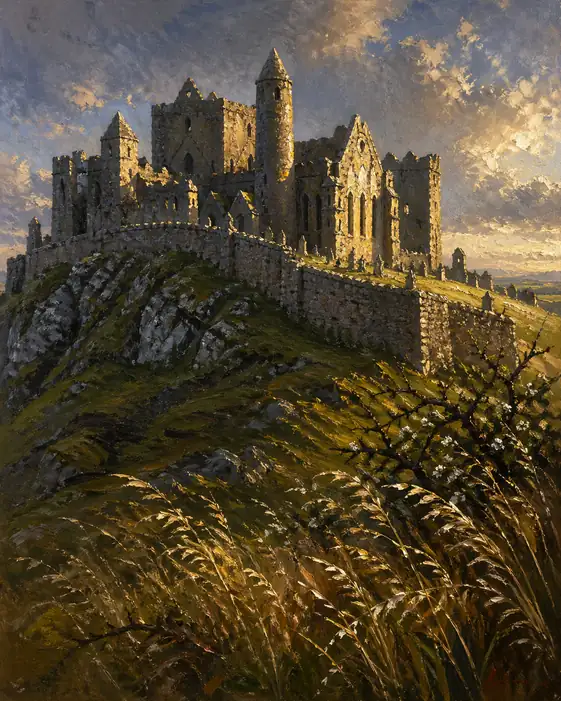 Majestic Castle Ruins at Sunset
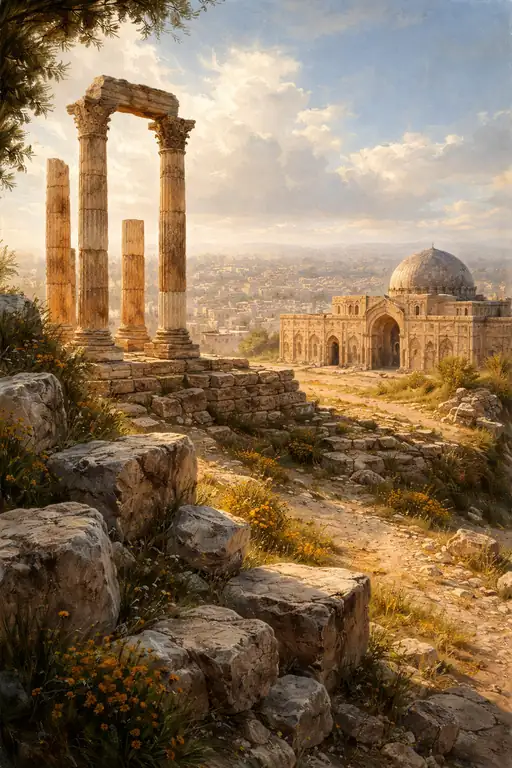 Golden Hour Over Majestic Ancient Ruins
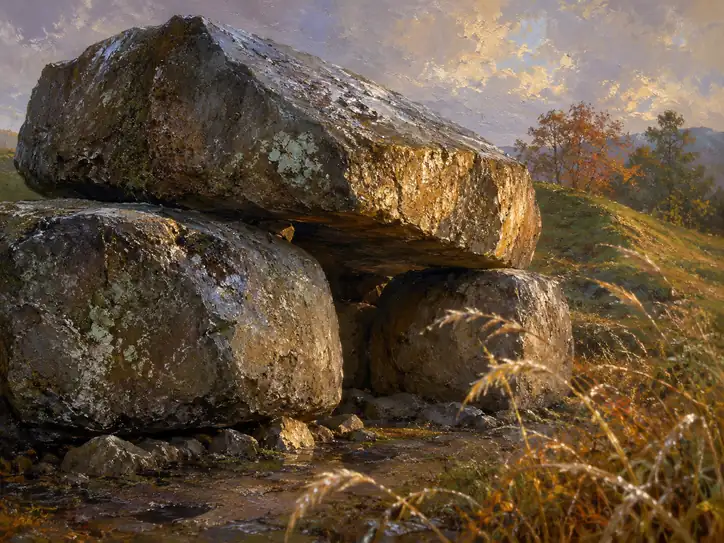 Sentinels of the Dying Light
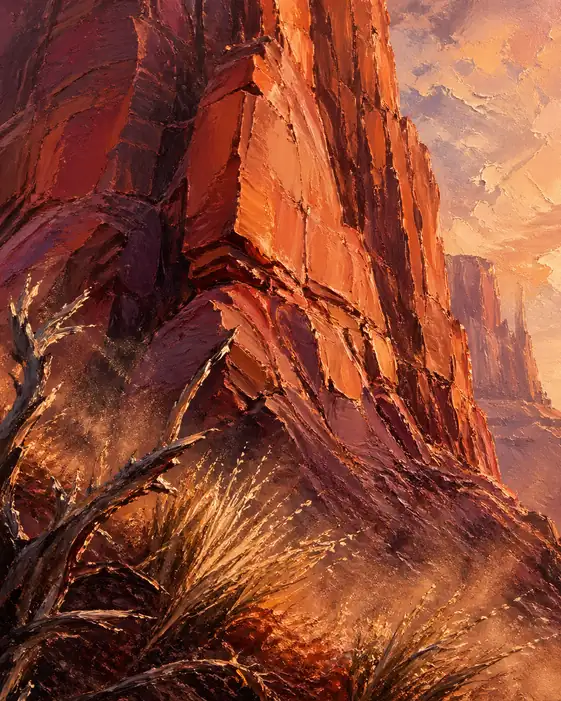 The Weight of Thousand Sunsets
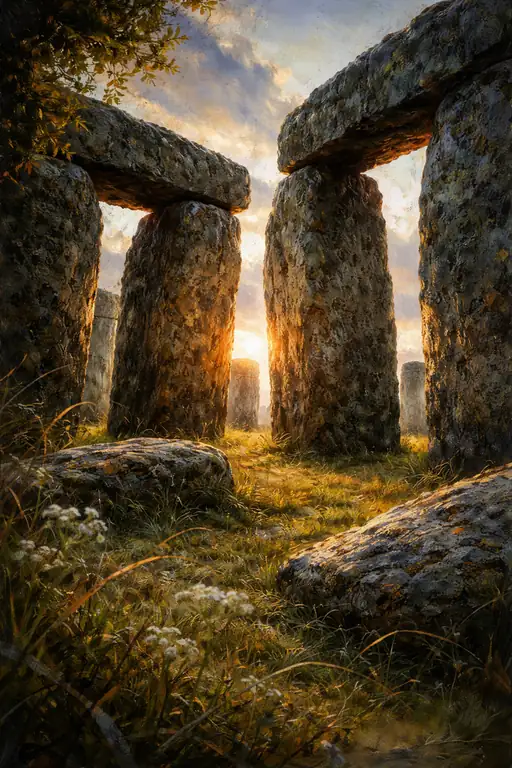 Dawn's Awakening at Stonehenge: A Megalithic Monologue