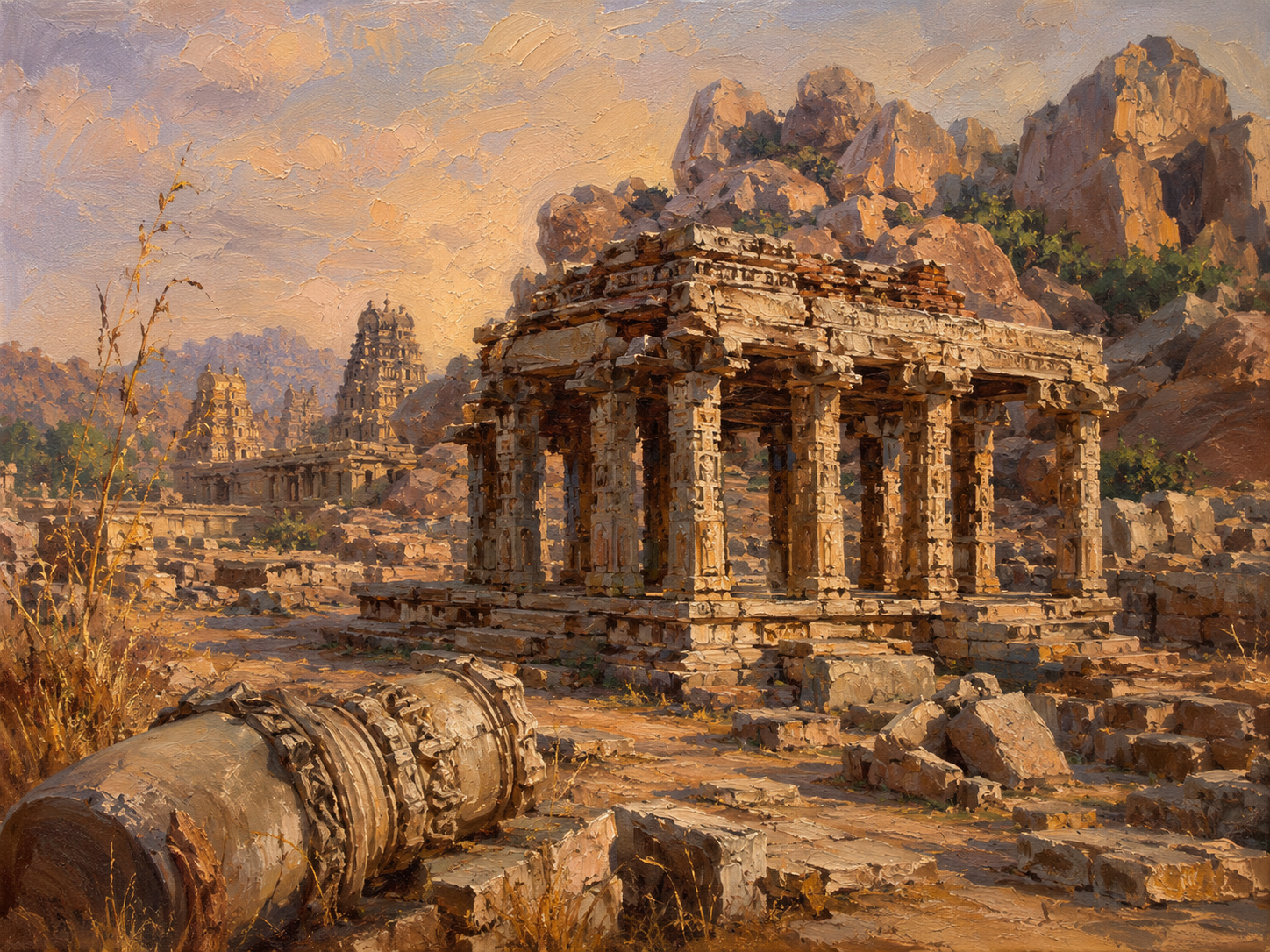
The Golden Slumber of Forgotten Gods
Critique
1. Introduction This painting is an oil landscape depicting the ancient, ruined stone structures of a temple complex set against a rugged, rocky background. In the center of the composition stands an open-air pavilion supported by intricately carved pillars, while towering, multi-tiered temple gateways fade into the atmospheric distance. A large, fallen cylindrical fragment in the foreground emphasizes the contrast between the site's former grandeur and its current state of decay, silently conveying the passage of time. 2. Description In the left foreground, a massive, toppled stone pillar with detailed circular carvings lies amidst scattered square blocks. The primary central structure is characterized by a flat roof resting on numerous square columns, each bearing faint traces of figurative reliefs. The background is dominated by a formation of massive, jagged boulders, behind which the stepped, pyramidal towers of distant temples rise. The sky is bathed in the warm, luminous hues of twilight or dawn, transitioning smoothly from pale violet to golden yellow. 3. Analysis A defining feature of this work is the heavy impasto technique, which imparts a vivid sense of materiality to the rocks and ancient masonry. The visible, textured brushstrokes effectively translate the rough, weathered surfaces of the stone into a tactile visual experience. The prevailing palette of golden and ochre tones creates a strong interplay of light and shadow, highlighting the architectural volume and sculptural details. The use of atmospheric perspective, with colors shifting towards bluish-gray in the distance, successfully establishes a profound sense of spatial depth. 4. Interpretation and Evaluation This painting aligns with the tradition of Romantic landscape art, celebrating the sublimity of nature and expressing nostalgia for lost civilizations. The gradual erosion of the solid stone architecture suggests the fragility of human endeavors relative to the enduring power of the natural world. The artist's masterful orchestration of light and robust representational skills are particularly commendable. The serene yet powerful atmosphere radiating from the canvas evokes a deeply contemplative emotional response from the viewer. 5. Conclusion This work is a compelling landscape that successfully reconstructs the solemn majesty of ancient ruins through a synthesis of precise architectural detail and bold brushwork. The contrast between the imposing solidity of the historic stones and the soft, ethereal light casting over them imbues the scene with profound poetic resonance. Through this grand orchestration of light and time, the painting powerfully presents the profound intersection of past prosperity and present tranquility.
Same Subcategory
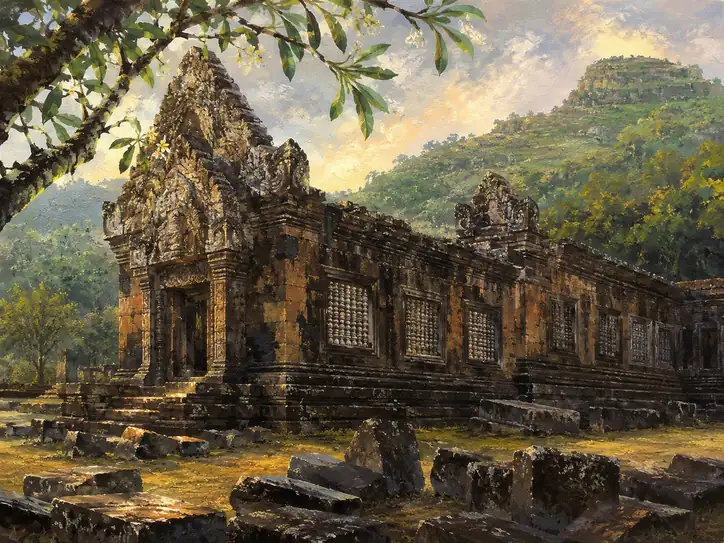 The Silent Watch of Forgotten Gods
Similar Artworks
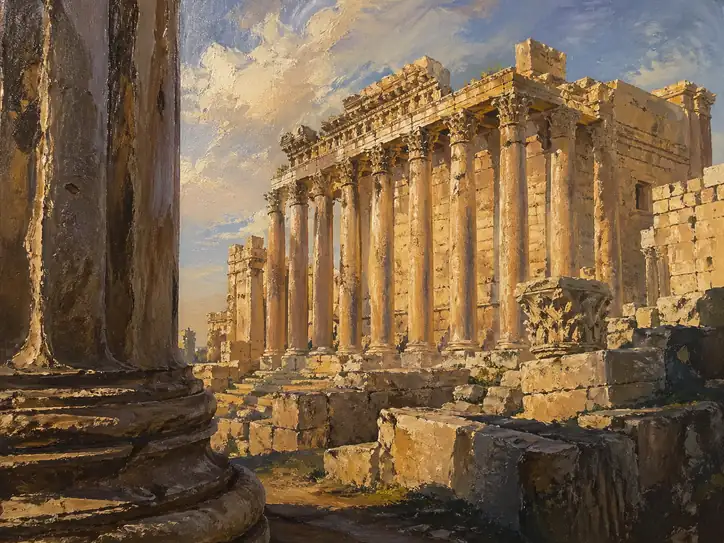 The Golden Echo of Antiquity
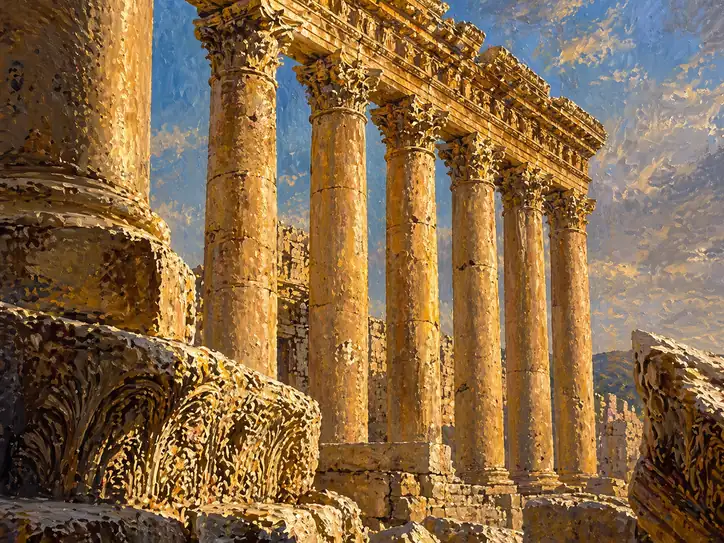 The Enduring Pillars of Time
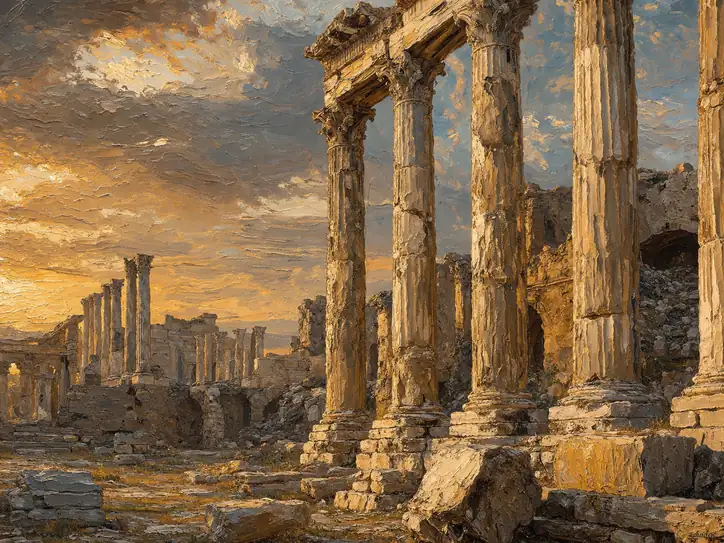 Echoes of the Golden Columns
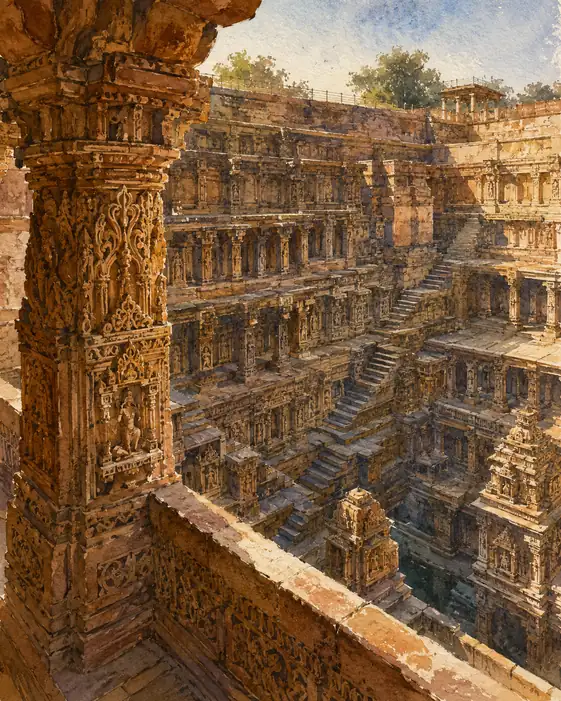 The Silent Labyrinth of Sun and Stone
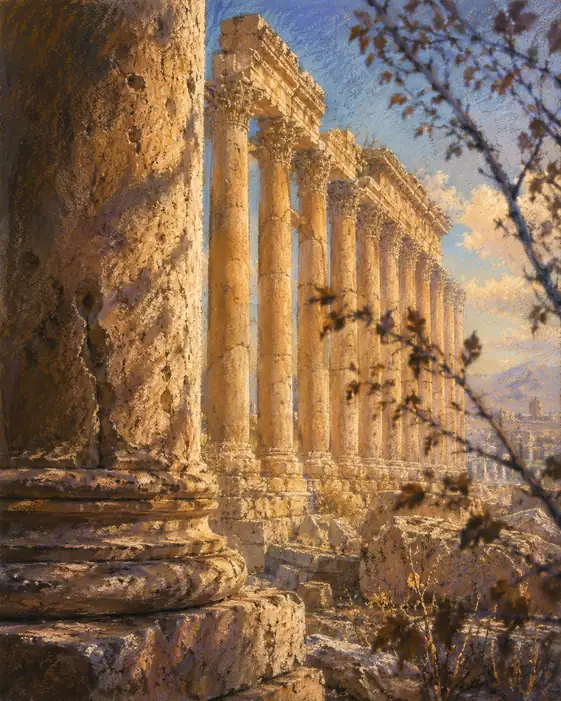 Whispers of the Eternal Sun
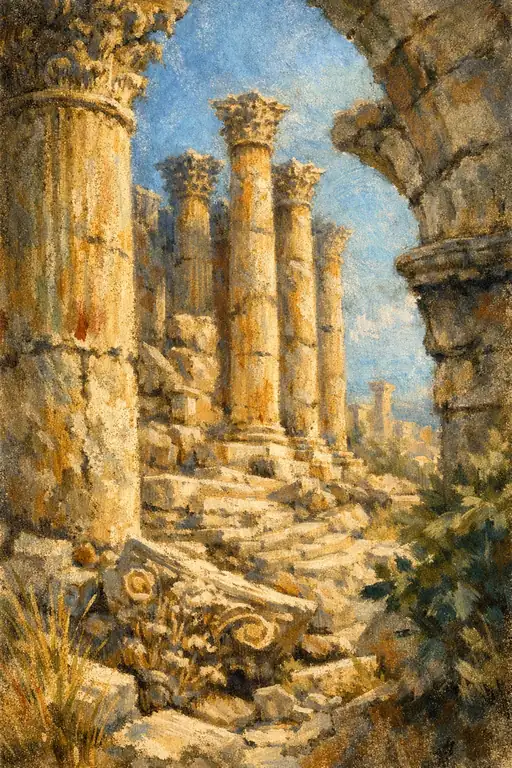 Timeless Grandeur: Weathered Corinthian Columns
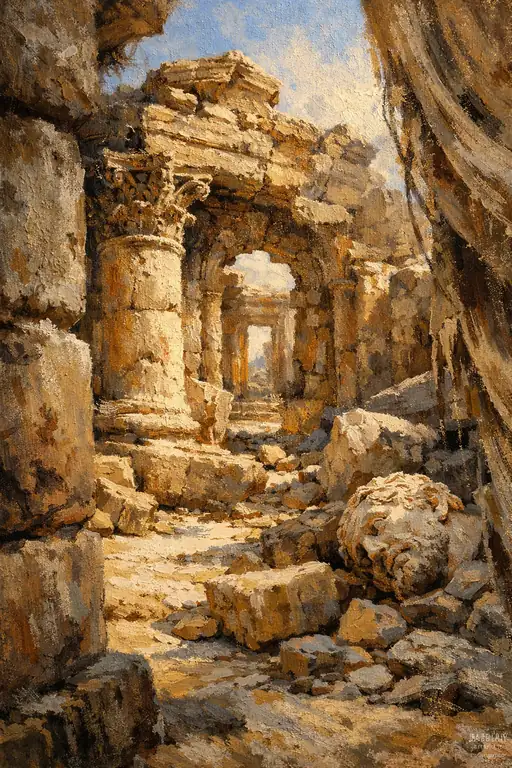 Echoes in Stone: The Sunlit Majesty of Forgotten Arches
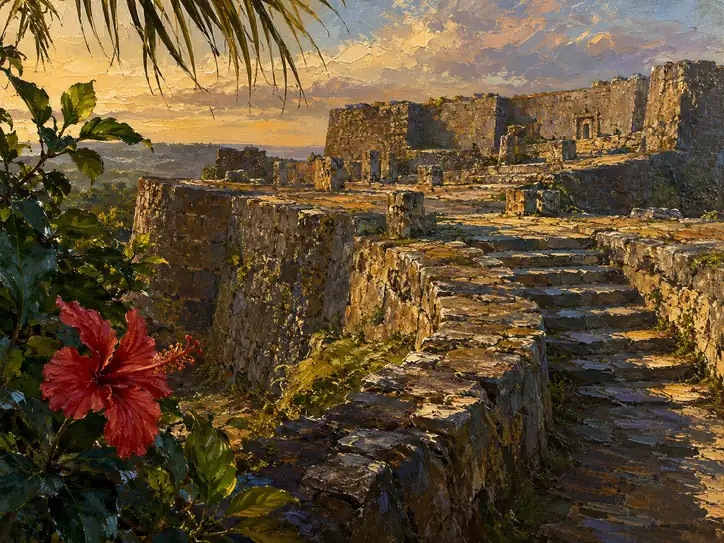 Eternal Stones, Fleeting Bloom
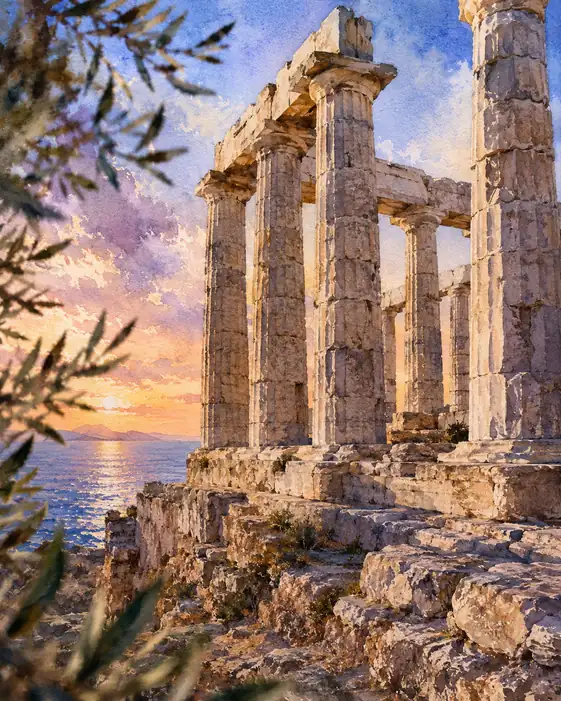 Poseidon's Last Golden Gaze
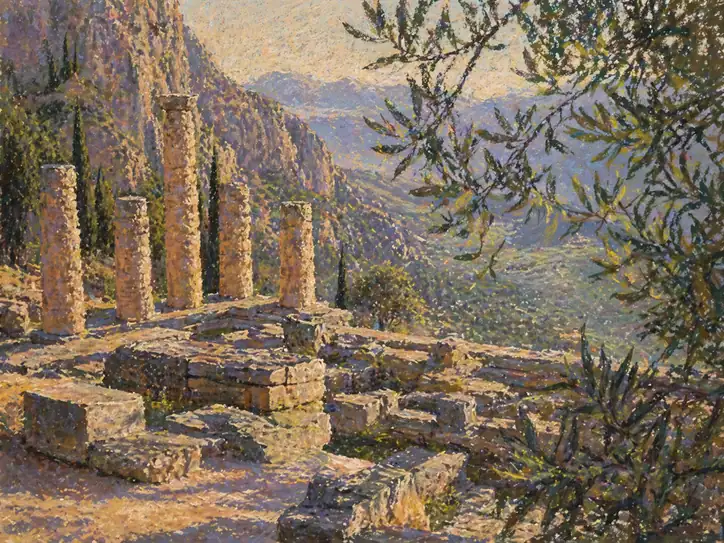 Where Time Dissolves in Morning Gold