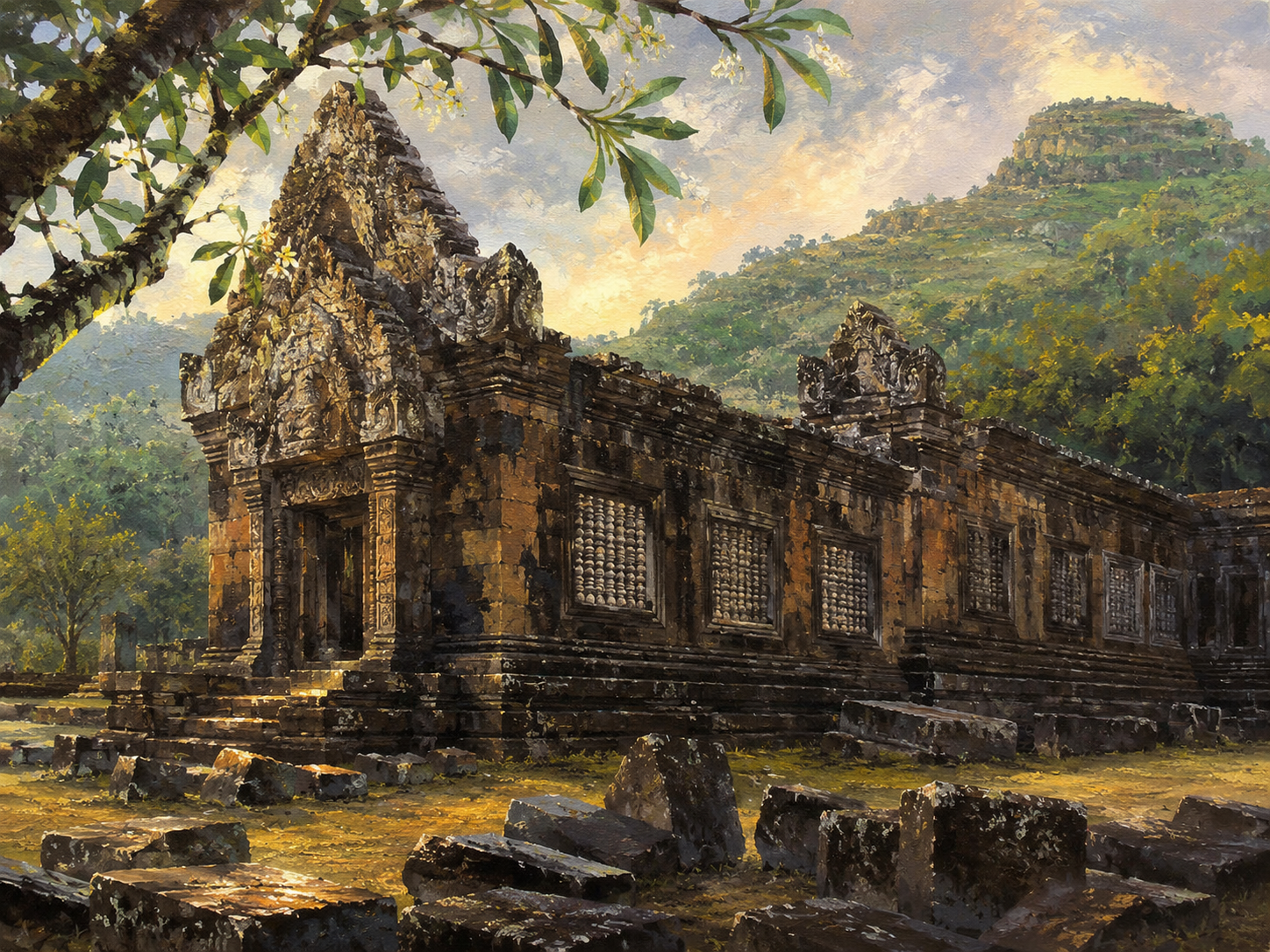
The Silent Watch of Forgotten Gods
Critique
1. Introduction This painting depicts the majestic ruins of an ancient stone temple nestled at the foot of a lush, verdant mountain. The composition emphasizes the silent grandeur of the weathered architecture and the scattered stone blocks that speak to the passage of centuries. By contrasting the heavy, enduring presence of the temple with the soft, glowing light of the sky, the artist creates a scene that evokes both a sense of historical loss and natural permanence. 2. Description The central subject is a Khmer-style stone temple, featuring elaborate carvings on its pediments and a series of balustraded windows along its side. The stone surfaces show signs of aging, with mossy patches and varied mineral discolorations rendered in detail. In the foreground, numerous fallen stone blocks lie haphazardly, catching the warm light and highlighting their rugged forms. The background is dominated by a steep mountain covered in dense forest, while the sky glows with a soft, golden radiance that permeates the entire landscape. 3. Analysis The artwork is structured with a careful balance between the horizontal lines of the temple complex and the vertical ascent of the mountain. The color palette is earthy and harmonious, utilizing deep browns and greys for the stone, vibrant greens for the vegetation, and warm yellow tones for the sky. Lighting plays a crucial role in defining the space, with a strong light source from the upper left casting long shadows and creating sharp highlights that accentuate the three-dimensional texture of the ruins and the surrounding foliage. 4. Interpretation and Evaluation The painting can be interpreted as a meditation on the cyclical nature of time, where the achievements of human civilization eventually return to the embrace of the natural world. The contrast between the intricate man-made designs and the raw, unyielding mountain suggests a dialogue between culture and nature. Technically, the artist demonstrates a masterful command of texture and light, using painterly brushwork to convey the physical weight of the stones and the atmospheric quality of the humid mountain air. 5. Conclusion A closer examination of the work reveals a profound respect for the historical and spiritual significance of the site, as seen in the careful rendering of every architectural detail. The harmony between the radiant sky and the somber ruins creates a poignant visual narrative that invites quiet reflection. It is an exceptional piece that successfully captures the haunting beauty of antiquity, leaving the viewer with a lasting impression of quietude and eternal grace.
Same Subcategory
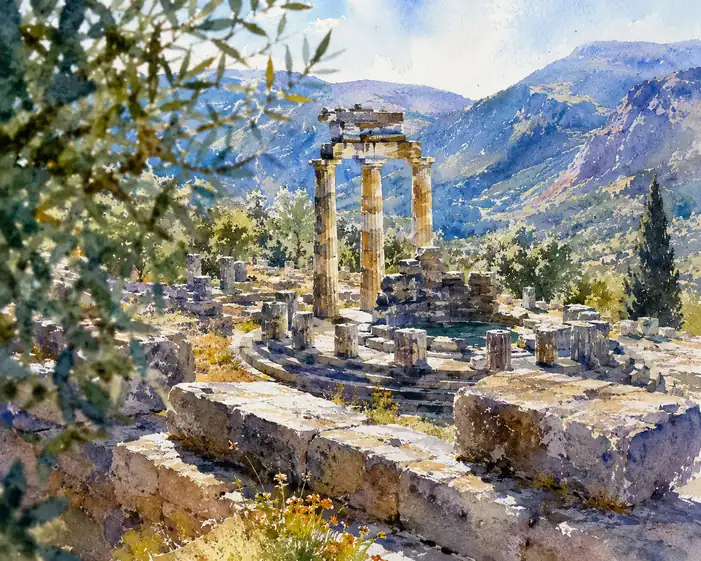 Eternity Within a Sacred Circle
Similar Artworks
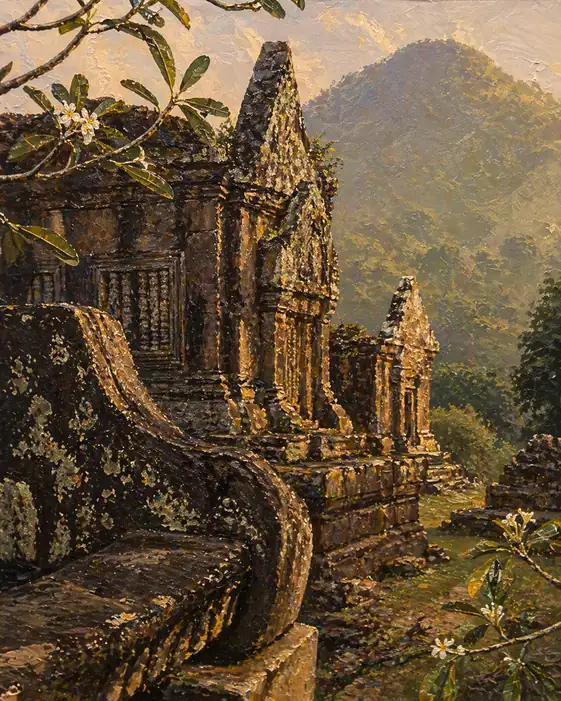 Silent Whispers of the Mossy Stones
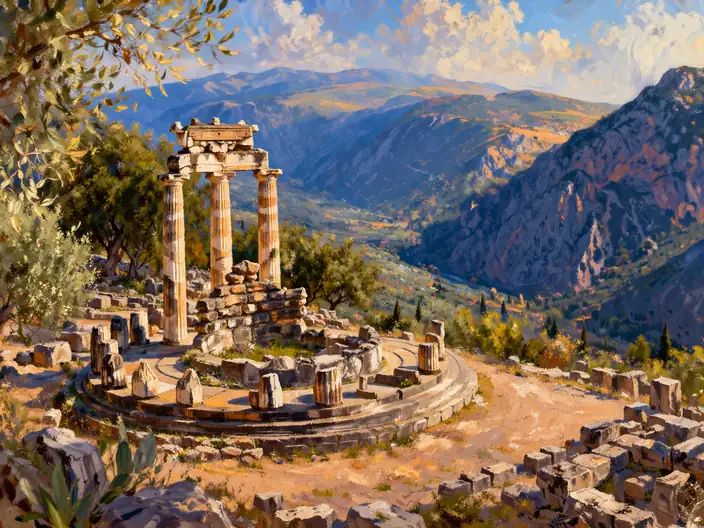 Timeless Pillars of the Mountain Sanctuary
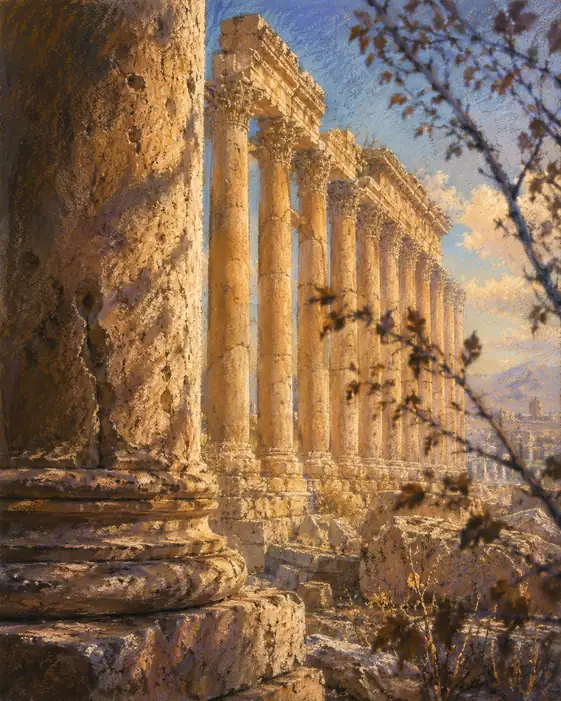 Whispers of the Eternal Sun
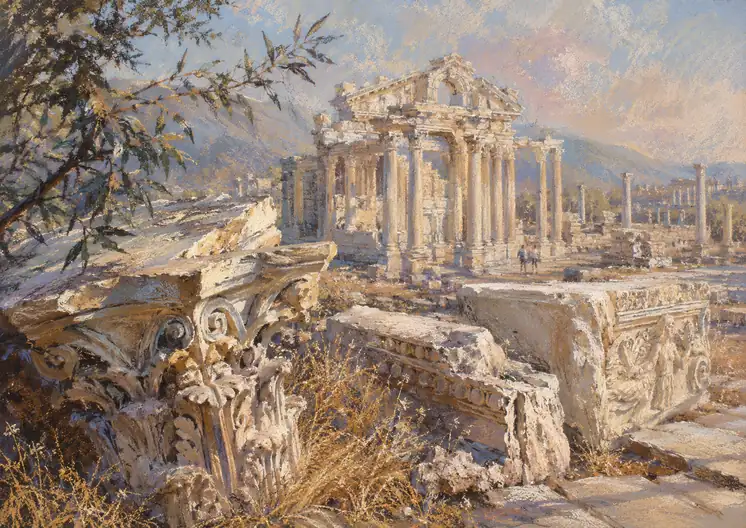 Echoes in the Dust of Time
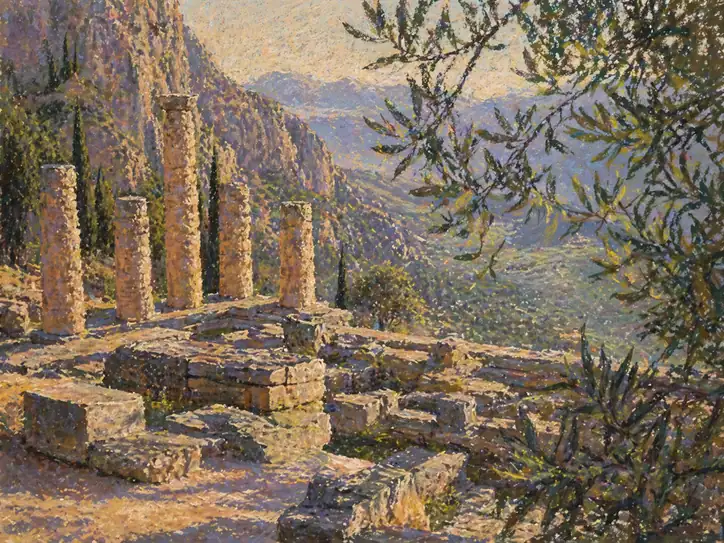 Where Time Dissolves in Morning Gold
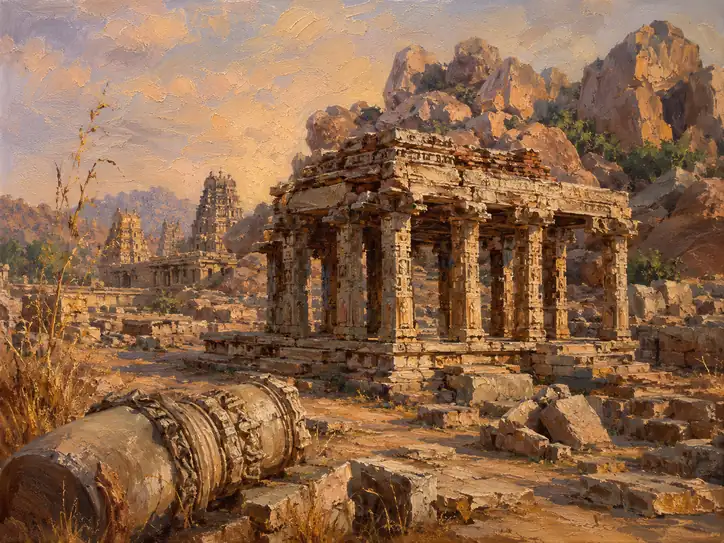 The Golden Slumber of Forgotten Gods
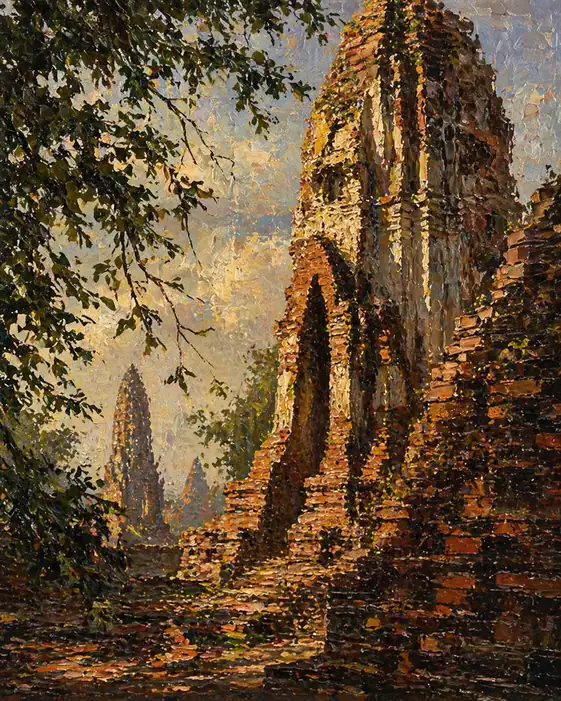 Echoes of a Forgotten Kingdom
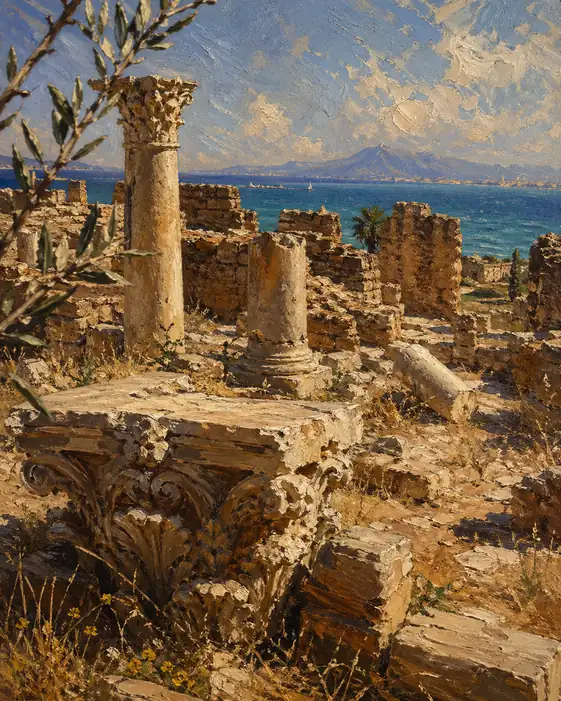 Echoes of Eternity: Where Stone and Sea Unfold
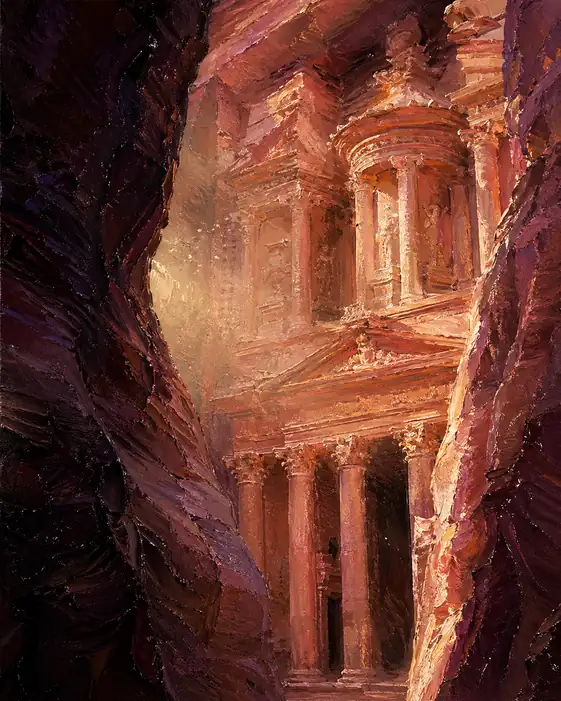 Threshold of Eternity: The Golden Secret of the Canyon
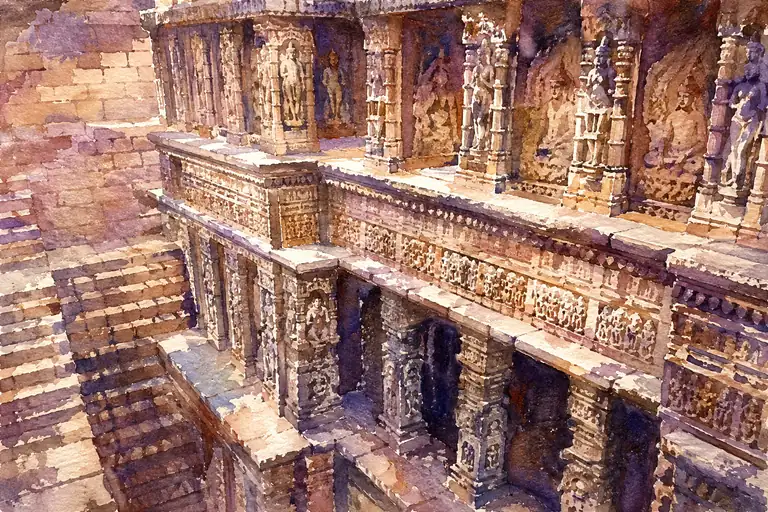 Whispers in the Sacred Depths