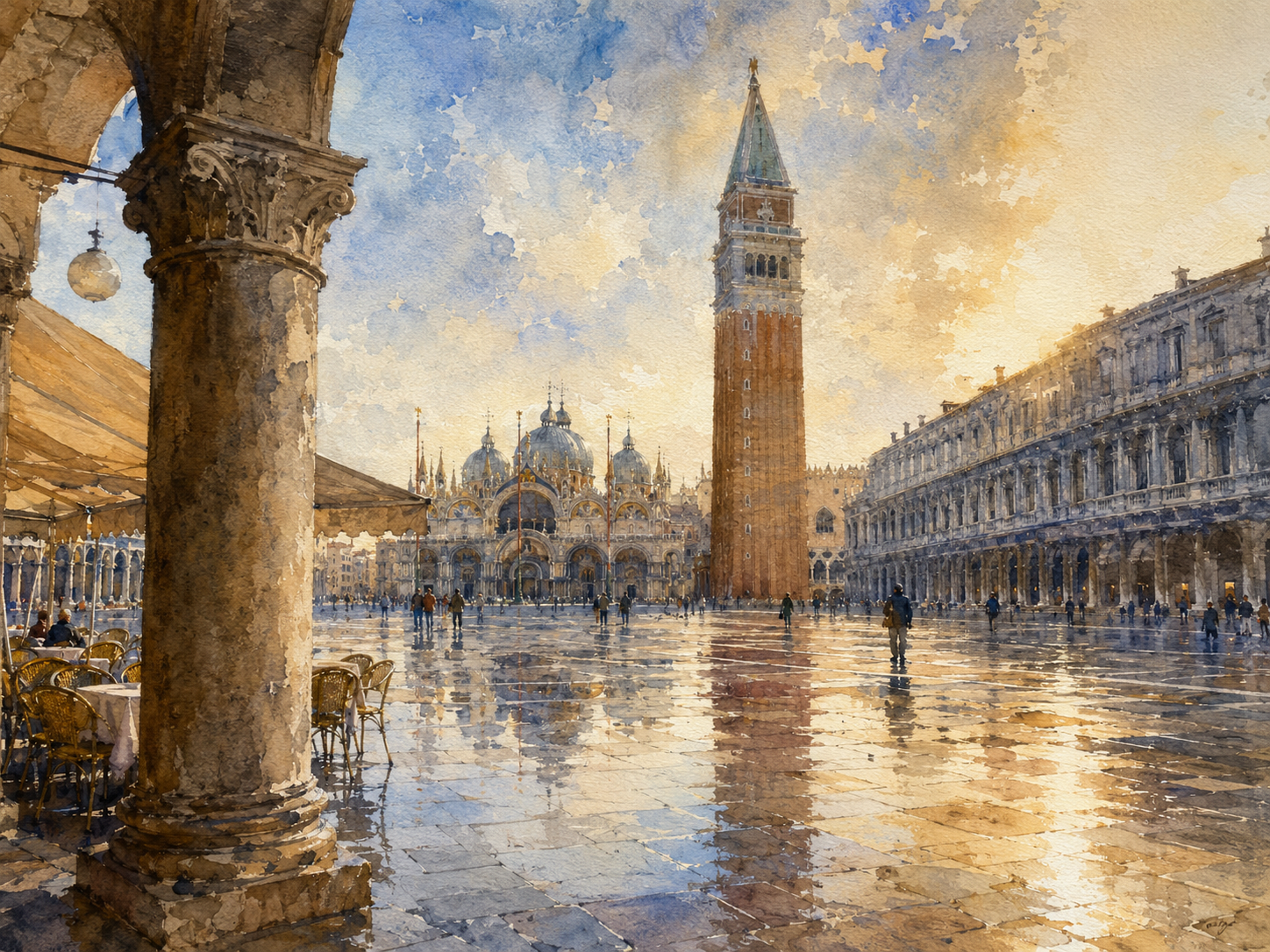
Venice Unveiled: The Mirror of Piazza San Marco
Critique
1. Introduction This watercolor-style painting depicts St. Mark's Square in Venice in the serene aftermath of a rain shower. A stone column and cafe terrace in the foreground frame the composition, leading the viewer's eye across the expansive, glistening plaza. The work evokes a sense of damp atmosphere and historical grandeur, transporting the observer into a space of timeless Mediterranean elegance. 2. Description In the background, the ornate domes of St. Mark's Basilica sit alongside the towering Campanile, providing a strong vertical contrast. The wet pavement acts as a mirror, reflecting the brilliant blues of the sky and the warm golden hues of the sunlight. Scattered figures walk across the square, their long shadows marking the late afternoon hour beneath a sky filled with dramatic clouds. 3. Analysis The color palette relies on a sophisticated balance between cool azure tones and warm amber light. The artist utilizes watercolor washes to create a dreamlike transition between the buildings and their watery counterparts on the ground. The rhythmic repetition of arches in the surrounding colonnades provides a structural stability that anchors the ethereal, luminous qualities of the scene. 4. Interpretation and Evaluation This artwork explores the interplay between Venice's architecture and the transformative power of water. By depicting the square after rain, the artist heightens visual complexity, creating a dual reality through reflections. The emphasis on atmospheric depth over rigid detail results in a piece that feels alive, demonstrating exceptional technical command and artistic sensitivity. 5. Conclusion The initial impression of a classic cityscape gives way to a poetic focus on subtle shifts of light and texture. The mirror-like composition effectively doubles the visual information, offering a meditative experience. Ultimately, this painting stands as a refined tribute to Venice, masterfully blending traditional subject matter with a modern, light-centric approach to landscape art.
Same Subcategory
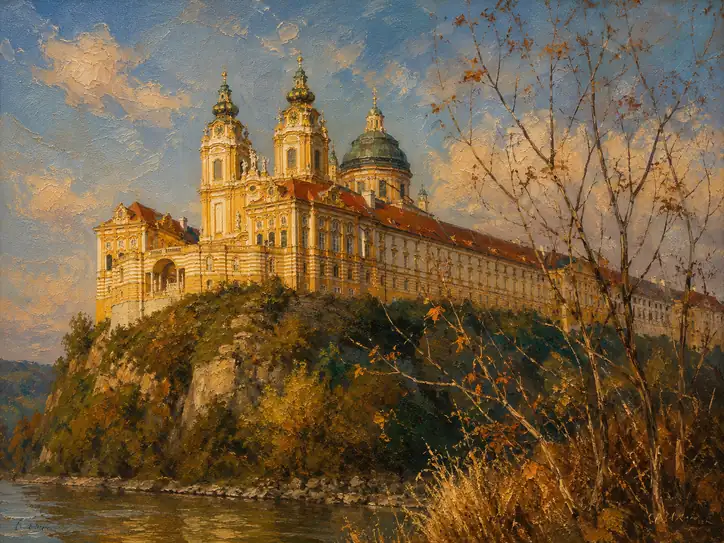 Citadel of the Golden Dusk
 Echoes of the Golden Hour
Similar Artworks
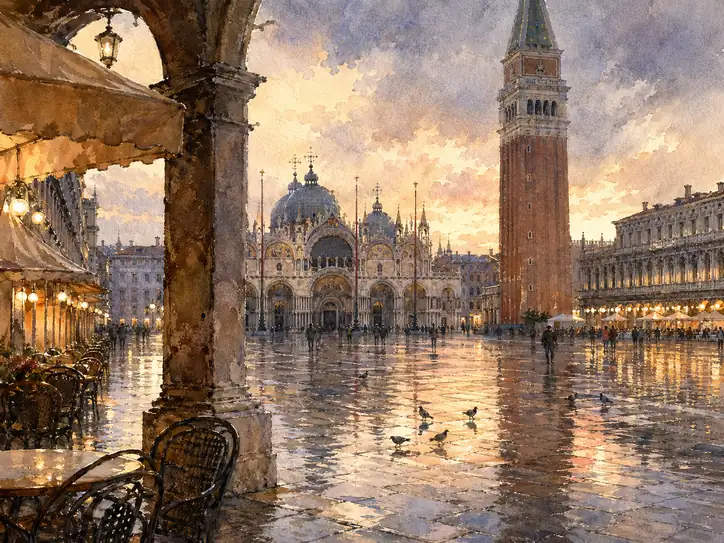 San Marco Reflected in a Golden Mirror
 Reflections of a Rain-Kissed Square
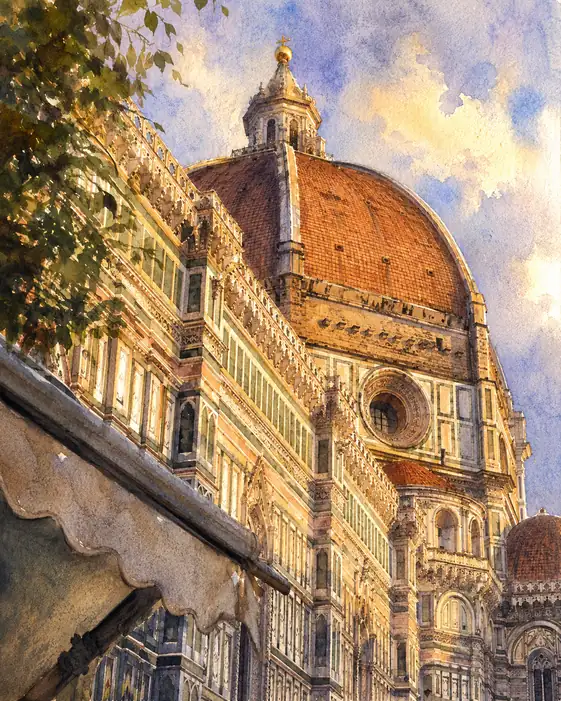 Looking Up Toward the Eternal Dome
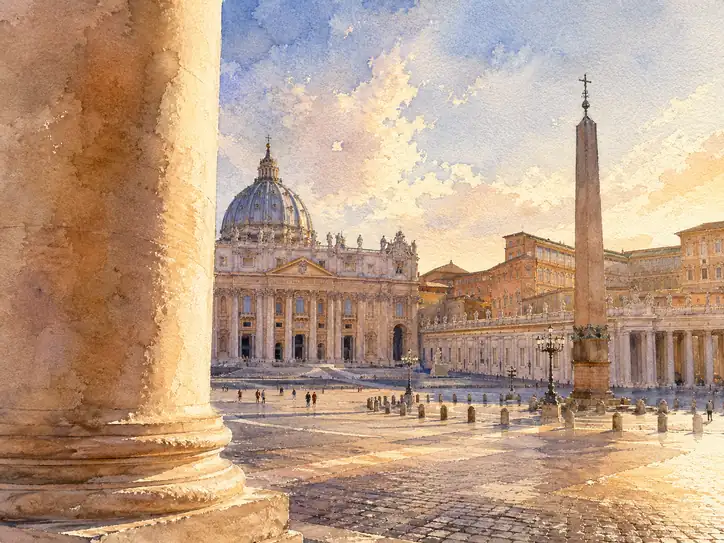 Eternal Grace in the Golden Hour
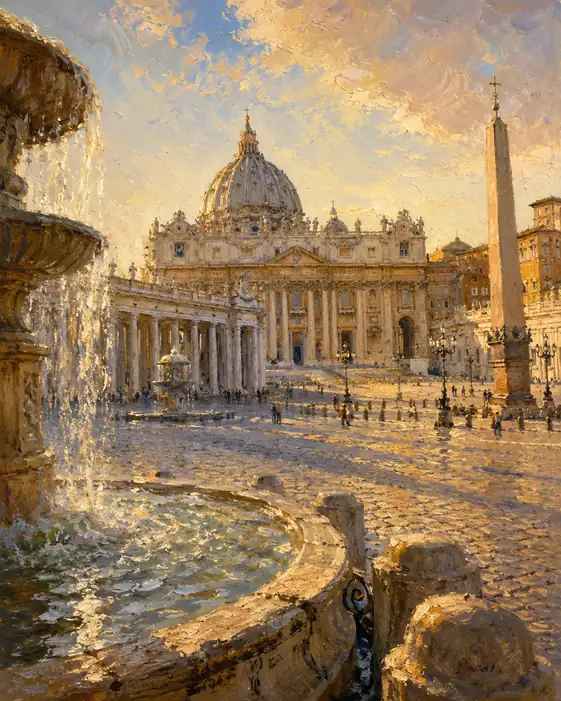 A Golden Vigil Over the Eternal Square
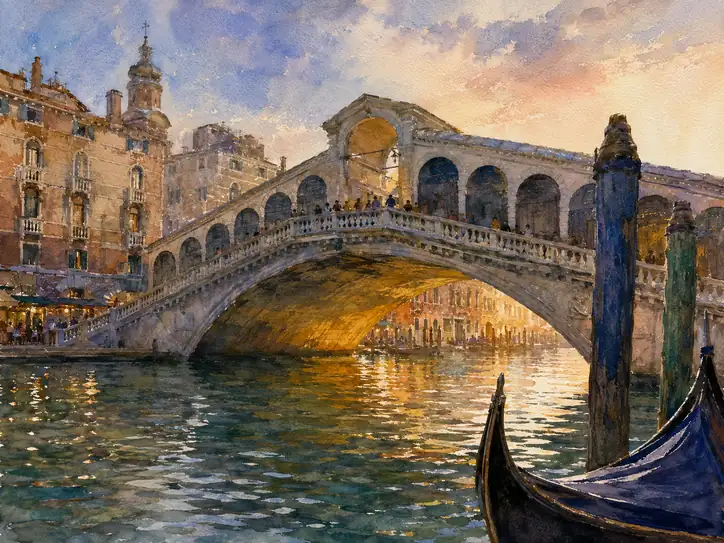 Venetian Pulse: Golden Echoes over the Rialto
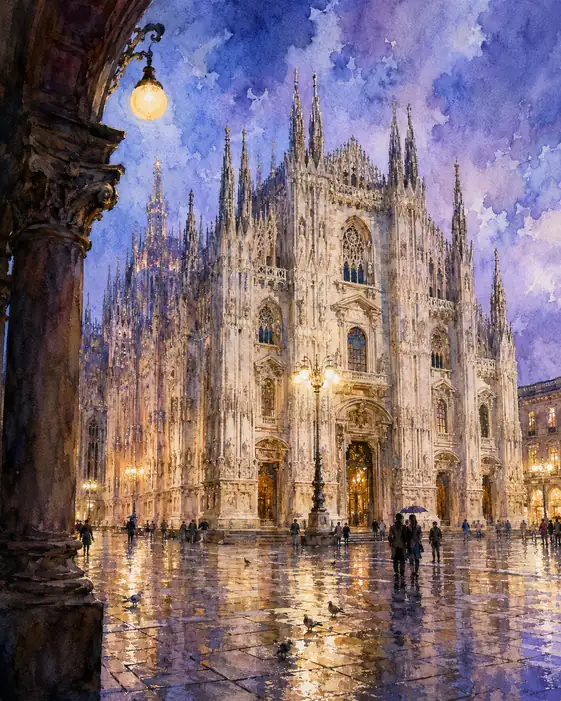 The Cathedral's Luminous Prayer
 Sun-Drenched Echoes of Eternity
 The Mirror of Silent Devotion
 Bathed in Gold: A Moment in the Piazza